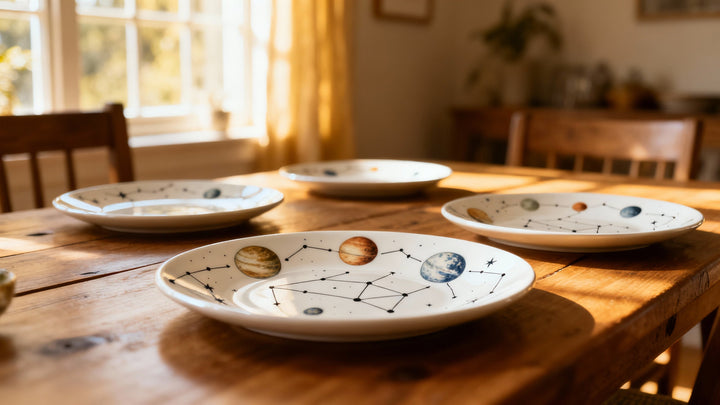


Ceramic plates used to arrive with a script already written for them. Floral porcelain was “for the ladies,” navy stoneware was “for the guys,” and registry sets came in clearly coded styles that quietly told you who belonged where at the table. Walk through 2025 dinnerware research, though, and something fascinating pops: gender barely shows up at all.
Instead, trend reports talk about sustainable stoneware, dopamine-bright glazes, handcrafted textures, and stackable sets for small homes. Color is linked to mood, menu, and occasion, not to women versus men. Materials are framed around durability, sustainability, and price, not femininity or masculinity. Mix-and-match is in; rigid, pre-scripted roles are out.
As a colorful tabletop obsessive who has tested plenty of plates in real home kitchens, I see this every time I build a tablescape: people want dishes that feel like them, not like a dusty stereotype. Let’s dig into how we got here, what the decline of gender marketing in ceramic dishware really looks like, and how you can shop, style, and host in a way that feels inclusive, joyful, and entirely your own.
What “Gendered” Dishware Looked Like – And Why It No Longer Fits
When we talk about gender marketing in ceramic dishware, we are really talking about how brands once coded aesthetics and usage around stereotypes. Floral rimmed bone china was positioned for bridal showers and “ladies’ luncheons.” Heavy, dark plates aligned with steak dinners and “manly” grilling. Even if a catalog did not say “for her” or “for him,” the visual language did that work.
The research you see today tells a different story. Articles from HF Coors, Dinnerware Supplier, Kim Seybert, MD Maison, Joyye, VanCasso Tableware, and others frame dinnerware through lenses like sustainability, craftsmanship, color psychology, durability, and storage efficiency. The language is about refined minimalism, rustic farm-to-table, après-ski coziness, coastal chic, or warm minimalism, not about gender.

Gender marketing is losing its grip because it clashes with how people actually live. Families and roommates share one kitchen, not a pink stack and a blue stack. Social media has made tablescapes a canvas for personal expression; nobody wants their creativity reduced to a preset “for women” or “for men” set. And as the data show, the category itself is booming, driven by lifestyle shifts that make gender segmentation look outdated.
Market Signals: A Growing, Reframed Ceramic World
Joyye, analyzing ceramic dinnerware and tableware, notes that the global ceramic dinnerware market is projected to grow from about $12.4 billion in 2024 to $22.2 billion by 2034, with around 7 percent compound annual growth. A related Joyye article projects the global ceramic tableware market at roughly $102 billion in 2024, rising to $145.5 billion by 2030. Those are big, lively numbers.
The reasons they highlight are telling. Growth is powered by richer at-home dining experiences, social media “foodie” culture, sustainability awareness, and the desire for Instagram-worthy yet practical plates. North America alone holds more than a third of the market and prioritizes pieces that work for both everyday meals and special occasions. None of that inherently requires gendered positioning; in fact, gender slicing would just limit the audience for each design.
Buying patterns are changing too. Joyye points out a shift away from large, uniform twelve-piece sets toward smaller four-to-eight place settings, open-stock purchasing, and mix-and-match collections. Younger buyers are more price sensitive but very interested in aesthetics and flexibility. The Good Trade, which curates sustainable dinnerware brands, encourages investing in durable ceramic plates so you don’t need separate “everyday” and “special” sets at all. One thoughtful, beautiful set for everyone at the table is the opposite of old gendered segmentation.
When the core story becomes “long-lasting, sustainable, flexible dinnerware that photographs well and fits your lifestyle,” gender categories do not help. They only get in the way.
Color Stories Without Gender Stereotypes
Color is one of the fastest ways brands once nudged us toward gendered choices. Think blush pink dessert plates versus charcoal steak plates. The new research talks about color constantly, but in a completely different way.
HF Coors highlights bold, vibrant palettes for 2025, from rich greens and sunny yellows to cobalt blues, often in gradient or speckled glazes. The focus is on playful, mix-and-match table settings that feel customizable and joyful. Kim Seybert’s trend forecast talks about “dopamine decor,” where mood-boosting hues and metallic details like gold trims bring modern opulence to both formal and everyday tables.

Hancers dives deep into color psychology and occasion matching. White is called timeless and versatile. Earthy tones like beige, brown, and terracotta are framed as rustic and natural, perfect for farm-to-table or outdoor gatherings. Bright reds, yellows, and oranges are suggested for birthdays and holidays because they feel energetic and celebratory. Cool pastels and soft greens or blues are recommended for relaxed breakfasts or tea, creating calm. Dark matte finishes like black and deep gray are described as modern and dramatic, ideal for sophisticated dining or restaurant-style plating.
The interesting part is what you do not see in these analyses. Hancers, HF Coors, Dinnerware Supplier, Kim Seybert, and Joyye all talk about matching dinnerware colors to ambiance, food type, and decor, not to gender. A cobalt blue bowl is a nod to ocean-inspired menus, not to “masculine” tastes. A blush reactive glaze is positioned as a soft, serene backdrop for food, not as a coded “girly” choice.
You can think of it this way:
Approach |
How Color Is Framed |
Example Focus |
Old gender marketing |
Feminine versus masculine palettes |
Florals for women, dark solids for men |
Mood and menu based (today) |
Atmosphere, occasion, and food presentation |
Bright tones for parties, earth tones for rustic meals |
Lifestyle driven |
Alignment with home decor, personal style, and storage |
Neutrals for versatility, accents for personality |
As a tabletop stylist, I find this shift liberating. Instead of asking, “Will the groom tolerate this floral salad plate,” I ask, “What color story makes your family feel energized on a Tuesday night, and which bowls make your ramen look like a warm hug?” That is a much more interesting, human question.
Materials and Functionality: The New Stars of the Show
Look at how today’s guides talk about ceramic materials, and you can see gender falling away there too. Hosen28, Joyye, The Good Trade, MD Maison, Design Dekko, and VanCasso Tableware all cover material choice in depth, but the axes are performance, cost, sustainability, and brand positioning.
Hosen28 lays out the big ceramic categories. Bone china contains about 40 to 50 percent bone ash and is valued for extreme whiteness, translucency, and a light yet strong body, making it a favorite for luxury hotels and fine dining. New bone china mimics the look without animal bone, using synthetic materials and offering a creamy, vegan alternative at moderate price, though with slightly lower durability and prestige. Reinforced porcelain incorporates alumina or magnesia to boost chip and thermal shock resistance, which is why it is recommended as a cost-effective workhorse for busy hotel restaurants. Stoneware is described as a non-porous, clay-based ceramic fired around 2,100 to 2,300°F with rustic aesthetics and good durability, ideal for European retail markets and farm-to-table restaurants. Earthenware is low fired, porous, visually rustic, and inexpensive but fragile, best reserved for decorative or cuisine-specific pieces. Dolomite is very low firing, lightweight, inexpensive, and not durable, recommended for seasonal or promotional tableware. Opal glass is non-porous, tempered, lightweight, and highly chip resistant, though it lacks the traditional ceramic feel.
Joyye echoes some of these definitions and emphasizes how stoneware is gaining share because it resists chipping and scratching, retains heat for leisurely meals, and showcases artisanal details. Porcelain is framed as bright white, translucent, and refined. Bone china is thin, strong, and warm toned, the classic fine dining body. The Good Trade adds that earthenware is fired around 1,950°F and usually needs extra glaze, stoneware around 2,200 to 2,350°F for more durability and waterproofing, and porcelain up to about 2,400°F for high hardness.
Nowhere in these material breakdowns is a gender label attached. Instead, the guidance is about where the body makes sense: rustic stoneware for farmhouse brands or everyday use, porcelain and bone china for minimalist or formal lines, dolomite for budget seasonal designs, and opal glass for institutional and supermarket dinnerware. Design Dekko, advising shoppers on matching dinnerware to home decor, reinforces this practical approach by connecting bone china, earthenware, porcelain, melamine, and stoneware to formality, durability, and everyday versus casual use.
This is exactly how most of us really think. If you have young kids, you care more about chip resistance than whether your plates look “feminine.” If you live in a small apartment with tight cabinets, you care about stackability and weight. If you love slow Sunday roasts, you notice how stoneware holds heat. Function is the new romance.
Here is a quick way to visualize the shift:
Material |
Primary positioning in recent guides |
Main trade-offs |
Stoneware |
Durable, rustic, artisanal everyday workhorse |
Heavier, a bit more chip prone than reinforced porcelain |
Porcelain |
Refined, versatile, classic or minimalist style |
Can feel formal; mid to higher price |
Bone china |
Ultra-thin, strong, premium fine dining |
Higher cost, animal-derived unless using new bone |
Earthenware |
Rustic, decorative, cuisine-specific serveware |
Porous, fragile, often not dishwasher or microwave safe |
Opal glass |
Lightweight, chip resistant, hygienic everyday and institutional use |
Less traditional ceramic feel |
Notice that none of those cells need a gender label to make sense.
Why Gendered Dishware Is Losing Its Grip
Several overlapping forces in the research make it clear why gendered marketing is fading.
One is the cultural shift toward mix-and-match and personalization. Dinnerware Supplier describes mix-and-match table settings with varied shapes, sizes, colors, and patterns bound together by a theme rather than a rigid matching set. HF Coors, Kim Seybert, MD Maison, and Joyye all celebrate layering textures, shapes, and patterns to create individualized, curated tables. Kim Seybert even encourages using different dinnerware and flatware across a single table to create a unique story.
Another is the move from “special occasion only” china to elevated everyday essentials. HF Coors talks about chip-resistant stoneware designed for oven-to-table use and everyday durability. Kim Seybert, MD Maison, and VanCasso highlight minimalist neutral bases with accent pieces that can swing from weekday to holiday with a change of napkins or chargers. The Good Trade profiles brands like Year & Day that specifically argue you do not need separate sets: one high-quality, minimalist collection can serve breakfast, date night, and Thanksgiving alike.

Joyye points out that buyers now prefer smaller sets and open stock, allowing them to build collections that evolve over time instead of locking into one formal look. That is the opposite of the old bridal registry “good china” that often leaned heavily feminine and sat unused in a cabinet.
Practical realities do the rest. HF Coors, Joyye, Hosen28, and VanCasso emphasize stackable designs, multi-functional bowls, and space-saving sets tailored to smaller homes. Kim Seybert suggests at least two complete place settings per person but also highlights plate-bowl hybrids and nestable pieces. When your cabinet needs to house one flexible, efficient stack of dishes for everyone living there, it makes far more sense to choose pieces based on durability, heat resistance, and storage than on gender coding.
Finally, sustainability is a powerful equalizer. Joyye notes that ethical and sustainable production has become central to purchase decisions, especially for millennial and Gen Z shoppers. The Good Trade’s curation of sustainable ceramic brands focuses on natural clay, long-lasting materials, thoughtful glazes, and reparative initiatives like recycled clay or support for food insecurity organizations. Villeroy & Boch frames the broader trend as a revival of artisanal pottery and durable, handcrafted ceramics, paired with reusable “to-go culture” products that replace disposables.
Sustainability-minded shoppers want to buy fewer things that last longer and work for more situations. A set of plates that only one gender is “supposed” to enjoy is the opposite of sustainable.
How Brands Are Quietly De-Gendering Ceramic Dishware
Even when brands are not openly talking about gender, their copy and styling show the shift.
Trend stories from Kim Seybert mention Rococo revival florals, French bistro plates, and bone china with delicate edges, but the framing is about heritage, luxury, and versatility, not “feminine” prettiness. MD Maison’s discussion of modern dinner plates moves from minimalism to bold patterns, highlighting health, sustainability, and modular collections along the way. It presents pure white plates inspired by Scandinavian minimalism and nature-shaped designs like cabbage leaves or palm fronds, but ties them to food presentation and decor, not gender.
Joyye and Dinnerware Supplier both emphasize three key design languages: minimalist elegance, nature-inspired organic textures, and metallic accents for a sense of occasion. Again, no gender. Instead, the language is about biophilic aesthetics, warm minimalism, or luxury cues like gold rims. VanCasso Tableware notes that 2025 sets favor organic curves, matte tactility, and wabi-sabi-inspired irregular rims, all paired with soft neutrals and a handful of bold accent colors. Everyday-to-formal versatility is the goal.

On the imagery side, several sources describe destination-inspired tablescapes rather than person-based marketing. Kim Seybert talks about après-ski tables with rustic stoneware and birch placemats or coastal tables with blue-and-white dishes and woven textures. Joyye describes “Instagram-ready” plates with strong contrasts and textured surfaces that photograph beautifully. The hero of the shot is the table and the food, not a gendered model.
Even price and quantity strategies are shifting away from gendered expectations. Joyye explains that younger buyers favor smaller sets and open stock to control budgets and express style. The Good Trade highlights brands where four-piece plate sets are positioned as long-term investments, with reviews noting how they replace both everyday and special occasion ware. That old cultural role where “her good china” was a feminine-coded asset rarely touched now looks impractical and wasteful next to sturdy plates that can withstand a three-foot drop on hardwood, as one East Fork example shows.
How to Shop for Ungendered, Joyful Ceramic Dishware
So how do you bring all of this into your own cabinets in a way that feels playful, not overwhelming? Here is how I approach it when I am curating a fresh stack for a home.
Start With How You Actually Eat
Design Dekko recommends beginning with lifestyle: how often you host, how many people you typically serve, and whether your gatherings lean casual or formal. Joyye backs this up with data showing buyers increasingly balance everyday practicality with occasional entertaining. Kim Seybert suggests a guideline of at least two complete place settings per person, and many sources echo the value of flexible, multi-use pieces.
Before you think about color or pattern, picture a regular week. Do you eat most meals at the kitchen island, or around a dining table? Do you love soups and big salads that call for deep bowls, or do you prefer smaller plates for tapas-style dinners? Are you reheating leftovers in the microwave often, which makes microwave-safe labels from Hosen28, Joyye, and Design Dekko essential?
When you lead with lifestyle, the question is not “Which plate looks more feminine or masculine,” but “Which shapes, sizes, and counts will we actually reach for every day?”
Choose Materials for Your Life, Not a Stereotype
After lifestyle, choose ceramic bodies that match your habits.
Stoneware is ideal if you want a durable, warm, substantial feel and you love rustic, farm-to-table or modern farmhouse styling. Joyye notes that stoneware’s chip resistance and heat retention make it popular for families and heavy everyday use. Hosen28 points out that it is heavier and somewhat more chip prone than reinforced porcelain, but high-quality versions are usually microwave and dishwasher safe. Brands like Denby and Le Creuset, mentioned by MD Maison, demonstrate how stoneware can handle daily wear while showcasing beautiful reactive glazes.
Porcelain and bone china shine if you prefer a lighter, refined look that moves gracefully from casual meals to formal dinners. Hosen28 describes reinforced porcelain as opaque, sturdy, and competitively priced, particularly good for high-volume food service. Bone china is thinner and more luminous, which is why many luxury collections spotlight it. Design Dekko notes that bone china can still be microwave and dishwasher safe when free of metallic accents.
Earthenware and dolomite bring charming rustic looks but come with fragility. Hosen28 and The Good Trade frame earthenware as best suited for decorative pieces or cuisine-specific serveware, and dolomite as appropriate for seasonal or promotional designs where low cost matters more than long-term durability. If you host big themed parties and love quirky seasonal motifs, a few earthenware or dolomite platters mixed into a sturdier stoneware core can be fun. The key is knowing that these materials are not workhorses.
Opal glass and tempered glass, covered by Hosen28 and MD Maison, give you a different angle: thin, lightweight, highly chip resistant, and hygienic, perfect for institutional or everyday use when practicality wins over the tactile feel of traditional ceramic.
None of these materials are inherently “for women” or “for men.” They are simply tools. Choose the tool that fits your kitchen, your patience for hand-washing, and your appetite for occasional chips.
Paint With Color by Mood and Menu
Hancers makes a compelling case that dinnerware color should be matched deliberately to occasion and mood. Use that as your palette guide.
If you want a soothing breakfast table, lean into soft greens and blues, which Hancers links to relaxed, calming settings and which also show up in coastal-inspired collections from Kim Seybert and Joyye. For lively gatherings like birthdays or summer cookouts, bright reds, yellows, and oranges can amplify energy and appetite, aligning with both Hancers’ advice and the “dopamine decor” that Kim Seybert and MD Maison describe.
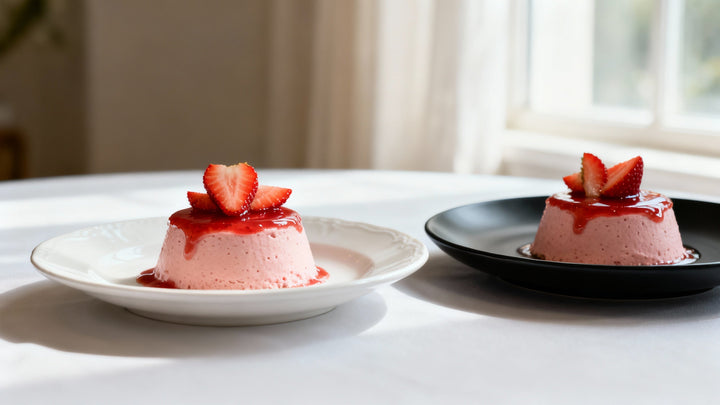
Earthy terracotta, olive, and rust tones are perfect if your cooking leans homemade and organic. Joyye and HF Coors both highlight earth colors in their trend reports, tying them to rustic, farm-to-table aesthetics. Dark matte plates in charcoal or black create dramatic contrast for light-colored foods, a look Hancers calls modern and sophisticated and that surfaces repeatedly in MD Maison and VanCasso’s trend notes.
If you share a household, make color decisions together, but not through a gendered lens. Frame questions as “Do we want our table to feel calm or energizing most days,” and “Which colors look amazing with the food we actually cook?” That conversation tends to land on combinations like sage stoneware with mustard accent bowls or white porcelain layered with cobalt salad plates, which can delight everyone.

Build a Mix-and-Match Stack
Research from HF Coors, Joyye, Dinnerware Supplier, Kim Seybert, and MD Maison converges on the same styling strategy: anchor your cabinet with a simple, timeless core, then layer in character.
A practical way to do this is to choose a base set of plates and bowls in a neutral or softly colored stoneware or porcelain. HF Coors suggests matte and speckled glazes; Kim Seybert and MD Maison talk about pure white or warm beige cores. Use this set for almost everything. Then add a few accent salad plates, pasta bowls, or statement platters in bolder colors, reactive glazes, or metallic-rimmed designs.
This mix-and-match approach mirrors how many brands curate their collections. The Good Trade profiles brands where customers often buy core sets in one hue, then add occasional pieces in limited-edition colors. Joyye notes that younger buyers prefer this flexibility, and Dinnerware Supplier describes how mix-and-match settings help people express individuality.
The beauty is that nobody at the table is stuck with a stack that feels “for someone else.” Everyone can grab the piece that sparks a little joy that day.
Let Sustainability Lead the Style
Joyye’s projections highlight sustainability as a major growth driver, and The Good Trade’s selection criteria revolve around durability, safe glazes, and eco-conscious production. Villeroy & Boch describes the broader trend as investing in handcrafted, long-lasting ceramics instead of disposable or overly fragile goods.
Look for clues like recycled clay content, energy-efficient firing, lead- and cadmium-free glazes, and brands that support heritage craft or community initiatives. The Good Trade points to Heath Ceramics firing specialized clay at lower temperatures and using around 30 percent pre-consumer recycled clay, or Material supporting food insecurity nonprofits. HF Coors emphasizes USA-made production and sustainable practices. These details matter if you want your table to tell a story of care, not just color.
Sustainability almost automatically pushes you away from gendered marketing. If you plan to keep a plate for a decade or more, it needs to feel relevant for anyone who might use it.
What If You Already Own a Very Gendered Set?
Maybe you inherited delicate pink floral porcelain or a blocky charcoal “grill master” set. The goal is not to scold your cabinets but to work creatively with what you have.
You can break up a strongly gendered set and blend the pieces into a more neutral core. Pink floral salad plates layered over simple white or stoneware dinner plates suddenly feel eclectic and charming rather than overly coded. Dark, heavy dinner plates paired with organic linen and soft-toned bowls read as cozy, not macho.
If a pattern still feels too loaded, repurpose those pieces as dessert plates, plant saucers, or wall art, and let your daily stack be the inclusive, flexible one. The research is clear that open-stock and mix-and-match strategies are on the rise; there is no rule that a twelve-piece set must stay intact.
Pros and Cons of Letting Gender Marketing Go
Moving away from gendered dishware is not only philosophically appealing; it comes with very practical upsides.
On the plus side, your dollars stretch further. When one well-chosen set serves everyone, you do not need duplicates to satisfy different style codes. Joyye’s focus on smaller sets and open stock plays directly into this. You also get more visual creativity: mix-and-match tablescapes from Kim Seybert, HF Coors, and Dinnerware Supplier show how diverse color and pattern combinations can feel cohesive when tied by a theme rather than a gender label. Sustainability gains too, because as The Good Trade and Villeroy & Boch remind us, buying fewer, longer-lasting pieces is kinder to the planet.
There are challenges. Without gender labels, some shoppers feel less guided, especially when buying gifts. They may worry that neutral or mood-driven choices will not suit the recipient. Heavily gendered patterns can also carry sentimental value; for someone who loves ultra-feminine florals or sharp, industrial looks, removing gender talk can feel like erasing part of their identity.
The answer is not to ban certain aesthetics, but to reframe them. You can absolutely choose delicate florals because they make you happy, not because they are “for women.” You can choose matte charcoal stoneware because you love bold contrast with bright vegetables, not because it is “for men.” When you detach pattern from prescription, the same pieces become tools of personal expression rather than rules to follow.
FAQ: Gender, Color, and Ceramic Dishware
Is it wrong to buy very floral or very minimalist plates if I am trying to avoid gendered choices?
Not at all. The research from Kim Seybert, MD Maison, and Design Dekko shows that florals, sculptural forms, and minimalism are all valid design languages. The key is why you choose them. If you love a floral rim because it reminds you of your grandmother’s garden, that is a personal narrative, not a stereotype. Focus on whether the pattern works with your food, your decor, and your lifestyle. If it does, it belongs at your table.
How do I pick dinnerware as a wedding gift without falling back on gender stereotypes?
Lean on the criteria Joyye, Design Dekko, and The Good Trade highlight instead of gender. Ask about the couple’s cooking habits, storage space, and color palette at home. Choose durable materials like stoneware or reinforced porcelain, neutral or softly colored cores that can layer with future pieces, and shapes that fit everyday meals. A simple, well-made set with a subtle texture or edge detail will usually outlast a heavily coded pattern in both fashion and function.
Are dark plates really practical for everyday use, or are they only for dramatic restaurant-style plating?
Hancers and MD Maison point out that dark and matte finishes are fantastic for contrast and modern style, especially with light foods. For everyday practicality, consider the type of food you cook and your tolerance for visible smudges or utensil marks. Dark plates can show streaks more easily, while light plates reveal stains more, as Design Dekko notes. Many people find a mixed stack works best, where dark plates appear in the rotation alongside mid-tone or neutral pieces.
A Joyfully Ungendered Table
If you pour all these research threads into one big serving bowl, you get a clear picture: ceramic dishware is trending toward sustainable, mix-and-match, mood-driven, and deeply personal. Gendered marketing simply does not earn its place at the table anymore.
The next time you shop for plates, imagine your table as a little stage for everyday joy rather than a costume party for outdated roles. Let color follow emotion, let materials follow your real habits, and let each piece earn its spot by how much you love reaching for it. That is where a truly colorful, inclusive tabletop begins: not with “his” and “hers,” but with the delicious, delightful “ours” you build together.
References
- https://www.bonappetit.com/story/dinner-party-ceramics?srsltid=AfmBOoojNLULzJ6YqvwDLsLKDn2evhQps-v--qnqBdwD8PF8pdJWNsXP
- https://www.carawayhome.com/blog/ceramic-plates-ideas
- https://www.designdekko.com/blog/how-to-select-a-dinnerware-set-that-matches-your-home-decor
- https://www.dinnerwaresupplier.com/blog/what-are-the-trends-in-ceramic-dinnerware-design-1484680.html
- https://hosen28.com/ultimate-guide-to-ceramic-tableware-materials/
- https://www.joyye.com/info-detail/consumer-preferences-in-ceramic-dinnerware-styles?requestId=
- https://mdmaison.com/blog/modern-dinner-plates-the-best-contemporary-designs-for-the-best-dining-experience
- https://www.xhceramics.com/news/what-to-look-for-when-buying-ceramic-dinnerware.html
- https://coton-colors.com/blogs/toast-the-blog/a-buyer-s-guide-what-to-look-for-in-everyday-dinnerware?srsltid=AfmBOor_NGTyKDHA9aBaijWRhCwSZbJD-Z4roggbFO9nPGwupX_zcYSN
- https://www.crateandbarrel.com/dining-and-entertaining/dinnerware-collections/