



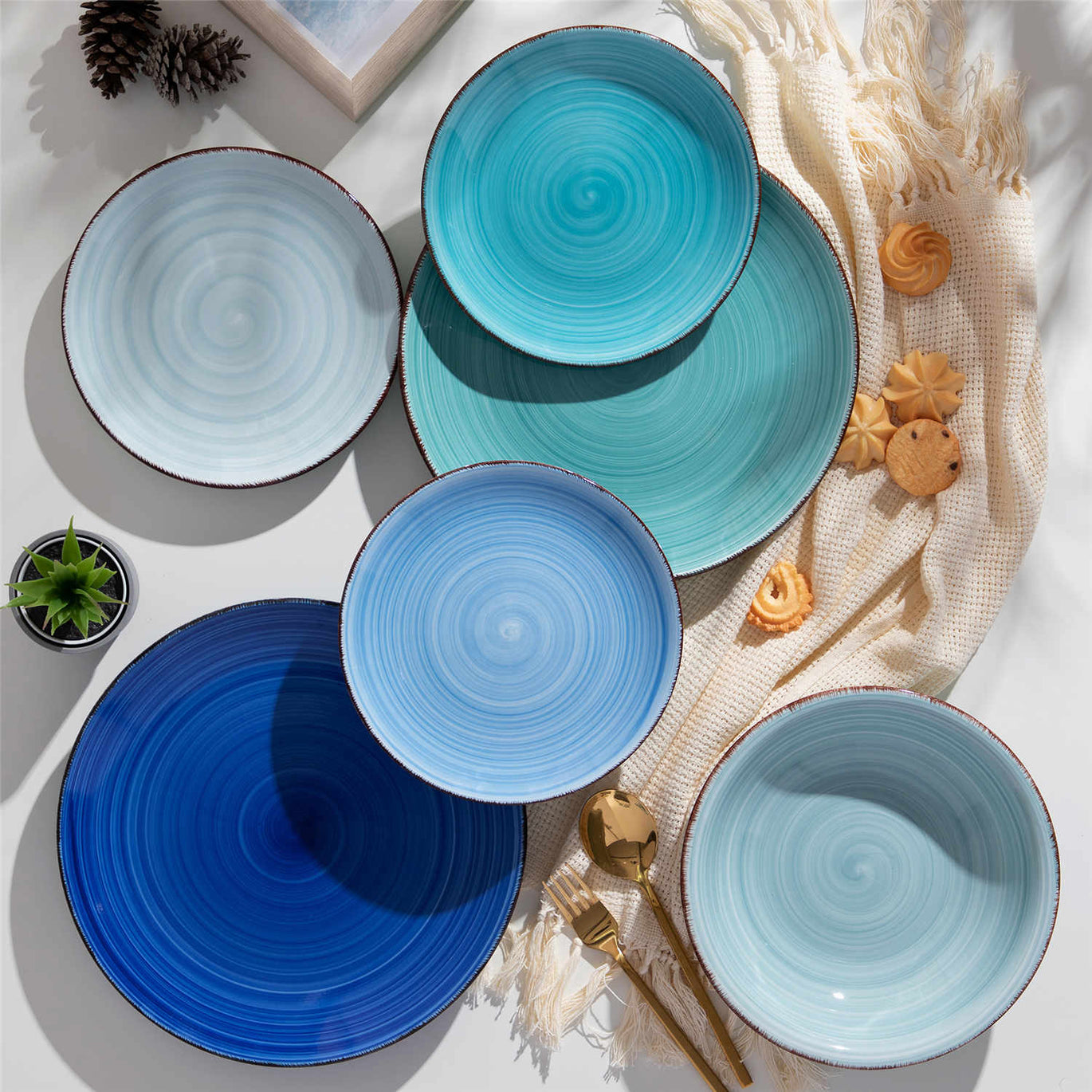


The Importance of Fragrance-Free Ceramic Dinnerware for Children

When you think about your child’s plate, you probably picture color, portion size, maybe even whether it’s divided into neat little sections. But there is another quiet detail that shapes every bite: smell. Not just the aroma of dinner, but the invisible cocktail of leftover soap scent, plastic odor, and warm food mingling on the surface.
As someone who lives at the intersection of family life and tabletop design, I’ve learned this the messy, tomato-sauce-on-the-sleeve way. When we switched our kids from bright plastic plates to fragrance-free, high‑fired ceramic dinnerware, their mealtimes changed. The food finally smelled like food again. The table felt calmer, more “real,” and surprisingly, they ate better. Underneath the aesthetics is a solid body of research showing why this shift matters, especially for children.
In this guide, we’ll explore why fragrance-free ceramic dinnerware is such a powerful upgrade for kids’ health, sensory experience, and everyday joy at the table.
Why the Smell of a Plate Matters More Than You Think
Every meal is a sensory event. Children don’t just see their food; they touch it, smell it, listen to the clink of forks, and notice the weight and temperature of their dishes. For many kids, smell is the first filter: if a dish smells “off,” they are halfway to “no thank you” before they even taste it.
Several child health and dinnerware experts now emphasize that plates, cups, and bowls are part of the health environment, not just neutral background props. Brands like Wellthya describe how low-quality plastics and melamine can leach chemicals and microplastics into hot or oily foods, even at low levels, subtly altering both flavor and smell while stressing a child’s developing immune system. The Children’s Environmental Health Network notes that children eat more food and drink more liquids per pound of body weight than adults, so any chemical migration from dishes hits them harder.
On top of that chemical story sits the fragrance story. Scented dish soaps, heavily perfumed detergents, and porous materials that cling to previous meals all contribute to a “ghost smell” on the plate. One guide written for professional perfumers by Vancasso Tableware points out that truly odor-neutral dinnerware must be nonporous and cleaned with fragrance-free, pH-neutral soap. Otherwise, residual scent can distort aroma-sensitive work.
If perfumers worry about soap smells on plates, imagine how big those smells feel to a sensory-sensitive toddler who already thinks broccoli is suspicious. Fragrance-free ceramic dinnerware respects the child’s senses: the plate itself fades into the background so that food can take center stage.
From Plastic to Porcelain: What We Now Know About Dinnerware and Kids’ Health
For years, many of us reached for plastic and melamine because they were marketed as kid-proof: bright, unbreakable, and “BPA-free.” But evidence gathered by organizations focused on children’s environmental health paints a more complicated picture.
Plastic and melamine: colorful but complicated
The Center for Environmental Health has raised concerns about melamine dishware for children, explaining that melamine is a hard plastic made from a chemical that, in high doses, is clearly toxic. They highlight the infamous baby formula scandal where melamine adulteration led to severe kidney damage in infants. Research shows that even at much lower doses, melamine can leach from dishes into food, especially with hot or acidic meals.
The Children’s Environmental Health Network goes further with practical advice. They explain that heating plastic or melamine in a microwave, adding piping hot food to these dishes, or using them with acidic foods like tomato sauce and citrus all increase the movement of chemicals into food. They recommend discarding scratched, chipped, or warped plastic pieces and, importantly, suggest transitioning to safer materials such as stainless steel, ceramics, and glass as soon as families can.
Other advocates, including LittleKind and Mamavation, map out a broader chemical landscape. They describe how plastics and some coatings can carry endocrine disruptors like BPA, BPS, and phthalates, as well as other concerning substances such as PFAS in stain-resistant finishes. Even items labeled “BPA-free” are not always problem-free; some BPA substitutes behave similarly in the body. These chemicals are linked with hormonal disruption, developmental issues, and long-term health risks, particularly when exposure begins early in life.
Heavy metals in glazes: the hidden risk in some ceramics
Ceramic is not automatically safe just because it is ceramic. Safety depends heavily on glazes and firing. The perfumer-focused article from Vancasso Tableware notes that lead and cadmium risks come mostly from glazes and decorative paints, particularly bright reds, oranges, and yellows. They cite consumer testing where about one in five ceramic dishes contained harmful levels of lead, with older and imported items posing the highest risk.
Similarly, non-toxic dinnerware guides highlight that vintage or decorative ceramics, especially pieces with bold interior patterns, metallic rims, or unknown glazes, may leach heavy metals into food. Public health agencies emphasize there is no known safe blood lead level for children, so even low, chronic exposure is considered problematic.
The good news is that modern, certified ceramic dinnerware from reputable manufacturers can be very safe. Companies like HF Coors and Emerson Creek Pottery emphasize their lead-free clays and glazes, testing to meet US food-safety standards, and marketing their dishes as non-toxic, microwave-safe, and dishwasher-safe.
Why many experts now steer families toward safer materials
Across these sources, a clear pattern emerges. Health-focused organizations and brands consistently recommend reducing or avoiding:
- Melamine and most plastics for hot or acidic foods.
- Low-cost, poorly documented ceramics with unknown glazes.
- Vintage or heavily decorated dishes that may contain lead or cadmium.
They point parents instead toward stable, non-reactive materials: high-quality stainless steel, tempered glass with protective sleeves, and well-tested, lead-free ceramic and porcelain. Within that safer circle, high-fired ceramic stands out as uniquely well-suited for fragrance-free, sensory-friendly kids’ meals.

What Makes Ceramic Dinnerware Special
Non-toxic, non-porous, and wonderfully inert
Modern, high-fired ceramic dinnerware is made from natural materials like clay and minerals, fired at very high temperatures. HF Coors and Saje Rose both describe how this process vitrifies the ceramic body, creating a dense, glass-like surface that is non-porous and resistant to absorbing liquids, odors, and stains. That non-porous quality is crucial for hygiene and for maintaining a neutral taste and smell.
When ceramic is properly glazed and certified food-safe, it does not leach chemicals into food the way certain plastics, low-fired earthenware, or poorly formulated glazes can. HF Coors emphasizes that their vitrified ceramic is completely lead-free, non-porous, and safe for ovens, broilers, microwaves, dishwashers, and freezers, making it reliable for everyday family use.
Safety checks still matter. Mamavation and similar guides remind consumers to look for clear claims like “lead-free” and “cadmium-free” from reputable brands, and to be cautious with older, imported, or heavily decorated ceramics. But within that vetted category, ceramic is one of the most inert, food-friendly materials available.
The fragrance-free factor: truly neutral surfaces
The perfumer’s perspective from Vancasso Tableware is particularly interesting when we think about children. They point out that porcelain and fully vitrified stoneware, fired at very high temperatures, are essentially non-absorbent and highly odor-neutral when glazes are intact. These materials do not soak up detergent smells or leftover food odors the way porous earthenware or some plastics can.
For perfumers, this odor neutrality is non-negotiable. Any ghost scent from a plate can skew the evaluation of fragrance or flavor. To maintain that neutrality, Vancasso recommends fragrance-free, pH-neutral dish soaps and gentle cleaning methods; harsh detergents or perfumes can leave their own scent behind or damage the glaze over time.
Translate that to a child’s world, and the benefit is easy to recognize. A fragrance-free ceramic plate gives you a pure stage for the smell of applesauce, pasta, or curry, instead of a confusing overlay of lemon-lavender dish soap and yesterday’s tomato sauce.
How ceramic compares to other kids’ dinnerware materials
Here is a simplified comparison based on the research from HF Coors, Vancasso Tableware, Wellthya, the Center for Environmental Health, and others:
Material |
Chemical safety for kids (with proper choices) |
Fragrance behavior and odor retention |
Practical notes for families |
High-fired lead-free ceramic |
Very good; inert when certified lead-free and cadmium-safe |
Excellent; non-porous, essentially odor-neutral with fragrance-free care |
Durable, microwave- and dishwasher-safe; breakable, so best with supervision for younger kids |
High-quality stainless steel |
Excellent; inherently free of BPA, phthalates, melamine, and lead |
Very good; metal can impart slight taste for some, but no fragrance retention |
Nearly unbreakable; great for hot foods; cannot be used in the microwave |
Silicone (food-grade, well-tested) |
Mixed; can be safe when pure and tested, but quality varies and some products add fillers |
Fair; tends to absorb soap or essential oil smells |
Flexible, unbreakable; great for babies, but needs careful detergent choice and brand vetting |
Plastic/melamine |
Poor for hot or acidic foods; associated with BPA, BPS, phthalates, melamine leaching |
Poor; can retain odors and release plastic smell, especially when heated |
Lightweight and cheap but increasingly discouraged by health advocates for children’s meals |
Ceramic is not the only safe material, but it is one of the few that combines chemical stability, odor neutrality, heat resistance, and visual beauty in one package.
Why Fragrance-Free Ceramic Matters Specifically for Children
Supporting picky eaters and sensory-sensitive kids
If you have ever watched a child smell a plate before deciding whether to eat, you know that kids are natural little perfumers. Strong artificial fragrances from dish soap or lingering plastic odors can easily overpower the delicate aroma of real food, especially for picky eaters and children with sensory sensitivities.
Because high-fired ceramic is non-porous and essentially scentless when properly cleaned, it offers a calm, predictable sensory baseline. When you pair those plates with unscented or fragrance-free dish products, the smell in front of your child comes mostly from the meal you made, not the plate or soap. This can make it easier for kids to trust new foods, explore flavors, and notice subtle differences in texture and aroma.
LittleKind and Childish both emphasize that non-toxic, “real” dinnerware can help children feel included in family life rather than separated into a world of disposable, overly “kiddie” gear. Giving them a beautiful, real ceramic plate says, “You belong at this table with us,” which often does more for adventurous eating than any sticker chart.
Reducing total chemical exposure without fear-based thinking
Wellthya and the Center for Environmental Health explain that small doses of chemicals from dinnerware—BPA, phthalates, melamine, and heavy metals—do not always cause immediate, obvious reactions. Instead, they can quietly accumulate in the body over years. Children are uniquely vulnerable because their organs and brains are still developing and because they get more exposure per pound of body weight.
Moving to fragrance-free ceramic dinnerware is not about panicking over every snack. It is about choosing dishes that are as non-reactive and neutral as possible so that your child’s limited “exposure budget” is not spent on plates, cups, and bowls. By removing both unnecessary fragrance and leachable chemicals from the dinnerware side of the equation, you simplify the landscape for their growing bodies.
This is pragmatic, not perfectionist. It pairs beautifully with other sensible habits: avoiding microwaving food on plastic, retiring damaged dishes, and choosing materials like stainless steel and tempered glass in situations where ceramic might not be the best fit.
How to Choose Safe, Fragrance-Free Ceramic Dinnerware for Your Family
What “fragrance-free ceramic” actually means
Fragrance-free ceramic is really a combination of two things. First, the material itself is non-porous, food-safe ceramic—typically porcelain or fully vitrified stoneware—fired at high temperatures and finished with non-toxic, lead-free glazes. Second, the way you clean and store it avoids adding new scents, especially strong perfumes.
The perfumer guide from Vancasso Tableware recommends fragrance-free, pH-neutral soaps for washing ceramic so that dishes remain odor-neutral. For silicone dinnerware, Ashley Alexis notes that strong dish soaps with essential oils can leave a persistent smell in the material. While ceramic is less absorbent than silicone, scented detergents can still leave a noticeable fragrance film, especially for sensitive noses.
In practice, fragrance-free ceramic dinnerware for children means:
You choose modern, lead-free ceramic plates and bowls from reputable makers, ideally ones that clearly state their safety testing.
You wash them with unscented or very mildly scented dish soaps, avoiding heavy fragrances and essential oils designed to cling.
You let them dry fully so there is no damp, musty smell trapped in cupboards.
The result is a plate that smells like nothing, which is exactly what you want.
Safety checkpoints: glaze, lead, and manufacturing
Not all ceramic dinnerware is created equal, and this is where the pragmatic side of joyful table styling kicks in. Guides from HF Coors, Emerson Creek Pottery, Mamavation, and Vancasso Tableware converge on a few sensible checkpoints when buying ceramic for kids:
Look for clear language like “lead-free,” “cadmium-free,” and “food-safe glaze,” ideally from brands that also mention compliance with regulations such as US Food and Drug Administration standards or California’s Proposition 65.
Prefer high-fired porcelain or vitrified stoneware over low-fired earthenware for everyday kids’ plates. Earthenware is more porous and more likely to absorb stains and odors.
Be cautious with vintage, imported, or heavily decorated ceramics, especially those with bright red, orange, or yellow glazes, metallic rims, or patterns on food-contact surfaces. These are more likely to contain lead or cadmium, especially if they predate modern regulations.
Inspect dishes regularly and retire any that are chipped, cracked, or crazed (fine surface crackling). Damaged glazes can harbor bacteria and increase the chance of metals leaching into food.
When you stick with modern, certified, high-fired ceramic and follow these simple checks, you gain the benefits of a material that is both safe and delightfully sensory-neutral.
Everyday care that keeps plates odorless and kid-ready
Once you have chosen the right ceramic, daily care is surprisingly straightforward. Drawing on advice from HF Coors, Saje Rose, and the perfumer-oriented Vancasso piece, a fragrance-free routine might look like this:
Wash ceramic plates with warm water and a gentle, fragrance-free or barely scented dish soap. Avoid harsh alkaline cleaners, bleach, or heavy perfumes that can leave residues or slowly wear down the glaze.
Use soft cloths or sponges rather than abrasive scrubbers to protect the glaze’s smooth surface. A smooth glaze is easier to clean and less prone to trapping odors or bacteria.
Let plates dry thoroughly, either air-drying in a rack or towel-drying, before stacking them. Storing them while damp can encourage musty smells and, in porous earthenware, even mold growth.
For the occasional stubborn smell, the Vancasso article suggests rewashing with hot water and a degreasing soap, then using neutral odor remedies like a baking-soda paste or a short soak in warm water with a bit of white vinegar, followed by very thorough rinsing. These methods help remove lingering food fats without replacing one strong smell with another.
Avoid extreme temperature shocks—like taking a hot ceramic dish straight into cold water—since this can cause cracking or micro-damage that eventually affects both durability and safety.
The goal is simple: keep the surface intact, clean, and scent-free so that every meal starts with a blank slate.
Age-and-stage tips for using ceramic with kids
One common concern parents have is breakage. Ceramic is sturdy, but it is not unbreakable. Several child-focused ceramic brands actually see this as a benefit. Emerson Creek Pottery and Childish both argue that using real, breakable dishes helps teach children respect for objects and participation in “real” family life, as long as adults supervise and set realistic expectations.
At the same time, safety and practicality matter. The Children’s Environmental Health Network suggests that ceramic and glass are especially good options once the plate-throwing phase has passed. Wildini, a ceramic mug maker for kids, notes that well-designed, child-sized ceramic mugs can be used successfully by children as young as two to six years old when they are guided and given pieces that fit their hands.
Here is a balanced, age-aware approach grounded in these insights:
For babies and very young toddlers who are deep in the tossing and banging stage, you might lean on safer, non-toxic silicone or stainless-steel options, while already keeping those items fragrance-free to protect their senses.
As children move into a more predictable stage, introduce one or two child-sized ceramic pieces at calm meals when you can sit close and model how to carry, set down, and care for them. Brands like Childish pair ceramic plates with removable silicone bases for extra grip, blending stability with the benefits of ceramic.
By preschool and early elementary years, many children can thrive with ceramic as their main dinnerware, especially when you choose designs with slightly raised rims, comfortable weight, and colors or illustrations that make them excited to use their “real” plate.
Throughout, the shared message from non-toxic and ceramic-focused brands is that children do not need flimsy, overly “kiddie” dishes to be safe. They need safe materials, reasonable supervision, and age-appropriate design.

A Mini Ritual: Setting a Fragrance-Free, Color-Happy Kids’ Table
Imagine a Tuesday night table. You set down a smooth, lead-free porcelain plate in a soft mint or sunshine yellow. The plate feels pleasantly cool and neutral in your child’s hands. It smells like nothing at all, because you washed it with fragrance-free soap and let it dry fully.
Next to it sits a stainless-steel cup with a silicone sleeve in a bold rainbow stripe, echoing the colors on the plate without overwhelming it. The food goes down: warm tomato pasta, bright peas, perhaps a simple salad. The steam rises and the only aroma in the air is dinner itself, not plastic, not detergent, not yesterday’s leftovers.
Your child leans in and smells basil, tomato, and cheese. The plate is quiet, but the food sings. This is what fragrance-free ceramic dinnerware does best: it gets out of the way so your child’s senses can connect directly with the meal and the moment.
FAQ: Fragrance-Free Ceramic for Curious Parents
Are all ceramic plates naturally fragrance-free?
Not automatically. High-fired porcelain and vitrified stoneware that are lead-free and properly glazed are essentially odor-neutral when clean. However, low-fired earthenware, damaged glazes, or plates washed with heavily scented detergents can hold onto smells. Choosing modern, certified dinnerware and washing it with fragrance-free, pH-neutral soap is what keeps ceramic truly fragrance-free.
Is it safe to let young children use ceramic dinnerware?
With the right pieces and supervision, yes. Child-focused ceramic brands and potteries note that sturdy, child-sized ceramic dishes can be used successfully even by young kids when adults are present to model and guide. Health organizations suggest waiting until the intense throwing phase has eased before relying on ceramic and glass, but emphasize that these materials are safer than plastic and melamine in terms of chemical exposure once children are ready.
Do I really need fragrance-free dish soap, or is that overkill?
If your goal is a neutral-smelling plate, fragrance-free or very lightly scented dish soap is a smart choice. Perfumers and ceramic specialists recommend unscented, pH-neutral soaps to keep dishes odorless and protect glazes. Strong perfumes and essential oils can cling, especially to porous materials and silicone, and may leave a noticeable smell that competes with food. For a child who is sensitive to smell or picky about textures, that small change in soap can make a meaningful difference.
Fragrance-free ceramic dinnerware is not about making mealtime fancy; it is about making it honest. A clean, safe, odorless plate lets the real stars of the show—your child, your cooking, your shared stories—shine through. When you pair high-fired, lead-free ceramics with gentle, unscented care, you create a tabletop that is both artful and deeply practical: a joyful, neutral canvas where your child can taste, smell, and grow with confidence.
References
- https://www.cdph.ca.gov/Programs/CCDPHP/DEODC/CLPPB/Pages/Q-A-Lead-in-Tableware.aspx
- https://cehn.org/oh-me-oh-my-melamine-tips-to-reduce-chemical-leaching-from-plastic-plates/
- https://ceh.org/yourhealth/melamine-kid-dishes/
- https://ahimsahome.com/pages/evidence?srsltid=AfmBOoqsf_gvVm99UDIqd8xTu2YJ0cvjYX4TKuRFjgAm2xeOIQNegmgM
- https://ashleyalexiscreative.com/non-toxic-dinnerware-that-kids-and-parents-will-love/
- https://www.babycutlery.com/why-baby-tableware-should-be-free-of-bisphenol-a-bpa/
- https://emersoncreekpottery.com/switch-to-lead-free-dishes-for-a-safer-mealtime-for-your-family/?srsltid=AfmBOooQaaJJ7ubM6tI3CSInTjh14uqEtZlPDP-cpNwHtuD7wknxDuIo
- https://www.healthierhomes.com/post/what-is-the-safest-lead-free-dinnerware?srsltid=AfmBOoo3yD7pptGxxM4qVXfSlY3lUEk1K9jgilGy-YPzGcjs81K6lx1j
- https://joyye.com/info-detail/kid-friendly-tableware-that-parents-will-love-too
- https://mamavation.com/product-investigations/safest-dishes-non-toxic-dinnerware-guide.html
También te puede interesar
Stern Juego de vajilla de 16 piezas
- Desde €67,95
€90,95- Desde €67,95
- Precio unitario
- por
-
Blue
-
Green
-
Red
-
Grey
Bonita Juego de vajilla de 18 piezas
- Desde €56,95
€70,95- Desde €56,95
- Precio unitario
- por
-
Blue
-
Multicolor
Simi Juego de vajilla de 24 piezas
- €90,95
€121,95- €90,95
- Precio unitario
- por
Starry 16 Piece Juego de vajilla
- €69,95
€81,95- €69,95
- Precio unitario
- por
-
Blue
-
Green
-
Red
-
Gradient Green