



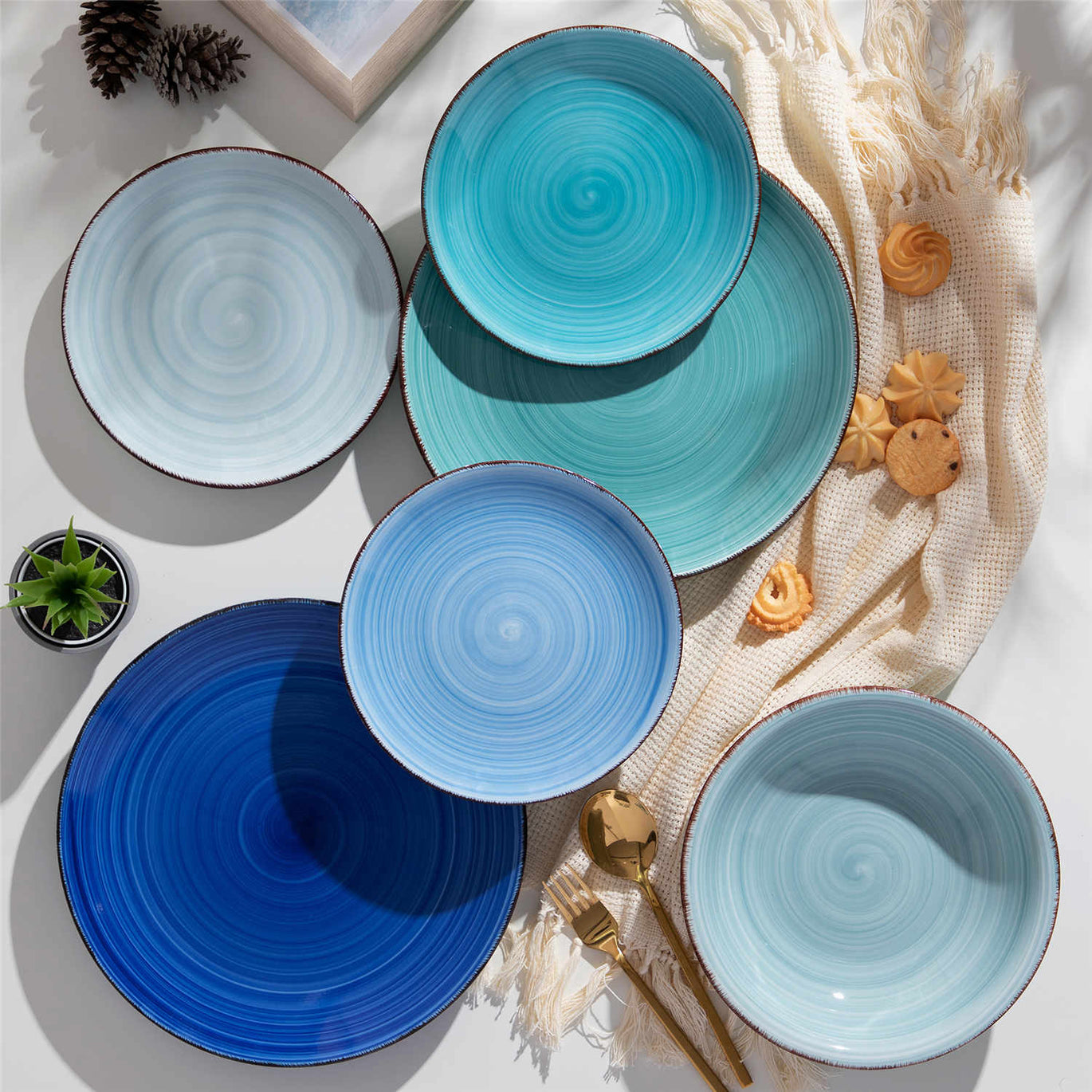


The Influence of Feminine Design in Ceramic Tableware Trends

Why Soft, Stylish Plates Are Quietly Reshaping the Table
Set a scalloped blush plate on a wooden table, add a reactive-glaze stoneware bowl in sage, and suddenly even a Tuesday salad feels like a story. That tiny mood shift is exactly where feminine design in ceramic tableware is doing its quiet, powerful work.
In my studio, where sample plates are stacked higher than my pantry snacks, I see this every week. Hosts come in talking about “just needing new dishes,” then light up when they touch a shell-shaped platter or a floral porcelain coupe plate edged in gold. The reaction is emotional first, practical second.
The data backs up what I see at the table. A 2025 color-and-style study from Vita Joy found that close to three-quarters of consumers now factor tableware appearance into buying decisions, up from about three-fifths in 2020. A Global Tableware survey cited by Yongjian Ceramics reports that roughly three-quarters of diners say tableware design affects their perception of meal quality, and that upgrading tableware can raise hotel and catering customer satisfaction by about one-third. Meanwhile, the global ceramic dinnerware market is projected to grow from about $12.4 billion in 2024 to $22.2 billion by 2034, with sustainable ceramic categories growing into the hundreds of billions of dollars according to JOYYE’s market analyses.
Feminine design is one of the strongest currents inside that growth. It shows up in the rise of organic shapes, scalloped edges, reactive glazes, pastel and earth-tone palettes, heritage florals, and the whole “girl dinner” culture of intentional, connection-first evenings. Let’s unpack what “feminine” actually means in ceramic tableware today, where it is driving trends, and how to use it in ways that feel artful and still very functional.

What “Feminine Design” Really Means at the Table
When I say “feminine design,” I do not mean tableware that only women should use or that leans into clichés. In current ceramic trends, feminine design is more about qualities than gender.
On a practical level, research briefs and marketplace snapshots point to a few shared traits. Etsy data around “feminine dinnerware” highlights soft color stories, floral or botanical motifs, delicate patterns, and romantic or whimsical details. Materials-of-Love and Vancasso trend guides describe similar features in nature-inspired and pastel palettes, wavy edges, and hand-painted details that celebrate imperfection.
Conceptually, feminine design in tableware tends to express:
Softness rather than severity. Think curves, scalloped rims, and organic silhouettes instead of stark, rigid geometry. MALACASA’s profiles of scalloped and organic plates show how those wavy, nature-inspired edges immediately change the table’s mood.
Detail rather than anonymity. Feminine pieces often carry botanical patterns, lace-like borders, or carefully placed decals. The Rococo Revival trend spotlighted by Kim Seybert and luxury dinnerware forecasters brings delicate florals, scalloped edges, and gold accents back into play, but with modern color updates.
Emotion rather than neutrality. Catalonia Plates frames dinnerware as an intimate, everyday object that reflects your personality and values. Feminine designs lean into sentiment and storytelling, whether that is heirloom china used for Sunday dinners or hand-painted stoneware that looks like an artist’s sketchbook.
Nurture rather than pure performance. The emerging “girl dinner” culture MALACASA describes is all about connection, decompression, and sisterhood. The tableware choices there, from blush porcelain to relaxed mix-and-match ceramics, are designed to cradle that feeling.
In other words, feminine design in ceramics is a visual language of care, softness, pleasure, and memory. It can be pastel and floral, but it can also be deep jewel-toned and dramatic as long as it keeps those emotional qualities in play.
From Markets to Mood: Why Feminine Tableware Is Rising Now
Several big shifts in how we live and dine are pushing feminine ceramic design to the forefront.
First, dining has become visual storytelling. Vita Joy’s research connects the jump to about three-quarters of consumers caring about tableware aesthetics with social platforms like Instagram and TikTok. Restaurants that adopted bold plate colors saw roughly a one-fifth bump in Instagram posts featuring their dishes. Joyye’s trend report for retailers also notes how “Instagram-worthy” tableware with bold patterns, interesting textures, and sculptural shapes is now a strategic design decision, not a nice extra.
Second, home dining has become a lifestyle hobby. JOYYE’s consumer preference brief points to social-media-driven “foodie” culture and post-pandemic home dining as key drivers for ceramic dinnerware growth. People are investing in smaller sets, open-stock pieces, and mix-and-match flexibility. That shift gives feminine design space to flourish, because you no longer have to buy a single formal pattern for life. You can add a pair of scalloped dessert plates or a reactive-glaze platter that feels indulgently pretty and see how it changes everything.
Third, sustainability is entwined with softness. Materials-of-Love and JOYYE both emphasize nature-inspired palettes, wabi-sabi imperfection, organic shapes, and eco-conscious materials like recycled ceramics and bamboo. The sustainable ceramic tableware market alone is expected to grow from around $102 billion in 2024 to about $145.5 billion by 2030. Those design choices—matte, earthy, textured—are frequently coded as “softer” and more feminine than glossy, high-tech looks.
Finally, hospitality and brands are treating tableware as a “silent salesperson.” Yongjian’s 2025 design trend guide positions ceramic pieces as scenery artworks on the table and key carriers of brand image. When a hotel chooses a shell-shaped plate in terracotta with a reactive glaze, that is a deliberate choice to signal warmth, care, and “we thought about this,” all hallmarks of feminine design language.

The Aesthetic DNA of Feminine Ceramic Design
Color Stories: Pastels, Earth Tones, and Dopamine Brights
Color is the fastest way to feel the feminine shift at the table. Vita Joy reports that neutrals such as ivory, taupe, beige, and matte gray still make up nearly half of global tableware sales. Those neutrals are the quiet backbone, but they are increasingly joined by softer, more emotionally expressive hues.
Vancasso’s palette research and fashion-to-table analyses identify tones like blush pink, warm butter yellow, soft beige, and natural browns as the core of a “quiet luxury” movement. These colors feel like knitwear and candlelight translated into glaze. Materials-of-Love highlights terracotta, muted greens, sandy beiges, and deep ocean blues as nature-inspired anchors, with wabi-sabi textures adding depth.
On the bolder side, dopamine décor shows up in ceramic palettes through tomato reds, saturated greens, and vivid citrus tones. Vita Joy notes that terracotta orange and sage green saw strong sales growth, while Vancasso cites bright accent palettes like Tangerine Disco and Neon Shock as highly expressive but best used sparingly.
Color psychology studies summarized by GetServeware and Vancasso explain why these feminine-leaning colors work so well. Greens signal freshness and vitality, pinks feel playful or romantic, golds and rich browns feel comforting and luxurious, while blues bring calm and coastal ease. The most effective feminine tables balance a base of calm neutrals with one or two of these emotional hues. Imagine a sandy-beige stoneware dinner plate under a blush salad plate, with a sage reactive-glaze bowl on top. The mood is undeniably soft, but the food still pops.
Curves, Scallops, and Organic Forms
Shape is where feminine design really flexes. MALACASA’s guide to plate shapes traces how coupe, rimmed, scalloped, and organic plates signal different aesthetics. Scalloped plates, with their wavy, almost petal-like edges, immediately add a sense of liveliness and romantic flair. Organic plates, with irregular outlines and nature-inspired forms, bring uniqueness and a handcrafted feel.
Across trend reports from Kim Seybert, Materials-of-Love, and JOYYE, there is a clear move away from rigid symmetry and strict circles. Organic, asymmetrical shapes and non-round forms are highlighted as key 2025 trends. HKLIVING’s shell-inspired collection plays with exactly this language, using irregular shell shapes for platters, bowls, and plates that look like they were discovered on a beach walk.
From a practical point of view, these feminine curves do more than look pretty. They frame food in interesting ways, create shadows and highlights on the table, and make humble dishes feel composed. In my own styling work, even a simple pasta looks more intentional in an organic coupe bowl than on a perfectly flat, sharp-edged square plate.
Motifs and Surface: Florals, Reactive Glaze, and Wabi-Sabi Texture
If color and shape are the outline, surface and motif are the handwriting of feminine design.
Rococo Revival, called out in dinnerware trend forecasts, brings back delicate florals, scalloped edges, and gold accents in a contemporary way. Brands like Hermès and Versace Home are cited for combining hand-painted artwork with metallic details so that a single plate feels like a piece of jewelry. Kim Seybert’s collections echo this with brush-painted motifs and gently curved rims that turn each place setting into a little vignette.
At the same time, reactive glazes and textured finishes add a more organic feminine energy. CHANGSHA HAPPY GO DIN and JOYYE describe reactive glaze stoneware as using kiln chemistry to create variegated, non-uniform patterns. Those speckles, runs, and color blooms look almost like watercolor washes or weathered seashells. Materials-of-Love frames this “imperfectly perfect” wabi-sabi look as a key aesthetic, with slightly uneven edges, hand-painted details, and variations in glaze that celebrate the maker’s hand.
This is where feminine design meets tactile pleasure. Matte stoneware with a soft, speckled surface, a rim that dips just slightly, and a glaze that pools around the edge invites touch in a way that glossy, flawless white never quite does. According to World Market’s overview of ceramic dinnerware, stoneware’s higher chip resistance and rustic texture make it ideal for everyday use. When combined with feminine motifs like subtle florals or embossed lace patterns, you get pieces that are both durable and tender.
Storytelling and Sentiment at the Table
Feminine design also lives in how tableware tells stories. Catalonia Plates describes dinnerware as an intimate mirror of personality: minimalists gravitate toward sleek white porcelain, bold hosts toward expressive patterns and color, sentimentalists toward heirloom china, and free spirits toward mix-and-match.
Vintage or heirloom pieces are classic feminine heroes. They embody slow living and rituals like Sunday dinners or afternoon tea. When you stack a contemporary matte stoneware dinner plate under your grandmother’s floral dessert plate, you are doing exactly what Kim Seybert and Materials-of-Love recommend: layering contemporary and vintage to create a “collected” look with narrative depth.
Other brands tap narrative directly. The Decor Kart is cited as using tableware to tell generational stories, while Yongjian positions artistic ceramic pieces with abstract glazes and geometric motifs as tabletop artworks that attract attention and hold memory. Feminine design leans into these narratives rather than hiding them. It says, “Yes, this plate has a story; let it show.”

Feminine Design Across Ceramic Materials
Stoneware: Earthy, Feminine Strength
Stoneware is the workhorse of modern feminine tables. JOYYE defines it as a ceramic fired at roughly 2,100 to 2,300°F, resulting in a non-porous, scratch-resistant, heavier body with rustic, often speckled finishes. Consumers prize it for durability, strong heat retention, and mid-to-high price positioning that still feels attainable for family households.
Trend reports from Kim Seybert and Materials-of-Love show stoneware anchoring farmhouse, bohemian, and nature-inspired looks with matte or reactive glazes in terracotta, sage, and ocean blues. When you see an earthy, speckled plate cradling a salad, you are looking at the gentle, grounded side of feminine design: resilient but soft, practical but soulful.
Porcelain and Bone China: Delicate Looks, Real-World Resilience
Porcelain and bone china carry the classic vision of femininity: fine, translucent, bright white surfaces with delicate motifs. Kim Seybert’s guides and World Market’s material overview describe porcelain as smooth, glossy, lightweight, and refined, highly resistant to moisture and staining, suitable for both casual and formal settings. Bone china, with its bone ash content, is extremely strong yet thin and warm-toned, long associated with fine dining but reimagined in modern designs.
Luxury trends for 2025 spotlight bone china and updated white china with sculptural, matte surfaces alongside Rococo Revival florals and French country motifs in new colorways. These materials are ideal when you want a feminine, romantic table that can still stand up to frequent use. They give you the dressy, “special” feel of a girl dinner done in candlelight, yet they remain dishwasher-friendly and resilient in daily life when chosen well.
Sustainable and Recycled Ceramics: Eco-Softness
Sustainability is one of the most important buying criteria for younger consumers according to JOYYE’s consumer preference research. Sustainable ceramic tableware, with its focus on reduced water and energy use, non-toxic glazes, and recyclable or long-lived pieces, is forecast to grow from about $102 billion in 2024 to roughly $145.5 billion in 2030.
This category often expresses feminine design through natural, undyed finishes and raw textures. Materials-of-Love highlights bamboo and recycled materials paired with matte surfaces and earth tones. Vita Joy notes that earth-toned tableware made from recycled ceramics saw double-digit annual growth, with more than one-quarter of neutral collections now incorporating eco-friendly content.
These eco-soft pieces usually lean toward wabi-sabi aesthetics: soft edges, visible throwing rings, subtle glaze pooling. They are the visual equivalent of a linen dress or a handwoven throw, bringing a calm, nurturing energy to the table.
How Feminine Design Is Reshaping 2025 Tabletop Trends
Mix-and-Match, Not Matchy-Matchy
A major 2025 storyline in multiple sources, including Kim Seybert, JOYYE, and Materials-of-Love, is the move away from perfectly matched sets and toward eclectic, personalized collections. Smaller sets, open-stock purchasing, and deliberate mixing of shapes, patterns, and materials are now the norm.
This is a deeply feminine shift. Instead of a single patriarchal “good china” pattern, you get a wardrobe of pieces that let you express mood and personality like outfits. A neutral stoneware dinner plate can meet a scalloped floral salad plate, a geometric dessert plate from Caskata’s Geometrics collection, and a shell-shaped bowl from HKLIVING, all united by a shared color story.
Kim Seybert recommends using a dominant palette then layering florals, stripes, and abstract prints within that color story. Materials-of-Love echoes this advice: mix bold patterned items with solid basics and nature-inspired textures for dynamic yet cohesive tables. Feminine design thrives in this mix, because it gives you permission to combine sweet florals with graphic lines, glossy porcelain with matte stoneware, and heirloom teacups with ultra-modern chargers.
Instagram-Worthy, Emotion-First Tables
Social media’s influence shows up clearly in both JOYYE’s and Vita Joy’s analyses. Pieces that photograph well, with strong contrast, interesting silhouettes, and tactile surfaces, are driving sales. Bold plates in cobalt blue or sunflower yellow increased restaurant visibility on Instagram by more than one-fifth in Vita Joy’s sample.
Feminine design meets that brief beautifully. A blush coupe plate with a gold rim, a deep sapphire organic bowl with reactive glaze, or a stack of terracotta and sage plates layered by size creates a very shareable image. The “girl dinner” concept highlighted by MALACASA, where women gather intentionally for storytelling and memory-making, leans heavily on these expressive sets. The table becomes a co-star in the experience, not just background.
Hospitality and Brand Storytelling
In hospitality, feminine tableware is not about making things “cute”; it is about elevating perceived quality and crafting memorable experiences. Yongjian’s survey indicates that more than three-quarters of consumers report design affecting perceived quality, and that upgrading tableware can lift satisfaction metrics by roughly one-third. For hotels and restaurants, natural-style series with visible texture, kiln-change glazes, and hand-painted accents project sustainability, warmth, and brand distinctiveness.
That is why you see boutique hotels leaning into stoneware in earth tones, shell or leaf-inspired platters, and dessert plates with feminine details like scalloped edges or abstract florals. These design choices align with broader trends toward nature-inspired interiors and “warm minimalism,” which JOYYE describes as combining simple shapes with tactile finishes and warm hues.

Feminine Design in Ceramic Tableware: Pros and Cons
Feminine design is powerful, but it is not automatically the right answer for every table, every day.
Aspect |
Advantages of feminine design |
Potential trade-offs |
Visual impact |
Creates inviting, romantic, or joyful atmospheres; reads beautifully in photos and social content. |
Can feel overly sweet or busy if color, motif, and shape are all ornate at once. |
Emotional connection |
Supports rituals, “girl dinners,” and heirloom storytelling; helps guests feel cared for. |
Very specific styles may date quickly or clash with minimalist interiors. |
Personal expression |
Encourages mix-and-match and collecting pieces over time that reflect evolving taste. |
Eclectic collections can look chaotic without a clear palette or repeating elements. |
Functionality |
Matte, textured stoneware hides scratches; scallops and organic rims help contain sauces. |
Highly scalloped or embossed rims may be harder to stack efficiently and may chip faster if mishandled. |
Brand and hospitality |
Communicates warmth, sustainability, and thoughtful curation; boosts perceived quality. |
Might not suit ultra-industrial or tech-forward brand identities that rely on stark minimalism. |
The key is balance. Feminine design works best when it is part of a broader visual system: neutral bases, considered accent colors, a mix of quiet and expressive pieces, and materials that match your lifestyle.

Practical Ways to Bring Feminine Design to Your Table
You do not need to replace every plate you own to invite feminine design into your dining life. Start small and intentional, like you would with a new pair of shoes or a bold lipstick.
Begin with your base. If you already have neutral stoneware or white porcelain, you are halfway there. Those pieces can act as the canvas Catalonia Plates talks about, letting personality show through layers. If you are starting from scratch, consider investing in a simple, matte stoneware dinner plate in a warm neutral such as sandy beige, soft gray, or natural clay. These colors align with 2025 earth-tone trends identified by JOYYE and Materials-of-Love and work with nearly any accent.
Next, choose an accent color that feels feminine but still versatile. Blush, terracotta, butter yellow, sage, and deep ocean blue all appear across multiple trend forecasts from Vancasso, Materials-of-Love, and Vita Joy. Pick just one or two to keep your collection cohesive. For example, sandy-beige dinner plates with blush salad plates and sage bowls will carry you from brunch to girl dinner without feeling repetitive.
Play with shape and edge. Add one “statement” shape per place setting rather than all at once. MALACASA suggests porcelain coupe plates for elegant courses, rimmed plates for versatile everyday use, and scalloped or organic shapes for desserts and starters where decorative impact matters. You might keep your dinner plate simple and introduce feminine curves with a scalloped appetizer plate or an organic dessert dish layered on top.
Then layer in surface details. If you love florals and lacey motifs, look to Rococo Revival-inspired pieces cited in luxury trend reports: think delicate flowers and gold accents in updated palettes. If you prefer a quieter feminine look, reach for reactive glaze stoneware with soft speckles, hand-painted dots, or embossed textures that catch the light. Materials-of-Love and JOYYE both highlight embossed patterns, reactive glazing, and hand-painted accents as techniques that add artisanal character.
Mix vintage and modern to deepen the story. Follow Kim Seybert’s advice and blend minimalist stoneware with antique floral china or vintage teacups. Put a heritage saucer on top of a modern coupe plate, or use your grandmother’s porcelain dessert plates alongside new matte stoneware bowls. This approach leans into the sentimental feminine aesthetic Catalonia Plates attributes to heirloom lovers while keeping the overall table fresh.
Stay practical with materials and care. JOYYE and World Market both note that consumers expect microwave- and dishwasher-safe, everyday-durable pieces. Stoneware is excellent for busy households and oven-to-table serving; porcelain and bone china can be surprisingly tough when made well. For outdoor or kid-heavy settings, MALACASA recommends melamine or more robust stoneware, saving your most delicate scalloped or gold-rimmed pieces for occasions where you control the chaos.
Finally, style the whole scene. Feminine tableware sings when backed by the right supporting cast. Materials-of-Love, Kim Seybert, and multiple trend guides recommend pairing ceramics with textured linens, woven or beaded placemats, and glassware that echoes your color story. A terracotta and sage palette, for example, comes alive with linen napkins in soft clay, woven chargers, and a few stems of greenery in a small bud vase. The goal is to echo your plates’ softness in fabrics and flowers without overcomplicating the table.

FAQ: Feminine Ceramic Tableware, Answered
Is feminine tableware always floral and pastel?
Not at all. While florals and pastels are classic feminine markers, current trends broaden the palette. Deep jewel tones, earth tones like terracotta and olive, and even black matte stoneware can feel feminine when combined with curves, reactive glazes, or delicate metallic accents. Vancasso’s research into “quiet luxury” and dopamine brights shows that both soft neutrals and bolder colors can read feminine as long as they support warmth, emotion, and visual pleasure.
Will feminine designs go out of style quickly?
Certain patterns will always cycle in and out, but the underlying themes behind feminine design are long-lived. Heritage motifs, nature-inspired textures, and wabi-sabi imperfection survive trend cycles because they tap into deeper human desires for connection and authenticity. To avoid feeling dated, follow the guidance from Materials-of-Love and JOYYE: invest first in versatile neutral bases, then introduce feminine accents—floral dessert plates, scalloped bowls, reactive-glaze platters—that you can rotate or refresh over time.
How can I keep a feminine table from feeling “too sweet” or gendered?
Balance is your best friend. Pair a floral or scalloped plate with a grounded stoneware base in clay, sand, or charcoal. Mix one romantic element with one modern one, such as a Rococo-style dessert plate on a minimalist coupe dinner plate. Use color psychology insights from GetServeware and Vancasso to keep things sophisticated: muted pinks, olive greens, deep blues, and warm metallics read more refined than sugary brights when used thoughtfully. The result feels welcoming and artful rather than themed or exclusive.

A Joyful, Pragmatic Closing
Feminine design in ceramic tableware is not a niche; it is one of the most joyful engines behind 2025’s mix-and-match, story-rich, sustainability-minded tables. When you choose a curve over a corner, a blush glaze over blank white, or a heirloom floral over anonymity, you are quietly voting for connection, care, and everyday beauty.
Set your next table like a small love letter—to your guests, your food, and yourself—and let those feminine plates do what they do best: turn an ordinary meal into a soft, colorful memory.

References
- https://www.caskata.com/collections/the-geometrics-collection?srsltid=AfmBOopi72w7ipNpZnP-qWyW_lkYWoZkA9c9iw0ogSwuFmq-nrQEDGwQ
- https://ceramamadinnerware.com/Dinner_Plates/1739167179985.html
- https://www.etsy.com/market/feminine_dinnerware
- https://www.getserveware.com/how-using-color-dinnerware-affect-food-presentation/
- https://www.happygodinnerware.com/Dinner_Plates/1739497190266.html
- https://hklivingusa.com/collections/shell-ceramics?srsltid=AfmBOoqAJXJKHDkyUUM2ZuoEQNYJlkix8DpRmxe96CNB1TxPo4Qzd9rG
- https://www.joyye.com/info-detail/consumer-preferences-in-ceramic-dinnerware-styles?requestId=
- https://kooihaus.com/luxury-dinnerware-trends/?srsltid=AfmBOoqKES6KAmUw3hFJVuQO-fN_CaMrE7n7m0UnT56EUJQUkkktFtPV
- https://mdmaison.com/blog/modern-dinner-plates-the-best-contemporary-designs-for-the-best-dining-experience
- https://www.vitajoyware.com/discover-the-most-popular-tableware-colors-and-styles-in-2025/
También te puede interesar
Stern Juego de vajilla de 16 piezas
- Desde $75.00
$100.00- Desde $75.00
- Precio unitario
- por
-
Blue
-
Green
-
Red
-
Grey
Bonita Juego de vajilla de 18 piezas
- Desde $63.00
$78.00- Desde $63.00
- Precio unitario
- por
-
Blue
-
Multicolor
Simi Juego de vajilla de 24 piezas
- $100.00
$135.00- $100.00
- Precio unitario
- por
Starry 16 Piece Juego de vajilla
- $77.00
$90.00- $77.00
- Precio unitario
- por
-
Blue
-
Green
-
Red
-
Gradient Green