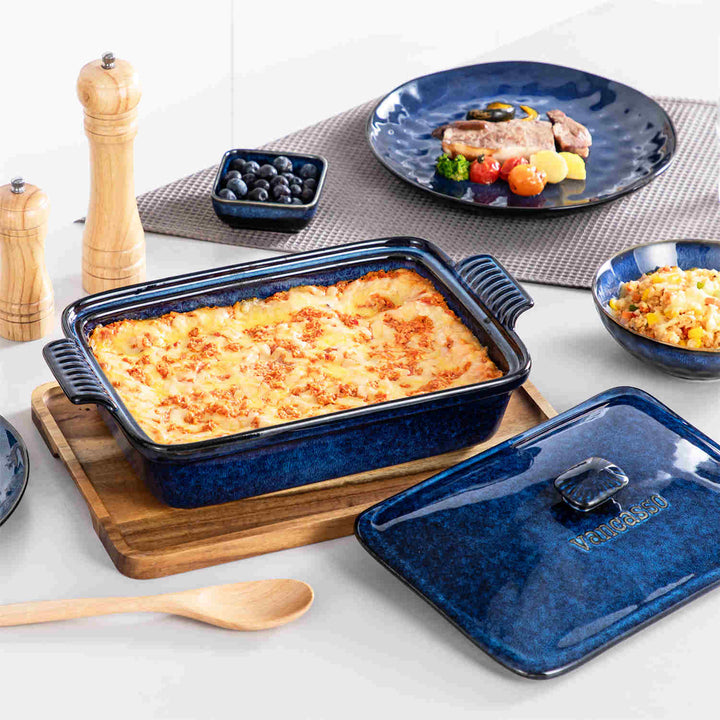


Los cuencos, tazas y platos de cerámica son comunes en las cocinas de todo el mundo. Son duraderos, resistentes al calor y atractivos, lo que los convierte en favoritos para las comidas diarias. Sin embargo, la seguridad de la vajilla de cerámica depende en gran medida del esmalte aplicado para cubrir la superficie. Los esmaltes cerámicos se utilizan para agregar color, brillo y protección, aunque también pueden contener niveles de metales pesados a menos que estén bien formulados.
La Administración de Alimentos y Medicamentos de EE. UU. (FDA) regula la vajilla de cerámica mediante ciertas directrices que controlan la cantidad de plomo y cadmio que puede liberarse de los esmaltes hacia los alimentos. Estas leyes ayudan a los fabricantes a crear productos seguros para el uso diario y ayudan a los consumidores a encontrar vajilla no tóxica en la que puedan confiar.
Conocer cómo operan estos estándares puede ayudar a los compradores a seleccionar productos más seguros, reconocer marcas confiables de vajilla libre de plomo y cadmio y decidir si los platos que ya tienen son seguros para preparar alimentos. En lugar de desalentar el uso de cerámica, estas directrices proporcionan un marco práctico que permite a los consumidores seleccionar con confianza vajilla libre de plomo que cumpla con los criterios de seguridad establecidos.

¿Cómo regula la FDA el plomo y el cadmio en la cerámica?
La FDA regula la vajilla cerámica con Guías de Políticas de Cumplimiento (CPG) que establecen límites de plomo y cadmio liberables. Estos límites se refieren a la cantidad de metal que puede liberarse del esmalte hacia los alimentos en condiciones normales de uso.
Los laboratorios usan una solución ácida suave para llenar el plato y probar los productos cerámicos, imitando el contacto real con los alimentos. Luego, se examina la solución después de un tiempo determinado para verificar si algún plomo o cadmio se ha liberado del esmalte.
Se aplican diferentes límites según el tipo de artículo cerámico. Esto se debe a que varios platos retienen alimentos por diferentes periodos. Por ejemplo, los líquidos permanecen más tiempo en las tazas que los alimentos en un plato, por lo que las tazas deben ser de mayor calidad.
Los límites comunes de cumplimiento de la FDA son aproximadamente:
- Platos planos: hasta aproximadamente 3,0 ug/mL de plomo.
- Pequeños recipientes huecos (tazas y mugs): aproximadamente 0,5 ug/mL.
- Grandes recipientes huecos (cuencos): aproximadamente 1,0 ug/mL.
Los límites de cadmio también se especifican de forma independiente, especialmente en esmaltes de colores brillantes donde históricamente podrían haberse utilizado pigmentos de cadmio.
Los fabricantes de vajilla cerámica en EE. UU. deben asegurarse de que sus productos cumplan con estos límites. La mayoría de las empresas han ido más allá de estos requisitos y promocionan productos como vajilla libre de plomo o proporcionan documentación de pruebas que respalde sus afirmaciones.
¿Por qué ciertos esmaltes se consideran peligrosos?
Los esmaltes cerámicos contemporáneos suelen ser seguros siempre que se produzcan correctamente. Sin embargo, algunas recetas de esmalte pueden ser peligrosas si los metales pesados no están estabilizados durante la cocción.
En el pasado, se utilizaban compuestos de plomo para producir acabados brillantes y ayudar a que los esmaltes se fundieran libremente durante la cocción. También se hacían colores rojos y naranjas brillantes usando pigmentos de cadmio. Pequeñas cantidades de estos materiales pueden filtrarse en los alimentos cuando no están completamente integradas en la estructura del esmalte.
Un factor que puede acelerar este proceso se conoce como efecto de catálisis ácida. Algunos alimentos tienen ácidos naturales que pueden actuar como disolventes leves al entrar en contacto con superficies cerámicas. Ejemplos son tomates, cítricos, vinagre y vino.
Cuando un esmalte es inestable o está destinado únicamente a decoración, estos alimentos ácidos pueden acelerar el movimiento de metales a través de la superficie. Por eso existen cerámicas marcadas como solo decorativas y que no deben usarse para servir alimentos.
Los platos bien hechos y libres de plomo, sin embargo, emplean una química moderna de esmalte destinada a ser estable incluso en presencia de ingredientes ácidos. Las altas temperaturas de cocción también ayudan a producir una superficie duradera similar al vidrio, resistente a reacciones químicas en el uso diario.

¿Cómo saber si un esmalte cerámico es seguro para alimentos?
Existen varias medidas prácticas que los consumidores pueden tomar para verificar la seguridad de la vajilla cerámica en contacto con alimentos.
Primero, asegúrese de que haya un etiquetado claro del producto. La mayoría de los fabricantes indican claramente si sus productos son vajilla libre de plomo o no tóxica. Aunque estos términos son útiles, los resultados de pruebas documentados son la información más confiable.
La certificación de terceros es otro aspecto significativo. El estándar de oro para confirmar la seguridad cerámica generalmente se considera la prueba en laboratorios independientes. Estos laboratorios realizan las mismas pruebas de lixiviación que las pruebas de cumplimiento de la FDA.
También hay marcas que mencionan el cumplimiento de California Proposition 65 (Prop 65). Esta ley obliga a los fabricantes a emitir advertencias si los productos superan ciertos límites de exposición química. La vajilla que cumple con Prop 65 suele someterse a pruebas adicionales para confirmar su seguridad.
Los consumidores que buscan marcas confiables de vajilla libre de plomo y cadmio deben centrarse en compañías que publiquen resultados de pruebas o ofrezcan transparencia sobre los estándares de fabricación. Las marcas reconocidas realizan inspecciones de calidad frecuentes y mantienen las recetas de esmalte constantes.
El esmalte también puede dar pistas por su apariencia. Los esmaltes que son lisos, aplicados de manera uniforme y cubren toda la superficie en contacto con los alimentos generalmente son más estables que los patrones decorativos aplicados sobre el esmalte.
¿Cómo probar tus propias cerámicas en casa?
Si te preocupa la seguridad de platos antiguos o cerámica artesanal, existen algunas opciones que se pueden probar.
Una técnica popular es la aplicación de kits de prueba de plomo, que se pueden encontrar en la mayoría de las ferreterías. Estos kits normalmente requieren frotar un objeto cerámico y observar si el hisopo cambia de color. La presencia de plomo puede indicarse por un cambio de color.
Sin embargo, estas pruebas tienen limitaciones. Identifican el plomo superficial pero no cuantifican la cantidad de metal que podría transferirse a los alimentos. Dado que los estándares de la FDA se basan en metales lixiviables, y no en el contenido total, las pruebas caseras deben considerarse como un dispositivo de cribado inicial, pero no como pruebas concluyentes de seguridad.
Para obtener resultados más precisos, los consumidores pueden enviar muestras cerámicas a laboratorios profesionales que realicen pruebas de extracción ácida de la misma manera que los procedimientos de la FDA.
Si no es factible la prueba en laboratorio, se pueden tomar algunas precauciones para minimizar los posibles riesgos. No uses cerámicas antiguas, piezas decorativas o platos de recuerdo para servir alimentos a menos que hayan sido hechos para tal fin. Retirar platos con muchas grietas, astillas o desgaste del esmalte también es recomendable.
Sustituir productos dudosos por nueva vajilla no tóxica o platos certificados libres de plomo puede ofrecer mayor seguridad en el uso diario en la cocina.
Protege a tu familia de la lixiviación de metales pesados en la vajilla
La vajilla cerámica sigue siendo uno de los materiales más confiables para servir alimentos siempre que cumpla con los estándares de seguridad requeridos. La clave es seleccionar productos fabricados con esmaltes estables y procedimientos probados.
Los consumidores que desean utensilios de cocina más seguros generalmente buscan vajilla libre de plomo o investigan marcas confiables de vajilla libre de plomo y cadmio que se someten a pruebas independientes. Estos fabricantes suelen cumplir con altos estándares de calidad para garantizar que sus productos estén alineados con las regulaciones de la FDA.
La cuestión de si la piedra es no tóxica también es una pregunta común. La piedra generalmente es segura en la mayoría de los casos, ya que se cuece a muy altas temperaturas, formando una superficie densa y fuerte. La seguridad, como con cualquier producto cerámico, se determina por la composición del esmalte y la calidad de fabricación.
Los consumidores pueden usar vajilla cerámica sin preocupaciones eligiendo marcas reconocidas, asegurando certificación de terceros y evitando el uso de cerámica solo decorativa para servir alimentos.
Preguntas frecuentes
P: ¿Es seguro usar platos cerámicos contemporáneos?
R: Sí. La mayoría de la vajilla cerámica fabricada actualmente es segura en términos de lixiviación de plomo y cadmio según lo requiere la FDA.
P: ¿Qué es la vajilla libre de plomo?
R: Generalmente significa que el esmalte no contiene plomo agregado deliberadamente y que el producto no supera los rigurosos límites de lixiviación.
P: ¿Es la piedra no tóxica?
R: La piedra generalmente es segura cuando está esmaltada y cocida. La mayoría de los productos de piedra contemporáneos son seguros para alimentos.
P: ¿Los alimentos ácidos dañan los esmaltes cerámicos?
R: Los esmaltes inestables pueden lixiviarse más rápido por alimentos ácidos como tomates y vinagre. Esto se conoce como efecto de catálisis ácida.