



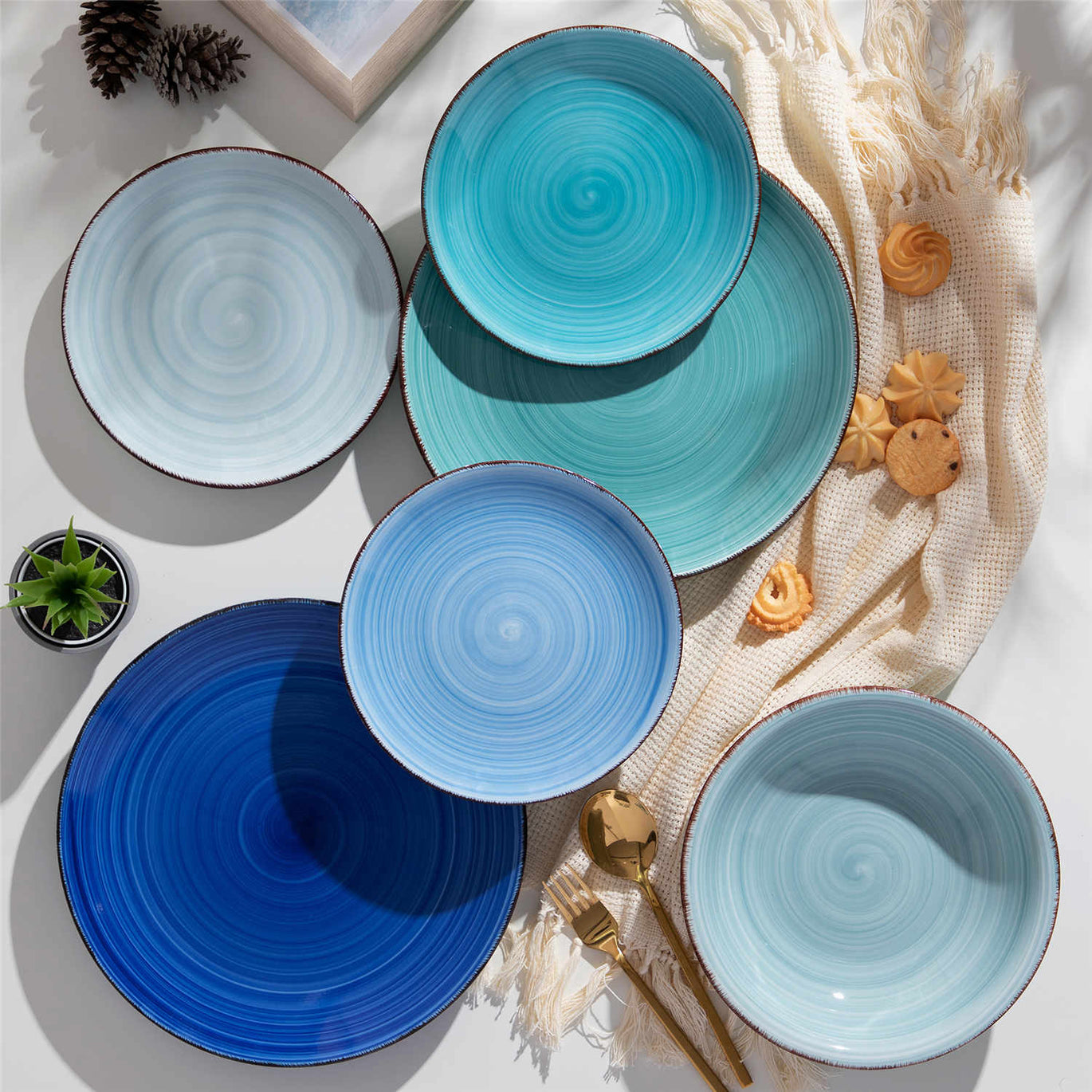


Crafting the Perfect Farm-to-Table Ceramic Tableware Setup

Farm-to-table is more than a menu idea; it is a whole mood at your table. When a just-picked tomato lands on a plate that actually honors its journey from soil to supper, something quiet and powerful happens. The plate becomes part of the story, not just a background prop.
As a Colorful Tabletop Creative & Pragmatic Joy Curator, I think of farm-to-table ceramic setups as tiny, everyday stages for local food. This is where honest ingredients, season-led cooking, and thoughtfully chosen ceramics team up to turn Tuesday dinner into something that feels like a harvest celebration.
In this guide, we will build that stage together: choosing the right ceramic materials, sizing and styling your pieces, balancing rustic charm with real-world durability, and weaving in sustainability so your table supports both your farmers and your planet.
What Farm-to-Table Really Means At Your Table
Farm-to-table is an unregulated phrase, but the heartbeat behind it is very clear across sources like Escoffier, Agritecture, and Nectar Farm Kitchen. It means you intentionally shorten the distance between the field and your fork, favoring direct or local sourcing instead of anonymous global supply chains.
Many studies and articles note that conventional food in the United States has often traveled around 1,500 miles before it lands on a plate. Farm-to-table flips that script. It leans into:
- Relationships with nearby growers, farmers markets, and Community Supported Agriculture programs.
- Seasonal menus that follow nature’s calendar.
- A desire to know how soil, water, and workers are treated.
Home cooks can absolutely live this out. Nectar Farm Kitchen emphasizes that even in cities, you can practice farm-to-table with farmers markets, pick-your-own orchards, and CSAs, or by growing herbs and vegetables in containers on a sunny balcony. You are not trying to recreate a restaurant kitchen. You are simply aligning your everyday meals with what your region is growing right now.
Why Your Tableware Is Part Of The Story
Most farm-to-table writing focuses on ingredients, but Agritecture points out that designers and hospitality professionals also echo the movement through the spaces and objects guests interact with, including tableware and decor. In other words, your plates, bowls, and serveware are design tools that either reinforce or dilute your farm-to-table story.
When a deeply colored heirloom carrot salad sits on a cold, shiny plastic plate that cannot be microwaved and may end up in a landfill for centuries, the story feels out of sync. When the same salad is cradled in a hand-glazed stoneware bowl whose surfaces show subtle kiln variation, suddenly the table feels grounded and human, like the farms that grew the food.
Your ceramic tableware becomes a bridge: from soil to plate, from farmer to guest, from season to memory.

Why Ceramic Tableware Belongs At A Farm-to-Table Feast
Dinnerware experts from Corby Hall, Pottery Barn, and Modest Hive consistently highlight ceramic as a workhorse material: strong, heat-tolerant, easy to clean, and visually expressive. For a farm-to-table setup, those traits matter.
Ceramic Versus Plastic And Melamine
Commercial guides, like Corby Hall’s overview of dinnerware materials, highlight that plastic and melamine certainly have a place. Plastic is lightweight, stackable, affordable, and nearly unbreakable, which is why you see it in cafeterias and fast food. Melamine is more refined, made from plant cellulose and resin, durable, and often beautifully printed.
However, both materials come with trade-offs that clash with a farm-to-table mindset. Plastic raises environmental concerns and tends to discolor over time with stain-heavy foods. Melamine cannot safely handle microwaves, high heat lamps, or bleach cleaners without risk of blistering and cracking. Nugu Home and other sustainability-focused writers also warn that plastic- and melamine-heavy offerings can drift into greenwashing: stylish branding masking materials that are not biodegradable and may involve synthetic binders.
Ceramic, on the other hand, is clay-based and earth-derived. Corby Hall notes that ceramic dinnerware (including porcelain, stoneware, and china) is generally dishwasher safe, can tolerate extreme kitchen temperatures, and is sturdy enough for commercial service while keeping a refined look. Pottery Barn underscores that porcelain and stoneware pieces are usually microwave, dishwasher, and oven safe, making them practical for reheating your farm-sourced leftovers as well as serving them.
Farm-to-table food deserves plates that can go from oven to table, withstand hearty everyday use, and visually echo the natural materials on your menu. Ceramics are built for that role.

The Ceramic Trio: Porcelain, Stoneware, Earthenware
Modest Hive offers a deep dive into the three main ceramic types: porcelain, stoneware, and earthenware. Each brings its own personality to the table and each has different strengths for farm-to-table dining.
Here is a side-by-side view based strictly on those expert explanations.
Type |
How it is made and fired |
Durability and water absorption |
Heat and appliance use |
Look and feel |
Best farm-to-table use |
Porcelain |
Fine kaolin clay, fired around 2,381–2,455°F |
Very hard, non-porous, around 0–1% absorption |
Typically safe for microwave, oven, dishwasher, and freezer; avoid metallic trims in microwaves |
Thin, glossy, elegant, often bright white |
Everyday and special-occasion plates and bowls that highlight colorful seasonal food |
Stoneware |
Coarser clay, fired roughly 2,305–2,336°F |
Heavier, more porous, about 2–5% absorption |
Usually microwave- and dishwasher-safe; can stain or show utensil marks over time |
Rustic, substantial, often with reactive glazes |
Cozy, casual farm suppers, hearty soups, and stews |
Earthenware |
Clay fired at lower temperatures |
Heaviest and most fragile, more porous and chip-prone |
Generally not recommended for microwaves or dishwashers; avoid sudden temperature changes |
Warm, earthy, often in red or orange hues |
Occasional serving pieces where rustic character matters more than rugged performance |
Modest Hive emphasizes that water absorption is not just a technical curiosity. High absorption can let moisture creep into the ceramic body, increasing the risk of cracking over time and creating tiny spaces where bacteria can hide. Porcelain’s near-zero absorption and dense structure make it particularly forgiving for daily use and frequent washing.
Corby Hall and Pottery Barn both treat porcelain as a top-tier all-rounder: thin yet strong, glossy, and resistant to stains and scratches when properly glazed. Stoneware, by contrast, leans into texture and weight, with a more relaxed, rustic presence. Earthenware brings maximum charm and color possibilities, but it is not the hero for high-traffic, high-heat farm suppers.
Pros And Cons For Farm-to-Table Dining
For a farm-to-table ceramic setup, porcelain and stoneware usually carry the day.
Porcelain shines when you want your produce to be the star. Its smooth, pale surface keeps attention on the food and resists staining from beet juice or tomato sauces when cleaned promptly. Modest Hive also notes that porcelain is easy to clean, naturally non-stick under normal use, and does not absorb flavors or odors.
Stoneware, according to Corby Hall and multiple style guides, is the champion of casual, family-style dining. Its slightly thicker body and matte or reactive glazes feel right at home with crusty bread, herb-roasted chicken, and big salads. The trade-off is that its more porous body can pick up utensil marks or discoloration. That is not a flaw; for many farm-to-table enthusiasts, it is patina and proof of a life well eaten.
Earthenware adds a delightful, rustic accent for occasional use or decorative pieces, but Modest Hive cautions that it chips and cracks more easily and is not generally suited to microwaves and dishwashers. It is the pottery you pull out when you want that terracotta romance, not the set you rely on for daily casseroles and reheating.
A practical, joyful farm-to-table setup often mixes these: maybe porcelain dinner plates for versatility, stoneware serving bowls for warmth and texture, and a few earthenware dishes reserved for bread, fruit, or dry snacks.

Core Pieces For A Farm-to-Table Ceramic Setup
Once you know your materials, the fun really begins: choosing the shapes and pieces that let local ingredients shine. Professional guides from Corby Hall, Coton Colors, and Pottery Barn all emphasize that form and size should match how you actually cook and serve.
Plates That Frame Seasonal Food
Coton Colors, a brand obsessed with everyday dinnerware, suggests that dinner plates generally sit around 10 inches, with some styles stretching to 11 or 12 inches. That size gives you enough real estate for a main dish and a couple of sides without spilling over the rim. For farm-to-table, that means space to showcase roasted vegetables, grains, and proteins without crowding.
Salad plates tend to run between about 6.5 and 9 inches. They should layer attractively over a dinner plate and hold a standard portion of salad or dessert. Coton Colors points out that salad plates are a sneaky design lever; they can carry color and pattern that add energy to the table, while your dinner plates stay neutral and flexible.
Corby Hall’s commercial perspective lists core plate categories you will want to consider: dinner plates for mains, appetizers and bread plates for smaller bites, dessert plates, and specialty shapes like elongated sushi plates. In a home farm-to-table context, you do not need every niche format, but it is worth thinking through your most common menu styles. If you regularly serve tasting-style plates with many small vegetable preparations, a dedicated appetizer or tapas-style plate can be a delightful addition.
Bowls That Cradle Abundance
Corby Hall highlights the huge variety of bowl types used in restaurants: soup, pasta, salad, cereal, fruit, and large dinner bowls, in shallow, deep, angled, and straight-sided forms. For farm-to-table dining, bowls are your comfort pieces. They hold big green salads, tomato-based stews, brothy beans, and grain bowls piled with roasted produce.
A shallow pasta bowl in stoneware is often a secret weapon. It is wide enough to show off colorful toppings and edible flowers, but has just enough depth to keep sauces and broths from escaping. A deeper cereal or soup bowl in porcelain can handle everything from morning yogurt to late-night chili.
The key is choosing bowl sizes that match your typical portions. Coton Colors and Pottery Barn both stress that dishes should be able to do their job; if your bowls are too tiny for your signature soup, you will end up making guests juggle refills instead of relaxing into the meal.
Serveware That Celebrates Sharing
Farm-to-table is instinctively shareable. Articles from Smarty Had a Party, Sabavi Home, and Friend of a Farmer all lean into family-style platters, boards, and big bowls as the heart of communal dining.
Ceramic serving platters are perfect for sliced roasted vegetables, whole fish, carved roasts, and big grain salads. Corby Hall notes that serving plates, platters, jugs, and serving bowls are essential categories for restaurant operations; at home, one or two generously sized platters and a couple of deep serving bowls can anchor most gatherings.
Wooden boards and bowls, praised by Coton Colors and eco-chic entertaining guides, layer beautifully alongside ceramics. A wooden serving board piled with local cheese and honey next to a porcelain platter of sliced tomatoes and basil creates contrast in both material and color while keeping everything grounded in natural textures.
Here is a simple way to think about your core farm-to-table arsenal.
Piece type |
Ideal role in a farm-to-table setup |
Dinner plate |
Canvas for main courses and composed seasonal plates |
Salad or dessert plate |
Stage for starters, greens, fruit, and sweets |
Shallow pasta bowl |
Best friend for brothy, saucy, or grain-based dishes |
Deep soup or cereal bowl |
Everyday workhorse for soups, stews, grains, and breakfast bowls |
Large serving platter |
Centerpiece for shared mains and abundant vegetable spreads |
Large serving bowl |
Family-style salads, roasted vegetables, or mixed grains |
Small jug or pitcher |
Farm milk, cream, dressings, or simple infusions with herbs and fruit |
You do not need dozens of shapes. You need the right shapes used often, with enthusiasm.

Colors And Patterns That Echo The Farm
Once you know what you need physically, it is time to paint with color. Hancers, a specialist in ceramic color psychology, and several dinnerware brands agree: color and pattern on your table influence mood, appetite, and the sense of place.
Warm, Cool, And Neutral Palettes
Hancers notes that warm tones like red, yellow, and orange tend to stimulate appetite and energy. They create a sociable, cozy feeling, perfect for celebratory harvest dinners or lively brunches. Cool colors, such as blue and green, promote calm and relaxation, working beautifully in minimalist spaces or when you want the atmosphere to feel serene and slow.
Neutral hues—white, cream, light gray, and soft beige—are widely recommended by Hancers, Pottery Barn, Coton Colors, and Wedgwood as a timeless base. White and off-white porcelain or stoneware keep the focus on the food and blend with almost any decor. They also layer well with colorful linens, seasonal flowers, and patterned accent plates.
In a farm-to-table context, consider pairing a neutral base with accents drawn from the landscape: herb greens, eggplant purple, radish pink, soil-inspired browns, and golden grain tones. That way, your palette feels rooted in the same world as your food.
Rustic, Sleek, Or Quirky?
Corby Hall discusses style categories commonly used in restaurants: sleek, modern, traditional, rustic, and quirky. Each can work for farm-to-table, but they tell slightly different stories.
Sleek porcelain with clean lines feels like a chef’s tasting menu, even at home. It suits highly composed plates and lets microgreens, reductions, and delicate garnishes stand out. Rustic stoneware with organic shapes and softened silhouettes feels family-style and cozy, aligning with big shared bowls and abundant platters. Quirky, brightly colored, or irregularly shaped plates can mirror the individuality of small farms, heritage varieties, and creative cooking.
Hancers cautions against overly busy patterns that distract from the food, especially if your dishes are already colorful. Bold patterns pair best with simpler food presentations; understated patterns or solids pair better with elaborate, colorful plating.
Mixing And Matching Without Visual Chaos
Brands like Coton Colors, Sabavi Home, and Wedgwood all encourage mixing and matching, not rigidly buying a single perfectly matched service. The trick is to choose a through-line.
You might anchor the table with white porcelain dinner plates, then mix stoneware salad plates in two or three related colors inspired by your kitchen textiles. You might keep all pieces the same clay body and finish (for example, matte stoneware) but vary shapes slightly—some round, some gently squared—for a contemporary, collected look.
Sabavi Home suggests thinking of your dinnerware like your wardrobe: you have staples and accent pieces, and you style them differently depending on the occasion. For farm-to-table dining, let the season lead. Light, pale pieces in spring, saturated greens and blues in summer, warm terracotta and mustard in fall, and deep neutrals in winter bring subtle narrative to your table without requiring entirely new sets.

Sizing, Sets, And Quantities: Getting Practical
Now we pivot from color-play to logistics. How much do you need, and how should you buy it?
How Much Do You Really Need?
Borgo delle Tovaglie notes that an eighteen-piece dinner service typically serves six people and usually includes six dinner plates, six soup plates, and six dessert or fruit plates. A thirty-six-piece set often serves twelve, sometimes with added serving dishes. Their advice is refreshingly blunt: avoid buying very small sets, even if only two or three people live in your home.
The reasoning is practical. Extra plates mean you can invite guests without scrambling. You can run the dishwasher more efficiently, loading lunch dishes and waiting to fill it fully at dinner rather than washing after every meal. They also point out that breakage is inevitable and certain patterns or colors may not be replaceable later, so buying a few extra pieces up front helps keep your set cohesive over time.
Pottery Barn recommends planning for roughly eight to twelve place settings if you entertain regularly, especially when you want enough for both daily use and gatherings. If storage is tight or your household is small, you can lean toward the lower end but still aim for at least six dinner plates, six salad plates, and six bowls, plus a couple of larger serving pieces.
For a farm-to-table host who loves long, lively meals, it can be worth investing in a more complete set plus a few extra dinner plates and bowls—the pieces that see the most action.
Place Settings Versus Open Stock
Pottery Barn and Sabavi Home describe three main ways of buying dinnerware: individual place settings, full sets, and open stock.
Place settings typically bundle the pieces one person needs at the table: a dinner plate, salad or dessert plate, bread plate, and often a cup and saucer or mug. Sets group multiple place settings together to serve four, six, or more guests. Open stock lets you buy pieces one by one.
Borgo delle Tovaglie and Sabavi both argue that sets often offer better value and ensure visual cohesion, while open stock gives maximum flexibility. For farm-to-table, a hybrid approach works beautifully. You might start with a twelve-piece or sixteen-piece set in a versatile design, then layer in open-stock accent plates or oversized serving bowls in complementary styles as you learn how you like to host.
Think about your real life. If your idea of a perfect evening is a CSA-inspired spread served family-style to eight guests, prioritize extra dinner plates and large serving bowls. If you mostly cook for two but love brunch parties a few times a year, build your everyday pieces first, then add four additional settings in a bolder accent pattern for special occasions.

Sustainability From Plate To Planet
Farm-to-table is inherently about environmental care, but your tableware choices matter alongside your food sourcing. Sustainability-focused articles from Smarty Had a Party, Anzhu Craft, Nugu Home, Restaurantware, and Vancasso highlight both materials and manufacturing practices.
Materials And Manufacturing With A Conscience
Nugu Home warns that not every “sustainable” claim around dinnerware reflects reality. Genuine sustainability often looks like handmade or small-batch production using natural materials, recycled content, and clear standards. Handmade ceramic and ironstone dinnerware, for example, is often crafted using traditional techniques, sometimes with recycled materials and carefully managed kilns.
Vancasso offers a window into how responsible manufacturers are evolving. They describe optimizing production by recycling kiln heat and water, using energy-efficient equipment, incorporating renewable power sources like solar, and sourcing raw materials locally to reduce transportation emissions. These steps cut both carbon footprint and operating costs, proving that sustainability and profitability can align.
Other eco-focused guides recommend looking for certifications or clear evidence of ethical labor and safe glazing, and avoiding plates heavy in plastics or questionable resins when your goal is a long-lasting, earth-friendly table. Modest Hive further urges consumers to choose ceramics that are cadmium- and lead-free and tested to meet strict food-contact standards.
For a farm-to-table ceramic setup, this translates into a few guiding ideas: favor durable ceramics and wood over single-use plastic; look for brands that explain how and where their pieces are made; and treat each plate as a long-term companion, not a disposable trend.
Tabletop Habits That Support Local Farmers
Escoffier, SARE, Wisk, and Friend of a Farmer all stress that farm-to-table thrives on relationships and seasonal thinking. Your tableware can support those habits.
Choosing ceramics that highlight seasonal food encourages you to keep building menus around what is fresh. Having generous platters and bowls makes it natural to serve family-style, which aligns with the community-building side of farm-to-table. Sourcing some pieces from local potters or regional makers mirrors your food sourcing, redirecting money into local creative economies rather than distant factories.
SARE’s work on local and regional food systems shows that when communities invest in local producers, more value stays in food-producing regions and young people are more likely to return to farming. Your ceramic setup might feel like a small piece of that puzzle, but it is a daily tangible reminder of the values you care about.
Caring For Your Ceramics So They Last
Sustainability is also about keeping what you own in circulation as long as possible. Modest Hive recommends gentle cleaning for porcelain, using a soft sponge and a paste of baking soda to lift marks, while avoiding harsh abrasives and bleach-based detergents that can damage the glaze.
Pottery Barn adds a few practical care ideas: soak pieces in white vinegar to remove hard-water spots, avoid sudden extreme temperature changes—especially for earthenware and some stoneware—and stack fine or chip-prone pieces with felt or protective separators so rims do not knock against each other.
For farm-to-table service, this matters. Your plates are going to see beet juice, roasted tomatoes, citrus, and olive oil. Rinse or soak promptly after hearty meals, give stained areas a gentle baking soda massage, and reserve your most fragile earthenware for low-stress tasks like holding bread or fruit.
The goal is not perfection; it is a graceful patina and a long, useful life.

FAQ: Farm-to-Table Ceramic Tableware
Is porcelain too “fancy” for everyday farm-to-table meals?
Porcelain has a reputation for formality, but experts like Modest Hive and Pottery Barn treat it as a practical everyday choice because it is non-porous, durable, and usually safe for microwaves, dishwashers, and ovens when it lacks metallic trims. Its thin, glossy profile actually flatters rustic food beautifully. A simple porcelain plate can make a slice of farmhouse bread and garden salad look like it belongs in a cookbook, while still handling daily reheating and stacking.
How do I keep stoneware from staining with tomato sauces and beets?
Stoneware is slightly more porous than porcelain, so it can show utensil marks and discoloration over time. Corby Hall and Modest Hive suggest a few habits that help. Avoid letting heavily colored foods sit on the surface for many hours. Rinse or soak dishes soon after eating, and use a mild baking soda paste for persistent marks. If you are buying new pieces, look for stoneware with a high-quality, fully vitrified glaze and check care instructions; many pieces are specifically designed to resist staining while retaining that rustic texture.
How can I host a big farm-to-table dinner without buying dozens of ceramic plates?
You do not have to choose between your values and your budget. Articles on eco-chic entertaining from Smarty Had a Party, Restaurantware, and Anzhu Craft highlight compostable options made from palm leaves, bamboo, and bagasse as stylish, biodegradable backups for large gatherings. You can anchor the main table with your ceramic pieces and supplement with eco-friendly disposables for appetizers, dessert stations, or kids’ tables. This hybrid approach respects the environment, keeps the visual language natural and rustic, and lets your ceramic collection grow at a pace that feels realistic.
A farm-to-table ceramic tableware setup is not about building a museum-perfect collection; it is about creating a spirited, honest stage for the food and people you love. Choose ceramics that feel good in your hands, echo your landscape, and stand up to real use. Then fill them with local bounty, pass them around generously, and let every chip, swirl of glaze, and stacked platter tell the ongoing story of your table.

References
- https://www.escoffier.edu/blog/world-food-drink/what-it-takes-to-support-local-farmers/
- https://www.sare.org/resources/farm-to-table-building-local-and-regional-food-systems/
- https://www.healthierhomes.com/organic-dinnerware?srsltid=AfmBOor2b2tKGdIJE1J85YuvbAzcKmlQgMbAVV0KY3InAOIjtsjYBtWD
- https://www.thespruceeats.com/best-dinnerware-sets-4104201
- https://www.agritecture.com/blog/understanding-the-farm-to-table-movementfor-developers-architects-designers-and-hospitality-professionals
- https://www.anzhucraft.com/eco-friendly-table-set-up-ideas/
- https://corbyhall.com/your-comprehensive-guide-to-selecting-commercial-dinnerware/
- https://www.friendofafarmer.com/blog/secrets-to-growing-farm-to-table-restaurants
- https://www.hitchcockfarms.com/blog/farm-to-table-movement
- https://modesthive.com/porcelain-stoneware-or-earthenware-which-dinnerware-is-best-for-your-kitchen/?srsltid=AfmBOoqGBIeDu5dpSKXjSNR8Yxd8UecuaIvFV5J_tArBMWtOkMwwwkDt
Tu pourrais aussi aimer
Stern Ensemble de vaisselle 16 pièces
- À partir de €72,95
€96,95- À partir de €72,95
- Unit price
- pour
-
Blue
-
Green
-
Red
-
Grey
Bonita Service de table 18 pièces
- À partir de €60,95
€74,95- À partir de €60,95
- Unit price
- pour
-
Blue
-
Multicolor
Simi Ensemble de vaisselle de 24 pièces
- €96,95
€129,95- €96,95
- Unit price
- pour
Service de vaisselle étoilé 16 pièces
- €73,95
€86,95- €73,95
- Unit price
- pour
-
Blue
-
Green
-
Red
-
Gradient Green