



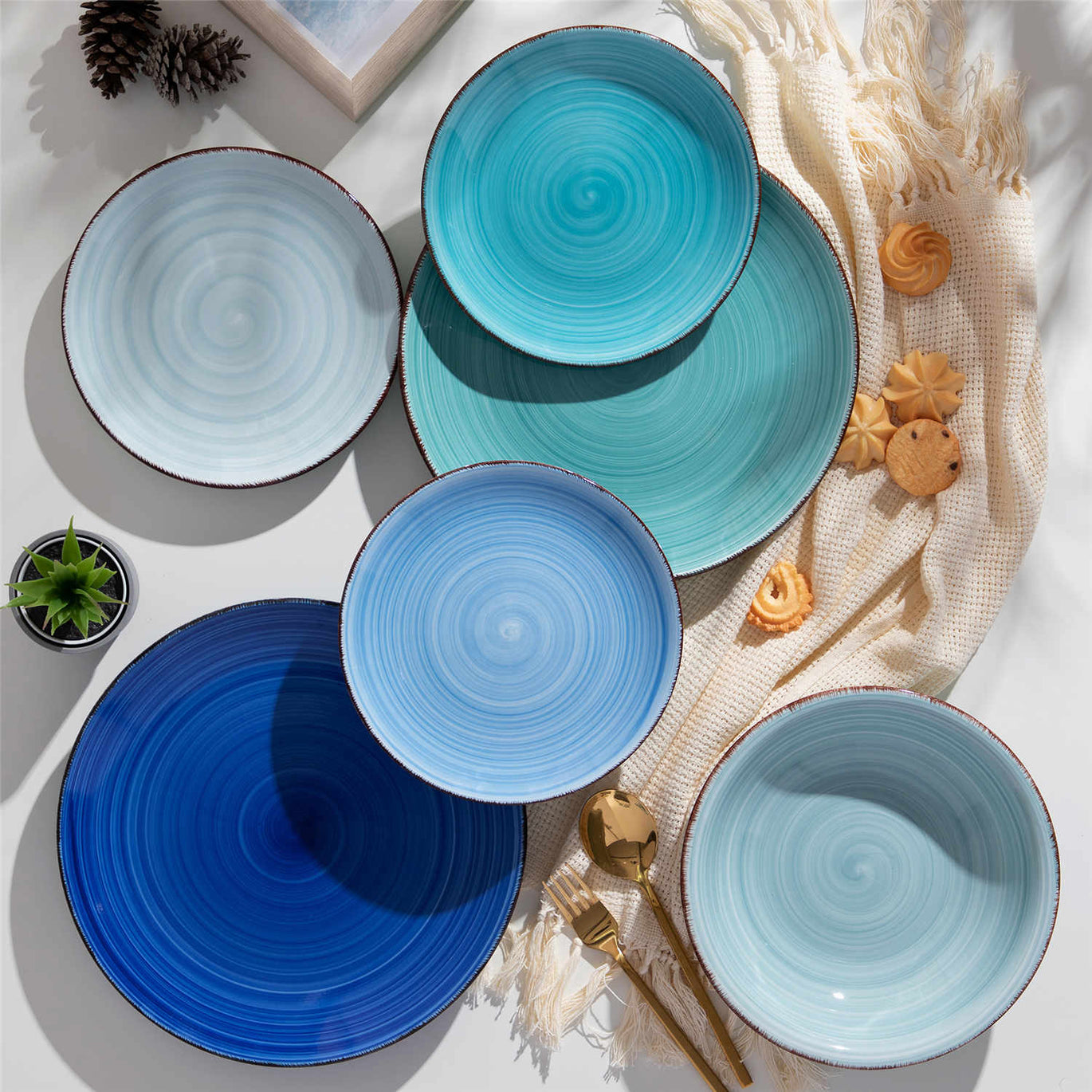


Essential Guide to Repairing Ceramics for Zero Waste Living

There is a special kind of magic in a well‑loved plate with a tiny scar along its rim or a mug that tells its life story through a faint golden crack. As a colorful tabletop stylist who also obsesses over pragmatic, low‑waste living, I have glued handles back on, coaxed chipped bowls into new roles, and gently retired pieces that had simply done their time. Repairing ceramics is not just a craft trick; it is a joyful, climate‑smart habit that lets your table stay vibrant without sending beautiful objects to the landfill.
Ceramics Monthly, published by Ceramic Arts Network, has modeled the life cycle of a handmade 12 fl oz mug and estimated that one mug can carry around 16.5 lb of carbon dioxide over its life when you add in raw materials, multiple firings, packaging, shipping, and years of hot‑water washing. In a high‑impact scenario with imported materials, energy‑intensive decoration, and coal‑based electricity, that number can climb toward about 26.5 lb. In a carefully optimized eco scenario with lower‑impact studio practices and gentler user habits, it can fall closer to 9.0 lb, and in a near‑zero design that leans on local material and solar power it can approach roughly 1.1 lb, with small certified offsets making up the difference. Every time you repair instead of replace, you are essentially protecting that carbon investment and keeping another object off the production line.
This guide is your colorful, practical roadmap to repairing ceramics for zero waste living: when repair is safe, when repurposing is wiser, which adhesives make sense, and how to keep repaired pieces in joyful circulation for years.
Why Ceramic Repair Belongs in a Zero Waste Lifestyle
Zero waste living is not about never owning anything that breaks; it is about what you do next. Clay feels humble and abundant, yet studio potters remind us it is not infinite. A maker writing for Creamik, with forty years of kiln openings behind them, emphasizes that even “failed” pieces have second‑life potential and that throwing them away wastes both material and experience.
Studio and conservation sources align on a few big ideas.
First, manufacturing and moving new ceramics has a real environmental cost. The mug footprint numbers from Ceramics Monthly are a clear illustration, and similar patterns apply to plates, bowls, and serving pieces. A chipped salad plate you repair and treat gently for another five years is one less plate that needs new clay, gas or electricity for firing, packaging materials, and shipping.
Second, the philosophy behind repair is deeply cultural. Creamik connects imperfect bowls to long Japanese traditions where tea bowls were treasured for their irregularities and later celebrated through kintsugi, the art of repairing with lacquer and gold. Japan Travel explains how kintsugi and the broader wabi‑sabi aesthetic value imperfection, aging, and patina instead of obsessive newness. This aligns beautifully with the Japanese concept of mottainai, which expresses a heartfelt “what a waste” when something usable is discarded.
Third, repair and reuse can be financially and emotionally smart. Lakeside Pottery, which restores everything from family figurines to museum pieces, encourages owners to weigh sentimental value alongside monetary value and to consider formal appraisal for antiques. Restored pieces may not match the market value of untouched objects, but they often hold deeper personal stories and stay in use instead of becoming waste.
In other words, when you repair a bowl, you are not just fixing an object. You are respecting resources, honoring a story, and curating a more intentional, colorful table.

Know Your Ceramics Before You Glue
Repair decisions get better and safer when you know what you are working with. Different ceramic bodies and finishes behave very differently under stress and during repair.
Ceramic bodies and glazes, in plain language
Homeware guides from Malacasa, Elfinview, HF Coors, and Kness describe the main families clearly.
Stoneware and porcelain are the sturdy workhorses of everyday dinnerware. They are fired to higher temperatures, which makes them less porous and generally more chip‑resistant. HF Coors, for example, notes that its vitrified dinnerware is strong, non‑porous, and does not absorb moisture or odors, which supports long‑term food safety.
Earthenware sits on the more delicate end of the spectrum. It is fired at lower temperatures, stays more porous, and is more prone to chipping and cracking. Earthenware almost always prefers handwashing and slower temperature transitions.
Most tableware has a glassy glaze on the food‑touching areas. That glaze is the protective coat that resists stains and moisture. Unglazed zones, such as the foot ring or a matte border, absorb water more easily and need extra drying time.
Handmade pottery care guides emphasize that even within the same category, each maker’s clay and glaze combination is unique. Humble Ceramics points out that their own custom clay and glaze mixes do not respond reliably to re‑firing and that they do not offer post‑firing repairs, encouraging owners instead to keep enjoying chipped pieces rather than trying to re‑fire them. This is a powerful reminder that repair is usually a “cold” process using adhesives and fillers rather than another trip to the kiln.
How ceramics usually fail
The two villains that show up again and again in the research are impact and thermal shock.
Impact is obvious: a plate clips the edge of a stone counter, a mug hits the sink, or stacked dishes grind against one another in a crowded cabinet. Care guides from Mud Australia, Bzyoo, and Elfinview all warn that many chips and scratches happen in storage rather than at the table, especially when unglazed bases rub against glazed surfaces.
Thermal shock is sneakier. Malacasa, Kness, Elfinview, and brand guides from HF Coors and Humble Ceramics all describe it as cracking caused by sudden temperature swings, like moving a fridge‑cold dish into a hot oven or plunging a hot bowl into cold water. Even ceramics rated for oven use can fail if pushed through extreme transitions too quickly. Repaired pieces are even more vulnerable, because adhesive seams do not expand and contract exactly like the original clay and glaze.
Production defects also play a role, although you may not see them. Creamik lists culprits such as uneven drying, trapped air bubbles, incompatible glazes, contamination, and poor placement in the kiln. Many of these defects only reveal themselves later as warping, pinholes, or hairline cracks.
Quick safety check: is this a good repair candidate?
Before you reach for any adhesive, take a slow tour of the object.
Malacasa and Mud Australia offer a simple triage logic. Tiny rim chips and clean breaks away from high‑stress areas are usually reasonable to repair. Think of the shallow chip on a platter edge or a decorative handle that has snapped off a vase. In contrast, deep cracks, multiple breaks, or damage running through areas that experience hot liquids, repeated utensil contact, or microwave heat are poor candidates for food‑use repair. Those pieces are better repurposed or, if truly unstable, retired.
HF Coors and Elfinview both caution that hairline cracks, even if small, can compromise hygiene by allowing moisture and food residue into the body of the piece. Crackled or crazed glaze across a food surface is another sign that repurposing or professional reglazing may be wiser.
Conservators at Lakeside Pottery recommend evaluating valuable pieces even more carefully, using sight, touch, and sound. A dull ring when gently tapped, rough or uneven spots, and glaze inconsistencies under strong light can signal hidden problems or old repairs.
If you are evaluating an antique or ethnographic object, the stakes are higher. Guidelines compiled by Lakeside Pottery suggest independent valuation by decorative arts appraisers and authenticity testing by labs that use thermoluminescence or X‑ray imaging for very old pieces. For those, your zero waste instinct should translate into responsible conservation, not kitchen‑table experimentation.

Step One: Triage for Repair, Repurpose, or Retirement
Ceramic artist and teachers often sort imperfect pieces into repairable, reusable, educational, and recyclable categories. That framework from Creamik also works beautifully for a home trying to live with less waste.
Repairable pieces have damage that is localized and manageable. A small chip on the rim of a salad plate, a cleanly snapped handle, or a single, tidy break in a platter that will not see oven-level heat can often be mended with a careful adhesive repair. For pieces that will touch food or lips, Malacasa emphasizes that any adhesive must be clearly labeled food‑safe, and many sources caution against letting repaired areas sit directly in contact with hot, wet foods.
Reusable, in a zero waste home, means repurposed. When a bowl has a crack marching through its center or a mug’s interior glaze is crazed and stained, you can relieve it of kitchen duty and move it into a new role. Malacasa and Creamik both suggest turning cracked bowls into planters, catch‑all dishes, or bulb bowls, and using fragments in mosaics, jewelry, knobs, coasters, garden decor, and even stacked outdoor sculptures.
Educational pieces are the ones you keep specifically to learn from. Creamik recommends using “failed” ceramics in workshops to show what happens with uneven thickness, bad firing curves, or poor glaze fit, and to normalize imperfection as part of the learning curve. At home, you might keep a misfired plate as a reminder that rushing dinnerware from oven to sink is a shortcut to cracks.
Recyclable, for potters, can mean grinding failed pieces into grog to mix into new clay bodies or using shards in future projects. For most households, true recycling of fired ceramics is limited. Some municipal systems accept crushed ceramic as aggregate; others do not. But even in a home setting, you can break an unusable plate into intentional shapes for mosaics or use broken terra cotta in the bottom of planters for drainage rather than sending it straight to the trash.
Thinking this way turns triage into a creative exercise rather than a sad yes/no verdict. Every piece gets a second look and, quite often, a second life.

Choosing Adhesives with Both Joy and Judgment
Adhesive choice makes or breaks both the repair and your safety. Multiple sources, from consumer guides to museum conservation notes, agree on one thing: no adhesive turns a broken mug back into its factory‑fresh self. But the right adhesive, used in the right situation, can keep a beloved piece in gentle use or beautiful display for years.
What professionals say about glues
Lakeside Pottery strongly discourages cyanoacrylate “super glues” for structural ceramic repairs, especially anything valuable or handled often. They prefer clear, high‑end five‑minute epoxies for most joins because they offer better long‑term strength and gap filling. Superglue appears occasionally in their toolkit only for low‑value items that are touched minimally.
Conservation specialists writing for a professional heritage network describe Paraloid B72 as an exceptionally stable adhesive suitable for many ceramic joins, with Paraloid B48 or more rigid epoxies reserved for very hot or mechanically demanding conditions. But they emphasize that these materials are chosen for museum display, not for food‑holding dishes. They go so far as to say that repaired ceramics should not be used for food at all because of bacterial retention in microcracks and the risk of joint failure.
Consumer‑oriented repair guides offer a slightly different angle. An article from Ember Collective notes that epoxy adhesives are generally stronger and more gap‑filling than superglues but that many standard epoxies are not food‑safe, can discolor over time, and often tolerate only about 150°F to 300°F. They recommend specialized porcelain glues, essentially food‑safe epoxies formulated for porcelain, when a repair must interact with everyday kitchenware. Even then, they advise caution around ovens and high‑heat cooking contexts.
Malacasa’s zero‑waste guide reiterates that any repair that touches food or lip surfaces should use clearly labeled food‑safe adhesive and that heavily damaged or high‑heat‑stressed items are best repurposed for non‑food roles.
Common adhesive options at a glance
Here is a concise comparison drawn from the sources above.
Adhesive type |
Typical best use (from sources) |
Food-contact suitability as described |
Heat and durability notes |
Key trade‑offs |
Cyanoacrylate “superglue” |
Quick fixes on decorative pieces, Carron‑style plate repairs on non‑food surfaces |
Ember Collective and Lakeside Pottery both consider it unsuitable for regular food‑contact ceramics |
Softens around about 180°F, can be brittle and poor at filling gaps |
Fast and convenient but weak in the long term, with limited heat resistance |
Standard two‑part epoxy |
Structural joins on stoneware, porcelain, and decorative objects, per Lakeside Pottery and Instructables |
Many formulas are not food‑safe and should stay away from food or lip surfaces |
Stronger and more gap‑filling than superglue; many tolerate roughly 150°F to 300°F |
Requires accurate mixing and long cure times; may yellow or off‑gas |
Porcelain‑specific food‑safe epoxy |
Everyday porcelain pieces that touch food, according to Ember Collective |
Formulated to be food‑safe when cured, though caution is advised for high‑heat uses |
Designed to survive dishwashing temperatures and everyday handling |
Safer option for functional porcelain but still not ideal for ovens or extreme heat |
Conservation adhesives such as Paraloid B72 |
Museum and heritage collections, per conservation officers |
Not promoted for food use; focus is on stability and reversibility |
Very stable over time; different grades chosen for different temperature ranges |
Excellent for display; not intended for kitchen‑table service |
Kintsugi systems (lacquer plus gold or metallic powder) |
Decorative, poetic repairs highlighted by Creamik, Japan Travel, and Mud Australia |
Multiple sources, including Mud Australia and Malacasa, stress that kintsugi‑repaired pieces should be ornamental only |
Traditional urushi lacquer cures to a hard, waterproof finish but is used here as an aesthetic treatment, not a food‑safe sealant |
Gorgeous, expressive, and philosophically aligned with zero waste, but not for serving or drinking |
Several consumer brands also market gel‑style superglues and epoxies as dishwasher safe and strong enough for items that hold hot liquids. Manufacturer‑specific claims like these, described in adhesive buying guides, do not override broader cautions from studio potters and conservators. Always defer to the strictest advice: repaired seams and joints belong in gentler, lower‑stress roles than new, fully intact pieces.

How to Repair a Small Chip or Clean Break
The most realistic and responsible DIY repairs for functional tableware are small chips and clean breaks where you can control the stress on the repaired area afterward. Malacasa, Lakeside Pottery, Martha Stewart’s home repair guide, and Instructables all outline similar workflows.
Preparation: the unseen half of the repair
Clear and stabilize your workspace. A soft towel on a sturdy table gives you a non‑slip, forgiving surface so fragments do not skitter and chip further. Wash the piece with warm water and a mild dish soap to remove oils and dust, then dry it thoroughly. Unglazed areas, especially foot rings, need a bit more time to dry because they absorb water.
Dry‑fit the fragments before you even open the adhesive. Press them together gently so you know exactly how they align and practice the motion of bringing them in and out of contact. Instructables emphasizes this rehearsal step because once epoxy is active, you have limited working time, especially if you are working on porous clay that may be pre‑warmed to around 100°F to improve adhesion.
If you are reattaching a handle or larger section, gather soft clamps, painter’s tape, or modeling clay. Martha Stewart’s repair instructions suggest using modeling clay to hold pieces steady while adhesive cures, which echoes techniques used by professional restorers.
Adhesive application: less is usually more
Choose your adhesive based on the earlier comparison and the role the piece will play. For a rim chip that will hold room‑temperature food away from the bonded area, Malacasa suggests a clearly labeled food‑safe epoxy. For a purely decorative object, a high‑quality standard epoxy may be appropriate.
Mix two‑part epoxies exactly as directed on the package. Epoxy often needs precise proportions to reach full strength. Apply a thin, even film along one side of the break or within the chipped recess. All of the sources above stress that a thick ridge of adhesive does not make the repair stronger; it only creates more squeeze‑out and a more visible seam.
Bring the pieces together in the same motion you practiced during dry fitting. Hold steady, then use painter’s tape, soft clamps, or even a supportive mound of modeling clay to keep the alignment true. Lakeside Pottery and Malacasa both emphasize alignment over pressure; crushing the joint risks pushing adhesive out and distorting the shape.
Clean away any squeeze‑out immediately with a wood stick or a cotton swab slightly dampened according to the adhesive instructions. Take particular care near glaze edges; once cured, hardened adhesive is much harder to remove without scratching.
Then, wait. Ember Collective notes that many epoxies need anywhere from 90 minutes to 12 hours to set and longer to reach full strength. Rushing to handle or wash the piece too soon is one of the most common ways to sabotage an otherwise good repair.
Aftercare: a gentler life for a repaired piece
Once the adhesive has fully cured, treat the piece as a semi‑retired star. Malacasa suggests transitioning repaired tableware into lower‑stress duties such as holding sandwiches, acting as a cake base under a parchment circle, serving room‑temperature salads, or decanting cold sauces. Multiple sources, including Malacasa, Ember Collective, and conservation professionals, recommend keeping repaired ceramics out of ovens and dishwashers because heat, high water pressure, and harsh detergents can all stress adhesive seams.
Handwash repaired pieces in warm water with mild dish soap, using only the soft side of the sponge, as advised by HF Coors, Elfinview, and many pottery care guides. Do not soak them for long periods, especially around repair lines. Dry thoroughly with a lint‑free cloth before storing.
Think of repaired tableware as you would heirloom glass or vintage textiles: fully loved and used, but with a little extra consideration.

Kintsugi: When Cracks Become the Star
Kintsugi is where zero‑waste ethics meet high art and shimmering drama. Creamik defines it as the Japanese art of repairing ceramics with lacquer and gold powder, highlighting cracks instead of hiding them. Japan Travel traces its history back more than five hundred years and situates it within wabi‑sabi, the appreciation of imperfection, aging, and impermanence.
Traditional kintsugi uses urushi lacquer, a natural material harvested from trees that takes many years to mature and yields only about a cup or so of lacquer from a twenty‑year‑old tree. Once processed, urushi cures into a very hard, waterproof surface, and in kintsugi it is often built up in layers with gold, silver, or brass powder dusted into the final surface. Japan Travel notes that fully traditional kintsugi can take months to complete because each lacquer layer must dry and cure under controlled humidity.
Because natural urushi is expensive and slow to work with, some contemporary artisans use synthetic epoxy, cashew‑shell lacquer, or mixed systems that blend traditional materials with modern binders. Workshops and home kits have blossomed around the world, giving more people access to the philosophy if not always the full traditional method.
Houseware brands like Mud Australia and Malacasa are very clear on one limitation: kintsugi‑repaired dishes are ornamental only. Mud Australia describes their kintsugi service as decorative and not food‑safe, and Malacasa, drawing on guidance from makers such as Mud, warns that kintsugi plates and bowls should not be used for serving, eating, or drinking, nor should they go in microwaves or dishwashers. Metallic decoration of any kind, whether in the original glaze or as a repair line, is also a firm “no” for microwave use according to multiple care guides.
In a zero waste home, that does not lessen the role of kintsugi at all. A plate turned into a golden‑veined catch‑all by the entryway, a dessert plate transformed into a jewelry tray, or a shallow bowl recast as a candle centerpiece still honors the material and avoids the trash can. Kintsugi lets the fracture become the focal point and invites you to love your ceramics even more for the life they have lived.
When Repair Is Only for Display
Sometimes the most responsible way to keep an object in the world is to accept that it will never hold food again. Museum and heritage professionals live in this reality daily.
Lakeside Pottery’s long Q&A on ceramic restoration walks through how they evaluate pieces, remove old adhesives, rebuild missing sections, and apply cold glazes for a glossy finish. They stress transparency and ethics, refusing to aid deceptive resale and encouraging dealers to label objects as repaired or restored.
The Canadian Conservation Institute’s reading list on ceramic and glass care, along with technical manuals cited there, underlines the importance of selecting stable, reversible adhesives, understanding how clays and glazes age, and controlling environmental conditions to prevent further deterioration. A conservation development officer writing about ceramic repair emphasizes avoiding unstable materials like cellulose nitrate, which discolors, becomes insoluble, and is considered especially unsuitable for long‑term conservation.
For family heirlooms, ethnographic artifacts, or high‑value antiques, this professional mindset dovetails beautifully with zero waste living. Instead of cycling through replacements, you stabilize and cherish what exists, even if it moves from the dinner table to a dedicated display shelf.

Joyful Repurposing: Giving “Failed” Ceramics a Second Career
Even when a piece is no longer safe or practical to repair for food use, it can still bring a burst of color and texture to your home.
Creamik suggests turning fragments into mosaics, jewelry, embossed artworks, plant stands, fridge magnets, knobs and handles, coasters and trivets, garden decorations, stacked sculptures, and even simple musical instruments like maracas or rainsticks. Malacasa and other dinnerware guides echo similar ideas, recommending cracked bowls for plants, bulb forcing, or dry pantry goods, and damaged platters as backdrops for candles and seasonal displays.
Handmade pottery care guides normalize this creative reuse. Kness and Elfinview both note that handmade ceramics can last a lifetime but that breakage over decades of use is entirely normal. Rather than seeing a crack as a failure, a zero waste tabletop curator can see it as a nudge to shift the piece into a new role.
Repurposing is not a consolation prize; it is part of the design of a zero waste home. Your chipped dessert plate turned ring dish or your crazed cereal bowl holding citrus on the counter can become some of the most photogenic, personality‑filled objects in your space.

Everyday Habits That Protect Your Repairs
Once you have invested the time and care to repair or artistically repurpose ceramics, a few everyday habits will protect that work and prevent new damage. The good news: most of these habits also make your tableware feel more special.
Washing and drying
Brand guides from HF Coors, Malacasa, Elfinview, and others converge on a simple pattern. Even if a ceramic is technically dishwasher safe, handwashing with warm water, mild detergent, and a soft cloth or sponge is gentler, especially for handmade or repaired pieces. Abrasive pads and harsh cleaners can scratch glaze and slowly weaken it, which over time contributes to cracking and staining.
Humble Ceramics, Kness, and other makers also warn against prolonged soaking, especially for porous stoneware and any item with unglazed areas. Soaking can drive water into the body of the clay, and if that water later meets heat or freezing conditions, it can expand and create new microcracks.
Dry thoroughly after washing. HF Coors highlights thorough drying as a way to prevent water spots and moisture‑related glaze damage. Several guides recommend a soft, lint‑free cloth rather than air‑drying in crowded racks for anything delicate or repaired, so you can put it away bone‑dry and avoid trapped moisture between stacked pieces.
Heat and thermal shock
Thermal shock prevention is a recurring chorus across Malacasa, HF Coors, Humble Ceramics, Kness, Elfinview, and others. Let hot dishes cool before rinsing; avoid moving refrigerator‑cold plates straight into hot ovens; rest hot dishes on wood, fabric, or trivets rather than directly on cold stone.
Some brands, such as Humble Ceramics, do not recommend oven, broiler, or microwave use for their pieces at all, even though the clay body itself might technically handle it, because baked‑on spills in unglazed areas become nearly impossible to remove. Others, like HF Coors, design vitrified dinnerware specifically to be broiler safe, oven safe, microwave safe, and freezer safe, with strong guarantees against chipping under normal use.
For repaired items, multiple sources advise stepping down the heat expectations regardless of original ratings. Malacasa, Ember Collective, and conservation specialists all recommend keeping repaired pieces out of dishwashers and ovens and treating them as room‑temperature or mildly warm service pieces. Metallic decoration on any piece, new or repaired, should never see the inside of a microwave, as Bzyoo, Kness, and others underscore.
Storage, stacking, and handling
If your ceramics could talk, they might complain more about the cabinet than the dinner party. Architectural and tableware guides cited by Malacasa and Vancasso stress that many chips and scratches happen when pieces knock together on crowded shelves.
Keep stacks modest and secure. Mud Australia recommends plate racks or felt separators, especially for darker porcelain that shows scratches more easily. Bzyoo suggests cloth, cardboard, or tissue layers between plates. Kness and Elfinview both like felt or fabric between handmade plates and bowls to prevent scratching and pressure‑point damage.
Mugs are happiest stored rim‑up on shelves or hanging on hooks that do not rub the glaze. Bowls appreciate a sliver of cloth or felt between them when nested. Heavy stoneware, as Humble Ceramics notes, should not be stacked too high on fragile shelves because of its weight.
Handling is the final piece. Avoid dragging plates across stone countertops; lift them cleanly. Use wooden, silicone, or plastic utensils instead of metal to prevent gray marks and gradual glaze wear, as HF Coors recommends. If a piece gets bumped, inspect it in good lighting to catch fresh hairline cracks early, before they grow.
Stains, marks, and keeping glazes luminous
Life leaves marks: coffee rings, tea stains, and the occasional tomato‑sauce halo. Malacasa, Elfinview, Kness, Vancasso, and HF Coors all suggest pantry‑friendly solutions.
For general stains, a paste of baking soda and water applied gently with a soft cloth can lift discoloration without harming the glaze. For mineral deposits from hard water, a brief soak in a warm water and white vinegar solution, followed by a thorough rinse and dry, restores clarity and shine. Repaired seams and metallic decorations need extra restraint: no abrasive creams, no bleach, and no long soaks.
Some field‑oriented guides even mention microcrystalline wax as a way to revive dull glazes on non‑food surfaces, but for everyday tableware, consistent gentle washing and thorough drying are usually enough to keep pieces glowing.
Climate Math, Mood Math, and Your Colorful Table
Returning to that 12 fl oz mug, Malacasa’s synthesis of Ceramics Monthly’s analysis offers a striking range of life‑cycle footprints. Here is a simplified snapshot of the four scenarios described.
Scenario |
Approximate life-cycle CO₂ per 12 fl oz mug (lb) |
Notes from the analysis |
Average handmade mug |
About 16.5 |
Two firings, grid electricity, standard packaging, air freight, years of hot‑water washing |
High‑impact “dirty” mug |
Around 26.5 |
Imported materials, cobalt and gold decoration, three firings on coal‑based electricity, plastic packaging incineration |
Eco‑conscious studio and user |
Roughly 9.0 |
Single firing, reused paper packaging, lower‑impact studio choices, user relying on baking soda cleaning and solar‑heated water |
Near‑zero concept |
Around 1.1 |
Local clay, rooftop solar, rail shipping, small carbon offsets via established standards |
These numbers are not meant to intimidate you out of lovely ceramics. Instead, they highlight how many levers exist: how a studio fires, how you wash, and how long you keep each piece in service. Repair, gentle care, and creative reuse are among the easiest levers to pull.
A chipped bowl that becomes a planter, a cracked plate that becomes a kintsugi‑lined tray, or a rim‑repaired platter that hosts only room‑temperature treats—each of these is a tiny climate‑positive act that also makes your table more interesting.
When to Call a Professional
Sometimes the most zero‑waste choice is to let a specialist do what they do best.
Malacasa suggests professional restorers for pieces with glaze wear across food surfaces, noticeable crazing, or complex multi‑part breaks, especially when the set is emotionally or financially valuable. Lakeside Pottery and similar studios invite clients to review before‑and‑after portfolios, ask detailed questions about materials and processes, and insist on clarity about which treatments are reversible.
Conservation resources curated by the Canadian Conservation Institute and other professional bodies recommend professional help for archaeological and historic objects, items with salt contamination, and pieces where authenticity or material composition is uncertain. Specialized labs may use thermoluminescence, X‑ray fluorescence, and other methods to determine age and detect previous repairs.
For a zero waste home, this means reserving professional restoration for the pieces that truly matter: the inherited porcelain soup tureen, the one‑of‑a‑kind studio platter you bought to celebrate a milestone, or the archaeological shard you own as a registered collector. Everyday cereal bowls and mass‑market side plates are fantastic candidates for DIY repair or creative repurposing instead.
FAQ: Practical Questions from a Zero Waste Tabletop
Can I safely drink from a repaired mug?
Multiple sources urge caution. Ember Collective notes that superglue is not food‑safe and not heat‑resistant enough for mugs and everyday kitchenware. Standard epoxies are generally not food‑safe either and usually tolerate only moderate heat. Specialized porcelain glues, essentially food‑safe epoxies, are designed to be safer on food‑contact surfaces and to survive dishwashing temperatures, but even then, Ember Collective recommends caution with ovens and very hot liquids. Malacasa goes further, suggesting that heavily damaged or high‑heat‑stressed items are better repurposed for non‑food uses. If you do drink from a repaired mug, keep the repaired area away from your lip line, favor warm rather than boiling liquids, and be ready to retire the mug if you see any new cracks or discoloration.
Are there any truly food-safe, heatproof ceramic repairs?
Conservation professionals writing about adhesives for ceramics essentially answer no for museum‑grade expectations: they do not recommend repaired pieces for food because of microcracks and long‑term stability issues. Consumer‑focused sources describe porcelain glues that are food‑safe and heat‑resistant enough for dishwashing, which is more comforting for everyday users. However, no adhesive repair recreates the original fired glaze. The safest approach is to treat such repairs as a way to keep pieces in gentle, lower‑stress service rather than demanding full oven or boiling‑liquid performance.
What should I absolutely avoid doing with repaired ceramics?
Across the board, sources warn against exposing repaired ceramics to dishwashers, ovens, broilers, or microwaves. Metallic decoration or metallic kintsugi lines should never go in a microwave. Prolonged soaking, especially across repair seams, is discouraged because it can weaken joints or harbor moisture and bacteria. Finally, avoid using harsh abrasives or bleach on repaired areas; they can scuff both the glaze and the adhesive.
Is it ever more sustainable to replace instead of repair?
Yes. Ember Collective emphasizes that some porcelain kitchen products, especially those used in cooking or frequent food handling, are better replaced than repaired to maintain hygiene and minimize contamination risk. Mud Australia recommends carefully discarding badly chipped or cracked dinnerware for safety. In those cases, the zero waste approach is to choose durable, lead‑safe pieces from reputable makers, store and wash them gently, and keep them in use for as long as possible so that replacements are rare.
A Colorful Closing
Repairing ceramics for zero waste living is not about forcing every plate and mug to work forever; it is about curating their journeys with a mix of creativity and common sense. Some pieces will return to the table in gentler roles, some will glow with kintsugi lines on a dresser, and some will teach you what not to do with hot water and cold sinks. Let your shelves hold that story: imperfect, intentional, and joyfully alive with color, texture, and care.
References
- https://www.culturalheritage.org/discussion/ceramic-repair
- https://www.carron.paris/pages/how-to-repair-ceramics?srsltid=AfmBOoqDulyvTw2ljSNbUUH30rLWowbZp9xXIP_2aiUJ1aKvmyEnJRFy
- https://creamik.com/ceramic-repair-recycling/?lang=en
- https://www.elfinview.com/care-for-ceramic-tableware/
- https://humbleceramics.com/pages/care-repairs
- https://www.instructables.com/Mending-and-Filling-Broken-Ceramic-and-Pottery/
- https://www.marthastewart.com/1540722/items-you-should-repair-instead-replace
- https://www.santai-ceramics.com/ceramic-pottery-care-guide-maintenance/
- https://www.soulceramics.com/pages/how-to-fix-broken-ceramics?srsltid=AfmBOoqUQC99DhQJgITL8zR5I9NQDF1BWesLkkm4UxxZXcl6P3TNK5sE
- https://www.bzyoo.com/blogs/news/exploring-the-dos-and-don-ts-of-ceramic-plates-how-to-care-for-them?srsltid=AfmBOooDdE3ofdsvyZl7LkEjp7nVdYy8p__olRoR_Mfs0zdDO6nUwi1-
Tu pourrais aussi aimer
Stern Ensemble de vaisselle 16 pièces
- À partir de €72,95
€96,95- À partir de €72,95
- Unit price
- pour
-
Blue
-
Green
-
Red
-
Grey
Bonita Service de table 18 pièces
- À partir de €60,95
€74,95- À partir de €60,95
- Unit price
- pour
-
Blue
-
Multicolor
Simi Ensemble de vaisselle de 24 pièces
- €96,95
€129,95- €96,95
- Unit price
- pour
Service de vaisselle étoilé 16 pièces
- €73,95
€86,95- €73,95
- Unit price
- pour
-
Blue
-
Green
-
Red
-
Gradient Green