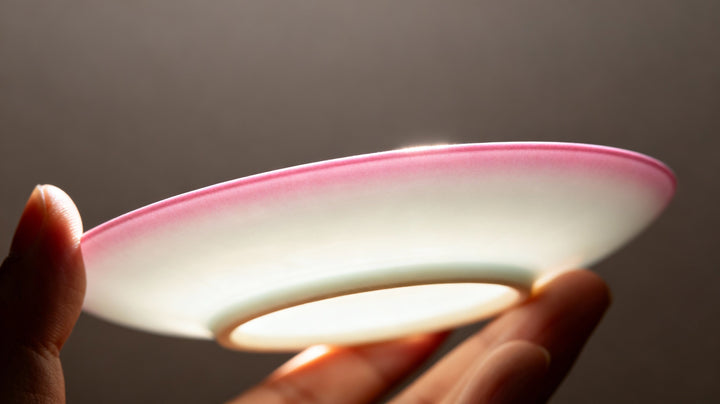


When you hold an abalone shell up to the light, it shimmers with layered color and quiet strength. That is exactly the feeling I want on a modern table: color-forward joy with a backbone. In our studio, we’ve spent years dropping, stacking, clinking, and stress-testing dinnerware so you don’t have to. Breakage resistance isn’t a lab-only obsession; it’s a real-life sanity saver for busy kitchens, restaurants with nonstop rushes, and homes where conversation and clatter go hand in hand. As a Colorful Tabletop Creative & Pragmatic Joy Curator, I treat abalone less as a biology lesson and more as a guiding muse: think layered beauty, thoughtful edges, and materials chosen to last.
Durability also supports a greener table. Reusable dishware reduces waste and resource use over thousands of servings, a point underscored by guidance from the City of Portland and Oregon DEQ, which note that reusables carry far less impact than disposables over time. The EPA has warned for years about the scale of single‑use waste, and the Ellen MacArthur Foundation’s ocean‑plastic projections remain a sobering reminder that longer-lasting choices matter. The bonus for us design-first diners: done right, durability doesn’t dull vibrancy—it amplifies it.
Why Breakage Resistance Matters Now
Breakage-resistant dinnerware delivers calm during high‑tempo service and savings over the long haul. In the professional world, porcelain and bone china keep replacing melamine because they look better under lights, stay brighter through dishwashers, and survive service for years, which lowers total cost per plate over time. Corby Hall points to porcelain and bone china as standouts for restaurants thanks to their thermal tolerance, chip resistance, and stackability, while warning that melamine tends to warp, scratch, and look tired after heavy dishwashing—and it’s typically not recyclable.
At home, the calculus is similar. Durable ceramics, stainless steel for kids and outdoors, and smart use of compostables for events mean fewer emergency replacements and less bin‑bound debris. Portland’s sustainability team highlights the bigger picture: reusables are the greenest option across repeated use, and many “compostable” packages are not accepted in municipal compost streams, so local rules really matter.

The “Abalone Idea” for the Table
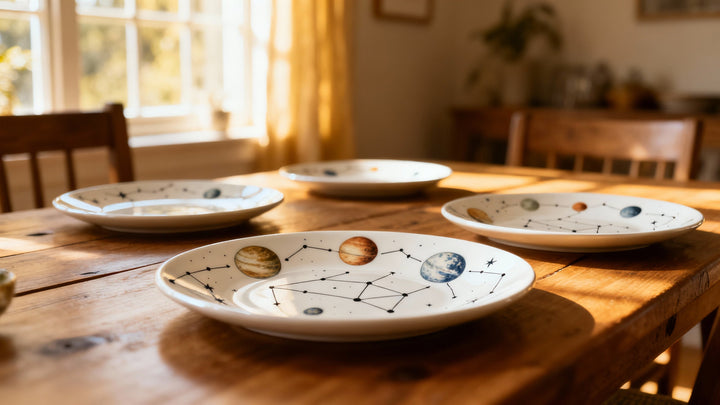
Let’s channel abalone thoughtfully. Rather than making scientific claims about shells, I use abalone’s layered look and edge‑smart elegance as a design brief. In practice, that translates to pieces with color depth, protective rims, and glazes that shimmer subtly while standing up to scrapes. Rolled edges reduce chip points during stacking and bussing. Slightly thicker contact zones add strength without feeling bulky. Vitrified bodies deliver a glass‑like, non‑porous structure that resists moisture and staining while staying lively with color. Think beauty with backbone.

Materials That Deliver Strength Without Starkness
Porcelain and Bone China
Porcelain and bone china occupy that sweet spot where elegance meets endurance. Corby Hall details how both are made from mineral-rich bodies (porcelain from feldspar, quartz, and kaolin; bone china with the addition of bone ash), tolerate heat swings, and stand up to dishwashers, freezers, heat lamps, and the microwave. This makes them dependable in restaurant cycles and a joy at home. Rolled-edge rims minimize chipping. At end of life, broken porcelain can be ground and returned to new porcelain, keeping material in a circular loop rather than sending it to landfill, a practical sustainability win that pairs beautifully with long service life.
Vitrified Ceramic and Stoneware
Vitrification is the high‑temperature firing that yields a glass‑like, non‑porous body—less water absorption, more stain resistance, better hygiene. HF Coors exemplifies this with vitrified, lead‑free ceramic that is broiler, oven, microwave, dishwasher, and freezer safe, and it comes with high chip resistance and a non‑porous surface. Stoneware, a denser ceramic favored for daily use, holds heat well and brings a friendly, tactile weight to the table. TheRoundup places stoneware and porcelain at the top of the sustainability stack for reusables because their impact per use drops dramatically over decades of service. The production energy is higher than many materials, but the reuse curve pays it back.
Stainless Steel for Kids, Outdoors, and High‑Impact Moments
When breakage must be off the table, stainless steps in. Stainless steel is shatterproof, widely recyclable, and designed to endure bangs, drops, and backpack life. LeafScore highlights pediatrician‑designed kids’ sets with smart compartmenting and weighted cups, showing how metal can be thoughtful, not spartan. The one hard rule: never microwave. Otherwise, stainless shines for campers, patio dinners, and life’s exuberant moments.
CPET: A Heat‑Ready, BPA‑Free Plastic Alternative
CPET—crystallized PET—adds useful heat resistance for reheating and food service convenience. Tasteliving explains that CPET is BPA‑free, durable, and microwave‑safe, and it tolerates temperatures up to about 284°F. It resists acids and alkalis and is recyclable in the right streams. When you need a plastic option that behaves more like a hardworking ceramic stand‑in for reheating or transport, CPET earns its seat.
Pure Bamboo and Natural Wood
Solid bamboo brings warmth and lightness to casual meals. Multiple sources caution, however, that many “bamboo fiber” or “wheat straw” pieces are actually melamine‑formaldehyde composites. The FDA advises against heating melamine‑based dinnerware, and the Government of Canada reports higher melamine releases from some plant‑fiber composites when heated compared with conventional melamine. The safer play is to choose 100% bamboo or clearly disclosed, melamine‑free pieces, then hand‑wash, dry thoroughly, avoid soaking, and oil occasionally. For natural wood like maple or beech, the same care applies. These materials are lovely for salads, bread, and light fare, but not for prolonged high‑heat use.
Bagasse, Palm Leaf, and Paper for Events and Busy Service
For events where reusables aren’t practical, plant-based disposables can handle the heat. Restaurantware and Ecolipak outline how sugarcane fiber (bagasse) plates and palm leaf dishes are sturdy, leak‑resistant, and suitable for hot and cold foods; many are microwave‑safe. TheRoundup estimates that sugarcane and corn‑starch disposables can break down in a commercial compost setting within a few months, and palm leaf offers natural strength without coatings. The catch is infrastructure and geography: UNEP and municipal guidance emphasize that industrial composting is often required for reliable breakdown, and transport distances can raise the footprint of imported products. Portland’s guidance adds that some municipalities do not accept “compostable” packaging in the green bin, so local rules dictate the smartest end‑of‑life path.

Quick Material Comparison Cheat Sheet
Material |
Breakage Resistance |
Heat & Microwave |
Dishwasher |
Safety Notes |
End‑of‑Life |
Best Use |
Porcelain/Bone China |
High chip resistance with rolled rims |
Tolerates high heat; microwave‑friendly |
Yes |
Choose lead‑ and cadmium‑free glazes |
Broken porcelain can be ground and reused in new porcelain |
Restaurants, daily homeware with polish |
Vitrified Ceramic/Stoneware |
High; non‑porous body resists moisture |
Broiler/oven/microwave safe in many lines |
Yes |
Look for reputable, lead‑free brands |
Long life; ceramics aren’t in standard curbside recycling |
Everyday sets, serveware with heft |
Stainless Steel |
Virtually unbreakable |
Not microwave‑safe; great thermal durability |
Yes |
Food‑grade steel is inert |
Widely recyclable metal |
Kids, outdoor dining, high‑impact use |
CPET (Crystallized PET) |
Durable under everyday knocks |
Microwave‑safe; tolerates up to about 284°F |
Varies; check label |
BPA‑free; acid/alkali resistant |
Recyclable where accepted |
Reheating, takeout durability |
100% Bamboo/Natural Wood |
Drop‑tolerant; not for high heat |
Not microwave‑safe; avoid high heat/soaking |
Hand‑wash only |
Avoid melamine‑binder “bambooware” |
Biodegradable with proper care |
Casual meals, picnics, kids’ snacks |
Bagasse/Palm Leaf |
Sturdy for one‑time service |
Many items microwave‑safe |
N/A (single‑use) |
Free of petroleum plastic |
Industrial composting preferred; local rules vary |
Events, catering, outdoor gatherings |
Melamine & Plant‑Fiber Composites |
Tough but heat‑sensitive |
Not microwave‑safe (FDA) |
Yes but prone to long‑term surface wear |
Melamine migration rises with heat and acidity (FDA; Government of Canada) |
Not compostable and typically not recyclable |
Not recommended for hot/acidic foods |
Always verify the specific product’s labels and local disposal rules; city guidance varies widely.

How to Design Abalone‑Inspired Durability Into Your Collection
Start with a strong body and a protective edge, then let color sing. A vitrified ceramic or high‑fired porcelain foundation adds non‑porous strength and smoothness, which means better hygiene, easier cleaning, and fewer micro‑abrasions that lead to chips. Corby Hall suggests rolled rims to reduce edge vulnerability; in high‑traffic service, that detail is small but mighty. In our studio, we build color in layered glazes that echo the iridescence of a shell while masking minor utensil marks. That layered approach is not a scientific replica of a shell—just a poetic and practical design move that extends the honeymoon phase of a plate.
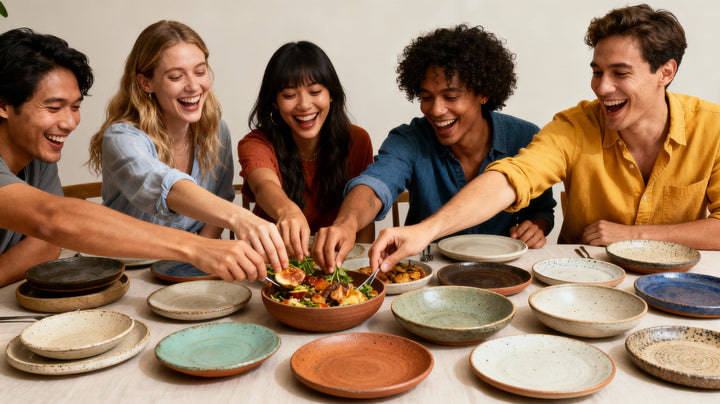
For mix‑and‑match sets, choose a thicker plate well where cutlery lands, paired with a slightly thinner lip to keep the piece feeling lively in the hand. Stoneware’s comforting heft suits family‑style meals, while porcelain’s refined balance shines under formal plating. If you’re designing for kids or patios, stainless steel adds indestructible confidence; for pop‑up events, bagasse and palm leaf keep the look natural and tidy without the soggy stereotype.

Safety, Compliance, and Myth‑Busting
A colorful table should be as safe as it is spirited. “Lead‑free” glazes and cadmium‑free pigments matter—choose reputable brands that state compliance with food‑contact standards such as FDA or LFGB. Royal Ware defines vitrification as the firing process that creates a glass‑like, non‑porous body, which is a useful signal of quality if you’re shopping ceramics. If a brand’s “wheat straw” or “bamboo fiber” pieces seem too plastic‑like, read closely. LeafScore calls out greenwashing in plant‑fiber composites that actually contain melamine plastic, which cannot be composted or recycled and is not microwave‑safe. The FDA and the Government of Canada warn that melamine‑based items should not be heated and that melamine migration increases under hot or acidic conditions.
For compostables, UNEP notes that industrial facilities commonly provide the conditions needed for reliable breakdown, and city programs vary. Portland’s guidance adds that compostable packaging is often not accepted in the green bin and that landfilled “compostables” can generate methane. The actionable takeaway is simple: check your local rules before buying and before tossing.

How We Test Breakage Resistance in the Studio
Our everyday tests look a lot like your life. We stack and unstack twelve plates at a time, bus them with real pace, run repeat dishwasher cycles, and use metal utensils on glazed surfaces to see which pieces mark up and which keep their sparkle. We nudge rims against stainless sinks and let a shallow bowl take the occasional low fall from table height onto wood. We never claim perfection because life is creative in its surprises, but we do reward bodies and rims that pass those “oops” moments with grace.

Buying Scenarios, Solved
For restaurants and cafés that want polish without drama, porcelain and bone china deliver elegance and durable rims, and they can run through dishwashers all day—Corby Hall’s guidance matches what we see in service. For homes with little hands and high‑energy evenings, stainless steel serves up peace of mind and easy cleanup, with the straightforward caveat that it never goes in a microwave. For weddings, picnics, and community events, bagasse and palm leaf keep things sturdy and handsome with a natural look; plan the post‑event stream with your hauler beforehand because compost rules vary. TheRoundup and UNEP emphasize that industrial composting speeds the process, while municipal acceptance differs by city, and Portland’s rules are among the strictest. If you want a heat‑ready, non‑ceramic container for reheating, CPET’s microwave‑safety and acid/alkali resistance are practical touchpoints.

Key Definitions to Shop Smarter
Bagasse is the sugarcane fiber left after juice extraction; it becomes strong, compostable plates and bowls that handle hot and cold foods without a plastic lining, a point reinforced by Restaurantware and eco‑materials briefs. Vitrification is the high‑heat firing that makes a ceramic body glass‑like and non‑porous, as Royal Ware defines. “Lead‑free” signifies that glazes and pigments do not contain lead; it’s a baseline expectation cited by ceramic makers like HF Coors and sustainability‑minded retailers such as Healthier Homes. CPET is crystallized PET that withstands microwave reheating and everyday knocks without BPA, as outlined by Tasteliving. If you see plant‑fiber “bambooware,” remember the LeafScore and TheRoundup cautions about melamine binders and heat—best to skip or relegate to cold uses.
Care Tips That Protect Your Investment
Thermal shock is the sneaky plate‑taker. For glass and ceramic, give hot items a neutral landing pad rather than a cold stone counter. Anzhu’s care guidance mirrors what we practice: avoid sudden temperature swings; retire any chipped rims; clean with gentle tools and mild soap; and space dishes in the dishwasher to prevent edge taps. For bamboo and wood, keep the care low‑tech: hand‑wash, dry thoroughly, don’t soak, and oil periodically to preserve luster and stability. For stainless, rinse acids off promptly, and skip steel wool. And for anything melamine‑based, don’t microwave—FDA guidance is clear here.

Short FAQ
Are melamine or “bamboo fiber” plates safe to heat?
No. The FDA advises against microwaving melamine dinnerware. The Government of Canada reports that plant‑fiber composites marketed as “bambooware” have shown higher melamine releases when heated than conventional melamine. For hot or acidic foods, choose porcelain, vitrified ceramic, stainless steel, or certified plant‑based disposables designed for heat.
Do compostable plates actually break down?
They can, but they usually need commercial composting conditions. UNEP and materials guides note that many plant‑based items are industrially compostable rather than home‑compostable. Portland’s rules also show that many municipalities do not accept compostable packaging in green bins, so check local guidance. When composting access is clear, bagasse and palm leaf perform well for events.
What’s the single greenest choice?
Reusable dishware is consistently the lowest‑impact option over thousands of meals. City of Portland and Oregon DEQ guidance emphasizes that most of a disposable item’s footprint occurs before its first use. If you must go disposable, match the material to the disposal path you actually have, not the one you wish you had.
Closing Spark
Abalone reminds us to build beauty in layers and to protect the edges—on shells, on plates, and in daily life. Choose bodies that last, rims that defend, glazes that glow, and care rituals that keep the color singing. Joyful tables deserve nothing less than durable delight.

References
- https://www.portland.gov/sustainabilityatwork/how-buy-green/durable-dishware-not-disposable
- https://theroundup.org/eco-friendly-dinnerware/
- https://www.healthierhomes.com/organic-dinnerware?srsltid=AfmBOooFfwAEH2BCC4s_xuQGLV1K1LL265dpbvAPMjAFu0jjKNhaTit3
- https://www.tasteliving2019.com/the-ultimate-comparison-types-of-non-toxic-dinnerware-materials-unveiled
- https://www.anzhucraft.com/safest-dinnerware-material/
- https://corbyhall.com/whats-the-most-sustainable-and-budget-friendly-restaurant-dinnerware/
- https://kasem-international.com/5-innovative-materials-revolutionizing-sustainable-tableware/
- https://www.moldedpulppackaging.com/what-are-the-benefits-of-using-eco-friendly-dinnerware/
- https://www.royalwarechina.com/what-should-you-know-about-durable-dinnerware-materials/
- https://biopolylab.com/blog/a-complete-guide-to-biodegradable-tableware/