



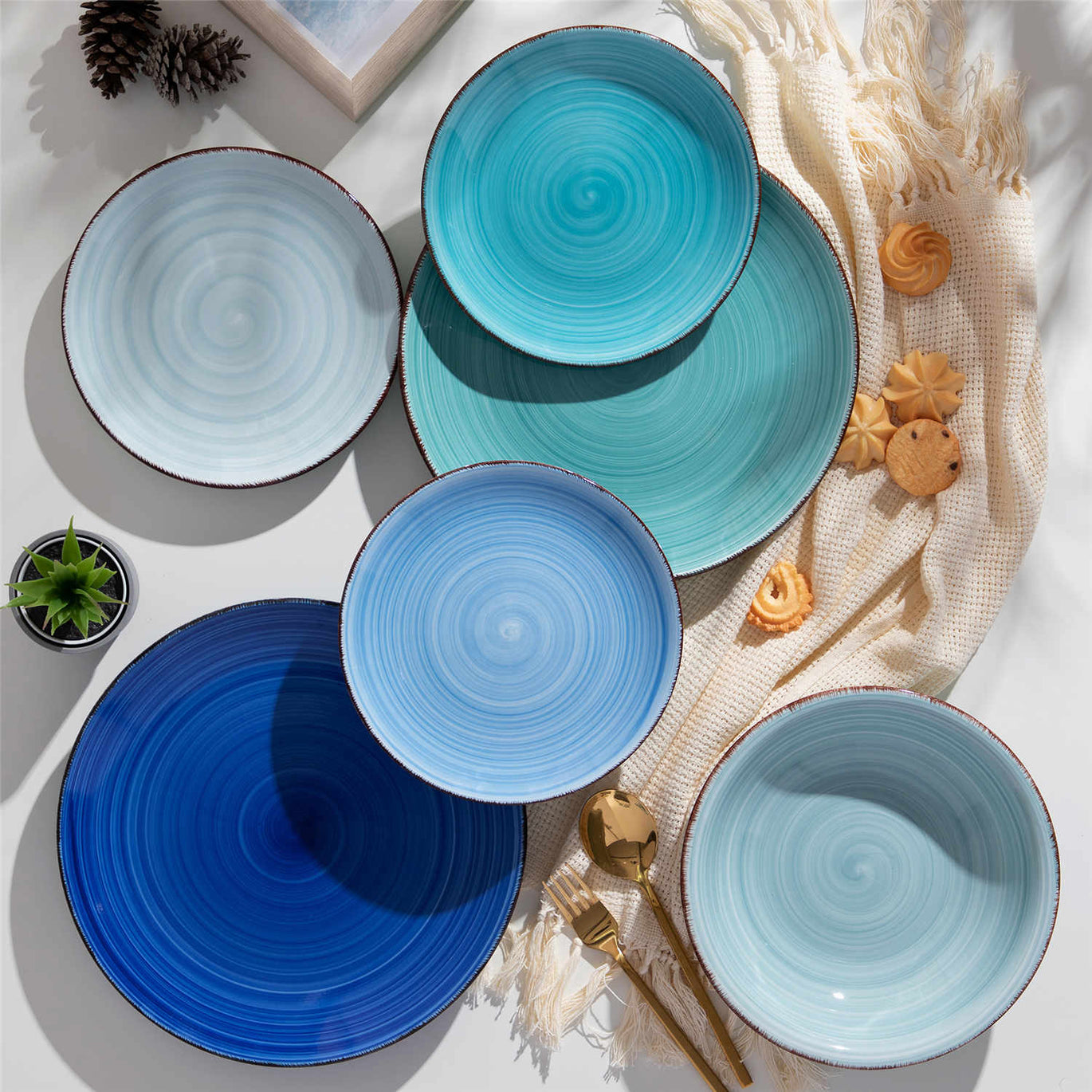


Essential Guide to Ceramic Tableware for Preppers and Survivalists

Ceramic belongs in the preparedness conversation as surely as water filters and radios. When you’re living colorfully through the unexpected—blackouts, storms, long-haul rebuilds—your tabletop can be both joyful and unbreakably pragmatic. Think plates that hold heat safely, mugs that don’t leach nasties, bowls that stack neatly, and glazes that shrug off grit, spice oils, and a winter’s worth of stew. This is your essential, field-smart guide to ceramic tableware choices that thrive off-grid and look good doing it.
I curate table settings the way some folks pack a go-bag: with purpose, calm confidence, and just enough flair to keep spirits buoyant. In preparedness, morale is a resource. Ceramic done right brings the steady pleasure of a home-cooked meal, the dignity of a well-set place, and the resilient utility of gear that won’t quit when the lights do. Let’s build that kit with real-world durability, non-toxic safety, and a dash of creative joy.
Why Ceramic Belongs in a Prepper’s Kit
Ceramic tableware is more than pretty. Properly made, it is vitrified and non-porous, which means it resists stains, odors, and microbiological growth in ways paper and porous plastics can’t match over the long term. Many porcelain and stoneware lines are oven, microwave, dishwasher, and even freezer safe, which broadens your improvisation options from warming food on a wood stove to sanitizing items with heat. Vitrified ceramics carry a seriousness of purpose: they’re built to last years, not weeks, and they keep toxins out of your food when you can least afford surprises.
Versus ultra-tough plastics, ceramic is inherently free of PFAS-style nonstick coatings and can handle heat responsibly without warping or melting. Compared with enameled steel, ceramic quiets cutlery noise, holds temperature without feeling dangerously hot on the rim, and doesn’t rust if a wash gets delayed. And when the world rights itself again, your readiness set doubles as everyday plateware—dependable, joyful, and ready for the next curveball.

Ceramic Families, Decoded
Porcelain is the refined, high-fired ceramic recognized for its hardness, whiteness, and non-porosity. It handles baking and reheating well, provides scratch and stain resistance, and fits daily use when made by reputable, food-safe brands, as outlined by Healthier Homes. Stoneware is the family workhorse: dense, sturdy, with excellent heat retention and everyday oven and microwave use when the maker says so. Bone china blends strength with a lighter, refined feel; it is tough and heat tolerant when free from metal trim, per guidance reflected in dinnerware durability rundowns, but it skews pricier. Earthenware sits on the budget-friendly side; its lower firing makes it more porous and breakable and less ideal for long-term survival use. Finally, melamine is not ceramic—it is melamine resin plastic. It’s very drop-resistant and lightweight for picnics and kids, but it is not microwave or oven safe and is a poor fit where sustained heat is part of the plan.
Quick Comparison for Prepper Use
Material |
Durability Feel |
Thermal Shock Tolerance |
Heat Use (Maker-Approved) |
Key Drawbacks |
Best Prep Use Cases |
Porcelain |
High |
High |
Microwave/Oven/Freezer/DW often supported |
Can chip on tile; heavier than bone china |
Daily plates and bowls; bake-serve versatility |
Stoneware |
High |
Moderate (avoid abrupt swings) |
Microwave/Oven/DW commonly supported |
Heavier/bulkier; sensitive to rapid temperature changes |
Family workhorse; retains heat for stews |
Bone China |
Very high vs weight |
High |
Microwave/Oven if no metal trim |
Pricier; fewer casual finishes |
“Forever” set; elegant resilience |
Earthenware |
Moderate |
Low |
Limited heat; glaze-dependent |
Porous/fragile; stains/chips more easily |
Decorative or occasional use |
Melamine (plastic) |
High drop resistance |
N/A |
No microwave/oven |
Not heat-safe; can scratch |
Casual outdoor eating without heat needs |
DW indicates dishwasher capable when stated by the manufacturer.
These patterns reflect general properties highlighted by durable dinnerware buy guides and brand profiles from The Good Trade and Sustainable Jungle, along with maker specifications from HF Coors and Emerson Creek Pottery.
Safety First: Lead, Cadmium, and Glaze Reality
When you’re stockpiling plates, safety isn’t optional. The phrase lead-free can be deceptively simple; glaze stability depends on the full formulation and firing process, as technical notes from Link Ceramics emphasize. U.S. Food and Drug Administration guidance sets surface migration limits of about 0.5 µg per square centimeter for lead and 4.5 µg per square centimeter for cadmium. Those numbers remind us why sourcing matters, especially in long-duration use.
California Proposition 65 requires warnings on products that contain trace amounts of listed substances. Emerson Creek Pottery notes Proposition 65 compliance and third-party testing, reporting lead- and cadmium-safe results via Bureau Veritas and describing U.S.-made production in Virginia since 1977; that kind of transparency builds trust. Healthier Homes adds important context: regulations and manufacturing standards differ across countries, so you want brands and retailers willing to share test reports, material disclosures, and their compliance posture up front.
Production method matters for surface safety over time. Underglaze decoration fired around 2,190°F fuses pigments beneath or into the glaze and tends to be far more durable than overglaze decoration fired under 1,475°F, which can be vivid but more wear-prone. For branding or measurement rings, favor kiln-fired underglaze or in-glaze decals over cold-applied surface inks in high-wear zones, a recommendation echoed in resources on high-turnover restaurant tableware. While innovations such as nano-glaze or antimicrobial glazes exist, the core principle for preppers is unchanged: verify food-contact safety and thermal performance from a reputable maker, then buy once, buy right.
Link Ceramics also cites a global tally of roughly 1,200 FDA-recorded complaints in 2022 associated with heavy metals in ceramic ware. It’s a nudge toward diligence, not paranoia. Confirm “food safe,” “vitrified,” and third-party testing where available, and retire damaged items promptly because microcracks can harbor bacteria; some testing points to bacterial growth that can multiply severalfold in cracked pieces.
Heat and the Off-Grid Reality
Preparedness rewards you for choosing pieces that are honest about heat. Vitrified porcelain and stoneware from reputable makers like HF Coors are built to withstand oven, broiler, microwave, dishwasher, and freezer service and resist staining, cracking, and crazing; HF Coors even backs chip resistance with a two-year guarantee. That range of heat capability lets you move from warming bread near a stove to sterilizing with hot water. By contrast, bamboo-fiber plates bonded with melamine resins behave differently. Wirecutter’s testing of reusable bamboo dinner plates found they were not microwave-safe, were suitable for hot foods up to about 158°F, and were dishwasher-safe to roughly 140°F. That’s fine for a backyard picnic, but it’s not compatible with high-heat food prep in a crisis. If you expect hotter service or oven resilience, enamelware or fully oven-rated ceramic is the smarter partner.
Thermal shock is another real-world factor. Abrupt swings—say, fridge-cold ceramic placed straight into a hot oven—can crack even sturdy pieces. Practical guidance from buying guides recommends avoiding sudden hot–cold transitions, pre-warming plates before serving hot meals, and letting hot dishes cool before rinsing. Some makers test to standards that cycle pieces from around 428°F to 77°F multiple times. You’ll never need that exact lab script at home, but the discipline translates: treat temperature changes with respect and your ceramics will soldier on.

Weight, Stackability, and Storage
In a small cabin or a crowded pantry, dense stacks and awkward rims become friction points. Everyday durability guides suggest aiming for plates in the 14 to 16 oz range to hit the sweet spot between resistance to chipping and manageable heft. Thicker can be sturdier, but too heavy slows dishwashing and increases fatigue when you’re already doing more by hand. Stackability is a quiet superpower; smooth glazing on the foot and consistent rim profiles prevent grinding in the stack and make it easier to move a whole set in one go. If you stack high, slip felt or paper between plates and bowls, especially with matte or reactive glazes, to keep edges crisp.

Glaze and Finish: Reactive, Matte, and Glossy
Reactive glaze gets its intriguing color variation from kiln firing and chemistry, which means each piece behaves like a tiny artwork. It’s beautiful, and the variance hides scuffs well. For high-turnover, heavy-use contexts, resources aimed at chain restaurants suggest verifying edge strength, glaze durability, and utensil marking performance, since some matte or reactive surfaces can show silverware trails more quickly. Glossy glazes typically clean faster and display fewer visible marks. If you need branding or measurement marks, in-glaze or underglaze decals that are refired to fuse with the surface hold up better than cold-printed inks in rough service.

Sourcing and Verification, Without the Guesswork
Brands with transparent testing and manufacturing information reduce risk today and headaches tomorrow. Emerson Creek Pottery describes U.S. production, Proposition 65 compliance, and lead- and cadmium-safe testing, and packs shipments in boxes made from about 95% recycled fibers, a nice sustainability touch when you’re making fewer, longer-lasting purchases. HF Coors highlights vitrification, lead-free claims, and broad appliance compatibility. Healthier Homes reminds us that country of origin influences regulations and that you should look for independent test results, not just marketing language. Sustainable Jungle’s brand profiles add context on factory certifications such as SA8000, BSCI, ISO, and Sedex, which, while not food-safety standards, signal operational rigor that often correlates with better quality assurance.
Everyday and Off-Grid Care
Care extends the life of any set, especially when replacements are harder to find. Maintain a rhythm of cleaning with soft sponges and mild detergents, give finishes a break from harsh, high-heat dishwasher cycles when you can, and air-dry to reduce water spots. Prevent abrupt fridge-to-oven transitions, pre-warm plates before serving hot food, and wipe spills promptly to avoid staining even on otherwise resilient glazes. Store wisely by avoiding tight, wobbly stacks and inserting thin padding between pieces for long-term storage.
Preparedness communities share practical field hacks too. One backpacker in a survivalist group mentioned cleaning camp cookware with bar soap and river sand for years while trekking Georgia mountain routes, needing only a simple handle repair. That tactic works in a pinch, but abrasive sand can scratch glazes, particularly matte or reactive finishes. If you must scour off-grid, reserve abrasives for unglazed bottoms, and treat decorated areas with extra care.
And never keep compromised pieces in rotation. Chips and hairline cracks are not just cosmetic; they become microbial hideouts. Technical notes caution that bacterial growth can multiply significantly in damaged ware. Retire and replace.

Buying Smart: Sets, Open Stock, and Replenishment
Preppers shop like logisticians. Instead of a big service for eight, begin with a tighter core—dinner plates, side bowls, and mugs you will use daily—and expand deliberately. Open-stock, long-running lines make it much easier to replace a single plate without color mismatches, a best practice echoed in restaurant-focused durability resources. For budgets, factory seconds or open-box pieces often have minor cosmetic quirks that do not affect performance. Sustainable product roundups place four-piece ceramic plate sets anywhere from about $58.00 on the very affordable end to around $200.00 for design-forward collections, while curated brands span roughly $30.00 to $525.00 across bundles. Prices vary with materials, firing complexity, finish, and where they’re made; prioritize piece-by-piece utility over sheer piece count.
Simple Field Test and Home Checks
At home, you can perform a quick sanity check with a vinegar soak to spot glaze whitening, which suggests instability under acid exposure, as described in technical guides. That is not a replacement for laboratory tests such as ICP-MS, but it is a useful cautionary signal. Health guides also suggest lead and cadmium swab tests; pre-wetting with lemon juice or vinegar may improve detection on suspect surfaces. If anything seems off—a sour metallic smell after hot liquids, unusual discoloration, or a glaze that roughens—stop using the piece for food contact and investigate.
When You Need Color and Character
Preparedness doesn’t cancel delight. There are American makers with beautiful, lead-safe glazes and USA-made production, like Emerson Creek Pottery in Virginia, whose designs pull from early American forms and nature motifs. HF Coors offers vitrified dinnerware with robust performance in ovens, broilers, dishwashers, and freezers, plus chip warranties—function that still plays nicely with lively tablescapes. If you mix in reusable bamboo-fiber dinner plates for backyard morale boosters, remember their bounds: not microwave-safe, heat-limited to about 158°F, and better reserved for casual service, as Wirecutter’s tests indicate. For true hot-service resilience, stick with oven-rated porcelain or stoneware, or use enamelware as your heat-tough auxiliary.

Scenario Playbook: Match Material to Mission
If you are bugging in with a family, choose stackable stoneware or porcelain bowls with generous rims, a smooth, dense glaze for easy cleaning, and maker-approved oven and microwave use. That combination handles chili nights, reheats leftovers with minimal fuss, and reduces chip risk in daily cycles. For an off-grid cabin that sees temperature swings, favor vitrified porcelain designed for oven service and avoid rapid transitions by moving pieces through intermediary stages—countertop to warm oven, and hot sink water to air-dry. If you coordinate a community soup night, look to commercial-grade, vitrified ceramics with reinforced rims. Restaurant-focused guidance recommends open-stock lines, consistent glazes, and proof against utensil marking to make replacements painless and keep everything looking cohesive under heavy use. And for a lightweight add-on set for outdoor, low-heat meals, bamboo-fiber plates keep spirits up as long as you respect their heat ceiling and avoid microwaves entirely.

Labels, Certifications, and What They Mean
Vitrified indicates a non-porous body and glaze matured at high temperature. Food safe is the minimum; you want documentation. Proposition 65 compliance signals a brand’s awareness of California’s strict disclosure regime. A maker citing third-party testing, such as Bureau Veritas, strengthens your confidence in lead- and cadmium-safe claims. Factory certifications like SA8000, BSCI, ISO, and Sedex reported by sustainability roundups are not food-safety marks; they speak to labor and systems integrity, which often correlates with quality assurance. On decoration, underglaze or in-glaze decals refired into the surface last; cold-applied inks feel clever until they scrub off at the worst time.
Colorful Pragmatism: The Maintenance Mindset
Caring for your set is an act of resilience and joy. Cycle dishwasher use thoughtfully, give soft sponges the starring role, and avoid harsh abrasives on eating surfaces. Pad stacks with felt or paper, especially if you love reactive matte finishes. Keep units balanced and safe—no leaning skyscrapers of bowls in a trembling pantry—and build a modest reserve of replacements from open-stock lines so a chip never forces a full set change.
FAQ
What’s the single safest bet for all-around prepper use? Porcelain from a reputable, food-safe brand is a superb default because it’s hard, non-porous, and broadly heat-capable when the maker confirms microwave and oven use. Vitrified stoneware is a close second for everyday heft and warmth. Healthier Homes and brand profiles from HF Coors and Emerson Creek Pottery provide the kind of detail and testing transparency worth prioritizing.
Is bone china too fancy for survival? Not necessarily. Roundups highlighting material properties note that bone china combines high strength with a light feel; it works well in daily service. Just avoid metal trim around heat and check the maker’s appliance guidance. Pricing is higher, so balance longevity and budget.
How can I check for heavy metals at home? Quick swab kits can flag issues; pre-wet with lemon juice or vinegar to improve sensitivity, as safety guides suggest. Vinegar soaks can expose unstable glazes. These are screening tools only. When in doubt, retire the piece and consult testing-backed brands.
Are reusable bamboo-fiber plates a smart backup? They’re great for drop resistance and color but are not microwave-safe and have heat limits around 158°F with dishwasher limits near 140°F, per testing profiles from Wirecutter. Use them for cool and warm meals, not high-heat tasks.
A Note on Sources and Experience Signals
The performance profiles and care tips above align with maker claims from HF Coors and Emerson Creek Pottery, safety and sourcing guidance from Healthier Homes, technical leaching and thermal-shock considerations summarized by Link Ceramics, durability tradeoffs outlined by dinnerware buying guides, and heat limits observed by Wirecutter for bamboo-fiber plates. Restaurant-focused recommendations such as reinforced rims, in-glaze decals, and open-stock replenishment derive from resources addressing high-turnover use. Field anecdotes from preparedness communities add texture without substituting for lab-backed safety.
The Colorful Close
Strong plates, safer glazes, smart stacks—this is how we set a resilient table that feeds the body and fortifies the mood. Choose pieces that can take the heat, skip the toxins, and still sparkle at Sunday supper, because preparedness deserves beauty that performs. Pack pragmatism, plate joy, and serve resilience.
References
- https://www.healthierhomes.com/organic-dinnerware?srsltid=AfmBOor8OKdIOFQTof9gJEoTMK5uiVHJDmUYerGcwe1ErtZJD5AaSLqc
- https://www.bonappetit.com/story/judy-disaster-kit?srsltid=AfmBOoo99bPXFqRI39i9aLjuByB_pjahOu16M5sxEQc1vFinTq_8xixl
- https://ceramamadinnerware.com/Dinner_Plates/What_Are_the_Top_6_Durable_Ceramic_Tableware_Choices_for_HighTurnover_Chain_Restaurants_happygodinne.html
- https://smart.dhgate.com/how-to-choose-a-durable-ceramic-set-for-everyday-use-practical-guide-to-long-lasting-dinnerware/
- https://www.ebay.com/itm/396795889156
- https://emersoncreekpottery.com/non-toxic-eco-friendly-pottery-housewares/?srsltid=AfmBOop5aV9nk2vbCl3OJN60c-zssq_G7_rnywxWRYoeJiOlYzBtO4PB
- https://fromourplace.com/products/dinner-plates
- https://www.linkceramics.com/ceramic-tableware-safety-guide/
- https://mamavation.com/product-investigations/safest-dishes-non-toxic-dinnerware-guide.html
- https://www.shopjapandi.com/products/japandi-12pc-dinnerware-set-matte-black?srsltid=AfmBOorO2L4u6lHD-L7XP1yo1PdVDqfS_Fo3dGuSQb8-yWJRNzwTJwh-
Potrebbe piacerti anche
Stern Set di stoviglie da 16 pezzi
- Da €67,95
€90,95- Da €67,95
- Prezzo unitario
- per
-
Blue
-
Green
-
Red
-
Grey
Bonita Set di stoviglie da 18 pezzi
- Da €56,95
€70,95- Da €56,95
- Prezzo unitario
- per
-
Blue
-
Multicolor
Simi Set di stoviglie 24 pezzi
- €90,95
€121,95- €90,95
- Prezzo unitario
- per
Set di stoviglie stellate da 16 pezzi
- €69,95
€81,95- €69,95
- Prezzo unitario
- per
-
Blue
-
Green
-
Red
-
Gradient Green