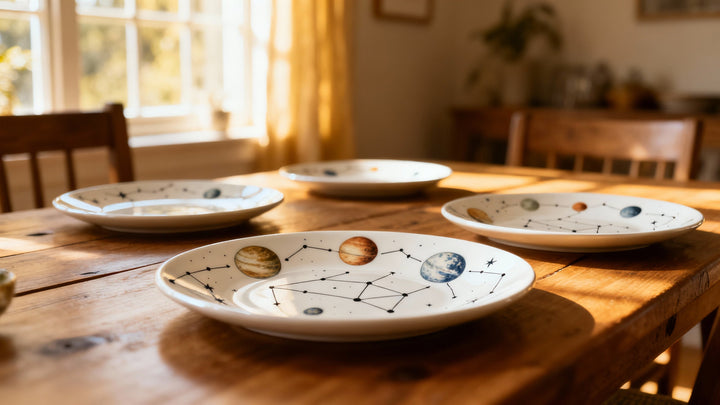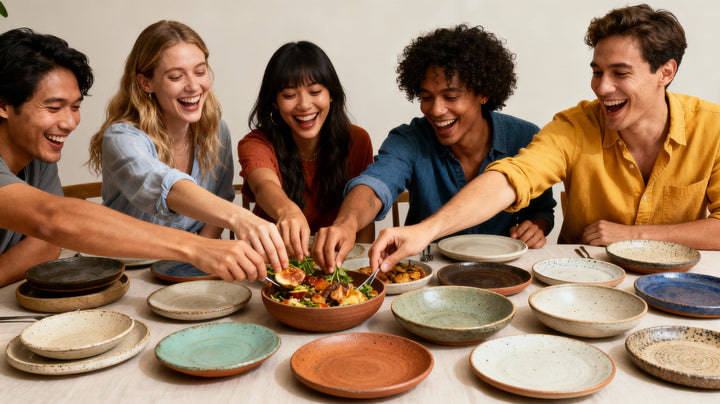


Ceramic plates used to whisper “good china for the ladies” or “rugged stoneware for the guys.” Today, they shout something entirely different: joy, personality, values, and a very welcome refusal to be boxed into pink versus blue. In the dining rooms I style, I watch guests instinctively reach for their cell phones before their forks, capturing tablescapes that feel like them rather than like somebody’s idea of what “feminine” or “masculine” should look like.
We are living in a post-gender era of tabletop design. That does not mean colorless minimalism or a world where everyone uses the same plain white plate. It means the rules have loosened, identity is more fluid, and ceramic tableware has become a creative, inclusive canvas. The exciting part is that this shift is not theoretical. It is visible in real trends, real collections, and real consumer choices documented by brands, design journalists, and researchers across the ceramic world.
Let’s walk through what is actually happening, why ceramic is leading the change, and how you can build a post-gender table that is vibrant, practical, and deeply you.
From Gendered Tabletop to Post-Gender Playground
For decades, the script was familiar. Bridal registries filled with delicate floral porcelain “for her,” and heavy, dark stoneware sets were marketed for “him” and his weekend entertaining. Color was coded, shapes were conservative, and a lot of tables ended up looking the same.
Over the past decade, that picture has changed dramatically. MDMAISON describes modern dinner plates as more than food carriers; they are decor and identity markers, chosen for their color, shape, story, and even the eco-conscious narrative behind them. At the same time, Vancasso frames ceramic tableware as a kind of social currency that tells guests who you are before you even serve the first course.
Market data reinforces the shift. According to figures cited by Vancasso and Joyye, ceramics already accounted for more than half of global dinnerware sales in 2021, and the ceramic tableware market is projected to grow from about $102 billion in 2024 to roughly $145.5 billion by 2030, with a compound annual growth rate around 6.1 percent. This is not a niche hobby; it is a major lifestyle category that is evolving in real time.
If one word captures contemporary dinnerware trends, MDMAISON argues it is diversity. Nordic minimalism sits comfortably beside maximalist gold rims, sculptural plates share the table with round classics, and bright dopamine colors are layered over timeless blue-and-white. In my own styling work, that diversity plays out as tables where a soft blush bowl, a deep teal pasta plate, and an oxblood mug all share space without anyone assigning them a gender.

What “Post-Gender” Really Looks Like on the Table
Post-gender tabletop design is less about erasing gender and more about decentering it. Instead of asking whether a dish looks feminine or masculine, we ask what story it tells. Does it feel calm or energetic, nostalgic or futuristic, earthy or glamorous? Does it reflect the people at the table in their full complexity?
A post-gender table tends to shift in a few key ways. Color is freed from stereotypes, so a rich red oxblood glaze is not automatically labeled “dramatic and feminine” or “too bold for a minimalist guy.” It is simply a powerful hue, and anyone who loves it can claim it. Shapes become more playful and less coded. MDMAISON notes that symmetry is no longer required; asymmetrical plates, nature-inspired forms, and deliberately imperfect rims are all on trend. That means a cabbage leaf plate or a hand-pinched bowl is just as appropriate at a business dinner as at a garden brunch, depending on how you style it.
Sets also evolve. Rather than buying one strictly matching dinnerware service for life, more people are curating eclectic, mix-and-match collections. MDMAISON sees clients blending different collections within the same brand for individuality. Joyye highlights mix-and-match place settings and space-saving designs as key functional trends for 2025. Vancasso recommends building a pragmatic backbone of stoneware and layering special pieces over time. In my view, that is where post-gender really comes alive: a table where no one plate has to represent a gendered role, because the whole setting is a collage of personal choices.

Why Ceramic Is the Post-Gender Canvas of Choice
Ceramic is not the only material on the table, but it is the star of this era. The Good Trade and Vancasso both break down why ceramic plates and bowls are so trusted for everyday and special-occasion use. Ceramics are made from natural clays, then fired and glazed to create non-porous, food-safe surfaces that resist stains and odors. They feel familiar, but technologically they are highly evolved.
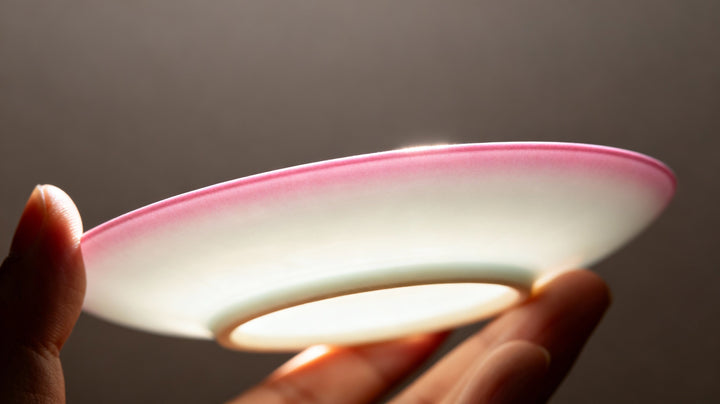
Vancasso points out that fired clay plus a lead-free glaze yields a surface that usually handles dishwashers, microwaves, and ovens with ease, especially when you choose stoneware or porcelain. The Good Trade notes that stoneware is fired around 2,200°F to 2,350°F, which makes it dense, durable, and naturally waterproof, while porcelain is fired even hotter, up to about 2,400°F, resulting in thin, hard, refined pieces that still perform beautifully in daily life.
From an aesthetic perspective, ceramic is a dream for post-gender design because it takes color and texture so well. Matte glazes, glossy finishes, speckled surfaces, reactive glazes that pool and break unpredictably, sculpted rims and debossed patterns; ceramic can do them all. That makes it easier to create inclusive tablescapes where personality shines and no one motif dominates.
Here is a quick snapshot of the main ceramic types, based on explanations from The Good Trade and Vancasso.
Ceramic Type |
Everyday Feel |
Key Strengths |
Things To Consider |
Earthenware |
Rustic, handcrafted, cozy |
Warm, artisanal look; great for decorative or occasional pieces |
Softer and less durable; best kept for gentle use and accent plates |
Stoneware |
Solid, relaxed, modern |
Dense, chip-resistant, excellent for everyday plates, bowls, and mugs; retains heat well |
Heavier in the hand and in storage; check microwave and oven ratings |
Porcelain |
Refined, bright, timeless |
Thin but strong; smooth, sometimes slightly translucent; ideal for elevated but still usable sets |
Often pricier; glossy versions show scratches more if stacked roughly |
Bone china |
Delicate-looking, luxurious |
Light, strong, with a pearl-like tone often linked to formal dining |
Contains animal bone ash, which Vancasso notes can be an ethical concern for vegans |
In post-gender tablescapes, I often rely on stoneware as the everyday hero, then weave in porcelain or bone china as a kind of jewelry. A matte stoneware dinner plate can ground the table, while a fine porcelain dessert plate adds lift and sparkle, regardless of who sits where.

Color Trends for a Post-Gender Era
Color is where the post-gender revolution feels most thrilling. Joyye describes 2025 ceramic tableware as moving away from the extreme minimalism of previous years toward bold, expressive color and artistry. The core palette they highlight includes three anchors: classic blue-and-white, mood-boosting “dopamine decor” hues, and metallic gold accents that add a hint of luxury.
At the same time, MDMAISON has already observed a shift from all-white and neutral plates to kaleidoscopic dinnerware that is “expressive, artsy, and sometimes delightfully over-the-top.” Brands like Fiesta have long invited people to mix dozens of colors piece by piece. That spirit of playful personalization now feels completely aligned with a post-gender mindset.
Dopamine Decor and Mood-Boosting Color
Dopamine decor is about color that makes you feel good on contact. Joyye positions these hues as mood boosters, not gender signals. Think sunny yellows, juicy citrus tones, vibrant greens, and saturated blues that feel like vacation. On the table, these show up as hand-painted glazes with visible brush strokes, irregular edges that reveal the clay beneath, and layered reactive glazes that shift from one shade to another.
Vancasso notes that in a camera-first culture, matte finishes help colors photograph beautifully by reducing glare, while darker bases sharpen plate edges in photos. That makes dopamine-friendly ceramics especially powerful when they are finished in soft matte or semi-matte glazes that flatter both food and skin tone. To me, this is where the post-gender aspect is obvious: these plates perform for the camera, the eye, and the appetite, no matter who is holding them.
Oxblood and Other Inclusive Power Colors
Joyye singles out oxblood, a rich deep red borrowed from fine Chinese porcelain traditions, as the signature color for 2025. In designer selections they cite, the use of oxblood reportedly jumped from about 12 percent to 20 percent, which is a striking rise for a single hue.
Oxblood is a fascinating post-gender color because it reads as strong, historic, and global rather than as a shorthand for romance or aggression. It looks magnificent paired with cool blue-and-white, grounded with earthy browns, or lit up by metallic gold. On the table, it can show up in a single hero piece, like a serving bowl, or in small touches like the rim of a plate or the underside of a mug.
When I use oxblood on a table intended for a mixed-age, mixed-gender crowd, I treat it like the seasoning that anchors the meal. A deep red platter under roasted vegetables, a narrow oxblood stripe on salad plates, or an oxblood-glazed espresso cup after dessert can add richness without overwhelming the palette. Nobody reads it as “for him” or “for her”; it simply feels confident.
Mixing Palettes Without Stereotypes
One of the most effective post-gender moves you can make with color is to untangle it from identity labels and tie it to mood instead. Vancasso refers to color psychology where blue ceramics can enhance perceived taste and aroma, red can stimulate appetite, and saturated hues in the “dopamine” family lift mood. If you start from those effects, you naturally end up with more inclusive schemes.
For example, a brunch table might combine soft blue-and-white plates with citrus-yellow bowls and leafy green napkins, echoing the seasonal fruit and herbs in the menu rather than anyone’s gender. A winter dinner can lean into jewel tones and metallics, with oxblood, deep teal, and gold creating a festive, glamorous energy that suits everyone.
The key is to surround any very strong statement color with a spectrum rather than a binary. When hot pink is surrounded by navy and charcoal, people read it as modern and graphic, not as “girls’ night only.” When pastel lilac appears next to smoky green and rich brown stoneware, it feels botanical, not pigeonholed.
Shape, Texture, and the End of “His and Hers” Place Settings
Color gets the headlines, but form and feel also play big roles in dissolving gender labels. MDMAISON notes a broad movement away from perfect symmetry toward shapes that echo nature: cabbage leaves, palm fronds, sliced fruit, flower petals, and starfish all show up as plate silhouettes from brands like Bordallo Pinheiro and Virginia Casa. Jars Céramistes leans into deliberately imperfect edges and antique-style glaze that feel relaxed and handmade.
Royalware, in its deep dive on custom shape ceramic plates, frames these forms as a modern evolution of traditional tableware where function and art merge. They describe three main style directions: classic elegance with refined curves, rustic charm with earthy tones and organic shapes, and contemporary flair with bold geometry and avant-garde patterns. None of those are inherently gendered; they are mood states.
Texture adds another inclusive layer. Joyye highlights crackled glazes, reactive finishes, embossing, debossing, and gradient effects as ways to make ceramic plates feel like functional art. MDMAISON points to raised geometric motifs and organic, uneven lines as key innovations. When you set a table where every plate has a slightly different texture or contour, it becomes impossible to assign one type to “the men” and another to “the women.” The table is simply an artful landscape that everyone shares.
From a practical angle, I always think in pros and cons. Highly textured plates look incredible in photos and feel luxurious under the fingers, but they can be slightly harder to clean if the relief is very deep. Asymmetrical pieces stack less efficiently than perfectly round ones, so you may want to limit those to accents if your cabinet space is small. On the other hand, custom shapes can help you use space more efficiently on the table during multi-course meals, as Royalware notes, because you can tuck unusual contours into gaps between serving dishes.

Functionality for Real Life: Multi-Use, Small Spaces, Big Feelings
A post-gender table is not only about aesthetics; it has to work in real apartments and houses, with real dishwashers and real weekday exhaustion. This is where multifunctional shapes and pragmatic materials matter.
MDMAISON praises plates that stack well, brave the dishwasher and microwave, and double as serving dishes. Hybrid forms like pasta bowls, which combine a plate’s flatness with a bowl’s depth, are especially popular. Architectural Digest highlights an “everything bowl” that can handle soup, salad, pasta, entrées, or citrus, underscoring how a single shape can play many roles. For small spaces, collections with intentionally ambiguous shapes, like the ones mentioned in Architectural Digest that let a pasta bowl become a salad or appetizer vessel, help minimize the number of pieces you need.
Joyye reinforces the trend toward space-saving designs suited to urban living and mix-and-match place settings that do not require a massive cupboard. Vancasso recommends using stoneware as a chip-resistant everyday backbone and keeping a smaller porcelain capsule set for more refined plating. Vogue’s dinnerware guide echoes that stoneware is an excellent daily driver, while porcelain, despite its reputation, is actually durable enough for frequent use.
In my own kitchen, I live by three questions when adding a piece. Whether it can handle both casual and special meals, whether it can move from oven to table or from breakfast to dessert, and whether it plays nicely with at least three other items I already own. Those questions keep the collection lean, functional, and inclusive, because every piece is chosen for versatility rather than for a gender-coded occasion.

Sustainability, Ethics, and Identity in Post-Gender Dining
The post-gender era is also a post-just-for-show era. The European project “Ceramics and its Dimensions,” described in an introduction published by academia platforms, connects museums, factories, universities, and designers around the cultural and technical roles of ceramics. One of its modules, “Shaping the Future,” explores how ceramics can address sustainability and future design challenges. Participants even combined ceramic making with foraged local food and a shared eating experiment, underlining how tableware and food systems are intertwined.
The Good Trade evaluates ceramic plates through the lens of sustainable materials, durability, and affordability. Heath Ceramics, for example, uses about 30 percent pre-consumer recycled clay and lower firing temperatures to reduce energy use while maintaining quality. Vancasso, citing Joyye, stresses that buyers increasingly expect non-toxic, lead-free glazes and nature-respecting production as a baseline, not a bonus.
Ethical considerations also show up in material choices. Vancasso defines bone china as porcelain that contains calcined animal bone ash and notes that this can be problematic for vegans or anyone avoiding animal-derived products. In a post-gender framework, this becomes another identity dimension you can express at the table. Choosing vegan-friendly porcelain, or supporting brands that emphasize recycled clay and energy-conscious firing, allows your plates to reflect your values alongside your aesthetic.
On the social side, Vancasso underscores how ceramic finishes are chosen for their photogenic qualities in a world where guests document meals on social media. Matte glazes, darker plate bases, and carefully placed metallic accents all help food and tableware look their best. From my perspective, the more we foreground craft, sustainability, and shared joy in those photos, the less room there is for rigid gender scripts.

How to Build a Post-Gender Ceramic Collection
You do not need to throw out your existing dishes to embrace this new era. Think of it as a gradual curation project rather than a total reset.
MDMAISON recommends starting with timeless, neutral core pieces and layering in vivid accents over time. Joyye suggests minimalist base items paired with standout statement plates as conversation starters. Vancasso proposes a very pragmatic strategy: invest in durable, lab-tested stoneware as your everyday backbone, keep a smaller porcelain set for refined occasions, and reserve earthenware for occasional accent pieces. They also suggest starting with a modest set, such as a few dinner plates, bowls, and versatile platters, then adding colors, textures, and specialty items as your hosting habits evolve.
Vogue and Architectural Digest both highlight the value of a reliable, minimalist stoneware set that does not steal the show, paired with bolder chargers, patterned bowls, or specialty dessert plates. This combination works beautifully in a post-gender context. The neutral pieces keep things calm and flexible, while the accents let you dial up personality for different events: jewel tones and metallic rims for New Year’s Eve, earth tones and reactive glazes for a harvest dinner, powdery pastels and florals for a spring brunch.
In my practice, I often begin by re-framing what people already own. A traditional floral porcelain set labeled as “too feminine” can become fully modern when paired with matte charcoal stoneware and colored glass. A heavy, dark stoneware set marketed as “manly” can lighten up with the addition of off-white appetizer plates and playful, hand-painted salad bowls. The goal is not to erase the history of those pieces, but to remix them so they tell a more nuanced story.

FAQ
Is colorful ceramic tableware harder to style for mixed-age guests?
Not if you treat color as a mood tool rather than a demographic label. Joyye’s dopamine decor concept and Vancasso’s color psychology guidance both focus on emotional impact: appetite, comfort, excitement. When you build palettes around the energy of the meal and the season, rather than assumptions about age or gender, vibrant tableware becomes easier, not harder, to use. A saturated plate can delight a grandparent and a teenager equally when it frames beautiful food and sits within a thoughtful mix of tones.
What if I already own a very traditional, gendered dinnerware set?
Think of that set as a character actor rather than the entire cast. Following the modular approach MDMAISON and Vancasso describe, you can keep using your existing plates while adding neutral stoneware dinner plates underneath them, colored glass salad plates above them, or more contemporary bowls on the side. Over time, the original set becomes one voice in a chorus of styles instead of the sole defining note. That is a very post-gender move: honoring history while making room for new identities and stories.
Does post-gender tableware mean everything has to be neutral?
Not at all. In fact, the research from Joyye and the lively examples in MDMAISON’s and Vogue’s trend coverage suggest the opposite. The future of ceramic tableware is bold, expressive, and often joyfully maximal. Post-gender simply means that any color, motif, or texture is available to anyone. A gold-rimmed dessert plate, a mushroom-illustrated platter, an oxblood charger, and a minimalist matte bowl can all live together on the same table, free from assigned roles.

Setting the Joyful, Post-Gender Table
The most beautiful thing about this post-gender era is how ordinary it can feel. A weeknight dinner on chip-resistant stoneware, a holiday feast on a mix of heirloom porcelain and new statement plates, a brunch where everyone reaches instinctively for the piece that speaks to them; none of that requires a grand declaration. It just asks for intention.
As a Colorful Tabletop Creative & Pragmatic Joy Curator, my invitation is simple: let your ceramic tableware reflect the full spectrum of who you and your guests are. Choose pieces for their craft, their sustainability, their touch, and above all, for the spark of delight they bring. When your table is set with that kind of care, gendered scripts fade into the background and what remains is what matters most: shared food, shared stories, and shared color-soaked joy.

References
- https://www.academia.edu/105445379/Ceramics_and_its_Dimensions_Shaping_the_Future
- https://www.jocellhome.com/top-ceramic-tableware-trends-to-elevate-your-dining-experience-in-2025
- https://www.roomservice360.com/bontempi-casa-millennium-ceramic-dining-table.html?srsltid=AfmBOoqvf1fhbjEUpSHzROGbbwmiZ0gI-4gEaqOlgzk4-YEgfXg0EXvf
- https://www.2modern.com/collections/ceramic-dining-tables?srsltid=AfmBOopKRTgPRv9riqnIi1ZIYnC_zreBuRoj1Lzzf1F_sAP5GNcYlu-d
- https://www.architecturaldigest.com/story/best-dinnerware-sets
- https://ekaceramic.com/8-must-have-ceramic-dish-styles-for-modern-homes/
- https://www.happygodinnerware.com/Dinner_Plates/1739430355486.html
- https://www.heathceramics.com/collections/dinnerware-sets?srsltid=AfmBOopJkeU5WMQIM__c6FoeXXDD9aDqZYpILu3wBtJ4Tqm3VbzDdNw9
- https://www.joyye.com/info-detail/8-inspiring-ceramic-plate-ideas
- https://www.lovinghomecollection.com/ceramic-dinnerware-set-design/