



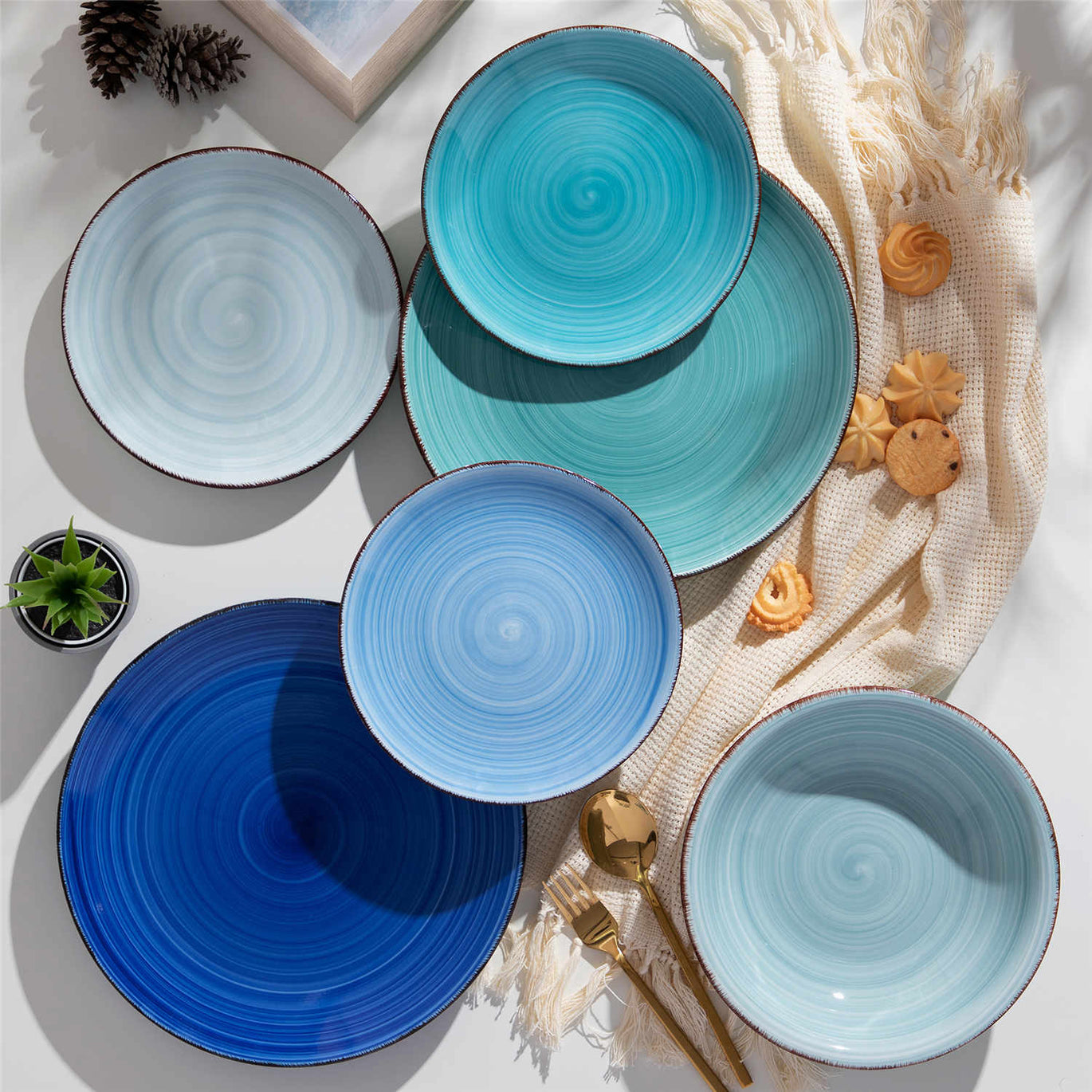


The Importance of Physical Ceramic Tableware in the Metaverse

A Seat at Two Tables: Clay in a World of Code
Picture this: your friends appear as avatars around a glowing digital table, a recipe floats above your real-life plate, and your headset whispers, “Remove the focaccia now, it’s at peak crisp.” The scene feels futuristic, almost sci‑fi. Yet at the very center of it all is something ancient: a fired clay plate warm from the oven, heavy in your hands, setting the mood long before the pixels kick in.
As a colorful tabletop obsessive and pragmatic joy curator, I live where food, ceramics, and technology overlap. I have seen dinner parties where guests scan plates to read about glazes and farms, restaurant teams testing augmented-reality (AR) plating guides, and home cooks choosing bowls as carefully as they choose filters. The more digital our dining spaces become, the more important physical ceramic tableware actually is.
Research on plate psychology and tableware design shows that color, shape, pattern, weight, and material quietly steer how we perceive flavor, healthiness, and value. At the same time, the ceramic industry itself is becoming highly digital, with AR tools turning plates into interfaces and prototypes into data. This article threads those worlds together: what science says about plates and perception, how AR-enhanced ceramics are already metaverse-ready, and how to build a physical ceramic collection that shines both on the table and on-screen.

Metaverse, AR, and Ceramic Tableware: A Quick Primer
Tableware, sometimes called dinnerware or dishware, covers the pieces that touch our meals and frame our tables: plates, bowls, mugs, serving pieces, cutlery, and drinkware. Within that family, ceramic tableware usually means earthenware, stoneware, porcelain, or bone china, all made from non-metallic, inorganic materials hardened by heat. Earthenware is fired at lower temperatures and often needs glaze; stoneware, typically fired around 2,200–2,350°F, is denser and non-porous; porcelain is fired a bit hotter still, producing very hard, refined, often bright-white pieces; and bone china blends bone ash into an extraordinarily strong, thin, translucent ceramic.
Augmented reality is the digital bridge between your plate and the metaverse. AR overlays images and information onto real-world views through a phone, tablet, or headset, unlike virtual reality, which replaces your surroundings entirely. In ceramic tableware, AR already powers life-size virtual place settings on your actual table and scannable plates that reveal clays, glazes, and safety credentials, turning dishes into anchors for digital content rather than props in a separate fantasy world.
Modern ceramic manufacturing has quietly gone digital as well. Brands now use CAD design files, high-definition digital inks, multi-layer printing, automated forming and casting, and AI-based machine-vision quality control. That means most new plates begin life as data, and those same files can be reused for AR models, 360° product views, and smart-catalog experiences.
Economically, this is not a niche playground. One analysis of the global ceramic tableware market projects growth from about $102 billion in 2024 to roughly $145.5 billion by 2030, with heat-resistant ceramic tableware alone expected to rise from around $29.9 billion in 2025 to about $52.1 billion by 2035. Another forecast for ceramic dinnerware specifically sees the category moving from about $12.4 billion in 2024 to around $22.2 billion by 2034, with North America representing more than a third of that market. Within this, sustainable ceramic tableware is highlighted as a major growth engine.
In other words, plates and bowls are already data-rich, globally significant objects. That makes them perfect candidates to become everyday bridges between clay and code.

What Science Already Knows About Plates and Perception
Color and Shape: Tuning Flavor Before the First Bite
Long before anyone coined “metaverse,” psychologists and sensory scientists were quietly proving that tableware changes taste. Research reviewed by ecoBirdy and others, including a 2012 University of Oxford study, shows that the color, size, and shape of plates measurably influence how people experience food.
Work on plate psychology summarized by design writer Charles Saunders explains that warm plate colors like red, orange, and yellow tend to stimulate appetite and make food appear more vibrant, while cool blues and greens feel calmer but often less appetite-enhancing. White plates create a neutral backdrop that lets food colors stand out and can make dishes look cleaner and more refined.
In a University of Portsmouth study involving nearly 50 participants, researchers found that for picky eaters, snacks tasted saltier when served in red and blue bowls than in white ones, and snacks in red bowls were rated least desirable overall. The authors suggested a learned link between blue packaging and salty snacks in the UK, implying that packaging colors can train expectations that then transfer to bowls and plates.
Shape carries its own psychological seasoning. Round or curved plates are perceived as traditional and comforting, while square or angular plates signal contemporary, artistic, and sophisticated dining. Research on shape metaphors suggests that round foods are associated with “rounded” or sweeter qualities, whereas angular foods are seen as sharper and saltier. When you combine those shape cues with color, you effectively pre-program taste before anyone lifts a fork.
These effects do not vanish just because you are chatting with friends through avatars or a headset. Even in a highly digital dining scenario, your brain is still reading the actual plate in front of you in all its curves and color.
Pattern and Beauty: The Hidden Flavor Filter
Beyond color and silhouette, pattern aesthetics matter. A study published in an NIH-hosted journal examined how plate pattern beauty and style influence expectations and taste. The researchers manipulated two factors: subjective beauty (high versus low) and aesthetic type (classical, meaning orderly and symmetrical, versus expressive, meaning original and creative).
Across multiple experiments, highly beautiful plates consistently boosted ratings for tastiness and, in some contexts, healthiness. In one experiment, food on less beautiful expressive plates was rated significantly less tasty and less healthy than all other conditions. Beautiful expressive plates and beautiful classical plates, on the other hand, both produced high tastiness ratings. In another experiment, beautiful patterns increased perceived sweetness and even greasiness, and influenced estimated price, suggesting that beauty affects not only flavor expectations but perceived economic value.
The practical lesson is surprisingly sharp: it is better to have a clearly beautiful expressive plate or a clearly beautiful classical one than a “messy” expressive pattern that reads as low-beauty. For a metaverse-era host, that means your expressive, story-rich dishes can absolutely lean on bold pattern, but those patterns must be truly compelling, not just busy, or they risk dragging down the perceived quality of your food both offline and on-camera.
Weight, Warmth, Emotion, and Identity
Color and pattern speak to the eyes; weight speaks to the body. Articles on tableware psychology and dining experience emphasize that the heft and texture of plates and bowls deepen sensory attention. Stoneware, for instance, is a dense, durable clay that retains heat well and offers a satisfying weight in the hand. That weight and slight roughness can make a meal feel more grounding and immersive, as Vancasso and others note, especially when rustic tones like beige, brown, and gray are used to create a warm, natural atmosphere.
Research cited by tableware designers suggests that smaller plates and bowls can make portions look more generous and help diners feel more satisfied with the same amount of food, while large plates with wide negative space can make portions feel refined and delicate. Large round platters encourage sharing and social interaction; individualized bowls support more intimate, personalized dining.
Fine-dining research in the Journal of Business and Social Review in Emerging Economies goes further, framing tableware as “monumental” in shaping upscale restaurant experiences and profitability. The study, grounded in Norman’s Theory of Three Levels of Design, argues that distinctive tableware at the visceral level (what you see and touch first) can trigger unforgettable emotional responses. Contemporary practice even extends to personalized plates with logos or signatures, which reinforce brand identity and give each dish a unique visual signature.
In a metaverse context, where diners might “meet” at a virtual restaurant while eating at home, these emotional cues become even more critical. The avatar, filter, or digital environment may set the narrative, but the ceramic plate in front of each person still dictates how the food tastes, how luxurious the moment feels, and how the experience is remembered.

Clay Meets Code: AR as the Metaverse Layer on Your Table
AR as a Visual Advisor, Not the Judge
If the metaverse is a layered reality, AR is the everyday layer that already sits on our tables. An in-depth journal article on augmented-reality ceramic tableware explains that AR lets you see true-scale virtual place settings on your actual dining table, scan marks on plates to reveal materials and safety information, and explore 3D views of dishes alongside material specs and reviews.
For home cooks, AR directly addresses classic purchase anxieties: Will these oversized dinner plates overwhelm a small table? Do bold new colors clash with existing pieces? How many serving bowls can fit without crowding? The same article, however, stresses the limits of AR. On-screen colors rarely match glazes perfectly, and no overlay can reproduce the tactile feel of weight, rim shape, or the way a reactive glaze catches light. The authors recommend treating AR as a valuable advisor rather than a final judge, and urge buyers to double-check actual measurements, read material specifications for heat resistance and care, and validate major choices with physical samples or starter sets before placing large orders.
Retailers and hospitality buyers use the same CAD and 3D data to stage virtual assortments in real interiors. A hotel group, for example, can preview oven-to-table ramekins and handled bowls on existing banquettes and sideboards to test silhouette, capacity, and service flow before ordering samples. AR allows them to experiment with trend-driven color stories, mix-and-match sets, and special-edition forms without shipping dozens of heavy boxes back and forth.
Personalization trends lean heavily on this bridge between clay and code. Mix-and-match systems, monograms, limited runs, and even bespoke forms produced via ceramic 3D printing can all be previewed in AR. Restaurants and retailers can test diameters, rim profiles, and colorways in small digital pilot runs, then in limited physical runs of around 50–200 pieces, before committing to tools or mass production. AR here is not about replacing plates; it is about de-risking creativity and reducing waste.
Smart Ceramics and AR-Enhanced Dishes
The story gets even more metaverse-ready when ceramics themselves become smart. Articles on future dining design describe emerging “smart ceramics” that integrate sensors and advanced coatings, pointing toward self-healing, self-sanitizing, and temperature-adaptive surfaces. AR is positioned as the user interface for these features: scan a plate to read its temperature, visualize antimicrobial zones, or follow plating guides that appear as dynamic outlines on the surface.
Vancasso’s work on AR-enhanced ceramic dishes shows how this looks in practice. AR is defined there as superimposing digital information on real plates and bowls, using the dish itself as both trigger and canvas. Research summarized via ScienceDirect and NIH indicates that AR food presentations can increase desire and purchase likelihood by making dishes feel more personally relevant and easier to imagine tasting, a meaningful effect in a global online food delivery market that has already surpassed roughly $150 billion and was projected near $910 billion in 2023 with around 20 percent year-over-year growth.
Headset-based AR cooking is no longer science fiction. One MDPI Sensors study demonstrated a headset costing about $550 in 2022 that recognized ingredients and anchored step-by-step instructions directly in the cook’s field of view. Another project, CookAR, worked with participants with low vision and found that overlays highlighting specific parts of tools, such as handles versus blades, enabled free-form kitchen tasks in just a few minutes. Participants favored solid color fills for safe-grip zones, outline treatments for hazards, limited color palettes of two or three high-contrast colors, and context-aware overlays that fade once an object is grasped.
Designers of AR tableware experiences now recommend many of the same principles: simple, high-contrast overlays; minimal but meaningful colors; clear audio cues for urgent warnings; and WebAR experiences (browser-based AR that needs no app download) for guest-facing scenarios like dish previews, allergen information, or storytelling courses.
The key point for our metaverse dinner party is this: every one of these AR experiences still depends on a physical plate or bowl. The digital layer can guide your hand, narrate a dish, or show an animation, but your fingers still rely on the temperature, weight, and edge of real ceramic to stay safe and feel satisfied.

Why Physical Ceramic Tableware Still Matters in a Digital-First Future
Sensory Satisfaction Screens Cannot Fake
Virtual worlds can simulate many things, but there is no codec for warmth seeping into your palms from a stoneware bowl. Stoneware, as described in consumer research, is fired at higher temperatures, making it non-porous, scratch-resistant, and more resistant to daily knocks. It has real weight, and that weight telegraphs comfort and quality in a way a purely digital bowl never can.
Heat-resistant ceramic tableware is being engineered to handle extreme temperatures, thermal shock, and repeated trips between oven, table, and dishwasher, all while staying chip-resistant and lightweight enough for service. Some regional markets focus more on price; others emphasize durability and performance, but the overall direction is clear: oven-to-table lines that keep food hot and tables stylish. AR can visualize heat zones or illustrate stacking efficiency, yet it is the glaze composition and body formulation that keep your dish intact when you pull a bubbling gratin onto the table.
Even inclusive, assistive tableware design underscores the importance of physical form. ecoBirdy’s Mabo Plate, while made from recycled plastic rather than clay, features a double-curved side wall and a subtle internal step that physically guides food onto utensils. The outer shape offers a more stable, ergonomic grip. AR could theoretically draw a bold arrow showing where to scoop, but without a lip or contour, the fork still struggles. In other words, tactile geometry carries much of the accessibility load, and ceramics are a prime canvas for such thoughtful shaping.
Trust, Safety, and Transparency in a Hybrid World
AR gives us new ways to interrogate the plates in front of us. Articles on augmented-reality tableware describe scannable marks that reveal the clay body, glaze type, and safety credentials, including whether pieces are lead-free and microwave-safe. Other overlays can display recommended maximum temperatures, show which zones stay hot longest, or highlight safe grip areas when a plate comes straight from the oven.
At the same time, sustainability-minded brands emphasize material transparency and ethical production long before the scanner comes out. Fable positions its ceramic dinnerware, crafted in Portugal and hand-finished for a one-of-a-kind look, within a mission to become a zero-waste business. Year & Day highlights ceramic pieces made from local Portuguese clay that is fired to a vitrified, water-resistant surface and finished with a semi-matte glaze; its plates are dishwasher- and microwave-safe, freezer-safe, and oven-safe up to 480°F. Articles on consumer preferences note that many buyers now actively evaluate worker conditions, environmental impact, and brand values when choosing dinnerware.
AR can surface all this information at the table, but it does not make a glaze safer or a clay body more durable. The trust still resides in the physical ceramic: in lead- and cadmium-free formulations, in certifications, and in the way a piece performs over years of service. Digital transparency amplifies that trust; it does not replace it.
The same goes for visualization accuracy. AR articles are candid about limitations: camera distortion can mislead size perception; models and measurements can be inaccurate; and on-screen color often fails to match real-world glazes. Maintaining up-to-date AR data is an ongoing burden, and overly complex configurators can overwhelm shoppers. This is why experts recommend using AR to shortlist designs, confirm scale on your table, and tell material stories, then validating decisions with at least a small physical order.
Sustainability and Storytelling
If the metaverse tempts us toward endless digital novelty, ceramics tug us back toward longevity. Sustainable-dinnerware guides point out that ceramic plates, made from natural clay, are more durable than typical tempered glass or plastic options and avoid petrochemical-based materials. Brands like East Fork in Asheville craft functional, modern plates from locally sourced clay, producing durable pieces praised for surviving daily family use. Heath Ceramics, a heritage American maker, fires specialized clay at lower temperatures to conserve energy and uses about 30 percent pre-consumer recycled clay, and it holds B Corp certification.
Consumer-trend research shows sustainability has become a major growth driver. One forecast for sustainable ceramic tableware projects an increase from about $102 billion in 2024 to roughly $145.5 billion by 2030. Articles on hospitality strategy frame durable, long-lasting tableware as a sustainability tactic in itself: fewer replacements mean less waste, lower environmental impact, and a more responsible approach to consumption. Choosing biodegradable or responsibly sourced tableware helps restaurants and hosts align with guests’ eco-conscious values.
Digital workflows help here too. AR and 3D modeling ride on the same digital decoration and additive-manufacturing pipelines that create intricate patterns with high-definition inks and generative designs. Designers can iterate patterns, scales, and capsule collections virtually, reducing physical prototypes, energy use, and scrap. Instead of firing dozens of test plates just to see a motif at full size, they can preview it on a single 3D model and release a small pilot batch once confident.
So the more metaverse-like our dining tools become, the more they actually reward durable, well-made ceramics. The physical plate carries the long story of craft, sustainability, and daily use; the digital layer is a flexible subtitle, updating as our needs and tastes evolve.

Building Your Own Metaverse-Ready Ceramic Collection
Choose Materials That Perform On-Table and On-Screen
In a world where your dinner might be photographed, streamed, or augmented, choosing the right ceramic body matters. Research on consumer preferences distinguishes three main styles that often correspond to material types. Stoneware is non-porous, scratch-resistant, and heavier, with a rustic charm and strong heat retention that makes it ideal for everyday use and oven-to-table moments. Porcelain is lighter, often bright white and refined, associated with classic fine dining. Bone china brings exceptional strength in very thin, translucent pieces, traditionally used for special occasions.
Sustainable-dinnerware guides and brand profiles add real-world examples. Year & Day works with a ceramics factory in Portugal to create rimless plates with made-for-camera color palettes and a vitrified surface that resists water and breakage. Their pieces are dishwasher- and microwave-safe, freezer-safe, and oven-safe to 480°F, making them flexible for both weeknight dinners and styled shoots. Other brands combine ceramic plates with Japanese glassware or vintage-inspired stoneware bowls, designed to stack efficiently and pair across collections.
When you shop online, you are effectively curating both a physical and a digital collection. Guides to buying ceramic plates online recommend starting with clear criteria: plate size based on your dining habits, occasions, and table dimensions; shapes that suit your favorite cuisines; and design preferences that harmonize with existing pieces. Because you cannot touch the plate through a screen, pay close attention to material descriptions, dimensions, and care instructions. Product pages and AR previews that show plates on a standard 10–11 inch footprint can help you mentally place them on your own table.
Functional expectations now include microwave and dishwasher safety, durability for daily use, and versatility across casual and formal settings. Heat-resistant lines matter if you serve oven-to-table dishes or use AR overlays to monitor temperatures. Remember the AR advice: treat digital previews as a helpful rehearsal, then confirm with at least a small physical order before leaning on a pattern or shape for years of service.
Style for the Camera, Comfort for the Hand
This is where the fun explodes. Social-media “foodie” culture has already shifted preferences from perfectly uniform sets toward eclectic, mix-and-match collections. Many people now deliberately choose plates that photograph beautifully and reflect their style, which makes plate psychology research intensely practical.
Color first. Studies summarized by ecoBirdy and Charles Saunders remind us that bright foods pop against darker plates, while muted or neutral foods often look more appealing on white. High color contrast between food and plate can heighten sensory stimulation and perceived taste. Warm plate colors can make dishes feel more energetic and appetite-stimulating; cool blues and greens calm the mood. In a metaverse-like context where your meal may appear both in your hands and in a floating overlay, consider building a “wardrobe” of ceramic colors: a versatile white or warm neutral base, a deep tone for dramatic contrasts, and one or two joyful accent hues that match your personality.
Pattern is your secret flavor amplifier. The NIH-backed plate-pattern study shows that beautifully patterned plates, whether classical or expressive, increase perceived tastiness and sometimes healthiness and price. Low-beauty expressive patterns, on the other hand, suppress those judgments. Expressive patterns can be thrilling in AR, where overlays can animate motifs or tell stories, but they should be chosen with extra care. Ask yourself whether a pattern still looks elegant when the table is crowded, food is partially eaten, or an AR effect flickers briefly out of alignment.
Shape and portioning complete the picture. Articles on plating psychology emphasize that the ratio of food to plate size shapes perception: small portions on large plates can seem delicate and refined; food placed thoughtfully to one side with reserved space for sauces or sides creates a harmonious look. Round plates evoke comfort and tradition; angular plates feel modern and daring. If you love a minimalist, gallery-like aesthetic, a square porcelain plate may be your metaverse calling card. If your style is cozy and communal, deep round stoneware bowls in earthy tones will visually cue warmth both to your guests and to their cameras.
Finally, never sacrifice comfort for image. Research on tableware and fine dining underscores that plates that are too heavy, awkward to hold, or poorly matched to the food degrade the experience and, in restaurants, even the brand reputation. In your home or restaurant, pick pieces that feel secure in the hand, stack neatly in the cupboard, and move smoothly from oven or dishwasher to table. Your guests might first meet your table through a screen, but they will remember how the rim felt when they picked up the plate.
Bring AR to the Table (Without Letting It Take Over)
If you are curious about metaverse-style dining, start small and playful. Many dinnerware brands and retailers now offer AR views alongside 360° photos. Use these tools to check scale on your own table. Follow the advice from AR ceramic design: measure your table in inches, view place settings from multiple angles, and treat color rendering as directional rather than final.
For hosts and restaurateurs, AR can become a behind-the-scenes training ally. Hospitality-focused articles describe how hotel groups use AR to virtually merchandise collections, test oven-to-table lines in existing dining rooms, and plan layouts that balance capacity and aesthetics. AR overlays can guide new staff through plating standards or highlight where hot dishes should land on a sideboard.
When you experiment with AR overlays directly on plates, borrow principles from the CookAR project and AR design research. Keep overlays simple, with solid fills for safe grip zones and outlines for hazards. Limit color palettes to two or three high-contrast colors suited to your actual plates and linens, and add audio cues for critical warnings instead of more visual clutter. WebAR is ideal for guests, because it runs in a browser instead of requiring an app download. You might use a subtle motif on the plate’s rim or a mark on the underside as a trigger, letting diners scan when they are curious but leaving much of the table un-augmented so they can enjoy eye contact and conversation.
Perhaps most importantly, resist the temptation to augment everything. AR researchers emphasize that overlays should appear only where they genuinely improve safety, clarity, or delight. In a metaverse-inflected dinner, let physical ceramics carry the bulk of the beauty, warmth, and storytelling. Use AR to reveal the hidden layers: the kiln in Portugal, the recycled clay, the chef’s plating philosophy, or the herb farm behind the garnish.

A Brief FAQ for Metaverse-Ready Ceramics
Will virtual dishes ever make real ceramic plates obsolete?
Research on tableware consistently shows that physical variables such as color, shape, weight, and pattern significantly change how we perceive taste, healthiness, and value. AR can add desire, context, and personalization, but it does not provide warmth in your hands, the faint ring of a fork on glaze, or the reassuring weight of a stoneware mug. In practical terms, virtual dishes may complement or preview real plates, yet the sensory and emotional “work” of dining still happens on physical ceramic.
How do I future-proof my ceramic collection for a more digital dining world?
Focus on three things: durable, ethically made materials that can handle daily use; colors and shapes that flatter your favorite foods on camera and in person; and compatibility with AR tools, such as clear forms and visible but unobtrusive motifs that could serve as markers. Use AR previews to test size and styling, but always order a small physical set before committing to a full service, especially when color and weight are crucial to your vision.
Is investing in higher-quality ceramic tableware really worth it?
Articles on hospitality strategy argue that high-quality tableware is a strategic investment that raises perceived value, signals a commitment to excellence, and even supports sustainability by reducing replacement cycles. Consumer research shows that people increasingly choose durable, microwave- and dishwasher-safe ceramics that can flex from weekday meals to special occasions. When paired with AR and digital storytelling, those same plates become not just dishes but long-term characters in your culinary and social life, both offline and online.
Closing
In a world racing toward immersive digital experiences, physical ceramic tableware is not a relic; it is the anchor. The evidence from plate psychology, fine-dining research, AR design, and sustainability trends all points in the same direction: the plates, bowls, and mugs you choose quietly script how food tastes, how stories land, and how connected people feel, whether they are seated across your table or beaming in as avatars. Curate ceramics that delight the senses, respect the planet, and welcome digital layers without yielding the spotlight, and your table will stay joyfully relevant in whatever version of the metaverse we cook up next.
References
- https://pmc.ncbi.nlm.nih.gov/articles/PMC8997541/
- https://publishing.globalcsrc.org/ojs/index.php/sbsee/article/download/2461/1502
- https://www.researchgate.net/publication/366941291_Assessing_the_Impact_of_Tableware_and_its_Influence_on_the_Fine_Dining_Experience
- https://fable.com/
- https://fromourplace.com/collections/dinnerware
- https://www.joyye.com/info-detail/consumer-preferences-in-ceramic-dinnerware-styles?requestId=
- https://food.ndtv.com/food-drinks/5-best-ceramic-tableware-for-fine-dining-experience-at-home-2572511
- https://vaaree.com/collections/ceramic-dinner-sets?srsltid=AfmBOorMOlS5PkDBAiUBo6JvvHmIOdVwfUlMzVKEErQc14xs-ygkSmU1
- https://www.zarahome.com/us/dining-tableware-complete-n2472
- https://www.businessinsider.com/guides/kitchen/online-tableware-dishes-companies
Potrebbe piacerti anche
Stern Set di stoviglie da 16 pezzi
- Da £58.00
£77.00- Da £58.00
- Prezzo unitario
- per
-
Blue
-
Green
-
Red
-
Grey
Bonita Set di stoviglie da 18 pezzi
- Da £49.00
£61.00- Da £49.00
- Prezzo unitario
- per
-
Blue
-
Multicolor
Simi Set di stoviglie 24 pezzi
- £77.00
£104.00- £77.00
- Prezzo unitario
- per
Set di stoviglie stellate da 16 pezzi
- £60.00
£70.00- £60.00
- Prezzo unitario
- per
-
Blue
-
Green
-
Red
-
Gradient Green