



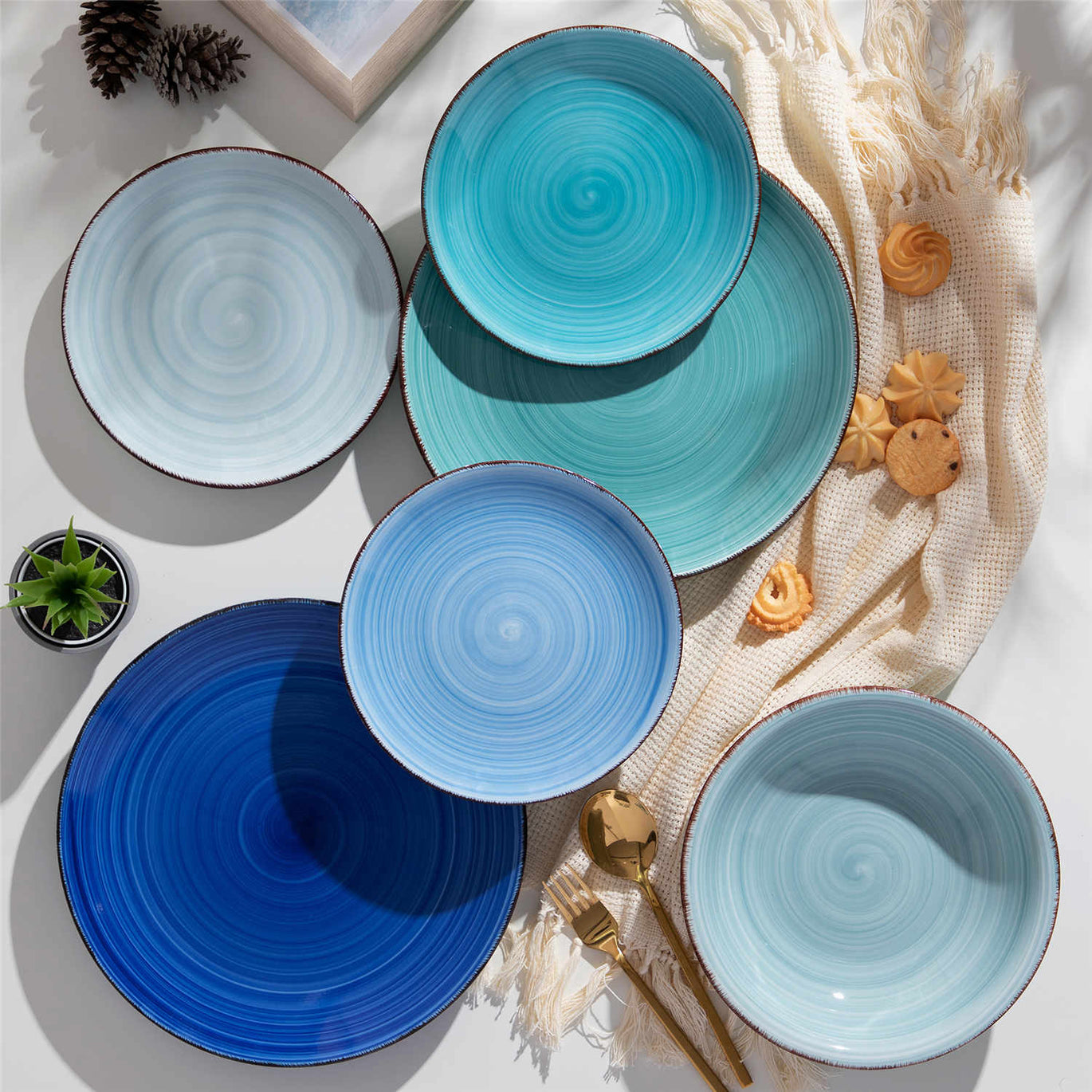


The Importance of Using Specific Ceramic Spoons for Caviar

Caviar may look tiny on the table, but it is a diva on the palate. Those glossy pearls carry decades of history, intensive aquaculture, and a surprising amount of science in every bite. When something is this delicate, the tool you use to lift it to your lips is not just a utensil; it is part of the flavor.
That is exactly why choosing specific ceramic spoons, especially fine porcelain spoons designed for caviar, can quietly transform your tasting from “nice” to “oh, wow.” As a Colorful Tabletop Creative & Pragmatic Joy Curator, I look at the spoon the way a sommelier looks at glassware: it shapes the experience, protects the nuance, and sets the mood of the entire table.
Let’s dive into why the right ceramic spoon matters so much, how it compares to traditional options like mother‑of‑pearl, and how to choose and use it in real life without turning dinner into a chemistry exam.
Why the Spoon Matters More Than You Think
Caviar producers and retailers repeatedly emphasize one key point: caviar is extremely sensitive. Petrusco Caviar notes that the eggs’ thin membranes easily absorb external flavors. Imperia Caviar describes reactive metals as “the enemy of caviar,” explaining that metals such as silver, nickel, bronze, and aluminum can oxidize on contact, dulling flavor and even transferring metallic notes to the roe. Montello Gourmet’s owner describes how contact with common metals can almost instantly create a metallic off‑taste that effectively ruins good caviar.
That metallic tang is not a myth. When caviar touches reactive metal, oxygen and salt interact with the utensil’s surface. Imperia Caviar explains that this oxidation can happen quickly, giving the caviar a sharp, metallic edge and flattening the buttery, nutty, oceanic notes you paid for. Montello Gourmet warns that the phenomenon that can occur in metal tins without proper linings can also happen via a metal spoon.
Now imagine you have ordered a treasured tin, maybe shipped overnight on dry ice from a producer that treats those eggs like jewelry. One careless dip with the wrong spoon, and the first flavor your guests meet is not briny complexity, but metal. That is why so many etiquette guides, including caviar etiquette pieces from fine‑dining–focused brands, insist on dedicated non‑metal, non‑reactive caviar spoons and on using them gently and exclusively for the roe.
When you use the right spoon, you are not being fussy. You are simply removing a barrier between your taste buds and the roe’s true personality.

What Exactly Is a Caviar Spoon?
A caviar spoon is not just a small spoon that happened to be nearby. Wikipedia describes it as a small, shallow, bowl‑like utensil, often with a flat or gently curved handle, traditionally made from inert materials such as mother‑of‑pearl, animal horn, gold, or wood. Typical lengths fall roughly between about 2.7 and 5 in, with many popular spoons sitting around the size of a small teaspoon.
Bester Caviar and CaviarHub describe the ideal form factor as small, shallow, gently curved, and not too heavy. You want just enough bowl to cradle a modest scoop of eggs without stacking them so deep that the bottom layer gets crushed. A long enough handle keeps your fingers away from the chilled caviar, and a smooth, non‑porous surface lets the pearls roll onto your tongue without catching.
In tasting etiquette notes from caviar houses, you see the same serving rhythm emphasized: gently scoop a small portion, bring it to the mouth, and avoid chewing. Let the eggs burst against the roof of your mouth so the flavor blooms slowly. For that to work, the spoon has to be both gentle and flavor‑neutral.

Reactive vs Non‑Reactive: The Chemistry Behind Your Spoon
Reactive metals that fight your caviar
Multiple sources converge on a shared villain list. Imperia Caviar, CaviarHub, and Wikipedia all warn that reactive metals such as silver, aluminum, nickel, and bronze can spark rapid oxidation when they touch caviar. Petrusco Caviar and Montello Gourmet go even further and include stainless steel in the group of metals they consider capable of creating a subtle metallic tang that masks the roe’s natural buttery or nutty profile.
In these accounts, the problem is not the look of the spoon but the chemistry: salty, delicate eggs plus reactive metal equals off‑flavors and sometimes even staining or pitting of the utensil over time. Caviar etiquette guides therefore traditionally discourage standard metal spoons entirely for serving or tasting caviar.
The stainless steel debate
The picture becomes more nuanced when modern kitchen testing enters the room. Oui Chef, referencing research and the views of chefs in Michelin‑starred kitchens as well as tests from America’s Test Kitchen, argues that high‑quality stainless steel tools do not taint caviar at all. In that view, the myth should be aimed squarely at actual silver spoons, not at all metal or at stainless steel in particular.
So some producers and etiquette guides still say, “Avoid metal, especially silver and stainless,” while others say, “Good stainless steel is completely safe.”
For a home host or design‑minded entertainer, that leaves you with a choice: follow classical etiquette that avoids metal in direct contact with the eggs, or embrace carefully chosen stainless to simplify cleanup and match your existing flatware. This is where specific ceramic spoons, especially porcelain ones, offer a delightful third option: they behave like glass from a chemical standpoint but bring more warmth, color, and artistry to the table.
Non‑reactive materials: the safe zone
Across guides from Imperia Caviar, CaviarHub, Caviar Star, Montello Gourmet, Marky’s, and Wikipedia, you see a recurring shortlist of materials considered non‑reactive and safe for caviar:
Mother‑of‑pearl, also called nacre, is the shimmering inner shell layer of mollusks. Imperia Caviar and CaviarHub both describe it as the classic, most recommended option: strong, non‑reactive, non‑porous, and visually luxurious.
Bone and horn, often from cattle or buffalo, appear in historical and modern service. Petrusco Caviar describes them as non‑reactive, flavor‑neutral, rustic, and durable, though somewhat porous and in need of careful, gentle cleaning.
Glass is repeatedly praised as flavor‑neutral and easy to sanitize, though fragile. Bester Caviar and CaviarHub both mention it as a modern, minimalist option.
Porcelain, a specific type of ceramic, is explicitly listed by Caviar Star as a recommended neutral material for caviar dishes and utensils, placed alongside mother‑of‑pearl, glass, bone, horn, shell, and plastic. That is our main entry point into the world of ceramics.
Plastic appears in several guides as a surprisingly common “safe” material, even at upscale events. CaviarHub and Imperia Caviar note that small plastic spoons are cheap and non‑reactive, though obviously less elegant and, as Bester Caviar points out, less eco‑friendly.
Gold is singled out by Imperia Caviar and CaviarHub as the one metal that gets a firm green light: chemically inert, but costly.
These are the flavorsafe building blocks. Ceramic spoons, especially porcelain ones, belong in that non‑reactive family.
Where Ceramic Spoons Fit In
Porcelain as the quiet hero
When Caviar Star lists porcelain alongside mother‑of‑pearl, bone, horn, shell, glass, and plastic as recommended materials, it is for the same core reason: porcelain is smooth and non‑reactive when properly made. In practical terms, a good porcelain caviar spoon behaves like glass from the caviar’s point of view. It does not contribute flavor, it does not absorb aromas, and it offers a sleek surface that lets those tiny pearls glide.
Because porcelain is a type of high‑fired ceramic, it also pairs beautifully with the rest of your tabletop. A glossy white porcelain spoon against dark caviar creates the same dramatic contrast that mother‑of‑pearl lovers rave about. Choose soft pastels or jewel tones and you suddenly have a color story that harmonizes with your plateware, flowers, or even the label design on the caviar tin.
Where mother‑of‑pearl spoons can feel a bit jewelry‑box precious, porcelain spoons can be both elegant and relaxed. You get the chemistry benefits without feeling like you need velvet-lined storage.
Ceramic spoons vs traditional options: a comparison
To see where ceramics shine, it helps to compare them side by side with other common materials.
Material |
Reactivity with caviar |
Key advantages |
Key drawbacks |
Best vibe / use case |
Mother‑of‑pearl |
Non‑reactive, non‑porous |
Luxurious, traditional, protects flavor, stunning iridescence |
More fragile, higher cost, needs gentle handwashing |
High ceremony, gifts, formal tastings |
Bone |
Non‑reactive |
Rustic, durable, artisanal, historically traditional |
Naturally porous, can chip, needs careful care |
Classic, old‑world charm |
Horn |
Non‑reactive |
Sturdy, visually striking, textured |
Ethical sourcing considerations, similar care to bone |
Bold, artisanal presentations |
Glass |
Non‑reactive |
Completely flavor‑neutral, modern, easy to sanitize |
Fragile, can feel clinical, transparent against light caviar |
Minimalist or contemporary tables |
Porcelain ceramic |
Non‑reactive (listed as neutral by caviar guides) |
Smooth, elegant, color‑friendly, sturdy, matches tableware |
Can chip if dropped, quality varies by maker |
Stylish, practical everyday luxury |
Wood |
Non‑reactive but porous |
Warm, natural, tactile |
Can absorb oils and aromas, needs careful finish and cleaning |
Rustic, casual caviar boards |
Plastic |
Non‑reactive |
Very inexpensive, widely available, sanitary for large events |
Less eco‑friendly, visually less refined |
Tastings, large events, backup spoons |
Stainless steel |
Disputed: some say reactive, others say safe |
Durable, familiar, easy to clean |
Traditional guides discourage; conflicting information |
Only if following modern stainless‑friendly advice |
Silver |
Reactive |
Beautiful for other foods |
Strong metallic taste, oxidation issues |
Avoid for direct contact with caviar |
Gold |
Non‑reactive |
Ultra‑luxurious, inert, status symbol |
Extremely expensive, heavy |
Showpiece tastings, collectible pieces |
This table reflects exactly the tension many hosts face. Mother‑of‑pearl is gorgeous but fragile and sometimes pricey. Bone and horn have a rich legacy but require careful maintenance and raise ethical questions for some guests. Plastic is practical but not exactly “wow.” Stainless steel is controversial. That is where porcelain ceramic spoons stand out: they sit neatly in the non‑reactive column, feel familiar in the hand, and slip seamlessly into the rest of your tabletop style.
The Case for Specific Ceramic Spoons
Flavor: ceramic as a protective frame
When you choose a porcelain spoon that has been intentionally designed or selected for caviar, you are essentially choosing a neutral frame for the artwork. Producers like Imperia Caviar and CaviarHub emphasize that the spoon must be chemically inert to avoid flavor distortion, and Caviar Star explicitly includes porcelain among those neutral options. That means your ceramic spoon does what you want most: nothing, at least in terms of taste.
If you have ever tasted caviar with a silver spoon, the metallic snap tends to arrive before the roe has a chance to show off its buttery or briny complexity. With porcelain, the first sensation is temperature and texture, not metal. The eggs stay cool, they roll cleanly from the spoon, and they burst where they are supposed to: against the roof of your mouth.
Texture: gentle on delicate pearls
Bester Caviar and CaviarHub both describe ideal caviar spoons as shallow and smooth so the eggs are not crushed. Petrusco Caviar reminds us that the membranes are fragile and easily damaged. Ceramics, when finished well, give you that smoothness in spades. A shallow porcelain bowl with soft edges acts like a mini caviar slide, letting pearls tumble onto the tongue with minimal pressure.
Because porcelain can be molded into precise shapes, it is easy to find or commission ceramic spoons that echo classic caviar spoon silhouettes: short and shallow for tasting flights, or slightly longer paddle styles for more dramatic plating.
Aesthetics: color, contrast, and personality
Mother‑of‑pearl has its iconic rainbow shimmer, but porcelain is the chameleon of the tabletop. A crisp white ceramic spoon makes dark caviar look almost like black sequins. Softly tinted spoons in blush, pale aqua, or celadon can echo the tones of Champagne, linens, or floral arrangements. Glossy black spoons, meanwhile, create a sleek, modern mood when paired with pale golden Osetra caviar.
Because ceramic is so customizable, you can treat your caviar spoons as part of your wider tabletop palette. That is where the “colorful tabletop” magic really comes alive: you are not just obeying etiquette, you are painting with form, texture, and hue, all while respecting the roe.
Practicality: durability and cost
CaviarHub notes that most non‑gold caviar spoons hover in the affordable range, often around 15 for many materials, with mother‑of‑pearl sets commonly in the 100 range depending on size and quantity. Gold can soar from about $50 into the thousands, with one cited designer piece reaching around $675,000.
Porcelain spoons generally align more with the accessible end of the spectrum rather than the ultra‑luxury extreme. While the notes focus more on price ranges for other materials, porcelain’s inclusion among mainstream recommended options indicates that you can treat specific ceramic spoons as everyday special tools rather than museum pieces. They are meant to be used, not only admired.

How to Choose Ceramic Spoons for Caviar
Size and shape
CaviarHub and Wikipedia both place typical caviar spoon lengths between about 2 and 5 in, with many popular sizes around the length of a small teaspoon. When choosing ceramic spoons, aim for the same range. Something too large starts to feel like a soup spoon and encourages oversized scoops that overwhelm the palate and the tin.
Look for a spoon with a shallow bowl and a gentle curve rather than a deep, round bowl. That classic shallow shape makes it easy to scoop a modest mound of pearls and to slide them off your tongue without accidental chewing. Paddle‑style spoons can look especially luxurious, but even then, a slight curve at the end helps cradle the caviar.
Weight and balance
Bester Caviar notes that a caviar spoon should not be too heavy. With ceramic, weight varies with thickness. Pick up the spoon and imagine holding it delicately between your fingers over a chilled glass bowl of caviar. You want something that feels present but not clumsy, with a handle that gives you control without forcing a tight grip.
Surface quality
The most important tactile feature is smoothness. Guides from Montello Gourmet and Petrusco Caviar highlight the importance of smooth, non‑porous surfaces for mother‑of‑pearl and bone; the same logic applies to porcelain. Run your finger along the bowl. It should feel silky, without rough glaze bubbles, chips, or sharp edges. Anything that feels scratchy to your skin will feel unkind to fragile eggs.
Care and cleaning
Mackenzie Limited and several specialty caviar spoon sellers recommend handwashing caviar spoons in warm, soapy water and avoiding dishwashers, harsh detergents, and prolonged soaking, especially for materials like mother‑of‑pearl and bone. Petrusco Caviar offers detailed advice about rinsing under lukewarm water and drying thoroughly to protect delicate materials.
To keep your ceramic spoons in similarly good condition, follow the same gentle routine: rinse soon after service, wash with mild soap and warm water, and dry carefully with a soft cloth. Treat them like your favorite piece of fine china rather than like a rugged cooking utensil. The less rough handling they endure, the longer they will stay chip‑free and ready for their next caviar moment.

Designing a Ceramic‑Centered Caviar Moment
Temperature and serving ware
Marky’s and Imperia Caviar agree on the temperature secret: serve caviar chilled but not frozen, typically around the high twenties to low thirties in degrees Fahrenheit. Caviar Star describes servers that suspend a glass caviar bowl over ice, keeping the eggs cold while avoiding direct metal contact.
You can easily build this at home. Nest a small glass or porcelain bowl of caviar into a larger bowl filled with crushed ice. Keep the original tin closed until just before serving, as Imperia Caviar recommends, then transfer gently to the non‑metal bowl. Place your ceramic caviar spoons nearby, ready like little color‑coordinated oars.
Accompaniments that let the caviar sing
Marky’s suggests a classic trio: warm blinis, a dollop of crème fraîche, and a scatter of chives, all chosen to support rather than overpower the roe. Imperia Caviar echoes this, recommending simple bases like blini, steamed potatoes, or eggs, plus palette‑cleansing beverages like very dry Champagne or ice‑cold vodka.
Set small plates with a warm blini, a cloud of crème fraîche, and plenty of space for your guests to add their own caviar using their ceramic spoons. The spoons become a tiny ritual: scoop, glide, savor.
Etiquette, made easy
Caviar Malosol and Imperia Caviar outline etiquette guidelines that keep the experience elegant and equitable. Use the dedicated caviar spoon provided rather than your regular flatware. Take small portions, often around 2 tablespoons per person over the course of the evening. Avoid mixing caviar into everything on your plate; let at least some of it be enjoyed almost on its own.
Most importantly, resist the urge to chew aggressively. Place the caviar on your tongue, then gently press the eggs against the roof of your mouth so they pop and release their flavors gradually. Your ceramic spoon’s job is to get those pearls there intact and untarnished; your job is to give them a graceful landing.
Are Metal Spoons Really Forbidden? A Balanced View
If you survey the landscape, traditional producers and etiquette guides lean strongly toward non‑metal spoons. Caviar is frequently described as too delicate to risk with reactive metals, and silver, nickel, aluminum, bronze, and sometimes stainless steel are placed on the “no” list.
At the same time, Oui Chef and testing‑oriented organizations like America’s Test Kitchen, as cited by that brand, report that high‑quality stainless steel tools do not noticeably taint caviar. Many chefs in high‑end kitchens are comfortable using stainless steel spoons in daily service.
So what do you, the design‑loving, flavor‑protecting host, do with this conflicting information?
Choosing specific ceramic caviar spoons is a beautifully simple way to sidestep the debate. You align with longstanding etiquette that favors non‑metal, non‑reactive utensils, you honor the chemical sensitivities described by Imperia Caviar, CaviarHub, Montello Gourmet, and Petrusco Caviar, and you still enjoy the practicality and style of a sturdy, easy‑to‑coordinate material. Ceramics give you the confidence that your utensil is part of the solution, not part of the problem.
Short FAQ for Ceramic‑Curious Caviar Lovers
Can I use any ceramic spoon I already own?
If your existing ceramic or porcelain spoons are smooth, food‑safe, and roughly the size and shallowness of a typical caviar spoon, they can work in a pinch. However, guides describing caviar spoons emphasize shallow bowls, small portions, and gentle handling, so spoons designed for tasting or appetizers tend to perform better than large soup spoons. Choosing specific ceramic spoons for caviar means you know their size, shape, and finish are chosen to respect the roe, not just to stir coffee.
Are plastic spoons really acceptable for caviar?
Several producers and guides, including CaviarHub and Imperia Caviar, acknowledge that smooth plastic spoons are non‑reactive and are even used at high‑end events because they are inexpensive and sanitary. Montello Gourmet calls them an acceptable emergency option but notes they lack the elegance of mother‑of‑pearl. If you are building a thoughtful, beautiful tabletop, dedicated porcelain caviar spoons occupy a more joyful middle ground: still practical, but aesthetically satisfying.
How many ceramic caviar spoons do I need?
Caviar etiquette sources typically assume about 2 tablespoons of caviar per person in a shared setting and emphasize that each guest should have their own dedicated caviar spoon to avoid double‑dipping. For a small gathering, a set of four to six ceramic caviar spoons is often enough. If you host larger tastings, consider investing in more so every guest has their own utensil and you have a few extras ready between courses.

A Colorful, Ceramic Finale
The right ceramic spoon might look like a tiny detail, but caviar lives in tiny details. By choosing specific porcelain spoons that are smooth, non‑reactive, and beautifully in tune with your table, you protect the flavor, honor the craftsmanship behind the roe, and add a dash of design joy to every bite. Let the metal stay with the Champagne bucket and the candleholders; invite ceramics to cradle those shimmering pearls and turn your next caviar moment into a small, unforgettable celebration.
References
- https://en.wikipedia.org/wiki/Caviar_spoon
- https://www.solexcatsmo.com/caviar-serving-spoons-mother-of-pearl?srsltid=AfmBOorInU5GqH_3cbc3-YHqEZUrPYS778Sh_GAIcKjowFVeEFO5FkoG
- https://www.astreacaviar.com/products/astrea-mother-of-pearl-spoon-with-wooden-handle
- https://brownetrading.com/collections/caviar-spoons-plates?srsltid=AfmBOoo6tkMs_FSMgfWHpmeIuI731f3DuzNHDe4uQ39XdHyfJ3d3gh0f
- https://www.christofle.com/us_en/how-to-serve-caviar
- https://www.corrigansmayfair.co.uk/journal/guide-to-caviar-spoons
- https://www.mackenzieltd.com/products/caviar-spoons?srsltid=AfmBOopiUBVibgdSj-S5ze9w5ANgDyihcHROgfYscXxXJQmJMXZZdt6M
- https://www.markys.com/blog/luxury-on-a-spoon-how-to-serve-and-enjoy-caviar-the-right-way?srsltid=AfmBOooNw6Du_HDi6WiREiH0MwCNom2SsZahWxrdPL-D9DdufIqF06h3
- https://sterlingcaviar.com/pages/caviar-spoon?srsltid=AfmBOop9FvR1CW3TblcnLMxVNl5a2DPWs-tFRxaSwt5_sAXs6VQhpuNA
- https://in.thebar.com/articles/5-tips-for-serving-caviar-at-home-how-to-select-store-serve-and-more
Potrebbe piacerti anche
Stern Set di stoviglie da 16 pezzi
- Da $75.00
$100.00- Da $75.00
- Prezzo unitario
- per
-
Blue
-
Green
-
Red
-
Grey
Simi Set di stoviglie 24 pezzi
- $100.00
$135.00- $100.00
- Prezzo unitario
- per
Bonita Set di stoviglie da 18 pezzi
- Da $63.00
$78.00- Da $63.00
- Prezzo unitario
- per
-
Blue
-
Multicolor
Set di stoviglie stellate da 16 pezzi
- $77.00
$90.00- $77.00
- Prezzo unitario
- per
-
Blue
-
Green
-
Red
-
Gradient Green