



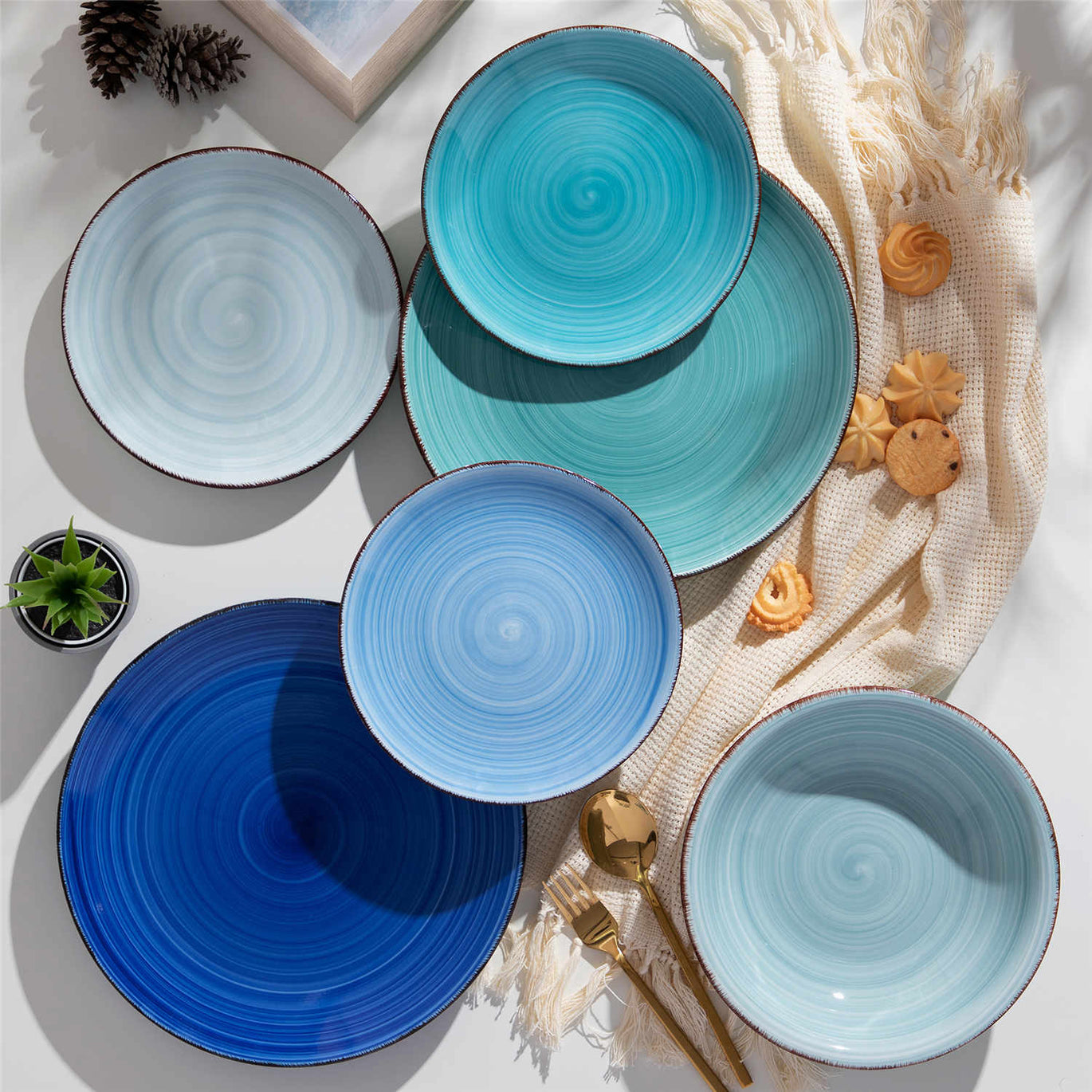


The Role of Ceramic Tableware in Mindful Living and Meditation

Mindful living starts the moment you set the table. I’ve watched people—friends, workshop guests, even hurried weekday diners—slow down as soon as they cradle a weighty ceramic mug or trace the satin-matte rim of a stoneware plate. The color, the heft, the gentle clink when pieces meet: it’s all sensory choreography that nudges the mind out of autopilot and into presence. As a Colorful Tabletop Creative & Pragmatic Joy Curator, I design tablescapes that make savoring effortless and meditation feel natural. Ceramic tableware is my favorite ally for this. It is beautifully tactile, quietly science-backed, and wonderfully practical for daily life.
What Mindfulness Looks Like at the Table
Mindfulness is present-moment attention without judgment. At the table, that means noticing aroma, warmth, texture, color, and the gentle arc from the first bite to satisfied, not stuffed. Health guidance from Teladoc Health frames a simple method: sit down at a table, use a plate that supports right-sized portions, and remove distractions so hunger and fullness cues can surface. These are not aesthetic flourishes—they’re behavioral anchors.
There is also evidence that the materials in our hands shape this experience. A 2024 study cited in the Journal of Environmental Psychology associated natural, tactile kitchen materials with notably higher meal satisfaction and more mindful behaviors compared with synthetic alternatives. The Ceramic School describes how sensory focus—feeling clay, noticing subtle changes—settles the nervous system into a calmer rhythm. In my studio sessions, that same focused attention translates beautifully to eating: the lip of a bowl becomes a pacing cue; a soft-gloss glaze invites slower, smaller bites. The mindfulness is built in.

Why Ceramic Matters: Material Science Meets Savoring
Ceramic dinnerware isn’t just pretty; it’s materially suited to mindful eating. Joyye highlights that modern ceramic glazes create non-porous, stable, nonreactive surfaces. Compared with plastics that can leach chemicals when heated, or metals that can get scorching hot and sometimes influence taste, ceramic keeps reactions off the plate and your attention on flavor. Ceramic Dining underscores that glazed surfaces don’t absorb food and are easy to clean—fewer hiding spots for residues means fewer distractions and simpler, more hygienic routines.
Here’s a quick comparison distilled for everyday decisions.
Material |
Reactivity with Food |
Heat Handling |
Taste Influence |
Hygiene/Ease |
Microwave Notes |
Ceramic (stoneware/porcelain) |
Nonreactive and non-porous with quality glazes |
Stable with hot/cold dishes; resists rapid heat transfer to hands |
Neutral; protects flavor |
Smooth, easy to clean |
Generally safe if metal-free and marked microwave-safe |
Plastic |
Can leach chemicals under heat or with fatty/acidic foods |
Can warp or degrade when heated |
May impart odors over time |
Scratches can harbor residue |
Often not ideal for reheating |
Metal |
Can get very hot to the touch; some alloys react |
Conducts heat quickly; hot rims and bodies |
Potential metallic notes |
Durable but can show wear |
Typically microwave-unsafe |
Joyye’s emphasis on lead-free, modern glazes is vital. Healthier Homes adds that country of origin and brand transparency matter; labels such as “lead-free” and “food-safe glazes” should be verified through product details for true peace of mind. When you know what’s touching your food, it’s easier to relax.

The Tactile Advantage: Presence You Can Hold
The Ceramic School’s meditation-through-clay perspective and Tao of Clay’s mindfulness pedagogy converge on a shared truth: tactile engagement shapes attention. That principle extends from wheel to dining room. A ceramic vessel’s surface—the slight drag of a matte glaze or the glide of satin—transmits cues your brain recognizes as “real and now.” Vancasso Tableware discusses how heft can increase perceived quality and fullness, supporting satisfaction with smaller portions. In practice, I’ve seen guests naturally slow their pace with a heavier spoon or thicker-walled mug; the body collaborates with the table to build presence.
This is also where design psychology enters. Vancasso highlights the Delboeuf illusion, where identical servings look smaller on larger plates. It’s a visual trick you can harness for mindful eating rather than wrestling with calorie math during dinner.

Design as a Mindfulness Tool: Size, Shape, Contrast, and Weight
Teladoc Health recommends smaller plates as a reliable behavior nudge. Malacasa translates that into practical houseware choices, noting that plate sizes around 8 to 9 inches help portions feel generous without excess. Bowl capacities around 12 to 16 fl oz set natural “stop lines” for chilis, stews, and grains. Vancasso adds that higher color contrast between plate and food improves portion awareness and that round shapes naturally frame servings, while very large or angular shapes can prompt overserving if you’re not paying attention.
Here’s how I design tables that quietly coach mindfulness without a single lecture.
Design Cue |
What to Try |
Why It Helps |
Plate diameter |
Dinner plates in the 8 to 9 in range for everyday meals |
The serving looks “complete” at appropriate volumes, reducing reflexive seconds |
Bowl capacity |
Everyday bowls in the 12 to 16 fl oz range; small ramekins at 2 to 4 fl oz for nuts, sauces, sweets |
Built-in limits feel natural and satisfying without measuring |
Shape framing |
Rounded plates or shallow pasta bowls about 8 to 10 in wide for saucy dishes |
Gentle framing reduces edge-filling behavior; the portion reads clearly |
Color contrast |
Neutral plates for colorful foods, or deep hues for lighter dishes |
Clear edges and visible volume anchor portion judgment |
Weight and hand feel |
Slightly heavier plates and utensils |
Heft signals quality and slows the pace of bites and refills |
When these cues align, mindful eating nearly runs on autopilot. It’s less “willpower” and more delicious design.

A Simple Tabletop Meditation You Can Do Tonight
Set a single place with intention. Choose a ceramic plate and a mug whose color makes you happy. Before serving, wrap your palms around the mug for a moment and notice the warmth and the texture of the glaze. Inhale the aroma; exhale any rush you carried from the day. Plate your food using your smaller dinner plate or your shallow bowl, letting a bit of background dish show around the edges so the portion looks beautifully framed. Sit, put the phone away, and take one quiet breath before the first bite. Let the sound of the fork meeting the plate and the way the rim catches light become your metronome. Pause at the natural midpoint; check in with comfort and curiosity. If you’re satisfied, end with a sip from the same mug to mark the ritual closed. It takes only a few minutes, and it changes everything.

Pros and Cons of Ceramic for Mindful Living
From a joy-curator’s vantage point, ceramic tableware is a near-ideal partner for mindful living, but it’s fair to discuss trade-offs. On the plus side, ceramics offer stable, nonreactive surfaces and support temperature without surprise, which keeps attention on flavor rather than fuss. They are hygienic and easy to clean when glazed, and their tactile variety—from eggshell porcelain to rustic stoneware—makes sensory engagement effortless. They also pair perfectly with the behavioral science of plate size, color contrast, and weight that supports portion mindfulness and satisfaction. A broader wellbeing case appears in the ACerS Bulletin’s exploration of how ceramics and glass contribute to physical and mental wellbeing, resonating with the lived experience many of us see at the table.
The downsides are practical but manageable. Ceramics can chip or break if handled roughly, and some pieces are heavier to lift and store. Not all glazes are created equal; older or poorly documented items may not meet modern safety expectations, so vetting matters. Metallic-banded porcelain looks gorgeous but is usually not microwave safe. Earthenware can be more porous and may show wear sooner than high-fired stoneware or porcelain. Each of these issues has a simple countermeasure, which brings us to a pragmatic buying guide.
Buying Guide: Choose Pieces That Support Calm and Healthy Habits
Materials and glazes that make life easier
For everyday use, high-fired stoneware is the workhorse. It typically balances durability, body thickness, and a reassuring hand-feel, and many stoneware lines are dishwasher- and microwave-friendly. Porcelain is thinner, refined, and elegant; it sings at a dinner party and still performs in daily life, though it may chip more readily at rims if you stack or clatter pieces. Bone china combines delicacy with surprising strength and translucence for special occasions. Earthenware has a charming, rustic palette but is more porous and less robust, making it better for relaxed, low-impact use.
Whatever you choose, prioritize modern, lead-free, food-safe glazes. Joyye notes that quality contemporary pieces are typically free of lead and cadmium; confirm on product pages or with the maker. Soft matte and semi-matte finishes show fewer scuffs than very soft glossy glazes when you use metal flatware daily. If you love high-gloss whites, treat them gently and use nonabrasive tools to preserve that mirror finish.
Safety and sourcing signals you can trust
Healthier Homes emphasizes that manufacturing standards vary by country and brand. Look for transparent retailers who publish clear materials information and safety claims, and don’t hesitate to ask for details. If you adore vintage ceramics, display them or use for dry foods unless you’ve confirmed glaze safety. New pieces labeled dishwasher-safe and microwave-safe are your easiest, worry-free companions.
Sizes and forms that quietly coach portions
Design your set around everyday behavior rather than rare events. Choose dinner plates in the 8 to 9 in range for weeknight meals and keep a couple of larger platters for guests. For bowls, pick a 12 to 16 fl oz capacity for hearty one-bowl dishes; if you love pasta with lots of veg, a shallow, wide bowl around 8 to 10 in across holds the look while limiting overfilling. Keep a few ramekins at 2 to 4 fl oz for nuts, dressings, and desserts; it’s remarkable how these tiny cups add ceremony and built-in boundaries at once. Teladoc Health’s simple “table, plate, chair” principle pairs beautifully with this sizing strategy, and Malacasa’s capacity guidance helps translate it into shopping that pays off every single evening.
Color, surface, and mix-and-match personality
For mindful eating, high-contrast pairings make edges visible. If your menu is colorful—greens, tomatoes, golden grains—neutral plates let the food pop, while a deep navy plate flatters lighter dishes like roast chicken with cauliflower. Vancasso’s observation about weight and perceived satisfaction gives you permission to choose pieces with substance; a touch of heft can make modest portions feel abundant. Mixing textures is a joy-forward strategy: a satin-matte dinner plate under a glossy bowl, or a speckled stoneware bread plate beside a fine porcelain cup. Your eye will dance, your hand will pay attention, and your brain will join the party.

Care and Longevity: Keep the Mindful Magic Alive
Ceramic is easy to love and simple to maintain. If the maker marks your pieces dishwasher-safe, place them with space so rims don’t kiss each other mid-cycle. If hand washing, use a soft brush or sponge; avoid abrasive pads that can haze glazes and dull their light-catching sheen. Give hot items a moment before rinsing to avoid thermal shock, especially if your sink runs quite cold. When stacking, a thin liner or mindful spacing protects those important rims that frame your food and carry your mindful cues. If you decorate or refinish bisque yourself, the Cursist perspective on glaze adhesion is a helpful reminder: clean the surface well, apply evenly, and allow proper drying to prevent flaking before firing. For everyday buyers, that translates to choosing reputable makers whose finishing is already dialed in, so you can focus on savoring.
A Weekend Reset: Small Plate, Heavy Mug, Big Shift
One Saturday not long ago, I made a leafy salad with roasted carrots and a spoon of quinoa, then served it on an 8.5 in stoneware plate with a wide, quiet rim. I scooped a small bowl—about 14 fl oz—of tomato-lentil stew and placed it just to the left, then poured mint tea into a stout mug whose satin glaze feels like river rock after rain. The room was not special: a regular apartment table, sunshine pooling across wood. But the tableware turned the meal into a pause. The smaller plate made the salad look abundant, the bowl’s shallow curve held a satisfying portion without inviting refills, and the mug’s weight kept me grounded. I closed the book I’d meant to read while eating and watched the tea steam. Fifteen unhurried minutes later, I felt satisfied, nourished, and oddly proud. That’s the quiet power of ceramic tableware in mindful living: it teaches your hands to teach your mind to be here.

Frequently Asked Questions
Is all ceramic dinnerware lead-free today? Most modern, high-quality dinnerware uses lead-free, food-safe glazes, as noted by Joyye, but you should always verify product details and consider brand transparency as Healthier Homes advises. Be cautious with vintage or unmarked items if you plan to serve hot, acidic, or oily foods.
Can I microwave and dishwash ceramic? Many stoneware and porcelain lines are microwave- and dishwasher-safe, and the product stamp usually states so. Avoid microwaving any pieces with metallic banding, and give hot items a beat before exposing them to cold water.
Can tableware really help with meditation? Yes, as a supportive tool. The Ceramic School’s discussion of mindfulness through tactile focus mirrors what happens at the table: a weighty mug, a smooth rim, and a thoughtfully sized plate all nudge slower pacing, clearer portion awareness, and a calmer, more present mind.

Quick Reference: Everyday Sizes That Encourage Mindfulness
Item |
Everyday Target Size |
Practical Effect |
Dinner plate |
About 8 to 9 in |
Servings feel generous without oversizing by default |
Shallow pasta bowl |
About 8 to 10 in across |
Frames saucy dishes so one bowl feels “complete” |
Soup/grain bowl |
About 12 to 16 fl oz |
Sets a natural limit that still feels cozy |
Ramekin |
About 2 to 4 fl oz |
Right-sizes nuts, dressings, and small treats |

Sources and What They Add
ACerS Bulletin explores how ceramics and glass contribute to physical and mental wellbeing, a lens that resonates with mindful dining. Joyye and Ceramic Dining outline ceramic’s nonreactive, hygienic, and heat-stable advantages compared with plastic and metal. Teladoc Health articulates simple mindful eating practices that pair beautifully with smaller plates. Vancasso Tableware explains how plate size, shape, contrast, and weight influence portion perception and satisfaction, while Malacasa translates these principles into practical home sizes. The Ceramic School and Tao of Clay illuminate how tactile, present-moment engagement calms the mind—insight that travels seamlessly from studio to dining room.
Color, clay, and calm—set your table with intention, and your meal becomes a mini-retreat. Here’s to plates that help you pause and mugs that make you breathe, one joyful, practical moment at a time.

References
- https://guides.mysapl.org/c.php?g=1367770&p=10147867
- https://www.red-dot.org/magazine/tableware-design-to-suit-every-taste
- https://bulletin.ceramics.org/article/holistic-health-how-ceramics-and-glass-contribute-to-our-physical-and-mental-wellbeing/
- https://feelartistic.org/2025/06/16/level-up-your-pottery-skills-techniques-to-improve-your-craft/
- https://www.healthierhomes.com/organic-dinnerware?srsltid=AfmBOooWp0hCHb5OJpR2-zUOMBGXEpiLQ5W1UM5xDWNyEkcTTg8Vcc-U
- https://ceramic.school/pottery-and-meditation/
- https://ceramicdining.com/advantages-using-ceramic-tableware/?srsltid=AfmBOor-pVDeg-nFfAls9MkggvrijvIQkpDkU9o750QaqvIzTvxG3X19
- https://www.blankearth.co.uk/pottery-blog/meditation-mindfulness-slow-living-pottery
- https://joyye.com/info-detail/how-ceramic-tableware-enhances-healthy-dining-experiences
- https://modesthive.com/porcelain-stoneware-or-earthenware-which-dinnerware-is-best-for-your-kitchen/?srsltid=AfmBOoqOpvPpqZQNPJRudtlo7b-jTpvAeMIZ894qGckJYmLfHyKm9XV4
Potrebbe piacerti anche
Stern Set di stoviglie da 16 pezzi
- Da $75.00
$100.00- Da $75.00
- Prezzo unitario
- per
-
Blue
-
Green
-
Red
-
Grey
Bonita Set di stoviglie da 18 pezzi
- Da $63.00
$78.00- Da $63.00
- Prezzo unitario
- per
-
Blue
-
Multicolor
Simi Set di stoviglie 24 pezzi
- $100.00
$135.00- $100.00
- Prezzo unitario
- per
Set di stoviglie stellate da 16 pezzi
- $77.00
$90.00- $77.00
- Prezzo unitario
- per
-
Blue
-
Green
-
Red
-
Gradient Green