



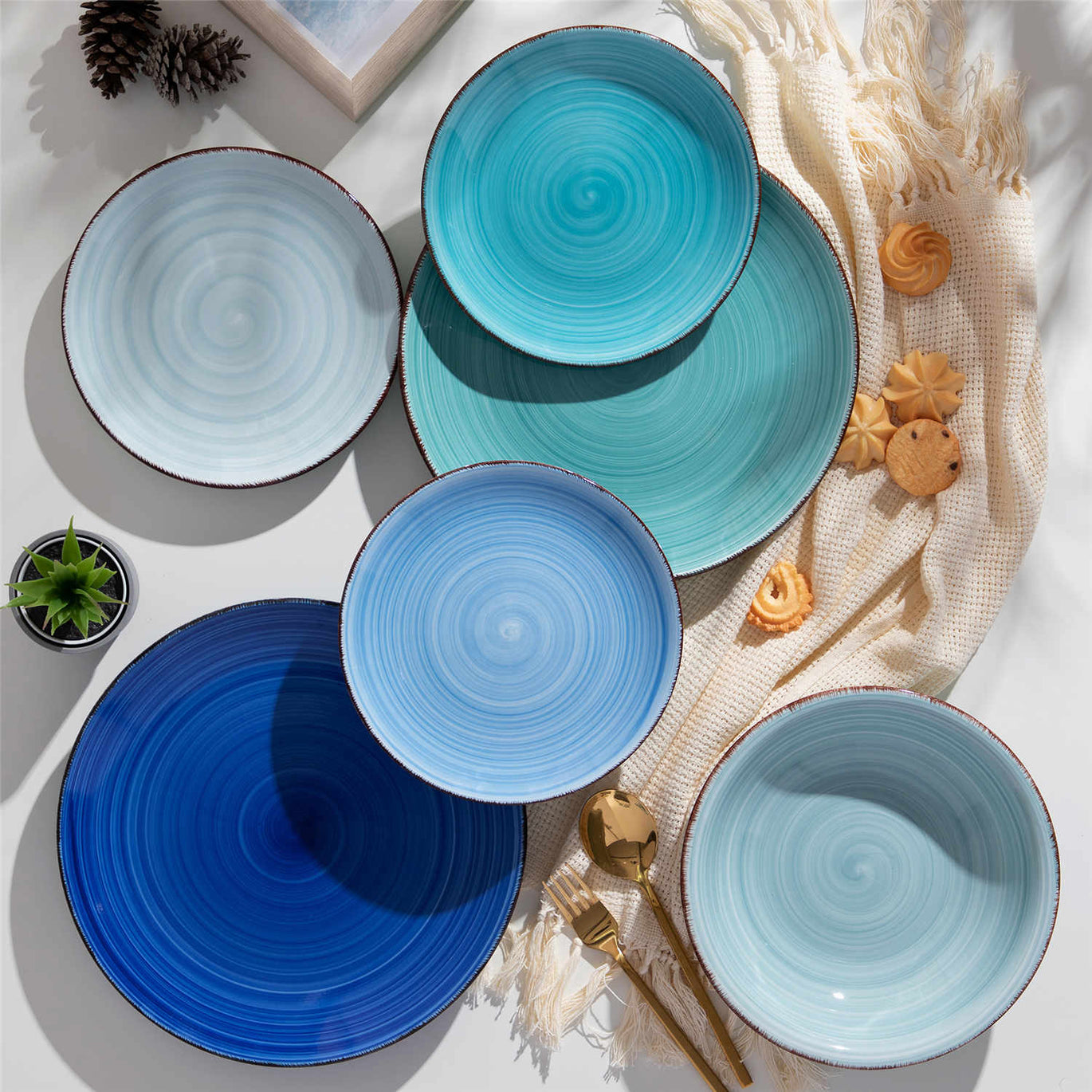


The Quiet Power of Neutrals: Why Neutral Aesthetics Matter in Ceramic Tableware Design

Neutral tableware looks quiet at first glance. It does not shout with tropical patterns or neon glazes. Yet when I lay a table for a client or for my own weeknight pasta, it is almost always the neutral pieces I reach for first. They are the stage, the lighting, and the frame around the food, the flowers, and the people. In a dining world obsessed with “dopamine decor” and viral color, neutral ceramic dinnerware is the steady heartbeat that keeps a table feeling calm, cohesive, and truly usable every single day.
Designers and brands from Dowan and Euro Ceramica to Kim Seybert, Joyye, and Heath Ceramics all circle back to the same idea: the best dinnerware balances aesthetics and functionality and turns the dining table into a canvas. Industry research cited by Joyye and Yongjian Ceramics adds the data behind that intuition, noting that roughly three-quarters of consumers say tableware design directly influences how they perceive a meal and that upgrading tableware can raise hotel and catering satisfaction significantly. When design matters this much, the “neutral” part of the palette is not boring at all. It is strategic.
In this piece, I will unpack what neutral aesthetics actually mean in ceramic tableware, why they matter for designers and home cooks, what the pros and cons look like in real life, and how to build a neutral tableware wardrobe that leaves plenty of room for color, personality, and joy.
What Do We Really Mean by “Neutral Aesthetics”?
In dinnerware conversations, “neutral” gets oversimplified as “plain white plates.” The reality is far more nuanced and far more interesting. Neutral aesthetics in ceramic tableware live in three dimensions: color, form, and mood.
Neutral color: beyond plain white
Modern dinnerware trend reports from MDMAISON, Kim Seybert, and Joyye all show that neutrals are a wide family rather than a single swatch. Think ivory, soft gray, warm beige, oatmeal, stone, sand, and subtle earth tones such as olive, terracotta, and smoky blue when they are used in gentle, low-contrast ways. Spanish-inspired collections analyzed by Joyye often pair “sea salt white” with olive green or terracotta in tonal gradients that feel grounded rather than loud. Feminine design research from Vancasso describes a similar “color DNA,” where ivory, taupe, matte gray, and beige form the backbone and softer emotional hues like blush or sage act as accents.
Neutral does not mean colorless; it means colors that behave like good hosts, letting the food, textiles, and flowers carry the drama. A matte sand stoneware dinner plate under a deep green salad, or a true-white porcelain coupe from Euro Ceramica under a tomato-red pasta, will read as neutral even though there is plenty of richness in the glaze.
Neutral form: simple silhouettes with intention
Dowan and Euro Ceramica both highlight how silhouettes and rims change the entire dining experience. Coupe shapes with gentle slopes, subtle rims, and well-balanced weight distributions feel “neutral” because they do not fight for attention. They frame the food without crowding it, stack efficiently, and sit comfortably in the hand. This is especially important for everyday workhorse clay bodies like stoneware, which Joyye and Malacasa describe as durable, high-fired, and ideal for daily use.
Neutral form also includes size and proportion. Euro Ceramica notes that dinnerware that is too large can overwhelm a meal, while pieces that are too small leave it feeling incomplete. Research summarized by Malacasa adds that smaller plates around 8–9 inches and bowls of about 12–16 fl oz can make portions look generous without encouraging overfilling, especially when contrast between food and plate is carefully considered. Neutral sizing supports both aesthetics and mindful eating.
Neutral mood: calm, adaptable, and quietly luxurious
Neutral aesthetics are as much about emotional tone as they are about color chips. From Scandinavian-inspired minimalism at MDMAISON to “quiet luxury” matte whites at Hering Berlin and Heath Ceramics’ warm stone glazes, the throughline is calmness and longevity. Joyye’s discussion of Natural Minimalism in Spanish tableware trends describes organic forms, slightly asymmetrical shapes, and natural glazes that make everyday meals feel thoughtful but not staged.
In a market where the global ceramic dinnerware segment is projected in consumer research to grow from about $12.4 billion in 2024 to around $22.2 billion by 2034, with sustainable segments rising quickly, neutral aesthetics function as the enduring layer. They are the pieces you build around instead of having to replace when fashion changes. That mood of stability is itself a design choice.

Why Neutral Aesthetics Matter More Than Ever
Neutral ceramic tableware is not simply a safe choice; it is a strategic response to how we now cook, dine, share, and shop.
Design as a “silent salesperson”
Yongjian Ceramics describes contemporary tableware as a “silent salesperson,” carrying brand narrative and guest experience without saying a word. When a restaurant or hotel chooses neutral stoneware with subtle natural textures, it signals grounded, eco-aware comfort. When it opts for sleek white porcelain with coupe silhouettes, it suggests refined modernity. Both are neutral palettes, but they tell different stories.
Consumer preference research cited by Vancasso and Joyye shows that aesthetics now heavily influence purchase decisions and meal perception. Roughly three-quarters of diners report that tableware design shapes how they experience their food, and upgrading tableware has been associated with meaningful jumps in satisfaction scores for hospitality operators. In other words, neutral aesthetics are not background details; they are active contributors to how a meal feels and how a brand is remembered.
The bridge between trends and everyday life
Trend overviews from Kim Seybert, MDMAISON, and Listful’s coverage of 2025 styles describe a landscape full of jewel tones, color-shifting glazes, and sculptural rims. At the same time, they all recommend building around versatile bases. MDMAISON suggests starting with timeless neutral plates and layering in bolder accent pieces so the same set can flex from casual Tuesday dinners to celebratory tables. Kim Seybert’s mixing guide likewise recommends a dominant color palette and a neutral foundation that lets patterns, textures, and metallic details dance on top rather than clash.
Neutrals are the bridge here. They allow you to enjoy a seasonal dopamine-pink dessert plate, a hand-painted Spanish bowl, or a vintage floral bread plate without turning your cupboard into chaos. When your dinner plates and main serving pieces sit in a cohesive neutral family, you can experiment freely at the edges.
Social media and the photogenic plate
We eat with our eyes, and these days we also eat with our cameras. Vancasso’s commentary on feminine design and women’s role in tableware design notes how Instagram-ready tablescapes and “girl dinner” culture have turned plates and bowls into identity markers. The aesthetics that photograph well again and again are often neutral: matte stone, glowing white porcelain, speckled oatmeal glazes, and soft earth tones.
A neutral plate can handle a jewel-toned salad one night and a rustic stew the next without clashing. In a feed full of unique glazes and patterns, it quietly keeps your visual story coherent. That is one reason why brands like East Fork, Heath Ceramics, and other makers highlighted by The Good Trade lean so heavily on nuanced neutrals; their pieces show up beautifully in real kitchens, not just in styled shoots.

Practical Advantages of Neutral Ceramic Tableware
Beyond aesthetics, neutral tableware solves a lot of practical problems for both designers and home cooks.
Versatility and mix-and-match power
Kim Seybert’s mix-and-match guidance, along with Euro Ceramica’s emphasis on modular collections, frames tableware as a design system rather than a strict “set.” A rimless neutral stoneware dinner plate, a white porcelain coupe bowl, and a soft gray salad plate can anchor countless combinations across seasons and holidays.
Joyye’s analysis of consumer preferences shows that buyers are moving toward smaller sets, open-stock formats, and eclectic mixing. Neutral aesthetics make that possible. A warm white base works with heritage-inspired Delft blues, Mediterranean terracotta, Rococo florals, or modern reactive-glaze accents. If you break one plate or fall in love with a new handmade bowl from an independent studio, your neutral core will still harmonize.
In my own styling work, a stack of neutral stoneware plates lives within arm’s reach. I can drop almost anything on top of them: a patterned Spanish tapas plate, a gold-rimmed vintage saucer, or a hand-thrown bowl from a studio potter. The table reads collected and personal rather than chaotic because the neutrals keep the story cohesive.
Durability, safety, and everyday ease
Neutral aesthetics pair naturally with the most durable and practical ceramic bodies. Articles gathered by The Good Trade, Malacasa, and Euro Ceramica all stress the strengths of stoneware and porcelain. Stoneware, fired at higher temperatures, offers robust everyday performance, excellent heat retention, and a pleasantly substantial feel. Porcelain adds a smooth, often glossy white surface with a refined look and good resistance to moisture absorption, making it suitable for both casual and formal meals.
Modern vitrified lines, such as those described by Malacasa, are often nonporous, lead- and cadmium-free, and safe for oven, microwave, dishwasher, and even freezer when used properly. Heath Ceramics, profiled by The Good Trade, incorporates pre-consumer recycled clay and lower firing temperatures to conserve energy while still delivering highly durable, heritage-level plates. These makers frequently choose neutral palettes because they showcase the clay and craftsmanship rather than hiding it.
From a safety and maintenance perspective, neutral glazes also simplify life. Soft matte or satin finishes can be forgiving of cutlery marks compared with ultra-glossy pure white porcelain, while not hiding chips in a way that masks damage. Malacasa notes that dense all-over patterns or very dark glazes can sometimes camouflage dirt and make cleanliness harder to assess, which is a subtle argument in favor of clean, light, neutral surfaces in daily life.
Storage, ergonomics, and small-space living
Yongjian Ceramics and Euro Ceramica both highlight the importance of stackable, nestable forms and balanced weight. For many of us living in apartments or smaller homes, cabinet space is limited. A slim stack of neutral coupe plates that nest beautifully and match almost everything saves both space and decision fatigue.
Euro Ceramica’s design philosophy includes carefully tuned weight distribution so serveware is light enough to pass around easily while dinner plates remain stable and substantial. When those thoughtfully designed forms come in neutral palettes, you do not have to juggle multiple bulky sets for different occasions. One core collection can flow effortlessly from everyday solo breakfasts to birthday dinners.

Neutral vs Bold: A Quick Comparison
To ground the conversation, here is a concise comparison of neutral and bold ceramic aesthetics in practice.
Aspect |
Neutral Ceramic Tableware |
Bold / Highly Colored Tableware |
Visual role |
Acts as backdrop and frame for food and decor |
Often acts as focal point or statement piece |
Versatility |
Mixes easily with patterns, vintage, and seasonal accents |
Can be harder to combine across collections and seasons |
Longevity |
Feels timeless and resists trend fatigue |
May feel dated as trends shift |
Everyday practicality |
Shows food colors clearly; easy to reuse across meal types |
Can compete with certain foods or clash with varied menus |
Styling flexibility |
Supports “capsule” collections and mix-and-match strategies |
Ideal for occasional accents, special themes, or signature looks |
Both sides of the table have a place, but building a strong neutral base gives the bold pieces room to shine without overwhelming the dining experience.

The Downsides of Neutral Aesthetics (And How to Fix Them)
Like any design approach, neutral aesthetics come with trade-offs. The key is to understand them and design around them.
One concern is that an all-neutral table can feel flat or clinical if everything is the same shade and finish. If the plates, napkins, placemats, and centerpiece are all the same cool white with a high-gloss surface, the scene can start to resemble a showroom rather than a lived-in table. Trend reports from Vancasso and Joyye suggest countering this with tactile variety: matte glazes, speckled finishes, subtle embossed rims, and organic edges. A table layered with linen texture, matte stoneware, and soft candlelight reads warm and inviting, even if it is entirely neutral in color.
Another issue is food contrast. Malacasa’s review of functional antique-style ceramics notes that contrast between plate and food helps diners gauge portions and keeps plating visually centered. A pale plate can be wonderful for colorful dishes, but lighter, neutral foods like white fish or cream-based pastas may benefit from slightly darker or warmer neutrals underneath. A smoky blue or soft mushroom plate will still feel neutral but will frame pale foods more clearly.
There is also the risk of “safe but forgettable.” In a competitive restaurant landscape where Yongjian Ceramics describes tableware as a carrier of brand narrative, a generic white plate may not be enough to differentiate. Many successful brands resolve this by using neutral palettes with distinctive forms or glazes. Heath Ceramics, East Fork, and artisan makers on platforms highlighted by The Good Trade rely on nuanced neutrals with visible throwing lines, glaze variation, or distinctive profiles. The mood stays calm, but there is still a signature.

Designing Neutral Ceramic Tableware: Lessons from Contemporary Makers
For designers and brands, creating neutral tableware that feels alive rather than bland involves careful attention to material, glaze, silhouette, and modularity.
Dowan describes a design process rooted in research, sketching, prototyping, and iterative refinement, blending traditional craftsmanship with modern details. Even when colors are soft, the pieces are meant to turn an everyday table into a “canvas” where each meal can become its own composition. Euro Ceramica’s breakdown of dinnerware elements adds more structure to this process.
Silhouettes and rims come first. Coupe plates with gently sloping edges expand the plating area and feel contemporary, while more traditional rims or even inverted rims can improve handling and prevent spills. Neutral pieces in these forms keep the line clean and easy to dress up or down.
Size and ergonomics follow. Designers at Euro Ceramica emphasize portion-appropriate surfaces and balanced weight distribution, while Malacasa points to rim height and lip design as subtle details that improve cutting, serving, and grip. A neutral soup plate with a carefully tuned lip feels luxurious in the hand even before any color is added.
Texture and finish play a starring role in neutral aesthetics. Euro Ceramica illustrates how glossy, semi-matte, and embossed surfaces can be layered to create tactile depth. Vancasso’s feminine design analysis highlights reactive glazes, speckling, and scalloped edges as ways to keep neutrals emotionally resonant rather than sterile. Joyye’s Spanish trend report adds mineral-inspired and stone-like finishes that give neutral glazes a sense of place.
Finally, modularity is key. Euro Ceramica and Kim Seybert both advocate mixing collections within a brand, such as pairing different neutral lines together to create personalized settings while maintaining a coherent look. Joyye’s consumer preference work and Yongjian’s trends on personalized capacities and forms encourage designers to think in terms of adaptable pieces: plate-bowl hybrids, stackable sets, and sizes tailored to real dining scenarios. In practice, that means a neutral aesthetic that is not only beautiful but genuinely useful.

How to Build a Neutral Tableware Wardrobe at Home
If you are starting from scratch or refreshing your cupboards, neutral pieces are the smartest place to invest. Here is how I approach building a “wardrobe” of neutral ceramic tableware, inspired by trends and expert guidance from Kim Seybert, MDMAISON, The Good Trade, Joyye, and others.
Begin with a core set that matches your lifestyle. Trend forecasts suggest owning at least two complete place settings per person in your household, including dinner plates, salad plates, and bowls, with six- or twelve-piece sets chosen based on how often you entertain. For many households, a stack of eight neutral dinner plates and eight bowls provides enough flexibility for daily meals plus a few guests. I look for stoneware or vitrified ceramic plates in a warm white, sand, or soft gray that are clearly labeled microwave- and dishwasher-safe.
Next, add one or two “elevated basics.” This might be a slightly larger coupe plate in matte white for presentation, or a set of shallow plate-bowls for pasta and grain salads, like the fusion pieces praised in Euro Ceramica’s and Architectural Digest’s coverage of modern collections. Keep these elevated basics neutral as well, perhaps in a slightly different value or texture from your core set, so they layer seamlessly.
Once those foundations are in place, color and pattern can join the party. Inspired by Kim Seybert’s mixing advice and Vancasso’s feminine design recommendations, I usually introduce expressive dessert or salad plates rather than changing the dinner plate. Floral bone china, bold Spanish patterns, seasonal jewel tones, or reactive-glaze artisan pieces all sit beautifully on top of a neutral base. The result feels curated, not cluttered.
Do not forget serving pieces. A neutral oval platter, a couple of low bowls in a stone-like glaze, and simple pitchers or gravy boats in matching or complementary neutrals extend your system into family-style dining. The Good Trade’s profiles of East Fork, Heath Ceramics, and Year & Day show how investing in a few core neutral serving pieces from durable makers can pay off over many years of daily use.
Finally, think about alignment with your interior. Joyye’s advice on harmonizing tableware with home decor is practical and straightforward. In bright, airy kitchens, matte terracotta or olive ceramics can ground the light. Against dark wooden tables, lighter neutrals and soft whites create contrast and keep the table from feeling heavy. When your neutral dinnerware echoes your walls, textiles, and furniture, even a spontaneous snack plate looks intentional.

Short FAQ on Neutral Ceramic Tableware
Are neutral plates better for food photography and social media?
Industry trend pieces and brand lookbooks consistently lean on neutral bases for styled shots because they let food color and garnish pop without competition. Matte or satin finishes avoid glare and read beautifully on camera. Bold plates still have their place as accents, but a neutral main plate will serve you well whether you are shooting for social media or simply snapping a quick photo for a recipe journal.
Do neutral plates work in homes with kids and heavy daily use?
Yes, as long as you choose the right materials. Stoneware and vitrified ceramics highlighted by Malacasa, The Good Trade, and Euro Ceramica offer excellent chip resistance and heat retention, and many lines are explicitly oven, microwave, and dishwasher safe. Slightly speckled or softly textured neutrals can hide the minor scuffs of family life better than ultra-glossy, pure-white pieces.
How many neutral pieces do I really need?
Guidance from 2025 dinnerware trend reports suggests starting with at least two place settings per person, then adjusting based on how much you entertain. For a couple who hosts often, eight to twelve neutral dinner plates and bowls plus a few neutral serving pieces is a realistic, flexible target. After that, you can slowly layer in patterned, colored, or vintage small plates and bowls to express your personal style on top of that neutral foundation.
Neutral ceramic tableware is not the understudy to colorful statement pieces; it is the director quietly calling the shots. It shapes how the food reads, how the table feels, and how easily your collection flexes with new trends, holidays, and seasons of life. When you invest in well-designed neutral plates and bowls—thoughtful silhouettes, tactile glazes, sustainable clay bodies, and a calm palette—you give every future tablescape a confident foundation. From there, you can layer color, pattern, memory, and story as exuberantly as you like, knowing your neutral canvas will keep the whole scene joyful, grounded, and unmistakably yours.

References
- https://www.seriouseats.com/best-dinnerware-sets-7376024
- https://www.architecturaldigest.com/story/best-dinnerware-sets
- https://www.eastfork.com/shop/pottery
- https://ekaceramic.com/8-must-have-ceramic-dish-styles-for-modern-homes/
- https://fromourplace.com/collections/dinnerware
- https://www.heathceramics.com/collections/dinnerware-sets?srsltid=AfmBOoqyIPlZpxI_u6lBJsbaMm_-Qw5bKI3SO0IwuXCJk9c94yNhupiJ
- https://www.joyye.com/info-detail/2025-spanish-tableware-design-trends
- https://kooihaus.com/luxury-dinnerware-trends/?srsltid=AfmBOopofbQ5d8PcSQ2ctG4LAM9LM3PTihTkJjh9id65miRgTubaHzee
- https://www.lemon8-app.com/@ochuko_ar/7298473682639389190?region=us
- https://mdmaison.com/blog/modern-dinner-plates-the-best-contemporary-designs-for-the-best-dining-experience
Potrebbe piacerti anche
Stern Set di stoviglie da 16 pezzi
- Da $75.00
$100.00- Da $75.00
- Prezzo unitario
- per
-
Blue
-
Green
-
Red
-
Grey
Bonita Set di stoviglie da 18 pezzi
- Da $63.00
$78.00- Da $63.00
- Prezzo unitario
- per
-
Blue
-
Multicolor
Simi Set di stoviglie 24 pezzi
- $100.00
$135.00- $100.00
- Prezzo unitario
- per
Set di stoviglie stellate da 16 pezzi
- $77.00
$90.00- $77.00
- Prezzo unitario
- per
-
Blue
-
Green
-
Red
-
Gradient Green