



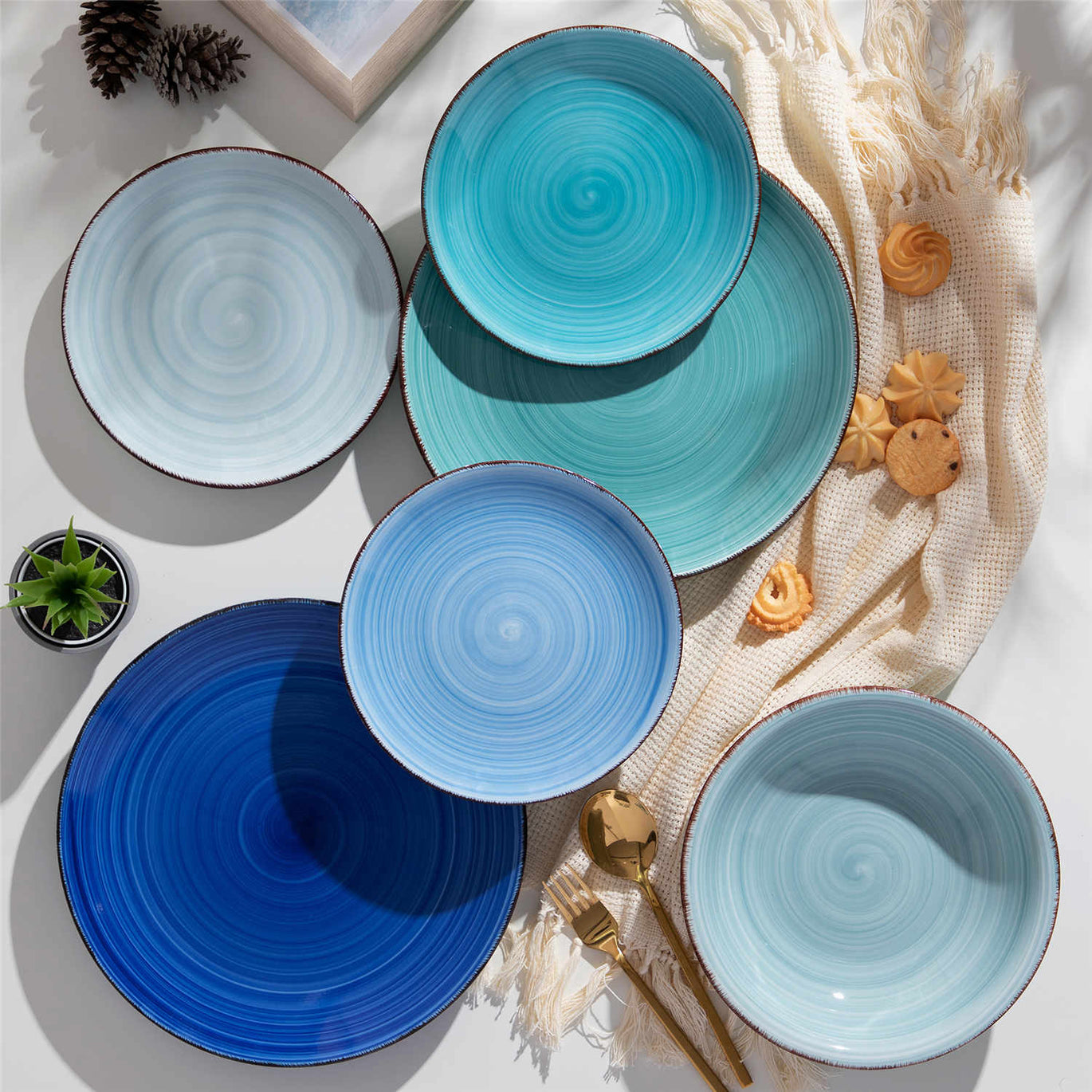


The Importance of Porous Ceramic Plates in Cheese Tasting

Why the Surface Under Your Cheese Matters
Cheese people love to obsess over wheels, wedges, rinds, and pairings. Yet the quiet co-star of every tasting experience is the surface beneath the cheese. It is the “stage” for your little dairy dramas. Charcuterie specialists at places like Boarderie and Cheese Grotto consistently describe the board as the foundation of the whole spread, not just a neutral backdrop.
In many modern guides, that foundation is usually a board: warm wood, sleek marble, moody slate, even metal or glass. Cheese Grotto points out that almost any food-safe material can work, from wood and bamboo to slate, glass, porcelain, or metal, as long as it is sized for your crowd and cleaned properly. Coton Colors and other tabletop brands treat the board as “edible art,” where the serveware, bowls, and utensils matter just as much as the cheeses and meats.
If the board can shape the entire mood of a cheese experience, then the plates that guests actually eat from deserve the same creative attention. Porous ceramic plates sit in that sweet spot: they borrow lessons from classic wooden boards, play nicely with the colorful world of modern ceramics, and support the way real people actually taste cheese at the table.
As a Colorful Tabletop Creative & Pragmatic Joy Curator, I think about tasting as choreography. The board is center stage, but plates are where your guests improvise. When you choose those plates with the same care you give your cheeses, the experience changes from “snacking while you chat” into a small, delicious ritual.
What Cheese Guides Already Tell Us About Surfaces
Most of the serious cheese and charcuterie guidance focuses on boards, not plates. Still, the way experts describe wood, marble, slate, ceramic, and other surfaces gives us a lot of clues about why porous, textured materials can matter so much in tasting.
Cheese Grotto, Boarderie, Serious Eats, Castello, and others all make the same basic point in different ways: the material under your cheese affects knife-friendliness, temperature, cleanliness, and the visual story on the table. Those same factors carry over when you move from a communal board to individual plates.
Porous, Warm, and Wooden
Boarderie highlights wooden boards—acacia, walnut, mango, bamboo—as the classic choice for cheese and charcuterie. They are described as warm, lightweight, and gentle on knife edges. At the same time, those boards are porous. They absorb oils and juices, which means they need regular washing and re‑oiling to stay in good condition.
That porosity has practical consequences. Because wood takes in some of the fat and moisture, it helps keep cheese and charcuterie from sitting in little shiny puddles. It can make a spread feel less slippery, visually and literally. In charcuterie articles, wooden boards are also praised for feeling inviting and rustic, which lines up with how many hosts want their tastings to feel: abundant, relaxed, and a bit cozy.
Shelburne Farms, which teaches people how to build cheese boards, encourages stacking “anchor” piles of cheese on boards, then tucking in nuts, bread, and other accompaniments. That approach works especially well on porous wood, which offers friction under the cheese and crumbs instead of sending everything sliding.
Cool, Sleek, and Non-Porous
On the other end of the spectrum, Boarderie and Castello both mention marble and slate as non-porous surfaces. Marble is praised for staying cool and looking elegant but is often described as heavy and prone to scratches. Slate is framed as modern, easy to clean, and fun because you can write cheese names with chalk.
Serious Eats tested a range of charcuterie boards and concluded that wood is still the most practical material for durability and knife care. Marble, glass, and ceramic charcuterie boards are acknowledged as beautiful, and marble can help keep foods cool, but those hard, non-wood surfaces are more fragile and can damage or dull your serving knives. Cheese Grotto backs that up by noting that knives are best used on wood or bamboo; cutting on glass, porcelain, or metal is tough on edges.
In other words, sleek, non-porous materials shine for chic presentation and easy wipe-down cleanup, but they are harder on knives and can feel more like a display pedestal than a tactile, forgiving “workbench.”
Why Porosity and Texture Matter
Across these guides, porosity shows up mainly in the discussion of wood. Wood’s ability to soak up some oil means you must care for it properly, but it also changes the way the board behaves. Non-porous marble and slate won’t absorb those oils; everything stays on top, waiting for your cloth and soap later.
Texture is tied to that story. A smooth-sanded, well-oiled wooden board has a different feel from a polished stone slab. Serious Eats found that smooth finishes, especially in darker woods, helped boards resist staining and hide scratches, while rougher surfaces stained more easily. That observation is about clean-up and appearance, but it also hints at how cheese feels under a knife and fork.
When you design a tasting, you are juggling all of this with your other goals: the board or plate needs to look gorgeous, respect your knives, be safe to clean, and support the way you and your guests actually eat. Those same considerations become even more personal once you bring porous ceramic plates into the mix.

From Boards to Plates: The Case for Porous Ceramic
Most mainstream articles talk about communal surfaces: one big board, perhaps a couple of smaller ones, sometimes a multi-tiered stand or a pedestal platter. Boarderie even suggests creative options like boards with cracker grooves, pedestal slate platters, or individual mini boards for each guest to create a more personalized experience.
Now imagine swapping those mini wooden boards for hand-made ceramic plates with a slightly porous, matte surface. You are still honoring what the board experts are teaching: each guest has a personal “canvas,” cheese is portioned thoughtfully, and the layout remains abundant instead of chaotic. You are simply turning that canvas into color-soaked, touchable table art.
Porous ceramic plates live in that in-between world. They are not as absorbent as raw wood, and mainstream guides mostly talk about ceramic boards in terms of their beauty and their tendency to dull knives rather than their porosity. Serious Eats, for example, groups ceramic with marble and glass as visually appealing but more fragile and harsher on knives than wood. Cheese Grotto mentions porcelain and glass as valid serving surfaces but treats wood and bamboo as the knife-friendly workhorses.
So instead of using porous ceramic plates as cutting boards, the most practical move is to follow the spirit of those guides: cut on wood, then move to ceramic for tasting. Wood handles the knife work and oil absorption; ceramic plates become the small, intimate landscapes where each guest explores flavors.
This is where porous or matte ceramic really shines. A very glossy plate can feel almost as slick as glass or polished stone. A softly textured ceramic surface gives you a feel closer to wood: a little more grip under a slice of Brie, less sense that a berry or cornichon will skate across the plate the second someone nudges the table. It also echoes the rustic warmth that hosts love about wooden boards while giving you color, pattern, and handmade character.

How Porous Ceramic Plates Shape the Tasting Experience
Flavor, Aroma, and Temperature
Cheese educators repeatedly emphasize three big sensory pillars: flavor, aroma, and temperature. Castello points out that most of what we perceive as taste actually comes from aroma and encourages hosts to think about the whole sensory environment, including scent and lighting.
Several guides, from Good Life Eats to Cheese Grotto and Spoonabilities, recommend letting cheese come to room temperature before serving. The details vary, but the pattern is similar. Hard cheeses handle time out of the fridge better than soft cheeses. Some hosts like Good Life Eats and Spoonabilities suggest taking cheeses out about an hour before guests arrive and note that hard cheeses can stay out for longer, while soft cheeses should sit at room temperature for only a few hours. Castello maps portions and timing another way, suggesting roughly one to two ounces of cheese per person for a snack, climbing up to generous portions of around eight ounces per person if cheese is the main meal, and recommends removing cheeses from the fridge about half an hour before serving and not leaving them out more than a few hours.
Your choice of surface does not rewrite those food-safety guidelines, but it can subtly influence how temperature feels. Marble and other stone boards are often praised because they stay cool, which can be helpful if you are serving in a warm room or featuring very creamy cheeses that you do not want collapsing. Wood feels more neutral and cozy. Ceramic plates fall somewhere in between, and the guides that mention ceramic boards focus more on their aesthetics and fragility than on detailed temperature behavior. That means you can treat them as stable, attractive platforms that will follow the same time and temperature rules you already use rather than as cooling or warming tools.
Aroma is where porous ceramic plates get to play a more poetic role. Castello’s multi-sensory approach suggests using fresh herbs or even lightly scented candles to influence how cheese tastes. When each guest holds a small ceramic plate, you gain more surfaces you can tuck those aromatic cues onto: a sprig of rosemary, a tiny puddle of truffle honey, a swipe of fig jam. Those details stay close to each person’s nose and eyes instead of getting lost on a long board across the table.
Texture, Grip, and Visual Flow
Hosts and stylists from Boarderie, Cheese Grotto, and The Delicious Life all lean on similar layout techniques: cluster similar items, contrast colors, vary the height of slices and folds, corral messy things in small bowls, and leave purposeful negative space. On a big communal board, those moves create the “wow” moment when guests first walk in.
Porous ceramic plates invite you to echo those same techniques at a more intimate scale. Instead of one huge river of salami, you might serve the board with neatly fanned slices, then ask guests to arrange their own bites on small plates. The slight texture of a matte ceramic surface helps keep a shard of aged Gouda or a handful of candied nuts in place, so the plate feels composed and intentional rather than slippery.
Visually, ceramic plates are a playground. Coton Colors talks about serveware acting as a visual centerpiece, with layered bowls and decorative shapes sparking conversation. When you use richly glazed or softly speckled ceramic plates, every cheese bite becomes a tiny color story: ivory triple-cream against deep cobalt, burnished Cheddar on pale clay pink, blue cheese blooming against charcoal splatter. None of that changes the chemistry of the cheese, but it absolutely transforms the way your guests experience it.
Comparing Surfaces: What the Guides Emphasize
Here is a concise view of what different serving surfaces bring to a cheese experience, based on how board and cheese educators discuss them.
Surface type |
What guides highlight |
Practical upside |
Potential trade-off |
Wood boards |
Warm, rustic, porous, gentle on knives (Boarderie, Cheese Grotto, Serious Eats) |
Inviting look, knife-friendly, absorbs some oils |
Needs regular cleaning and re‑oiling; can stain if neglected |
Marble and slate boards |
Non-porous, cool, elegant, chalk-writable (Boarderie, Castello) |
Stay cool, easy to wipe, striking presentation |
Heavy, can scratch, can dull knives, more fragile |
Glass and metal boards |
Mentioned as options (Cheese Grotto, Serious Eats) |
Sleek, modern, non-porous surfaces |
Hard on knife edges, can feel cold or clinical, fragile if glass |
Ceramic/porcelain boards |
Attractive, often grouped with marble and glass (Cheese Grotto, Serious Eats, Castello) |
Beautiful patterns and finishes, fit many decor styles |
More fragile, can dull knives, typically used more for serving than cutting |
Individual plates (including ceramic) |
Used for mini boards, personal platters, tasting parties (Boarderie, Good Life Eats, Instructables) |
Personalizes the experience, helps portion control and hygiene |
Require more pieces and table space; best when paired with a cutting-friendly board |
Porous ceramic plates fall into that last row when you use them as individual tasting surfaces rather than heavy-duty cutting boards. You let wood do the hard work while ceramic focuses on aesthetics, texture, and guest comfort.

Designing a Cheese Tasting Around Porous Ceramic Plates
Map Your Flight: Mild to Bold
Every strong cheese guide comes back to one idea: contrast. Food52 suggests mixing milk types, textures, and intensities so the tasting never feels monotonous. Cheese Grotto recommends choosing contrasting cheeses by milk type, texture, flavor, and age and reminds you that quality matters more than sheer quantity. Good Life Eats advises offering at least four cheeses but limiting the total number so palates do not fatigue, and arranging them from youngest or mildest to oldest or strongest so delicate flavors are not overwhelmed.
Whether your cheeses rest on a big board or on individual plates, that order still matters. You might place three to five cheeses on a central board, arranged clockwise from mild to pungent as Castello demonstrates in its holiday tasting layout. Then you invite guests to move them onto their own porous ceramic plates in that same order, leaving space for accompaniments between the wedges. The plate becomes a map of their personal cheese journey.
Portioning for Plates
Hosts vary in their portioning philosophies, but the ranges cluster together. Castello offers detailed per-person guidance that converts to roughly one to two ounces of cheese per person for a snack, around two to three ounces for dessert, three to four ounces for a lunch-style board, and up to about eight ounces if cheese is basically dinner. Good Life Eats keeps the math simple by suggesting about two ounces of each cheese per person and recommends adjusting up or down depending on whether cheese is the main event or an accent.
For large gatherings with charcuterie and many extras, The Flour Barn Homestead suggests budgeting about three ounces of charcuterie per person overall, spread across meat, cheese, and extras like fruit and crackers. That framework works nicely when you are combining a communal board with individual plates. You can cut and style the full amount on the board, then use the ceramic plates to help guests pace themselves.
Practically, that means you can pre-place a few slices or small wedges of each cheese on every plate, in the mild-to-strong order, rather than asking folks to crowd around the board all at once. Shelburne Farms recommends pre-cutting at least a few pieces from each cheese to show guests how to serve themselves; doing that before you move pieces onto porous ceramic plates keeps everything tidy and welcoming.
The Playful Plate Layout
Boarderie, Cheese Grotto, and The Delicious Life all champion the same creative instincts: group similar items, contrast colors, vary heights, and put messy, runny, or rolling foods into small bowls or ramekins. They suggest using fresh herbs and seasonal decorations to bring the board to life while keeping inedible objects off the food surface.
On porous ceramic plates, you can scale those ideas down without losing the drama. Imagine starting with a slice of Brie near the top of the plate, then tucking a few berries and a sprig of thyme beside it. A little further down, you place a shard of alpine cheese with toasted nuts and a dried fruit. At the bottom, you set a crumble of blue cheese accompanied by a tiny spoonful of honey, echoing the way Castello pairs Danablu with figs and herbs.
Because the plate surface grips the cheese a bit, the arrangement feels stable even as people pass plates or shift in their chairs. You are effectively turning each plate into a miniature board, making the tasting approachable rather than intimidating.
Utensils, Labels, and Flow
Specialized cheese knives, mini tongs, cocktail forks, and tiny spoons come up again and again in the guidance from Boarderie and Cheese Grotto. The general advice is simple: match knife styles to cheese textures, keep knives sharp and clean, and ideally give each cheese its own knife to avoid flavor transfer and hygiene issues.
Using porous ceramic plates does not change that tool kit, but it does change where the action happens. Following Serious Eats and Cheese Grotto, you can protect your knives by doing all cutting on wood, then handing guests their plates along with a small spreader or fork. That keeps ceramic’s knife-dulling tendencies from becoming a problem.
Labeling also becomes easier when each person has a plate. Instead of trying to squeeze every chalk-written name onto a slate slab, you might tuck a tiny place card or printed menu beside each plate, as both Boarderie and several entertaining-focused articles suggest. Guests can then refer to their own mini flight list without leaning over other people’s food.
As for pacing, many tasting-party hosts, including Spoonabilities and Good Life Eats, like to start with a guided round where everyone tastes each cheese in order with a suggested pairing, then loosen up and encourage mixing and matching. With individual ceramic plates, that first guided round feels especially cozy, because each guest is literally holding the full story of the board in their hands.

Safety, Cleaning, and Care
Food-safety advice in cheese guides is refreshingly consistent. Good Life Eats and Spoonabilities suggest taking cheese out of the fridge around an hour before serving so flavors open up. Spoonabilities notes that hard cheeses can be safe out of the fridge for up to several hours, while soft cheeses should be limited to a shorter window. Castello recommends removing cheese about half an hour before serving and avoiding leaving it out more than roughly three hours. Large-group charcuterie planners, like The Flour Barn Homestead, usually limit meats to about two hours at room temperature.
Those ranges give you a practical window. Your board and plates do not change the underlying safety rules; they just influence how gracefully you can navigate them. Wood and ceramic are stable and familiar materials. If you prep the board just before guests arrive, portion onto plates as people sit down, and retire any heavily handled leftovers after a couple of hours, you are following the spirit of all those guides.
On the cleaning side, Serious Eats recommends treating wooden charcuterie boards like wooden cutting boards: wash by hand with mild soap, dry promptly, let them dry fully overnight before storing, and oil them periodically with food-grade mineral oil or butcher-block oil. Wood has natural antimicrobial properties, but regular washing and drying are still non-negotiable. Shelburne Farms suggests keeping jams and sticky items in jars or dishes rather than drizzling them directly on the board, both to avoid a sticky mess and to make cleaning easier.
Porous ceramic plates add a practical advantage here. Since you are not using them as cutting surfaces, you can load them up with jammy preserves, honey, pickles, and other sticky accompaniments without worrying about oiling or warping. After the party, the wood boards get a gentle wash and a rest; the plates can be scrubbed more vigorously according to the maker’s care instructions. You are splitting the workload between a porous, oil-absorbing work surface and a more scrub-friendly serving surface.

Pros and Cons of Porous Ceramic Plates in Cheese Tasting
Stepping back, it helps to think about porous ceramic plates as a complement to everything cheese guides already recommend rather than a replacement. There are three big reasons they can be powerful in a tasting.
First, they personalize the experience. Boarderie and other charcuterie experts describe boards as edible centerpieces that invite mixing and matching. When you add individual plates, especially thoughtfully chosen ceramic ones, you give every guest their own tiny centerpiece. That encourages quieter guests to explore at their own pace and keeps the board itself from getting crowded.
Second, they support both aesthetics and practicality. Coton Colors and similar brands emphasize how meaningful serveware can be in shaping the mood of a gathering. Ceramic plates bring color, pattern, and a satisfying weight to the table without asking you to give up the knife-friendliness and durability of wood boards. A gently textured, porous-feeling glaze helps keep cheese and accompaniments in place and makes the plate feel connected to the rustic charm of wooden boards.
Third, they help you separate cutting from tasting. Serious Eats and Cheese Grotto urge hosts to cut on wood or bamboo instead of on marble, glass, or ceramic to protect knife edges. By treating wood boards as your cutting and staging zone and porous ceramic plates as your tasting zone, you get both the performance benefits of wood and the visual and tactile joy of ceramic.
The main drawbacks are practical. Ceramic is more fragile than wood. You need storage space for multiple plates and must handle them carefully during setup and cleanup. If you do choose to cut directly on ceramic, you will be ignoring very consistent advice about knife care from multiple sources. The pragmatic solution is to keep knives on the board, not on the plates, and let plates be the canvas, not the workbench.
FAQ
Do porous ceramic plates actually change how cheese tastes?
The published cheese-board guides focus more on temperature, aroma, and pairings than on formal studies of plate materials. They consistently recommend serving cheese closer to room temperature, arranging pieces from mild to strong, and surrounding them with complementary accompaniments like nuts, fruit, pickles, and honey. Within that framework, porous ceramic plates influence the experience indirectly. They help you present cheese in a visually compelling way, keep accompaniments corralled near each bite, and position aromatic elements like herbs or preserves close to your nose. That combination can make flavors feel more vivid and intentional, even if the plate itself is not changing the chemistry of the cheese.
If ceramic boards can dull knives, is it safe to use ceramic plates at all?
Serious Eats and Cheese Grotto warn that marble, glass, and ceramic boards are tougher on knives than wood or bamboo. That guidance is about cutting, not eating. If you follow their lead and do your slicing on a wooden board, then move the cheese onto ceramic plates for tasting, you are respecting both the knives and the plates. Ceramics are perfectly appropriate as serving pieces; the key is to treat wood as your primary cutting surface and ceramic as the place where guests build their bites.
What if I do not own handmade porous ceramic plates yet?
You do not need a cupboard full of custom ceramics to apply these ideas. The same principles work with any plates you have. You can still cut on a wooden board, portion cheese thoughtfully, arrange it from mild to bold, and give each guest a personal plate to organize their tasting. As your collection grows, you might look for plates with slightly matte glazes or subtle texture, which echo the warmth of wood while adding color and character. The important part is intentionality: using plates to make each person feel like they have their own tiny tasting board, not just a catch-all for random nibbles.
A Colorful Closing Bite
Porous ceramic plates will never replace the humble wooden cheese board, and they do not need to. They are the playful co-stars that turn a good cheese spread into an artful, personal tasting. When you borrow what experts say about wood, marble, slate, and ceramic boards, then invite those lessons onto the plates in your guests’ hands, you get the best of both worlds: a board that works hard and plates that spark joy.
References
- http://shelburnefarms.org/about/news-and-stories/how-create-cheese-board
- https://www.seriouseats.com/best-charcuterie-boards-8424659
- https://www.surlatable.com/o?c=cheese-serving-utensils&srsltid=AfmBOopQ0WplW3LUxK4GjiMNtWrhCz64kwJFd6pqILa5kz37kEQlhrGf
- https://themodernproper.com/how-to-build-the-perfect-cheese-board
- https://ainttooproudtomeg.com/cheese-tasting-board/
- https://food52.com/story/19438-cheese-board-101-building-the-perfect-plate
- https://www.goodlifeeats.com/how-to-plan-a-cheese-tasting-party/
- https://homeandtexture.com/wine-and-cheese-tasting-party/
- https://www.instructables.com/Host-a-Cheese-Tasting-Party/
- https://www.lecreuset.com/blog/how-to-compose-a-cheese-and-charcuterie-board.html?trk_sid=L3F5KO0CSJIVHQIBM46KRSTMD8&trk_msg=44FQEEHTUMOKH17QRV3K75DOJK&trk_link=P0ATGE0DEGEKL0EMCIQ604SL6C&trk_contact=SV0N3KDQI32GE1MJDKMU2EMSHO
Potrebbe piacerti anche
Stern Set di stoviglie da 16 pezzi
- $88.00
$100.00- $88.00
- Prezzo unitario
- per
-
Blue
-
Green
-
Red
-
Grey
Simi Set di stoviglie 24 pezzi
- $100.00
$135.00- $100.00
- Prezzo unitario
- per
Bonita Set di stoviglie da 18 pezzi
- Da $63.00
$78.00- Da $63.00
- Prezzo unitario
- per
-
Blue
-
Multicolor
Set di stoviglie stellate da 16 pezzi
- $88.00
$90.00- $88.00
- Prezzo unitario
- per
-
Blue
-
Green
-
Red
-
Gradient Green