



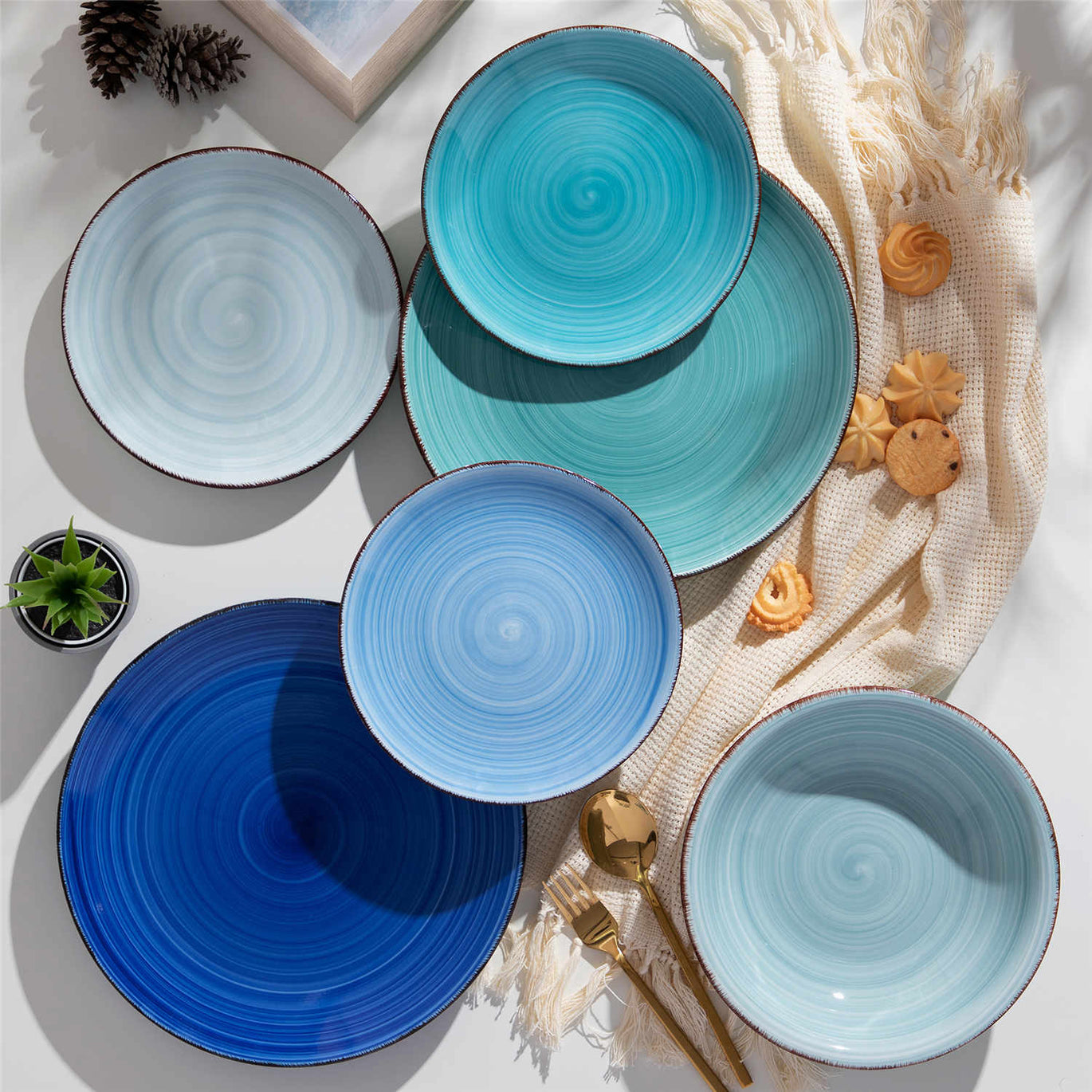


The Importance of Pre-Chilled Ceramic Bowls for Ice Cream Tasting

Ice cream tasting is one of those experiences that seems simple on the surface: scoop, spoon, smile. But if you care about flavor nuance, texture, and presentation, the vessel you choose – and its temperature – quietly shapes every bite. As someone who lives for colorful tabletops and joy-sparking dessert rituals, I can tell you that pre-chilled ceramic bowls are a small change that makes a surprisingly big impact. They are like tiny, frosty stages where ice cream gets to perform at its best.
In this article, we will look at what food scientists know about ice cream structure, what ceramic specialists and tableware designers know about bowls, and how pre-chilling brings those worlds together. Along the way, we will keep it practical, playful, and grounded in real research from sources like Food Analytical Methods, Flavour, Earthan, Cataloniaplates, Smart.DHgate, Love & Olive Oil, and more.
Ice Cream Is Not Just “Frozen Milk”
Ice cream is a complex little universe in a bowl. A review in Food Analytical Methods by Aziz Homayouni and colleagues describes ice cream as a food colloid made of several interlocking parts: an unfrozen syrupy phase, tiny ice crystals, fat globules, air bubbles, and often stabilizers and emulsifiers that help hold everything together. During production, mixing, pasteurization, homogenization, aging, freezing, and hardening all influence how those components stack, connect, and behave when you finally scoop.
When the structure is right, ice cream feels dense but cushiony on the spoon, creamy on the tongue, and full of tiny air pockets and fine ice crystals rather than big, crunchy shards. When the structure breaks down – for example, if it melts and refreezes repeatedly – ice crystals grow, air escapes, and the texture turns grainy. The same review notes that even flavor compounds like vanillin slowly degrade during storage at about 0°F, which means that temperature and time quietly erode both taste and aroma.
So ice cream tasting is not simply about choosing flavors; it is about catching a fragile structure at a perfect moment. Your bowl can either protect that moment or rush it along.
Temperature, Flavor, and the “Tasting Window”
Ice cream straight from a deep freezer can be rock hard and muted in flavor. As it warms slightly, fat softens, aromas release, and sweetness becomes more noticeable. A custard-based olive oil ice cream from Love & Olive Oil is a great example: the author emphasizes how delicate flavors in good extra-virgin olive oil can be dulled by overly high cooking temperatures and highlights how salt is essential to make flavors pop at cold serving temperatures. The same logic applies to tasting: if the ice cream warms too fast, texture and structure suffer; if it stays painfully cold, flavor feels locked away.
This gives us a kind of “tasting window,” a sweet spot where ice cream is soft enough to explore but not so warm that it collapses. Pre-chilled bowls extend that window. Instead of the ice cream sitting in a warm ceramic or plastic dish that pulls its chill away, the ice cream rests on a cool, stable stage. You are not trying to fight a melting clock; you are harnessing it.

Why Ceramic Bowls Are Dessert MVPs
Ceramic specialists have a lot to say about why ceramic bowls work so well for food in general. Earthan’s guide to choosing ceramic bowls explains that quality ceramic – especially stoneware and porcelain – is durable, non-toxic, heat-retaining, and easy to clean. They classify three major ceramic types: earthenware, which is more affordable but more chip-prone; stoneware, which is robust and everyday-friendly; and porcelain, which is high-fired, strong, and slightly translucent, often the top choice for performance and elegance.
Cataloniaplates’ essay on why food tastes better in a bowl adds a psychological and sensory layer. Bowls have been central to eating rituals for thousands of years, and modern “bowl culture” taps into a desire for cozy, abundant meals in a single vessel. According to research they cite from the journal Flavour, tableware shape and color affect how we perceive sweetness, richness, and indulgence. Round, warm-toned bowls tend to be associated with richer, more pleasant flavors. The curved sides also help concentrate aromas toward your nose, and smell can account for up to about 80 percent of what we perceive as taste.
Ceramic bowls, especially well-designed ones, also feel wonderful in the hand. Textured exteriors give you a secure grip; matte finishes hide tiny scratches; glossy interiors make ice cream look lush and luminous. That hand-feel and visual richness primes your brain to read a dessert as comforting, special, and worth savoring.
Now layer temperature onto all of that, and ceramic becomes even more interesting.

Ceramic’s Thermal “Superpower”
Earthan notes that ceramic bowls retain heat longer than many other materials, which is one reason they are so good for soups and stews. Smart.DHgate’s comparison of ceramic dessert bowls and glass dessert bowls backs this up with everyday testing: when they served hot cobblers and puddings over several days, ceramic bowls kept those warm desserts hot longer and reheated more evenly in the microwave.
For cold desserts, their tests found that glass-style bowls excelled at keeping sorbets chilled, while traditional ceramic offered moderate cold retention. Another article from Smart.DHgate on using ceramic wine cups for desserts adds nuance: thick-walled ceramic goblets insulate so well that chilled desserts stay cool longer and show less messy condensation than the same desserts in glass cups.
Put those threads together and a pattern emerges. Ceramic may not always be the single coldest vessel the instant you serve, but its mass and insulating walls slow down temperature change. When you pre-chill a solid ceramic dessert bowl, you effectively give your ice cream a cold, gentle bunker that resists warming from the room and from your hand. Instead of the ice cream dumping its cold into a room-temperature dish, bowl and ice cream work together to drift upward in temperature more gracefully.
What “Pre-Chilled” Really Means
Pre-chilling a ceramic bowl simply means bringing the bowl itself down to a lower temperature before adding ice cream. You can do this in the refrigerator or freezer, and each approach has its personality.
A fridge-chilled bowl feels pleasantly cool rather than icy. For casual dessert at the end of a weeknight dinner, slipping your porcelain or stoneware bowls into the refrigerator thirty to sixty minutes before scooping is often enough to slow melting without making the bowl uncomfortable to hold. Your ice cream will soften to tasting temperature while the bowl quietly resists turning it into soup.
A freezer-chilled bowl is a more serious move, perfect for an intentional ice cream tasting or a showpiece sundae. The ceramic comes out frosty to the touch, and that cold reservoir buys you more time for sculpted scoops, layered toppings, or soft-serve rosettes before they droop. Smart.DHgate’s tests tracked dessert temperatures over about thirty minutes to compare bowl styles, and that is exactly the kind of window you are managing when you pre-chill: enough time to photograph, taste thoughtfully, and chat, without watching your sundae collapse into a puddle.

Safety First: Avoiding Thermal Shock
Ceramic’s one weakness is abrupt, extreme temperature change. Both Earthan’s care recommendations and the ceramic wine cup article emphasize avoiding sudden jumps from very hot to very cold or the reverse. That means you should not take a bowl out of a hot dishwasher cycle or oven and immediately park it in the freezer, and you should not pour boiling sauce into a bowl you just pulled from the freezer.
For ice cream tasting, that is easy to manage. Start with clean bowls that are fully dry and at room temperature. Place them gently in the refrigerator or freezer; let them cool gradually; and when you remove them, add cold ice cream or chilled toppings, not boiling fudge straight from the stove. Hand-painted artisan bowls, like Sveva’s Home ice cream bowls from Artemest or Ashley Bevington’s whimsical Melting Poodle Ice Cream Cups, deserve extra care: their makers invest hours coil-building, texturing, and glazing, and respecting thermal limits protects that artistry.
Pre-Chilled Ceramic vs Room-Temperature Ceramic vs Glass
The choice is not “ceramic or nothing.” It is a spectrum of experiences. Here is a high-level comparison of what actually happens in your bowl.
Bowl type |
How it treats ice cream |
Standout strength |
Watch-out |
Pre-chilled ceramic dessert bowl |
Slows melting, keeps structure intact longer while still allowing gradual softening |
Balances texture protection with cozy hand-feel and rich visual framing |
Requires freezer or fridge space and a small bit of planning; avoid thermal shock |
Room-temperature ceramic dessert bowl |
Lets ice cream warm and soften quickly; great for fast eaters |
Easiest everyday option with all the aesthetic and tactile benefits of ceramic |
Shorter tasting window; melt can race ahead in warm rooms |
Pre-chilled glass dessert bowl |
Keeps cold desserts especially frosty and visually crisp, showing off layers from the side |
Sleek, modern presentation with excellent chill for sorbets and parfaits |
More fragile; can feel very cold to the touch and often shows more condensation compared with thicker ceramic walls |
The research and buying-guide content from Smart.DHgate aligns with this picture: ceramic bowls shine in durability, warmth, and cozy vibe, while glass earns top marks for sleekness and cold-focused presentation. For many households, the sweet spot is simple: ceramic for everyday and tasting flights, with a few glass pieces reserved for dramatic, layered showpieces.
Sensory and Psychological Perks of Pre-Chilled Ceramic
Cataloniaplates describes several psychological reasons bowls feel so satisfying. Cradling a bowl is tactile comfort; a full bowl signals “enough”; and strong associations with soups, stews, and cozy foods make bowl-served meals feel nurturing. With ice cream, a cool ceramic bowl adds a new twist: your fingertips feel a gentle chill instead of a sticky, sweating dish. That makes the whole ritual feel more intentional, like a moment you prepared on purpose.
The same article notes that bowl curvature concentrates aromas toward your nose. In ice cream tasting, that matters because much of flavor comes from volatile compounds drifting upward. The Food Analytical Methods review underlines that ice cream contains an unfrozen syrup phase rich in sugars, flavor compounds, and sometimes probiotic cells, all nestled around fat and air. As your pre-chilled ceramic bowl slowly allows a thin surface layer to soften without full collapse, you get a steady release of aroma rather than an abrupt rush followed by flat sweetness.
Color also plays a role. Cataloniaplates, echoing Flavour research, notes that warm-toned or softly rounded bowls tend to be associated with sweeter, more indulgent experiences. Earthan’s design guidance suggests that neutral tones showcase colorful foods, earth tones add rustic warmth, and bold patterns turn tableware into statement pieces. For ice cream tasting, that means a creamy vanilla gelato in a deep navy bowl feels dramatic and modern, while raspberry sorbet in a speckled stoneware dish feels earthy and artisanal. When those bowls are also chilled, your eyes see luxury and your tongue experiences calmly regulated melt.

Choosing Ceramic Bowls That Love Being Pre-Chilled
Not every ceramic bowl is equally suited to frequent trips into the cold. Material, shape, size, and glaze quality all matter.
Earthan’s breakdown of ceramic types is a useful starting point. Earthenware is low-fired and more porous, making it more prone to chipping and damage if subjected to repeated thermal stress. It is charming for rustic settings but better for occasional pre-chilling than daily freezer duty. Stoneware is higher-fired and sturdier; it retains heat well and, by extension, handles cold nicely when pre-chilled. Porcelain, made from refined kaolin clay and fired at very high temperatures, is extremely strong, relatively thin, and highly resistant to chipping and cracking. For serious ice cream tastings where you will chill bowls often, porcelain and robust stoneware are usually the most pragmatic choice.
Quality matters beyond clay type. Earthan highlights that good ceramic bowls are non-toxic, lead- and cadmium-free, and often dishwasher-safe. For pre-chilling, a well-glazed interior is helpful because it resists staining from chocolate or fruit sorbets and releases ice cream cleanly. Glazes also create a smooth canvas for colors and patterns. Brands like Sveva’s Home on Artemest lean fully into this, offering hand-painted Italian bowls from Liguria that are 100 percent ceramic, one-of-a-kind, and even customizable in size, color, and decorative design. Each piece becomes both a tasting tool and a tiny artwork.
On the more playful side, Ashley Bevington’s Melting Poodle Ice Cream Cups combine pet imagery, junk-food humor, and dripping “melting” textures in porcelain. The forms are coil-built, textured with poodle-puff patterns, decorated with underglaze, porcelain sprinkles, and drips of thickened slip, then finished with clear glaze. These cups feel like sculptural jokes about melting ice cream; chilling them before serving draws that visual pun right into the tasting experience.
At the accessible, everyday end of the spectrum, sets like the six-piece Selamica 12 oz dessert bowls sold on large online marketplaces hit a sweet spot: individual portions, around 4.7 inches in diameter, microwave- and dishwasher-safe, sized perfectly for ice cream, snacks, and sides. These are workhorse bowls that you can rotate between freezer and dishwasher as long as you respect thermal shock guidelines.

Size, Shape, and Color for Ice Cream Tasting Flights
Smart.DHgate’s creative guide to using ceramic dessert bowls gives concrete size numbers that translate beautifully to ice cream. For petite individual servings, they recommend bowls around 4–6 fl oz. For more generous or shareable portions, 8–12 fl oz feels comfortable. For a tasting flight – three or four small scoops, each a different flavor – I find that 4–6 fl oz porcelain bowls are ideal. They are large enough to show off toppings and sculpted shapes without encouraging towering portions that melt before you finish.
Shape influences texture and mixing. Earthan and Cataloniaplates both note that round bowls are the most versatile for soups, noodles, cereals, and salads. That same gentle curve is perfect for ice cream because it cradles scoops, keeps sauces from running away, and encourages “complete bites” that include ice cream, sauce, and crunchy topping together. Coupe-style bowls with slightly flared edges, highlighted in design references like Heath Ceramics, are excellent for layered desserts and sundaes because they hold sauces and crumbles securely while still presenting a wide, shallow surface for decoration.
Color can be a deliberate tool. Smart.DHgate’s dessert bowl styling tips emphasize color contrast: pale desserts pop in dark or saturated bowls; dark chocolate desserts look sophisticated in white or cream bowls; fruit sorbets glow against muted neutrals. You can coordinate with your overall decor – earth tones for rustic, solid modern hues for minimalist, bold patterns for festive gatherings – or intentionally mismatch for a boho, collected-over-time feel. When those thoughtfully chosen bowls come out of the freezer faintly frosted, they already feel like part of the dessert, not just something holding it.

Pre-Chilled Bowls in Real-World Ice Cream Rituals
It is one thing to nod along with the theory; it is another to actually slide a frosty ceramic bowl onto your own colorful table. Here are a few ways to put pre-chilled ceramics to work in everyday life.
At-Home Ice Cream Tasting Flight
Imagine planning a simple three-flavor flight: a rich custard-based tiramisu ice cream inspired by the recipe on Mission Food, a bright fruit sorbet, and a subtle olive oil ice cream similar to the one from Love & Olive Oil. About half an hour before guests arrive, you place a set of small porcelain bowls in the freezer. When you are ready to serve, you add modest scoops to each chilled bowl rather than piling everything high in a single dish.
The pre-chilled ceramic gives you breathing room. Instead of racing to describe flavors before the sorbet collapses and the custard loses its structure, you can linger over color, aroma, and texture. The bowl’s curvature concentrates the tiramisu’s coffee-and-rum perfume, the sorbet’s fruitiness, and the olive oil’s floral notes, while the chill keeps each sample at its best through a few thoughtful bites.
Soft-Serve Sculpting and Sundae Art
The soft-serve sculpting article from Big Red Treats treats ice cream like an artistic medium, playing with layers, textures, and edible decoration – rosettes, peaks, drizzled syrups, crushed cookies, and colorful sprinkles. The author highlights how important consistency, temperature, and the right vessel are for sculptures to hold their shape.
When you are layering multi-flavor soft-serve or frozen custard in a pre-chilled ceramic bowl, you give your swirls a better chance of standing tall. The cold ceramic slows melting at the base and along the sides, so your peaks and patterns do not slump as quickly. Deep, matte stoneware bowls make saturated toppings and sprinkles look even more vivid, while glossy porcelain bowls echo soft-serve’s shine. Add thoughtfully chosen garnishes – a shard of cookie, a stripe of chocolate syrup, a few edible flowers – and the pre-chilled bowl becomes a gallery pedestal that just happens to be delicious.
Family Nights and Everyday Scoops
Smart.DHgate’s hands-on comparison of dessert bowls comes from the very real chaos of a busy family kitchen, complete with kids, drops, dishwasher cycles, and microwave reheats. Their findings are clear: traditional ceramic bowls stand up better to clumsy hands and everyday bumps than fragile glass, while still offering enough thermal performance to keep desserts comfortable.
For family ice cream nights, pre-chilling a sturdy set of stoneware or porcelain bowls is an easy upgrade. You gain slower melting, fewer sticky drips, and a little extra magic when kids see frosty bowls appear on the table. Bowls like the Selamica 12 oz set, or other dishwasher-safe ceramic dessert bowls in that size range, are perfect here: big enough for a kid-approved scoop with toppings, small enough to keep portions reasonable. Toss them in the dishwasher after they return to room temperature, dry them thoroughly, and they are ready for the next round.
Caring for Ceramic Bowls You Chill Often
When you decide to turn your ceramic dessert bowls into regular cold tools, a few habits will keep them beautiful and intact.
Avoiding Cracks and Crazing
Both Earthan and the ceramic wine cup article caution against sudden temperature shocks. Practically, that means letting bowls cool a bit after washing before they go into the refrigerator or freezer, and letting them warm back up before washing in hot water. For antique or hand-painted pieces, especially those with intricate underglaze and overglaze work like some artisanal goblets and 3D floral dessert bowls featured in Smart.DHgate’s guides, hand washing with mild detergent is recommended over harsh dishwasher cycles. This preserves color, prevents fine surface crack networks known as crazing, and protects delicate details.
Store bowls with a little breathing room between them, especially those with textured surfaces or irregular rims. A thin dish towel or felt separator between stacked pieces reduces the risk of chipping as you move them in and out of cabinets, and that gentle treatment pays off when you are rotating them through pre-chilling routines.
Cleaning for Easy Release
A well-glazed ceramic interior is naturally non-stick enough for ice cream, but a few techniques from dessert-focused sources make service even smoother. The Smart.DHgate article on ceramic dessert bowl styling suggests lightly greasing a bowl or dusting it with cocoa powder or fine sugar when you are worried about sticking, particularly for puddings or set desserts. For ice cream that you plan to swirl or sculpt, this is rarely necessary, but it can help with molded desserts eaten from very small bowls.
Most modern stoneware and porcelain dessert bowls are microwave-safe as long as they do not have metallic trims. That is useful if you want to quickly warm a sauce to pour over ice cream in a chilled bowl. Just remember to warm the sauce separately and let it cool slightly before it touches your pre-chilled ceramic so you do not shock the glaze.
FAQ: Everyday Questions About Pre-Chilled Ceramic Bowls
Can I put any ceramic bowl in the freezer?
Most sturdy stoneware and porcelain bowls can handle freezer temperatures as long as they are not subjected to rapid, extreme temperature swings. Earthenware and very thin, delicate ceramics may be more vulnerable. Follow the kind of advice shared by Earthan and by ceramic wine cup guides: avoid moving bowls straight from a hot environment into the freezer, make sure they are fully dry, and when in doubt, test with a less precious piece before committing your favorite hand-painted bowl.
How far in advance should I pre-chill my bowls?
For refrigerator chilling, thirty to sixty minutes is usually plenty for a noticeable effect. For freezer chilling, fifteen to thirty minutes is a good starting point for small dessert bowls. Longer will make them colder, but beyond a certain point you will not gain much extra benefit for a single serving, and you risk more condensation once they return to a warmer room.
Do pre-chilled bowls make ice cream too cold to taste?
If you are serving ice cream that is already very hard straight from a very cold freezer, a heavily frosted bowl can keep it firm for quite a while. The goal is not to keep the ice cream rock-solid; it is to slow melting once it begins to soften. A simple way to balance this is to scoop and let ice cream sit in the chilled bowl for a minute or two on the table before tasting. That way, you get the best of both worlds: creamy, expressive texture, plus a longer tasting window.
In the end, pre-chilled ceramic bowls are a tiny, joyful act of respect – for the craft of ice cream makers, for the artistry of ceramicists, and for your own senses. You are not just serving frozen dessert; you are curating a cool, colorful stage where texture, aroma, and flavor can shine in slow motion. Chill the bowl, scoop with intention, and let every spoonful feel like a little celebration.
References
- https://www.academia.edu/38481510/Advanced_Methods_in_Ice_Cream_Analysis_a_Review
- https://scholarsarchive.byu.edu/cgi/viewcontent.cgi?article=10508&context=etd
- https://foodsci.wisc.edu/wp-content/uploads/2023/11/Rankin-Scott-Frozen_Dessert_Center_2023_Annual_Technical_Conference-11.pdf
- https://ceramicartsnetwork.org/pottery-making-illustrated/pottery-making-illustrated-article/Melting-Poodle-Ice-Cream-Cups-235297
- https://www.theartleague.org/blog/2017/09/12/whats-in-a-bowl-of-ice-cream/
- https://artemest.com/products/set-of-4-ceramic-ice-cream-bowls
- https://smart.dhgate.com/are-ceramic-dessert-bowls-actually-better-than-glass-whats-the-real-difference/
- https://studio5.ksl.com/the-art-of-ice-cream-tasting/
- https://mission-food.com/ruby-violets-ice-cream-dreams-tiramisu/
- https://www.amazon.com/Selamica-Ceramic-Microwave-Dishwasher-Assorted/dp/B0BM7CLXT3
Potrebbe piacerti anche
Stern Set di stoviglie da 16 pezzi
- Da $75.00
$100.00- Da $75.00
- Prezzo unitario
- per
-
Blue
-
Green
-
Red
-
Grey
Simi Set di stoviglie 24 pezzi
- $100.00
$135.00- $100.00
- Prezzo unitario
- per
Bonita Set di stoviglie da 18 pezzi
- Da $63.00
$78.00- Da $63.00
- Prezzo unitario
- per
-
Blue
-
Multicolor
Set di stoviglie stellate da 16 pezzi
- $77.00
$90.00- $77.00
- Prezzo unitario
- per
-
Blue
-
Green
-
Red
-
Gradient Green