



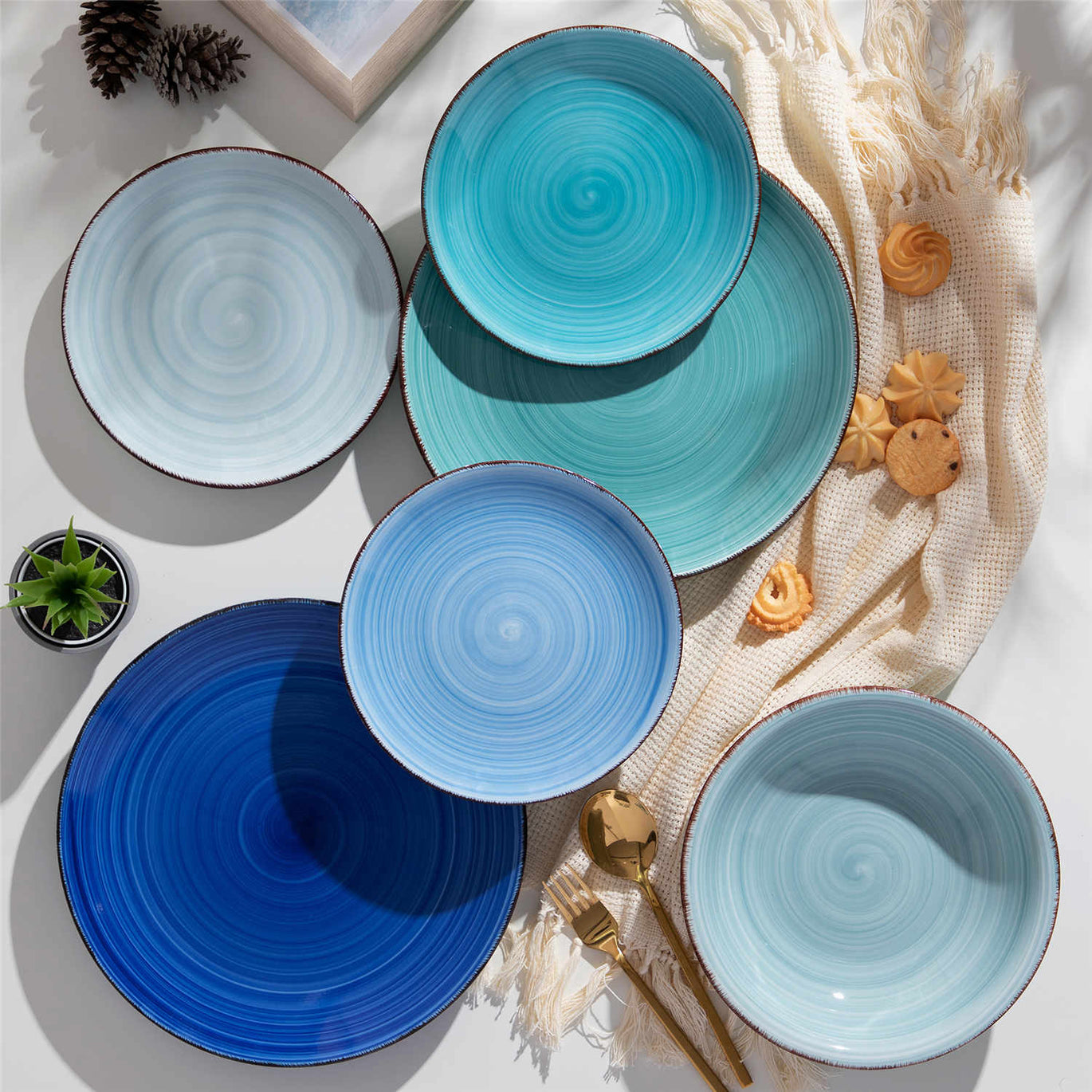


Understanding Temperature Control in Sake Tasting Ceramics

Temperature might be invisible, but on a colorful sake table it behaves like a secret seasoning. Change the temperature, change the ceramic cup, and suddenly the same bottle feels like a different personality. As someone who spends an unreasonable amount of time pairing glazes with ginjo and warmers with junmai, I can tell you: learning to control temperature through your ceramics is one of the most joyful upgrades you can give your sake life.
In this guide, we will stay grounded in what brewers, educators, and sake associations have found about temperature and vessels, while keeping things practical, playful, and very tabletop focused.
Why Temperature Matters More Than Most People Think
Guides from producers such as Takara Sake USA and educators like Sake School of America agree on one big idea: serving temperature dramatically changes sake’s flavor, aroma, mouthfeel, and perceived acidity. The Japan Sake and Shochu Makers Association goes even further, highlighting that one of sake’s unique features is how enjoyable it can be from very chilled to quite hot.
Here is the pattern these experts consistently describe. When sake is colder, it tastes drier, smells more subdued, and feels thicker or denser on the tongue, with alcohol and acidity feeling gentler. As it warms, sweetness and umami appear more boldly, aromas become more expressive, the body feels lighter, and both acidity and alcohol stand out more.
This means a chilled daiginjo in a thin glass can whisper like a crisp white wine, while the same brewery’s junmai in a warm stoneware cup can hug you like a winter stew. Temperature is not a garnish; it is a structural choice.
The Key Sake Temperature Bands (In Everyday Language)
Japanese sake culture has a wonderfully poetic vocabulary for temperatures. Different sources vary slightly, but organizations such as the Japan Sake and Shochu Makers Association, London Sake, and The Sake Company outline very similar ranges. Converting those into Fahrenheit and plain language, you get something like this:
Japanese term |
Approx °F range |
Sensory feel |
Often used for |
Yuki-hie (“snow chilled”) |
Around 41°F |
Very cold, dense texture, aroma quite muted |
Crisp namazake, sparkling styles |
Reishu (“chilled”) |
About 41–50°F |
Refreshing, clean, fruity notes stand out, subtle nuances can be hidden if too cold |
Ginjo, daiginjo, sparkling |
Suzu-hie (“cool breeze”) |
Around 59°F |
Lightly chilled, aroma begins to open, flavors clearer |
Aromatic ginjo and daiginjo, nigori |
Shitsu-on / Hiya (“room temperature”) |
Around 68–77°F |
Balanced expression of character, gentle softness |
Junmai, honjozo, many everyday sakes |
Nurukan (“gently warm”) |
Around 104°F |
Near body warmth, round, full flavors, soft texture |
Junmai, honjozo, yamahai, aged sake |
Jo-kan (“comfortably hot”) |
Around 113°F |
Noticeably hot to the touch, concentrated aroma, crisp finish |
Robust junmai, honjozo, kimoto, yamahai |
Atsukan (“hot”) |
Around 122°F |
Steam rising, dry and sharp, alcohol impression stronger |
Very sturdy honjozo or futsu-shu |
Educators such as Sake School of America and several warm-sake guides recommend most home warming in the range of about 104–122°F, with a strong caution not to push delicate sake beyond roughly 122°F because aromas become rough and flavors flatten. Many brewery and importer guides also suggest starting around 104°F for a first warm attempt.
How Ceramic Vessels Change Temperature And Taste
Ceramics are not just pretty containers; they are active collaborators in temperature control. Research-based guides from Musubi Kiln and other sake-specialist retailers describe how thickness, material, and shape of cups and carafes change both thermal behavior and flavor perception.
Thickness And Heat Retention
Musubi Kiln notes that stoneware cups, usually thicker, tend to soften flavors and work beautifully with warm junmai and cloudy sake. Thick walls hold warmth longer and make the transition from “too hot” to “just right” slower, which is very forgiving when you are still learning to judge temperature without a thermometer.
Thin porcelain behaves almost like a spotlight. Its fine rim and lighter thermal mass let aroma and flavor feel sharper and more defined. Heat leaves more quickly, so a gently warmed sake in thin porcelain will glide through several temperature stages in just a few minutes, revealing different facets as it cools.
Glass cups, described in multiple sake utensil guides as ideal for cold and aromatic styles, do very little to insulate. That is perfect when you want to keep a crisp chill or highlight clarity and color, but it makes them less friendly for warm sake that you want to nurse slowly.
Material Matters: A Quick Comparison
Drawing on guidance from Musubi Kiln and hot-sake specialists, you can think of common cup and carafe materials this way:
Material |
Temperature behavior |
Flavor effect (reported by sake utensil guides) |
Best matches |
Stoneware |
High insulation, warms and cools slowly |
Softens and mellows flavors, great for umami-rich profiles |
Warm junmai, yamahai, kimoto, cloudy nigori |
Porcelain |
Moderate insulation, changes temperature relatively quickly |
Sharpens aromas and taste, emphasizes clarity |
Chilled or slightly warm ginjo and daiginjo, fragrant styles |
Lacquerware |
Strong insulation for both hot and cold |
Gives a mild, mellow impression, comfortable to hold when hot |
Warm junmai for ceremonial or special settings |
Glass |
Low insulation, follows ambient temperature quickly |
Highlights visual clarity and aroma of cold sake |
Chilled ginjo, daiginjo, sparkling, aged amber-toned sake |
Metal (tin, copper) |
Conducts heat very efficiently |
Tin in particular can enhance fruity aromas in cold sake |
Chilled premium styles; metal carafes for precise warm-water control |
The pros and cons are straightforward. Heavier ceramic and lacquer cups are your allies for maintaining warmth and keeping fingers comfortable, while thinner porcelain and glass are better for crisp, chilled experiences.
Size And Shape: More Than Aesthetic
Cup shapes commonly used in sake service each tweak temperature and aroma in their own way. Musubi Kiln and hot-sake guides describe several archetypes.
Sakazuki are shallow ceremonial dishes with a wide surface. They expose a lot of liquid to the air, so warm sake cools fairly quickly and chilled sake warms just as fast. They are dramatic and beautiful for toasts, but not ideal when you want to hold a precise temperature for long.
Ochoko are small, often cylindrical cups traditionally paired with a tokkuri carafe. Their small capacity, often in the neighborhood of 0.6–2.4 fl oz, encourages frequent pouring. With warm sake, that means each serving can arrive close to ideal temperature from a well-managed carafe. For chilled sake, the small pour warms gently as you drink, creating a natural temperature journey.
Guinomi are larger, thicker cups closer to an espresso cup in volume. Their added heft makes them excellent for warm, hearty styles and slow sipping. Several hot-sake guides also note that wider mouths are preferred for hot service because they allow alcohol vapor to dissipate rather than concentrate sharply in the nose.
Glass sake cups and modern wine-style glasses are highlighted by Musubi Kiln and multiple sake temperature articles as ideal for cold aromatic styles like ginjo and sparkling sake. The narrower bowl favors aromatic focus, but for warm sake that same shape can trap harsh alcohol fumes, so most experts recommend glass for chilled service only.

Carafes, Warmers, And Coolers: The Temperature Tools On Your Table
Your cup is the final stage, but the carafe and surrounding tools do most of the temperature work. Traditional sake equipment is designed around gentle, controllable heating and cooling.
Carafes: Tokkuri, Katakuchi, And Chirori
Musubi Kiln describes three core carafe types.
A tokkuri is the classic gourd-shaped ceramic or porcelain flask used for both hot and cold sake. Typical capacity is measured in gou, with one gou equal to about 6 fl oz. Many tokkuri hold one to three gou, so roughly 6–18 fl oz. The narrow neck makes it easy to pour without spilling and helps concentrate warmth.
Katakuchi are wide, open-mouthed servers with a spout. They are visually striking and excellent for cold or room-temperature sake, especially when you want to float petals or herbs for presentation. The open top allows temperature to drift more quickly, so they are less common for precise hot service.
Chirori are metal carafes, often tin or copper, explicitly designed for gently warmed sake. They conduct heat quickly, which allows very precise control in a hot-water bath. Because metal gets hot to the touch, chirori are usually used with a handle or paired with a supporting warmer vessel.
Sake Warmers
Both Musubi Kiln and professional hot-sake guides describe tabletop warmers as the relaxed, home-friendly equivalent of restaurant warming machines. These warmers are vessels you fill with hot water, into which you place a tokkuri or chirori. The sake never meets direct flame, and heat moves gently from water to carafe to sake.
Stoneware and porcelain warmers are used by pouring boiling water into the warmer itself, then setting the carafe in and letting everything equalize. Some copper warmers are designed to sit directly on the stove before the carafe goes in. In most cases, they are sized for a one-gou carafe, so about 6 fl oz of sake per warm cycle.
The big advantage, echoed in guidelines from the Japan Sake and Shochu Makers Association and Sake School of America, is control. Warmers and water baths improve even heat distribution and allow the same carafe to hover in a narrow temperature window, especially when combined with a thermometer.
Sake Coolers
Musubi Kiln points out that sake coolers function much like wine coolers. They are usually large enough to hold a standard 720 ml bottle, which is roughly 24 fl oz and close in size to a 750 ml wine bottle. Fill with ice and water, tuck your bottle inside, and you have an elegant way to keep chilled sake at a steady serving temperature through dinner.
These coolers pair beautifully with glass or porcelain cups, letting you pour small, bright servings that stay lively from the first toast to the last bite of dessert.
Practical: How To Warm Sake With Ceramics At Home
Multiple reputable guides converge on one message: warm gently, evenly, and never in a rush. The Japan Sake and Shochu Makers Association, midorinoshima’s hot sake guide, and home-focused resources such as The Japantry and Smart.DHgate’s sake article describe almost identical water-bath techniques.
Classic Hot-Water Bath With A Tokkuri
Start by filling your tokkuri or heat-safe carafe to roughly ninety percent of its capacity. Several guides recommend leaving a little headspace because sake expands as it warms.
Place the tokkuri in a pot or deep bowl and add water until it reaches about two-thirds of the way up the side of the carafe. Remove the tokkuri, then bring the water to a boil. Once it has boiled, turn off the heat. Returning the tokkuri to this just-boiled water avoids harsh local hot spots at the base.
The Japan Sake and Shochu Makers Association and midorinoshima both report that for a ceramic tokkuri, it usually takes about two to three minutes in this water to reach gentle warm ranges around 104–113°F. A cooking thermometer is strongly recommended by these sources, because the actual time varies with vessel thickness, water volume, and sake amount.
Sake School of America and multiple importer guides advise aiming initially for nurukan around 104°F for most junmai and honjozo styles, then experimenting toward 113°F once you understand how your bottle behaves. They also caution that exceeding roughly 122°F makes alcohol feel sharp and aromas lose nuance, which aligns with what the Japan Sake and Shochu Makers Association describes at the hot atsukan band.
Microwave: Fast But Fussy
Several sources, including the Japan Sake and Shochu Makers Association, The Japantry, and Smart.DHgate’s warming guide, acknowledge the microwave as a practical option when used carefully. The shared warning is that microwaves heat unevenly and can create hot pockets that scorch flavor.
A typical technique described in these guides is to pour about 3 fl oz of sake into a microwave-safe cup or small carafe, cover it to trap aroma, then heat briefly at moderate power rather than using full strength. For example, one guide suggests around twenty seconds at lower power, stirring, then another short burst until the sake reaches roughly 104°F.
The pros are speed and convenience, especially for solo or late-night sipping. The cons are less control and more risk of overshooting into the harsh zone. Every guide that allows microwaving still calls the water bath the gold standard for flavor and texture.
Tips For Keeping Warmth On The Table
Beyond the heater itself, ceramics can help you maintain the sweet spot. SushiSushi’s temperature guide notes that a good-quality ceramic flask will keep hot sake comfortably warm long enough for most people to finish a carafe, making electric warmers optional rather than mandatory.
You can also:
Prewarm cups and carafes with a quick swirl of hot water before filling, so they do not steal heat from the first pour.
Use smaller cups like ochoko and refill more often, so each serving arrives near ideal temperature.
Choose thicker stoneware or guinomi for longer, slower drinking, and lighter porcelain cups when you want warm sake to pass through several temperature stages during a meal.

Practical: How To Chill And Hold Cold Sake In Ceramics
Chilling sake is more familiar to many people, but ceramics still shape the experience. Takara Sake USA and The Sake Company both outline similar chilled ranges from about 41–59°F for classic “chilled sake,” with slightly warmer cool temperatures around 59°F for aromatic balance.
At home, several importer guides suggest putting a standard 720 ml bottle in the refrigerator for around two hours to move from typical room temperature near 68°F down to about 50°F. For quicker chilling, an ice-and-water bucket works well, and The Sake Company notes that a bottle in a well-packed ice bath can drop a few degrees in a matter of minutes.
Once your bottle is chilled, your ceramics become temperature steering wheels.
Glass cups, especially clear ones, strongly emphasize the refreshment factor. Thin porcelain also works beautifully, with Musubi Kiln noting that porcelain’s fine rim helps highlight sharp, fragrant ginjo and daiginjo, whether cold or slightly warm.
Stoneware and lacquerware, which insulate well, can be used in two ways. For slightly cool but not icy service, they slow the warming of sake poured from the fridge, keeping it near the gentle cool range around 59°F. For very aromatic sake, this can be more flattering than extreme chill.
A sake cooler perfectly supports this ceremony. Drop the bottle into a cooler filled with ice and water, set it in the center of your table, and surround it with a mix of glass and porcelain cups for an inviting, colorful tasting scene.

Matching Sake Style, Temperature, And Ceramics
All of these tools come together when you choose specific pairings. Here is how various sources describe good matches.
Educators such as Sake School of America and importers like The Sake Company repeatedly recommend chilled service for fragrant premium styles like ginjo and daiginjo. Temperatures around the upper chilled band, roughly 50°F, let fruity and floral esters rise gently as the sake warms in your mouth. Thin porcelain or glass cups are ideal here, because they showcase both aroma and clarity.
Guides from London Sake and midorinoshima point out that more robust, umami-rich styles such as junmai, honjozo, yamahai, and kimoto are excellent candidates for warming. Many breweries and associations recommend nurukan around 104°F and jo-kan around 113°F for these categories. Thick stoneware guinomi or cozy ochoko are perfect companions, cushioning the warmth and rounding the edges of flavor.
For aged sake and taruzake (cask-influenced), the Japan Sake and Shochu Makers Association notes that heating into the gentle to moderately warm range intensifies nutty, woody aromas, but going too hot can make them feel overly dry. Using insulating ceramic cups at a moderate temperature helps highlight complexity without tipping into harshness.
Sparkling sake is where ceramics mostly step aside. Both the Japan Sake and Shochu Makers Association and Takara Sake USA emphasize that bubbles and heat do not mix; warming drives off carbon dioxide and leaves the drink flat. Here, a chilled glass flute or small glass cup is the star, with a cooler on the table to keep each pour crisp.
Unpasteurized namazake, according to London Sake and SushiSushi, should also be kept cold and served chilled, often around the lower chilled band near 41–50°F, to preserve freshness. Porcelain or glass cups work well, and a cooler or ice bucket near the table is more important than warmers.

Pros And Cons Of Common Temperature-Control Methods With Ceramics
To help you choose your tools, here is a comparison based on guidance from the Japan Sake and Shochu Makers Association, Sake School of America, The Japantry, Smart.DHgate’s sake guide, and Musubi Kiln.
Method |
Pros |
Cons |
When it shines |
Hot-water bath with ceramic tokkuri |
Very even heating, excellent control, gentle on aromas, traditional feel |
Slightly slower, requires a pot and thermometer, needs some practice |
Everyday warm junmai or honjozo, tasting flights where precision matters |
Hot-water bath with metal chirori |
Heats quickly, responds fast to adjustments, precise temperature tuning |
Metal gets hot to handle, can overshoot if not monitored, requires compatible warmer |
When you want precise nurukan or jo-kan for multiple rounds |
Tabletop ceramic or copper sake warmer |
Keeps a carafe within a steady warm zone during a meal, adds visual charm |
Limited capacity, requires hot water refresh, some styles of warmer cannot go directly on stoves |
Long dinners with warm sake as the main drink |
Microwave in ceramic cup or tokkuri |
Very fast, no extra equipment beyond a microwave-safe vessel, convenient for solo drinking |
Uneven heating, higher risk of overshooting, can create rough flavors if done carelessly |
Late-night single pours, quick experiments when you monitor power, time, and temperature carefully |
Ice-and-water sake cooler |
Maintains chilled bottles at stable temperature, works for wine too, easy to set up |
Requires ice and table space, can overchill if forgotten, condensation drips |
Summer dinners, aromatic ginjo flights, mixed drinks tables with sake and wine |
Refrigerator plus porcelain or glass cups |
Simple and predictable, no special equipment, easy to repeat |
Less precise than water baths, cannot raise temperature stepwise during service |
Cold-fridge-to-table service when you want clean, chilled flavors without fuss |

Common Mistakes To Avoid
Across many sources, a few pitfalls come up again and again.
Overheating is the big one. Smart.DHgate’s warm sake guide, Sake School of America, Takara Sake USA, and others all warn that pushing sake much above about 122°F turns delicate layers into a harsh, flat experience. In ceramics, this is easy to do if you leave a thin porcelain tokkuri in boiling water or blast a cup at full microwave power without stirring or checking.
Ignoring sake style is another frequent issue. The Japan Sake and Shochu Makers Association, The Sake Company, and multiple utensil guides all stress that delicate aromatic ginjo and daiginjo are better chilled or at most very gently warmed, while structurally robust junmai, honjozo, kimoto, and yamahai are built to handle warmth.
Using the wrong vessel for the temperature can sabotage your efforts. Hot-sake specialists note that tall, narrow, closed glasses trap alcohol vapor and can make hot sake feel aggressive. Wide-mouthed ceramic cups let those vapors escape, giving you warmth without a sting. For chilled sake, thick stoneware might dull the crystalline freshness you wanted, while thin glass or porcelain keeps the sensation lively.
Heating in the original glass bottle is also discouraged in warm-sake guides, both for safety and flavor. Sudden temperature changes can stress glass, and the thick bottle wall makes heat transfer slow and uneven compared to a purpose-made carafe.
Finally, some guides remind readers that sparkling sake and many namazake should not be heated at all, both to preserve carbonation and to maintain the fresh, crisp profiles that define those styles.

A Simple Home Tasting Exercise
If you want to feel the power of temperature and ceramics with your own senses, create a small, colorful tasting scene. This exercise echoes the tasting approaches described by hot-sake educators and temperature guides, adapted for home.
Choose a robust junmai recommended by the brewery for both room temperature and warm service. Pour some into a thin porcelain cup at room temperature around 68°F and notice the balance of aroma, umami, and alcohol. Then warm the same sake in a ceramic tokkuri to around 104°F using a water bath and serve it into a thicker stoneware guinomi.
You will likely feel the umami swell, sweetness appear more clearly, and texture smooth out, exactly as warm-sake guides describe. The thick cup will keep it in that comforting range longer, while the thin porcelain version at room temperature will show a more transparent, structured side. This is the heart of temperature control with ceramics: small, deliberate changes that create big sensory shifts.
FAQ
Can I microwave sake in ceramic cups or a tokkuri?
You can, but only with care. The Japan Sake and Shochu Makers Association and home-focused guides describe microwave warming as viable when you use low power, very short bursts, stirring between them, and a thermometer to check that you land around the gentle 104°F range. If you rush or use high power, flavor quickly becomes uneven and rough. When you have time, a hot-water bath is still the more reliable method.
How hot is “too hot” for most sake?
Many educational sources, including Sake School of America and Takara Sake USA, recommend keeping most warmed sake in the range of roughly 104–122°F. The Japan Sake and Shochu Makers Association notes that at the upper hot atsukan level around 122°F, dryness and sharpness dominate, which can work for very sturdy honjozo but will overwhelm delicate premium bottles. As a colorful-tabletop rule of thumb, stop warming when your carafe feels hot but still comfortable to hold briefly, then let it cool a little in the cup to where aroma smells inviting rather than piercing.
Do I really need specialized sake ceramics for temperature control?
Guides from Musubi Kiln and other utensil experts suggest that dedicated carafes and cups make temperature control more intuitive, but they are not mandatory to begin exploring. A small heat-safe pitcher in a water bath and simple ceramic cups can still teach you how temperature changes flavor. That said, once you experience how a thick stoneware guinomi hugs a warm junmai or how a thin porcelain cup makes chilled ginjo sing, it is hard to go back. Purpose-designed ceramics turn temperature control into a tactile, visual, and cultural pleasure, not just a technical step.
When you start treating temperature as a design element and ceramics as your co-conspirators, your sake table stops being static and becomes a little stage where flavors move through light, shade, warmth, and coolness. Let your tokkuri steam gently, chill that shimmering glass cup, and curate your own colorful, cozy, high-joy sake moments one degree at a time.
References
- https://www.academia.edu/4162548/Frequency_and_temperature_dependent_dielectric_and_conductivity_behavior_of_0_95_K_0_5Na_0_5_NbO_3_0_05BaTiO_3_ceramic
- https://potterysouthwest.unm.edu/PDFs/Volume%2025%201-2%20final.pdf
- https://www.getty.edu/publications/resources/virtuallibrary/0892369426.pdf
- https://asia-archive.si.edu/wp-content/uploads/2017/10/10Liu.pdf
- https://www.londonsake.com/sake-and-temperature?srsltid=AfmBOopWluYjk_gDrv0zqGHNGF2IdxOy9HwnaKrt_y3d_ikntfuGqK95
- https://smart.dhgate.com/mastering-the-perfect-warm-sake-tips-and-techniques-for-heating-sake-safely-and-deliciously/
- https://www.sakedesu.com/sake-thoughts/the-art-of-warming-sake-with-a-sake-warmer
- https://www.stubbornseed.com/posts/how-to-drink-sake-the-right-way
- https://thejapantry.com/best-way-to-heat-sake/
- https://www.sugidama.co.uk/sake-post/kanzake-time/
Potrebbe piacerti anche
Stern Set di stoviglie da 16 pezzi
- $88.00
$100.00- $88.00
- Prezzo unitario
- per
-
Blue
-
Green
-
Red
-
Grey
Simi Set di stoviglie 24 pezzi
- $100.00
$135.00- $100.00
- Prezzo unitario
- per
Bonita Set di stoviglie da 18 pezzi
- Da $63.00
$78.00- Da $63.00
- Prezzo unitario
- per
-
Blue
-
Multicolor
Set di stoviglie stellate da 16 pezzi
- $88.00
$90.00- $88.00
- Prezzo unitario
- per
-
Blue
-
Green
-
Red
-
Gradient Green