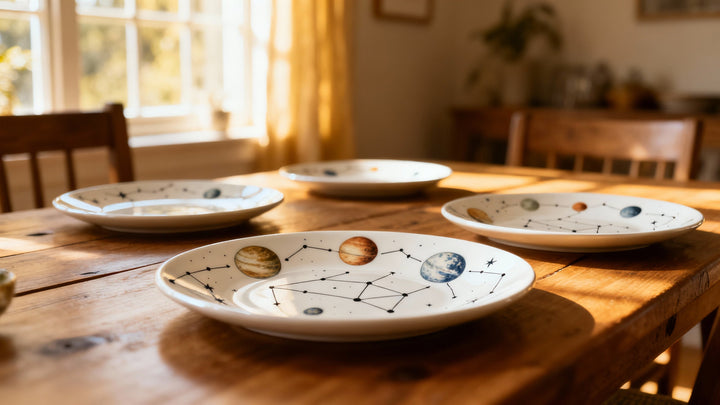


There is a special kind of joy that happens when you sit on a windy ridge, fan of color-coordinated bowls spread out on a rock, and dinner bubbling away. As a Colorful Tabletop Creative & Pragmatic Joy Curator, I care about that scene as much as I care about ounces on a gear list. It is a mash-up of aesthetics and performance: the mini dining table you build in the wild has to look good, feel good, and keep working after days of hard miles.
That is exactly where titanium alloy quietly, decisively pulls ahead of ceramic for most hikers.
Ceramic bowls and mugs are graceful at home and in car-camping kitchens. Titanium alloy pots, cups, and sporks are workhorses born from aerospace labs, mountaineering routes, and years of backpacking experiments. When you look closely at weight, durability, fire performance, food safety, and long-term value, the reasons hikers choose titanium alloy over ceramic come into sharp focus.
How Titanium Alloy Earned a Place in Your Pack
Titanium gear is not just “shiny metal stuff.” It is the outdoor version of high-performance engineering.
Materials data from aerospace programs and engineering departments like Mississippi State University’s aerospace engineering group show how common titanium alloy such as Ti‑6Al‑4V (often called Grade 5) keeps very high strength while weighing roughly one‑third less than steel. It remains structurally useful up to around 1,000–1,150°F, where common aluminum alloys have already fallen off the thermal cliff.
Outdoor brands and technical blogs build on that foundation. Ultralight backpacking guides, titanium stove specialists, and titanium cookware makers all highlight the same pattern: titanium alloys give you a rare mix of low weight, high strength, and serious heat tolerance. Articles from CosyCamp, SilverAnt Outdoors, Vargo Outdoors, and others echo the same key points:
Titanium alloys used in cookware and gear are:
- Extremely strong for their weight, with strength comparable to some steels while being much lighter.
- Highly corrosion resistant because they form a stable, self-protecting oxide layer.
- Able to handle very high temperatures; titanium’s melting point is around 3,034°F.
- Biocompatible, non-toxic, and non-reactive with food and drinks.
Those are not marketing adjectives; they are the physics that make titanium alloy such a compelling trail material.

What Ceramic Brings (and Why It Stays Home More Often)
Ceramic gear in the outdoor world usually means mugs, bowls, or plates made from stoneware or porcelain. At home or in a car-camping setup, ceramics feel amazing: smooth glaze, rich color, great heat retention, and a reassuring sense of solidity. Many specialty teaware traditions deliberately favor ceramic for the way it holds heat and complements flavor.
On trail, ceramic’s natural strengths come packaged with drawbacks:
Ceramic pieces tend to weigh more for the same volume than titanium, resist impacts poorly, and can crack with strong thermal shock or hard knocks. They also occupy the same space whether you are hiking one mile or twenty; because they cannot be thinned down to featherlight walls the way titanium can, they rarely hit ultralight weight targets.
In short, ceramic is gorgeous and comforting, but not optimized for being bounced around in a backpack day after day.
Titanium Alloy vs Ceramic at a Glance
Here is a practical, hiker-focused comparison of how titanium alloy and ceramic behave once you step off the pavement.
Factor |
Titanium Alloy Gear |
Ceramic Gear on Trail |
Weight |
Very light at a given strength; a one-quart titanium pot often weighs only a few ounces, and one comparison by an outdoor gear company showed titanium pots around a third lighter than aluminum equivalents of similar size. Ceramic mugs and bowls generally weigh significantly more than both titanium and aluminum. |
Noticeably heavier for the same serving volume; even a simple mug can add a chunky block of weight to a lightweight kit. |
Durability |
Resists dents and deformation; users on Backpacking Light forums often report never denting titanium pots that have survived years of use. Titanium tent stakes, trekking pole sections, and rescue hardware from mountaineering analyses routinely last many seasons. |
Strong in compression but brittle; prone to cracking or shattering if dropped on rock, banged in a bear box, or slammed in a packed backpack. Chips at rims are common and hard to fix. |
Heat and fire |
Handles intense stove flames and can be used over campfires when made for that use. Vargo Outdoors points out that titanium is over 40% lighter than steel, more than twice as hard as aluminum, and maintains integrity at very high temperatures. |
Generally safe for hot liquids and food, but most household ceramics are not designed for direct contact with concentrated stove flames or being set in coals. Sudden temperature changes can cause cracks. |
Food safety and taste |
Non-toxic, non-reactive, and biocompatible. Gear makers and health-focused brands note that titanium does not leach chemicals into food or drinks and does not hold onto odors when cleaned properly. |
Quality ceramic with food-safe glazes is also non-reactive and pleasant to drink from; however, chips or deep cracks can expose underlying material or trap residue, and trail cleaning is often less thorough than at home. |
Corrosion and weather |
Forms a stable oxide barrier that protects against saltwater and many chemicals, according to corrosion studies by titanium suppliers. The oxide film can discolor to a rainbow or dark tone but remains protective. |
Ceramics do not rust, but glazes can craze (develop tiny cracks), and repeated freezing, impacts, or grinding against rocks can shorten their life. |
Packability |
Thin walls, nesting designs, and folding handles keep titanium systems compact. Ultralight backpacking guides highlight how multiple titanium pieces nest into one tight, rattling-free cooking kit. |
Rigid walls and thicker profiles limit nesting options, and a high risk of breakage under compression means you often need extra padding around ceramic pieces. |
Longevity and value |
Higher upfront price but long service life. Titanium cookware, tent pegs, and utensils often function for many years, which brands and users argue leads to lower long-term cost per trip. |
Typically cheaper per piece but more vulnerable to accidental breakage and chips, especially in rough backcountry travel. The risk of a broken mug halfway through a trip is higher. |
With that snapshot in mind, let us dig into the specific reasons hikers deliberately choose titanium alloy over ceramic.
Reason 1: Pack Weight and Strength-to-Weight Ratio
The first and loudest argument in titanium’s favor is simple: ounces.
Engineering data gathered for aerospace and outdoor applications show titanium alloys offer a very high strength-to-weight ratio. One outdoor gear comparison found that a one-liter titanium pot weighed around 3.5–4.6 oz, while a similarly sized aluminum pot came in closer to 4.9–6.3 oz. That may not sound dramatic on a kitchen scale, but watch what happens when you multiply that saving across your entire kit.
Now drop ceramic into that picture. A typical ceramic mug or bowl occupies similar volume but is thicker, with denser walls and a heavy base. Put a ceramic mug and a titanium mug of similar size in each hand, and the difference is unmistakable. For casual camping this might be fine. For a hiker counting every ounce over 15–20 miles of elevation gain, the heavier option simply does not make it into the pack.
The strength-to-weight advantage of titanium alloy lets manufacturers thin the walls of pots, cups, and utensils without making them fragile. That is how you get featherlight titanium sporks and double-duty mugs that still shrug off trail abuse.
Ceramic, by contrast, has to stay thick enough not to crack from handling. That thickness locks in extra weight, which is exactly what hikers fight to avoid.

Reason 2: Durability and Trail Abuse
Trails are not gentle on gear. Pots bang into rocks, mugs fall off boulders, utensils get jammed and twisted in overloaded bear canisters. A good material for hikers needs to be tough, not just strong on paper.
Backpacking Light forum discussions about titanium vs aluminum cookware capture this real-world durability in vivid detail. Long-time users report never denting titanium pots or cups despite hard use, while aluminum counterparts pick up dents, bends, and warps after seasons of trips. Titanium tent stakes and trekking poles discussed in mountaineering materials research show similar resilience, with titanium trekking poles described as lasting 5–8 years versus 2–3 years for aluminum.
Titanium’s resilience comes from a combination of high tensile strength and toughness. Even when applied in very thin sections, titanium alloy components resist both impact and fatigue. Titanium everyday-carry gear makers echo the same theme: strong, light, corrosion resistant, and built to withstand years of pocket, trail, and workshop abrasion with only cosmetic scuffing.
Ceramic’s story is different. It is delightfully hard and scratch resistant under utensils; that glazed surface is a joy at the table. But once you drop a ceramic mug onto rock from standing height, you are playing roulette. Sometimes it chips; sometimes it spectacularly shatters into jagged pieces. Even small rim chips can become annoying and potentially unsafe when you are drinking in low light and cold hands.
On a multi-day hike or thru-hike, that distinction matters. A dented titanium mug is a souvenir. A shattered ceramic bowl is an emergency, because suddenly your carefully portioned dinner has nowhere to go.

Reason 3: Heat, Fire, and Real-World Cooking
Cooking on trail is rarely as gentle as simmering on a home stove. You are dealing with tiny, intense burners, unpredictable wind, and sometimes sizzling pots right in the coals.
Titanium alloy is comfortable in that environment. A titanium stove guide by Vargo Outdoors notes that titanium is over 40% lighter than steel, more than twice as hard as aluminum, and has a very high melting point around 3,034°F. That is far above the temperature of typical alcohol stoves, canister stoves, or even concentrated wood flames that hikers use. Most titanium cookware from reputable outdoor brands is rated for stove use, and many can be used over controlled campfires when the manufacturer allows it.
Technical articles from titanium suppliers and academic sources emphasize that titanium retains useful mechanical properties up to around 1,000–1,150°F. That means your pot does not suddenly soften or deform if you accidentally crank your stove too high or park it a bit too close to the coals.
There are trade-offs, though. Titanium has comparatively low thermal conductivity, and ultralight titanium pots have very thin bases. As Alton Goods notes, this combination can create hot spots, especially over small, intense backpacking flames. You are not getting the gentle, even heat of a thick, heavy pan here. To cook successfully you need a little technique: lower flame, more stirring, more water-heavy recipes, and less expectation of perfectly pan-seared delicacies.
Ceramic cookware at home can be wonderfully even and tolerant of oven heat, but the things hikers are likely to bring—mugs and bowls—are usually not engineered to sit directly in a small, roaring stove flame. Rapid localized heating can cause cracks, and even if the ceramic survives, any damage may only show up as fine crazing that grows worse over time.
In the field, the titanium alloy pot is the friend you can confidently plunk onto a hot stove while distracted by the sunset. Ceramic is the friend you treat gently, who really prefers to stay in the comfort of your kitchen.

Reason 4: Food Safety, Taste, and Clean Eating in the Wild
When you live on freeze-dried meals and trail soups for days, the material you cook and drink from stops being abstract. You want it to be safe, neutral, and easy to keep clean with limited water.
Multiple cookware makers and health-focused titanium brands all stress the same qualities: titanium is non-toxic, non-reactive with food, and highly corrosion-resistant. Titanium articles aimed at both outdoor and everyday use point out that titanium does not need nonstick coatings, does not leach metals into food, and does not hold onto odors or aftertastes the way some plastics or coated metals can. Titanium’s biocompatibility is exactly why it shows up in medical implants and surgical tools according to industry overviews of titanium alloys.
Corrosion experts note that when titanium meets hot, reactive environments like salt water or certain chemicals, it quickly forms a thin layer of titanium oxide on its surface. That oxide barrier acts like armor, protecting the metal underneath and making it extremely resistant to rust. In oxygen-rich environments, the layer renews itself, so the surface stays protective. The oxide may look like a white haze, rainbow, or charcoal discoloration over fires, but properly cleaned it is harmless and does not affect food safety.
Ceramic is also generally considered safe for food and drink when made with quality, food-safe glazes. It offers excellent taste neutrality and a familiar feel against lips and spoon. At home, thorough washing and careful storage keep it pristine.
On trail, though, cleaning conditions are rougher. Soot, grit, and partially removed food residue can build up in chips, crazing lines, or micro-cracks in ceramic glaze. With titanium, by contrast, you usually have a single solid piece of uncoated metal. Cleaning guidance from brands like SilverAnt and Keith recommends simple routines: warm water, mild soap, a soft sponge, and perhaps a baking soda paste for stubborn marks. This simplicity makes it easier to keep your cooking gear truly clean in the constraints of backcountry hygiene.
So while both titanium and high-quality ceramic can deliver great taste and safety, titanium’s single-material, coating-free construction and forgiving cleaning routines are a better match for limited water and hurried cleanups.

Reason 5: Handling Comfort and Tabletop Joy
Here is where the Colorful Tabletop Curator in me gets excited. Eating outside should feel good in your hands, not just on your shoulders.
Backpacking Light’s comparisons between titanium and aluminum cookware point out a surprisingly human detail: titanium rims and handles often stay cooler than aluminum under typical stove use. Because titanium does not conduct heat as aggressively, the area you hold or sip from tends to be less scorching than a similar aluminum mug. That can mean the difference between comfortably sipping morning coffee and doing an accidental fingertip dance on a frozen campsite.
Ceramic is also pleasant to touch, with its smooth glaze and non-metallic mouthfeel. For sipping slowly at a trailhead coffee, ceramic can feel luxurious.
But titanium adds a playful twist that ceramic cannot match: color-shifting patina from heat. Multiple titanium care guides highlight the “rainbowing” that happens when you take titanium through hot cycles over stoves and fires. You see blues, purples, golds, and smoky grays forming naturally on the surface. Far from being damage, this oxidation is cosmetic and harmless according to both outdoor brands and titanium maintenance resources. Many hikers lean into it, treating the evolving colors as a visual diary of their trips.
Combine that with bright silicone bands, cozy sleeves, or color-coded stuff sacks, and suddenly your ultralight kit feels like a thoughtfully curated mini dining table rather than a pile of gray metal. Titanium lets you have both performance and personality in a way that is surprisingly delightful out in the wild.

Reason 6: Maintenance, Cleaning, and Lifespan
Trail life is dusty, salty, and occasionally sooty. Your gear has to survive more than one weekend.
Titanium’s care routine is refreshingly simple. Outdoor guides from SilverAnt Outdoors and other titanium specialists recommend:
Wash with warm water and mild soap using a non-abrasive cloth or sponge, then rinse thoroughly and dry completely. For tougher stains or burnt-on food, gently simmer soapy water in the pot or use a baking soda paste before scrubbing lightly. Avoid harsh, highly caustic cleaners or aggressive scouring pads that can mar the finish. Store titanium gear dry in a cool, low-humidity place, often in soft pouches or mesh bags to prevent scratches from other metal items.
Maintenance guidance for titanium utensils and everyday carry tools reinforces the same pattern: gentle cleaning, thorough drying, protective storage, and occasional inspection are enough to keep them in play for years. Even rainbow discoloration and dark soot build-up are framed as cosmetic; brands note that they do not impact performance and are part of the patina story unless you prefer to polish them away.
Ceramic, again, is easy to wipe clean at home and does not rust. But its Achilles’ heel is not grime; it is irreversible damage. A cracked handle or chipped rim on a ceramic mug is essentially the end of that piece for serious trail duty. Ceramics simply do not bend before they break.
Titanium alloys, on the other hand, degrade gracefully. A scratched sidewall or light dent does not prevent a pot from boiling water. Titanium tent stakes can come back muddy and scarred from years of soil, yet because titanium resists corrosion so well, they remain structurally sound. Some mountaineering analyses even highlight titanium crampons and ice axe heads that maintain toughness down to around −58°F and have anodized hardness roughly double that of stainless steel.
From a lifespan perspective, titanium alloy gear is built for decades, not seasons. When you amortize the purchase over years of trips, the investment begins to look far more attractive than frequently replacing broken or chipped ceramic.
Reason 7: Safety Margin in Harsh, Unpredictable Environments
Hikers often carry gear into places where failure is more than an inconvenience. A broken pot on a weekend overnighter is annoying; on a weeklong trip through remote terrain, it is a serious problem.
Mountaineering and outdoor material studies describe titanium hardware like rescue hooks and snow shovels designed to handle loads of around 20 kN, exceeding typical mountaineering safety standards. That speaks to titanium’s structural reliability under hard use. Even though cookware and cups do not see those extremes, they benefit from being cut from the same family of alloys.
Corrosion-focused resources explain how titanium’s oxide layer protects it in salt spray, humid jungles, and chemically active environments. As long as there is some oxygen around, that protective layer renews itself and keeps the metal underneath from rusting. That is why titanium water bottles and cookware are often marketed as needing no extra coatings for corrosion protection.
Ceramic itself does not rust, but consider the full system: glazes, joints, handles, and what happens under repeated stress, freezing, and impact. A ceramic mug that is fine on day one might develop an invisible crack that only reveals itself when scalding tea leaks through halfway through a trip.
Titanium alloy deliberately trades some perfect heat distribution for a wide safety margin against fire, impact, and weather. For hikers pushing into harsher conditions or remote routes, that margin is worth far more than the extra millimeter of glaze thickness on a favorite mug.
When Ceramic Still Makes Sense
Ceramic is not “wrong” for the outdoors; it is simply miscast in the role of daily pack mule.
For car camping, short walks to a lakeside picnic, or a permanent base camp near a trailhead, ceramic tableware can be a joy. Its weight is absorbed by the vehicle, not your shoulders. You get all the tactile pleasures: latte art in a hand-thrown mug, curry in a deep, beautifully glazed bowl, the clink of real plates at a campsite table. For photographers and camp chefs who want to create styled outdoor dining scenes, ceramics remain a gorgeous choice.
Some hikers even bring a single small ceramic piece—a tiny espresso cup, a compact dipping dish—to serve as a personal luxury item on special trips. As long as you pack it carefully and accept the fragility, this can be a playful way to bring a hint of home tabletop romance into the wilderness.
But for the core of a backcountry cooking and dining kit, especially when miles and elevation stack up, titanium alloy is more aligned with how hikers actually travel. It is the foundation; ceramic can be the occasional accent if you are willing to baby it.
Practical Tips for Choosing Titanium Alloy Over Ceramic
If you are ready to shift your trail tabletop away from ceramic and into titanium, a few practical guidelines from titanium stove makers, cookware brands, and materials experts will help you choose wisely.
First, prioritize real titanium from reputable outdoor brands. Names that consistently appear in titanium cookware and stove discussions—such as Snow Peak, Fire Maple, SilverAnt, Vargo, and others—have experience designing specifically for titanium’s properties rather than simply copying aluminum or steel shapes in a new metal. Articles on quality titanium stoves emphasize looking for clean, even welds and prices that reflect titanium’s higher material and fabrication cost; suspiciously cheap “titanium” gear can be a red flag.
Second, match thickness and shape to your cooking style. Thin-walled, ultralight pots are ideal when you mostly boil water for dehydrated meals. If you like one-pot recipes that simmer and require stirring, consider slightly thicker titanium cookware that tempers hot spots while staying lighter than most alternatives.
Third, lean into nesting designs. One of titanium’s secret superpowers is how stacks of pots, mugs, bowls, and lids can slot into each other like a metal bento box. This saves pack space and turns your cooking kit into a tidy, color-ready stage for mealtime.
Finally, treat titanium as your base layer and ceramic as an optional accent. Build a dependable titanium stove-and-cookware core that handles boiling, frying, and serving. If you still crave the feel of ceramic, reserve it for car-based trips or one carefully protected piece that adds a spark of home to special journeys.
FAQ
Is titanium alloy cookware safe to use every day, not just on trail?
Yes. Titanium’s non-reactive nature and biocompatibility are precisely why it is used in medical implants, high-end drinkware, and everyday reusable bottles. Health-conscious brands that sell titanium cookware and drinkware for both city and outdoor use emphasize that titanium does not leach chemicals into food or beverages, does not need extra interior coatings, and resists corrosion in everything from coffee to soup. If you love the idea of using one cup at home, in the office, and on trail, titanium alloy is a strong candidate.
Why does my titanium mug turn rainbow or dark after using it on a stove or campfire?
Those colors are a thin oxide layer forming on the surface of the titanium when it is exposed to high heat and oxygen. Titanium processors and outdoor gear brands explain that this titanium oxide film is protective and normal; it does not mean your mug is damaged. Depending on temperature and exposure, the oxide can range from light straw tones to rich blues and purples to smoky grays. Some people remove it with baking soda or gentle polishing, but many hikers embrace it as a kind of trail art that records their campfire dinners.
Can I mix one ceramic piece into a mostly titanium kit?
You absolutely can, as long as you are honest about the trade-offs. Many hikers who are still emotionally attached to a favorite ceramic espresso cup or tiny bowl will pack it as a special ritual item, padded carefully inside clothing or wrapped in a soft pouch. The rest of their cooking and eating system—pot, primary mug, bowl, spork—stays titanium to keep the overall weight low and durability high. Think of ceramic as a garnish in your kit, not the main course.
In the end, choosing titanium alloy over ceramic for hiking is less about rejecting beauty and more about redefining it. Your backcountry tabletop can still be colorful, curated, and full of personality; it is just built on a foundation of metal that was born in jet engines and perfected by countless trail meals. Swap the fragile glaze for living titanium patina, let your plates and mugs get a little wild, and enjoy the delicious freedom of carrying a dining room that is as ready for adventure as you are.
References
- https://www.ae.msstate.edu/vlsm/materials/alloys/titanium.htm
- https://www.aemmetal.com/news/understanding-the-different-grades-of-titanium.html
- https://smart.dhgate.com/ultimate-guide-to-caring-for-your-titanium-steel-bracelet-cleaning-maintenance-and-longevity-tips/
- https://www.hlc-metalparts.com/news/titanium-alloys-85037345.html
- https://sotooutdoors.com/titanium-care-myths-that-could-ruin-your-trail-meals/
- https://www.titaniumprocessingcenter.com/does-titanium-rust/
- https://www.toptitech.com/info/titanium-metal-the-high-performance-choice-fo-102762030.html
- https://triplycircletitanium.com/how-is-titanium-revolutionizing-outdoor-gear/
- https://yunchmetal.com/application-of-titanium-and-titanium-alloys-in-mountaineering-outdoor-gear/
- https://altongoods.com/blogs/journal/titanium-cookware-care-cleaning-storage-faqs?srsltid=AfmBOoovhu8vOQwqePomCdHJx-4mt8yVB5iAN2jBbrJ1VqjWbijSJQ1y