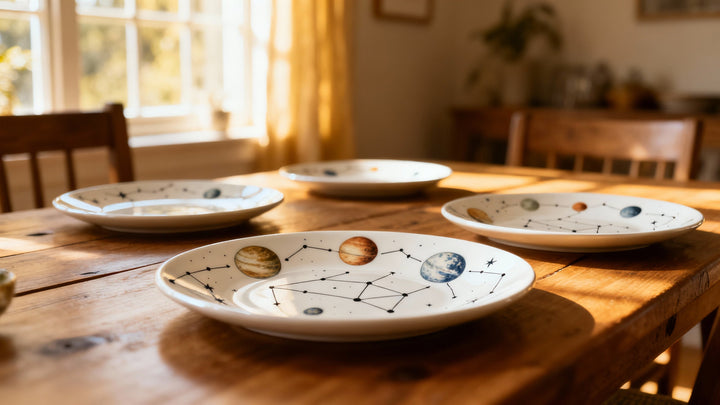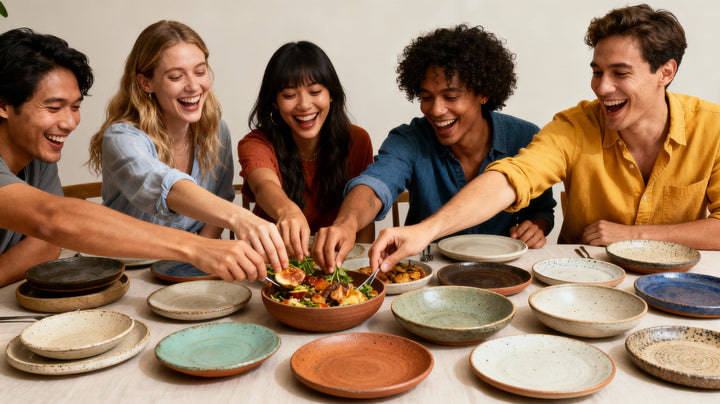


Plant-forward cooking changes more than your grocery list. It reshapes how you plate, which shapes and sizes you reach for, what materials you trust, and how your table supports everyday nutrition. As a Colorful Tabletop Creative & Pragmatic Joy Curator, I’ve styled cheerful vegan grain bowls for neighborhood potlucks and dialed-in stoneware sets for weeknight tofu stir-fries. The throughline is simple: beautiful dinnerware should be safe, vegan-aligned, and built for the realities of legumes, whole grains, vegetables, nuts, and seeds. This guide combines first-hand tabletop know-how with reputable nutrition and materials guidance to help you choose pieces that honor both ethics and everyday use.
What Plant-Forward Eating Means for Your Table
Vegetarian eating omits meat, poultry, and fish, while vegan eating omits all animal-derived foods. There are many variations—lacto-ovo, lacto, ovo, pescatarian, and flexitarian—so homes may mix patterns or transition over time. A broad overview from Healthline notes that about 6% of people in North America, 5% in Europe, and 19% in Asia identify as vegetarian, and motivations range from ethics and environment to health and culture. Mayo Clinic, Johns Hopkins Medicine, and the NHS emphasize that well-planned vegetarian and vegan diets can support health across life stages when nutrient needs are met thoughtfully.
This is where dinnerware intersects with nutrition. Canada’s Food Guide points out that vegetarians often have higher iron and zinc needs because these minerals are less bioavailable from plant foods. Johns Hopkins Medicine and Mayo Clinic highlight that B-12 is found almost exclusively in animal products, making fortified foods or supplements important for vegans. Calcium and vitamin D deserve attention too; foods like fortified soy beverages, tofu set with calcium, leafy greens, and fortified cereals help fill gaps, while sunlight and fortified foods contribute to vitamin D. The American Journal of Clinical Nutrition’s vegetarian food guide framework centers whole grains, legumes and soy, vegetables, fruits, nuts and seeds, with optional dairy and eggs for those patterns that include them. All of this influences how you plate and which pieces make those foods easy to serve, portion, and enjoy.
Nutrient-Aware Plating, Done Practically
When you build meals around legumes, whole grains, and vegetables, bowls and plates become gentle portion cues. Wide, medium-depth bowls encourage a balanced base of grains topped with beans, tofu, or tempeh and plenty of colorful produce. Ramekins and small bowls make nuts, seeds, and dips easy to measure and savor. For households with children, a simple trio—protein-rich legumes or soy, an iron source, and a vitamin C-rich fruit or vegetable—helps reinforce balance at a glance, echoing practical guidance used in child-friendly vegetarian meal planning from the Healthy Eating Advisory Service. Meanwhile, if your pattern includes fortified soy beverages, having sturdy tumblers that measure portions accurately makes everyday nutrition effortless.
Materials Matter: Vegan, Safe, and Stylish
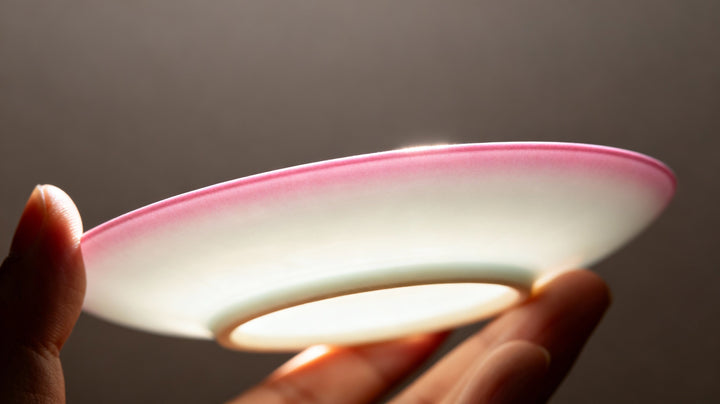
Dinnerware materials are not all equal when ethics, safety, and sustainability are on the table. Traditional bone china contains bone ash. Industry explanations, including Shokki Decor, describe bone china as typically incorporating roughly 30–50% bone ash to achieve translucency and strength. If you avoid animal-derived inputs, bone-ash-free “vegan porcelain” or “new bone china” alternatives are preferable. These aim to deliver elegance and durability without animal by-products and are often marketed as lead-free.
Safety is a separate but critical lens. Mamavation’s non-toxic dinnerware guidance highlights that heavy metals in certain ceramic glazes or decals can be a concern, particularly when surfaces are chipped, crazed, or exposed to heat and acidity. Healthier Homes adds that manufacturing laws vary by country and that country of origin alone does not guarantee safety. Both emphasize material transparency, third-party testing, and clear labeling. For daily life, that translates into choosing simple, well-tested finishes, reading labels with intent, and retiring damaged pieces.
Material Quick-Compare
Material |
Animal-Derived? |
Heat/Microwave Use |
Safety Focus |
Best Uses |
Bone china |
Yes (bone ash) |
Often fine if undecorated; follow maker guidance |
Not vegan-aligned; glaze safety varies by brand |
Traditional sets when animal-derived materials are not a concern |
Vegan porcelain (bone-ash-free) |
No |
Typically microwave/dishwasher safe unless metallic rims |
Look for explicit lead-free claims and testing |
Everyday plates, bowls, and serveware with an elegant feel |
Stoneware |
No |
Commonly microwave/dishwasher safe; check label |
Verify lead/cadmium safety; choose reputable makers |
Durable daily dishes and oven-to-table pieces |
Tempered or clear glass |
No |
Microwave safe without metallic elements; borosilicate handles oven tasks |
Inert surface; avoid rapid thermal shocks |
Minimalist sets, oven-safe baking/serve bowls, pantry storage |
Stainless steel (304/316) |
No |
Not microwave safe; excellent for hot/cold service |
Some people are nickel-sensitive |
Kids’ sets, outdoor dining, picnics, unbreakable daily use |
Silicone (platinum-cured) |
No |
Many items are microwave/oven safe; follow maker limits |
Choose high-quality formulations; avoid sharp tools |
Kids’ bowls, snack cups, prep molds, baking liners |
Plant-fiber plus melamine resin |
No |
Avoid microwaving and high heat |
LeafScore flags compositing issues and lack of compostability |
Lightweight, casual settings for cool or room-temperature foods |
Coconut-shell bowls |
No |
Not for high heat or dishwashers |
Check finishes; intended for gentle use |
Smoothies, room-temp buddha bowls, snacks, decorative service |

Non-Toxic Glaze Basics and Labeling That Matters
Choosing safer dinnerware is about reading claims with precision. Mamavation differentiates “lead-free,” which means no intentionally added lead, from “lead-safe,” which permits trace amounts under regulatory leach limits. Healthier Homes advocates for brands that publish material disclosures and third-party results and reminds buyers that origin alone does not certify safety. California’s Prop 65 compliance statements, LFGB or similar testing references, and documented leach testing are examples of meaningful signposts. Simple, undecorated interiors reduce risk from decals, rim metals, and overly saturated glazes, particularly where utensils contact food.
Label Terms, Decoded
Term |
What It Means |
Why It Matters |
Lead-free |
No intentionally added lead in glazes or substrates |
Minimizes heavy metal exposure risk |
Lead-safe |
Meets regulatory leach limits; may allow trace amounts |
Clarifies that “safe” is not “zero” |
Bone-ash-free or vegan porcelain |
Ceramic crafted without animal bone ash |
Aligns with vegan ethics while offering porcelain-like performance |
Prop 65 compliant |
Meets California’s chemical exposure limits |
Indicates screening against a broad hazard list |
Third-party tested |
Independent lab verified leach/safety performance |
Builds trust beyond marketing claims |
Form Follows Function: Shapes, Sizes, and Sets for Plant-Based Meals
Plant-forward meals often live beautifully in bowls. A medium-depth coupe bowl is generous enough for grain bases with vegetable toppings, while rimmed soup bowls keep legume stews tidy and pleasant to eat. A 10.5-inch dinner plate—a size cited in eco-focused coverage of modern stoneware—offers enough canvas for variety without pushing portions too large. Smaller salad plates encourage vegetable-forward sides, and tight-fitting lids on oven-safe pieces support batch cooking for beans and whole grains.
For families, stainless steel or platinum-cured silicone adds drop-proof practicality. Stainless dishes are great for outdoor meals and school lunches. Silicone pieces add softness for young eaters. Where kids are learning plant-based patterns, plates with subtle compartments or a cluster of small dishes make it easy to present an iron source with a vitamin C-rich side, alongside a protein-rich bean or soy food. This shape-language nudges the right foods into the spotlight without turning dinner into a lecture.

Sustainability Without the Hype
True sustainability favors durability and transparency over buzzwords. LeafScore warns that many wheat straw or bamboo sets are fibers bound with melamine, a petroleum-derived plastic that is not microwave-safe and is not compostable when blended into composites. The more reliable path is to pick vitrified ceramic, porcelain, tempered or recycled glass, or stainless steel, then care for them well. For parties and events, certified compostable single-use pieces may make sense; when composting matters, look for credible standards referenced in product descriptions and verify local facilities.
Treehugger’s account of choosing Fiesta dinnerware illustrates the pragmatic path: research the maker’s safety and sustainability practices, consider seconds to keep cost and waste down, and buy only the pieces you truly use. In that example, full-price dinner plates were typically in the 20.00 range, while seconds at a factory outlet were around $4.00 per plate, with the entire mixed-color set planned under $300.00. That approach trims waste, avoids underused items like saucers, and prioritizes long-lived, lead-free, US-made dishes with process-level sustainability practices.
Healthier Homes underscores that safety vetting varies across regions, so choose brands that publish glaze chemistry, testing results, and manufacturing locations. VegOut’s roundups of vegan kitchenware echo the same north star: durable, non-toxic materials and reusable designs are more important than the trendiness of a particular finish.

Care, Longevity, and Everyday Safety
Good care multiplies sustainability. Sudden temperature swings crack even excellent glazes, so avoid thermal shock by letting hot dishes cool before rinsing and never moving a freezer-cold dish straight into a hot oven. Unless a maker explicitly rates a piece as oven-safe, assume serving duty only. Metallic rims and gilding do not belong in the microwave. Pure melamine or plant-fiber composites should stay out of the microwave and away from very hot foods, a point emphasized by LeafScore’s safety notes. Retire chipped or crazed pieces because damage can increase leaching risk over time, a practical rule of thumb supported by Mamavation’s safety guidance.
Dishwasher use depends on glazes and construction. High-fired stoneware and porcelain typically handle everyday dishwasher cycles; matte glazes may scuff more visibly, so a cutlery basket liner or gentle detergent helps. Silicone can pick up odors; a baking-soda soak is useful. Stainless steel appreciates a quick dry to prevent water spots, and glass takes well to a lint-free towel for sparkling photo-ready plates.
Buying Checklist for Vegan and Vegetarian Households
Start by clarifying your ethics and daily use. If avoiding animal by-products is non-negotiable, skip bone china and look for bone-ash-free porcelain labeled explicitly as vegan or “new bone china.” Next, read safety labels closely and prefer pieces with published third-party testing, clear “lead-free” claims, and Prop 65 compliance where applicable. Keep interiors simple and undecorated to minimize contact with decals or metallics. For heat-intensive tasks, select borosilicate glass for ovens and avoid microwaving melamine or metallic-edged pieces. Purchase open stock so you can replace a single plate without buying a whole set, and consider seconds from reputable makers to reduce cost and waste. Finally, match shapes to meals: a couple of coupe bowls, rimmed soup bowls, dinner plates around the 10.5-inch mark, and a handful of small bowls cover most plant-based meals without cluttering cabinets.
Pros and Cons by Material
Material |
Pros |
Cons |
Vegan porcelain (bone-ash-free) |
Elegant, strong, non-porous; often lead-free; versatile for daily use and hosting |
Quality varies by brand; confirm testing and avoid metallic rims in microwaves |
Stoneware |
Durable, chip-resistant feel; oven-to-table versatility for many pieces |
Heavier than porcelain; verify glaze safety; some matte finishes show utensil marks |
Tempered or clear glass |
Inert surface; great in microwaves; borosilicate handles oven work; easy to see portion sizes |
Vulnerable to thermal shock if mishandled; can shatter if abused |
Stainless steel |
Nearly unbreakable; perfect for kids and outdoors; easy to clean |
Not microwave-safe; potential nickel sensitivity; can show scratches |
Silicone (platinum-cured) |
Soft, quiet, and kid-friendly; often oven/microwave safe within limits |
Can hold odors; not ideal for knife use; verify curing and temperature ratings |
Plant-fiber plus melamine composite |
Lightweight and colorful; picnic-friendly |
Not microwave-safe; not compostable when resin-bound; heat exposure concerns |
Coconut-shell bowls |
Repurpose a waste stream; tactile, natural look |
Not for hot foods or dishwashers; finishes vary; best for gentle, room-temp use |

How Nutrition Guidance Translates to Tableware
Mayo Clinic notes that removing animal foods increases the risk of certain shortfalls if meals are not planned carefully, and Canada’s Food Guide flags higher iron and zinc needs for vegetarians. Day to day, this means your tableware should make it effortless to serve the foods that cover those needs. Deep bowls provide space for lentil stews and chickpea curries; smaller bowls cue nuts and seeds in reasonable portions; tall glasses encourage consistent servings of fortified soy beverages. The American Journal of Clinical Nutrition’s food-based vegetarian framework points to whole grains, legumes and soy, vegetables, fruits, and nuts and seeds as the everyday anchors, with vitamin B-12 addressed through fortified foods or supplements for those avoiding dairy and eggs. That framework is easier to live by when your dishes match your menu.
Healthline and Johns Hopkins Medicine both remind readers to check labels for sodium and added sugars in packaged faux meats and fortified products. Plates and bowls with clean interiors make it easy to see what you are eating and gently reinforce a mostly whole-foods pattern. When households include pescatarians or lacto-ovo vegetarians, modular sets in open stock help you add specialty pieces as menus evolve without overbuying.
Takeaway
Pick dinnerware the way you plan a balanced plant-forward plate: start with trustworthy foundations, add texture and color that lasts, and keep the finish safe and transparent. Vegan porcelain or stoneware with clear lead-free testing, tempered or recycled glass for heat tasks, and stainless or silicone for kid duty will cover almost every meal you cook. Favor open stock over boxed sets, buy seconds when the defects are trivial, and retire anything chipped or crazed. Let nutrition guidance from sources like Canada’s Food Guide, Mayo Clinic, and Johns Hopkins Medicine shape your shapes—bowls for legumes and grains, small dishes for nuts and seeds, and sturdy tumblers for fortified beverages. When in doubt, pick simple, well-tested surfaces. Your table will look joyful, eat beautifully, and age gracefully with your plant-based life.
FAQ
Is porcelain vegan, and how is it different from bone china?
Bone china traditionally uses bone ash for its hallmark translucency and strength. Explanations from industry sources such as Shokki Decor note bone ash content is typically in the 30–50% range. If you avoid animal products, choose bone-ash-free porcelain marketed as vegan or as “new bone china,” which aims to deliver similar performance without animal-derived inputs.
Are brightly colored glazes safe for everyday use?
Color alone is not the issue; glaze chemistry and testing are. Mamavation recommends prioritizing lead-free claims, avoiding metallic rims on food-contact surfaces, and favoring brands that publish third-party leach testing. Healthier Homes adds that country of origin is not a guarantee; transparency and testing matter most.
Is bamboo or wheat-straw dinnerware actually eco-friendly?
LeafScore cautions that many of these products are plant fibers bound with melamine resin. That composite is not microwave-safe and is not compostable or recyclable in the way people often assume. If you want the lowest-impact long-term choice, durable ceramic, glass, or stainless steel is a better bet. For events, look for clearly certified compostables and confirm local facilities.
What dinnerware works best for kids in a plant-forward home?
Stainless steel is durable and nearly unbreakable, and platinum-cured silicone adds softness and grip for young eaters. Keep portions visible with small bowls and plates, and use simple sections or a trio of small dishes to make legumes or soy, an iron source, and a vitamin C-rich side easy to serve together, reflecting practical guidance used in vegetarian menus for children.
How do I verify “lead-free” or “lead-safe” claims when shopping online?
Look for explicit statements about lead-free glazes, third-party leach testing, and Prop 65 compliance where applicable. Healthier Homes suggests choosing brands that disclose materials, glazes, and manufacturing locations. Mamavation recommends avoiding decorated interiors and retiring damaged pieces, since chips and crazing can increase leaching risk over time.
Any smart ways to save money on safe, vegan-aligned dinnerware?
Treehugger’s Fiesta example shows a simple strategy: buy open stock so you only purchase what you use, consider “seconds” from reputable makers where defects are subtle, and research brand sustainability pledges and testing. In that case, plates typically priced around 20.00 were found as seconds for about $4.00, keeping the full set under $300.00 while reducing waste.
Brief source notes: This guide references nutrition and vegetarian frameworks from Mayo Clinic, Healthline, Johns Hopkins Medicine, NHS, the American Journal of Clinical Nutrition, and Canada’s Food Guide; non-toxic and eco-materials guidance from Mamavation, Healthier Homes, LeafScore, Treehugger, and industry discussions of bone-ash-free porcelain from Shokki Decor.
References
- https://www.hopkinsmedicine.org/health/wellness-and-prevention/how-to-maintain-a-balanced-diet-as-a-vegetarian-or-vegan
- https://ajcn.nutrition.org/article/S0002-9165(22)04115-6/fulltext
- https://www.anfponline.org/docs/default-source/legacy-docs/ia/documents/vegan.pptx?sfvrsn=4d9509f6_0
- https://www.mayoclinic.org/healthy-lifestyle/nutrition-and-healthy-eating/in-depth/vegetarian-diet/art-20046446
- https://www.healthierhomes.com/organic-dinnerware?srsltid=AfmBOoo406cuAlWWKH3FbIyZpeI7-by7Rqe4-LcM8qG9X6gKTosVJmWU
- https://www.treehugger.com/choosing-sustainable-dinnerware-4868536
- https://www.consciouslifeandstyle.com/ethical-eco-friendly-dinnerware-tableware/
- https://www.healthline.com/nutrition/vegetarian-diet-plan
- https://mamavation.com/product-investigations/safest-dishes-non-toxic-dinnerware-guide.html
- https://www.mikasa.com/collections/vegan-bone-china?srsltid=AfmBOopFgVhPllj103gCg2bL6td0ccUKyRzO1jXaXM37Kt_BeeFMDAaZ