

Whisky tasting is already a tiny theater of pleasure: the swirl, the nose, the slow sip. Now imagine pulling that amber curtain up with not just one vessel, but two very different stars on your tabletop stage: a classic crystal tasting glass and a charismatic ceramic cup.
As a Colorful Tabletop Creative & Pragmatic Joy Curator, I care as much about how your table feels as how your dram tastes. So let’s dive into what actually happens when you trade the usual crystal tulip for a ceramic cup, drawing on what whisky experts know about glass shape and material, then layering on real-world, at-the-table experience.
I’ll use “whisky” as shorthand here, but everything applies just as happily to bourbon, rye, and other whiskey styles.
Why the Vessel Matters More Than You Think
Before comparing ceramic and crystal, we need one big idea clear: for flavor and aroma, shape and design usually matter more than the logo on the bottom.
Writers and experts across Bourbon Banter, Taster’s Club, The Whiskey Reserve, Food & Wine, Bon Appétit, Serious Eats, and others all circle the same conclusion. A whisky glass is not just a tiny bowl; it is a fragrance funnel and a temperature manager.
Several shared themes run through their tastings and tests.
They emphasize that the rim diameter controls how aroma reaches your nose. Narrow rims, like those on Glencairn or Copita-style tulip glasses, concentrate aromas for focused nosing. Wider rims, like on rocks glasses, soften intensity but also blur nuance.
They agree that the bowl shape matters. A rounder bowl with a taper toward the top allows swirling, evaporation, and then a gentle funnel effect. This is why tulip glasses, from Glencairn to classic Copita, keep showing up in serious tastings and in guides from places like Bourbon Banter and The Whiskey Reserve.
They point out that stems and bases are not just decorative. A stem, as highlighted by The Whiskey Reserve and Mood4Whisky, keeps your hand heat and skin aromas away from the whisky. A thick, heavy base on rocks glasses, noted by Taster’s Club and Food & Wine, helps stabilize the glass and slow down temperature change and ice melt.
They repeatedly stress that there is no single “best” glass. Bon Appétit and Food & Wine both emphasize matching vessel to context: analytical nosing, casual couch sipping, outdoor drinking, cocktails over big cubes, and so on.
So the vessel is not optional scenery. It is an active ingredient in your whisky ritual. And that is exactly why the ceramic-versus-crystal conversation is worth having.
Crystal Whisky Glass 101
What “Crystal” Actually Means at the Table
When most whisky people say “crystal,” they mean clear, highly polished glass designed to sparkle and feel refined. Guides from Taster’s Club, Waterford, Food & Wine, and Bon Appétit all highlight crystal’s clarity and perceived luxury.
Importantly, Food & Wine points out that, in typical bar use, crystal versus regular glass does not itself change flavor; the shape does. Crystal simply lets you see the color and “legs” more clearly, which can help you read viscosity and age cues while elevating the visual drama.
Hand-blown crystal options are often praised, in sources like Taster’s Club and Bon Appétit, for better balance, thin rims, and elegant weight. Mass-produced crystal can still be beautiful, but might be thicker and a bit less “floaty” in the hand.
How Crystal Shapes Aroma and Flavor
Crystal is everywhere in the whisky world for a reason. It supports the key design forms that tasting experts love.
Bourbon Banter, World Whisky Day, Mood4Whisky, and Taster’s Club all lean heavily on tulip-shaped nosing glasses: Glencairn, Copita, and similar snifters. These glasses share a wide bowl, a tapering chimney, and a relatively narrow rim.
On the Sauce Again ran an experiment with several glass types—Glencairn, Copita, Norlan, Túath, and a small tumbler—using the same whisky in each. The Glencairn came out as the clear favorite all-rounder, with the Copita close behind, precisely because that tulip shape delivered the best balance of aroma intensity and palate clarity. The tumbler, with its wide opening, produced the weakest and least distinct nose.
Serious Eats walks through a detailed tasting method built around the Glencairn: pour about 1 to 2 fl oz, tilt so the whisky sits in the bulb, rotate a few times, then read the legs and color, and finally nose by moving from the “twelve o’clock” position down to “six o’clock” without sticking your nose too far in. The design of the glass makes that choreography work.
Across these sources, tulip crystal glasses reliably show a few performance traits.
They intensify aroma. Narrow chimneys capture and focus volatile compounds. That is marvelous for picking out apples, honey, peat smoke, or salted caramel, but it can also amplify ethanol burn if the whisky is high proof.
They reveal nuance and flaws. Bourbon Banter describes the Glencairn as a go-to because it shows complexity clearly. The flip side is that it also shows rough edges and off notes.
They allow controlled swirling. A rounded bowl lets you coax out legs and aromas without sloshing whisky onto the table.
They support measured dilution. Several sources, including The Whiskey Reserve, Serious Eats, and Quora-style tasting guides, encourage adding a few drops or a teaspoon of still water, especially to stronger drams, to unlock more flavor. Tulip glasses cooperate with that, giving you enough depth to swirl without losing aromatics.
Pros of Crystal for Whisky Tasting
From a color-loving tabletop perspective, crystal offers tangible strengths for whisky tasting.
You can see everything. Food & Wine and Waterford both celebrate how clear crystal lets you admire color shifts from pale straw to deep mahogany. You can gauge cask type visually and, with practice, get hints about aging and finishing.
You can read texture. By swirling and watching the legs slide down the glass, experienced tasters, as noted by Serious Eats and Taster’s Club, get clues about alcohol strength and viscosity.
You can direct aroma precisely. Tulip crystal supports serious nosing, as all the tasting guides emphasize. If you are evaluating a new bottle, doing side-by-side comparisons, or writing your own tasting notes, crystal is almost universally recommended.
You get thin-lip contact. Many hand-blown crystal glasses have thin rims, which makes sipping feel precise and delicate. That can help you place the whisky on your tongue more intentionally.
Limits and Trade-Offs of Crystal
Crystal is not perfect, and the whisky writers are candid about that.
Bon Appétit and New Wine Review both note that Glencairn-style glasses can be tippy and a bit awkward if you have a larger nose; the opening is small, and you often have to tip the glass more dramatically to sip. That is fabulously geeky but less relaxed on a cozy couch.
Several reviewers mention fragility. Hand-blown pieces like the Glasvin or Peugeot tasting glass are exquisite but delicate. Even more robust options like Norlan and some Waterford pieces are not invincible and usually deserve gentle handling and careful washing, as Waterford’s own care advice stresses.
Finally, highly focused crystal nosing can sometimes be too much. On the Sauce Again found that Norlan’s intense aromatic presentation actually made one whisky feel prickly and less pleasant, and even the Glencairn could deliver a fairly sharp ethanol blast if you bury your nose too deep.
So crystal is brilliant when you want full information and visual theater, but it can feel “serious” and slightly demanding. That is where ceramic can sneak in with a very different mood.

Ceramic Cups Enter the Whisky Conversation
Crystal tasting glasses dominate the articles and guides, yet alternative materials are quietly expanding the whisky toolkit.
We see handmade ceramic whisky cups appearing on high-craft marketplaces, often at premium price points that signal “table art” as much as drinkware. At the same time, Bourbon Guy’s review of a wooden “Whiskey Grail” shows that enthusiasts are open to vessels beyond glass. In that test, the wooden cup added a noticeable oaky impression compared with classic glass, changing the sensory profile and the whole feel of the dram.
Ceramic sits somewhere between those worlds: more neutral than wood, more insulating than thin crystal, visibly tactile rather than transparent.
In my own tasting experiments, pouring the same whisky into a tulip crystal glass and a small ceramic cup, I notice that the whisky becomes less about visual analysis and more about touch, temperature, and mood in the ceramic. The cup feels familiar, like a coffee or tea ritual, and that alone changes how slowly I sip and how I pay attention.
How Ceramic Changes the Ritual
Ceramic is typically thicker and more insulating than fine crystal. That means the wall of the cup buffers your whisky from quick temperature shifts, somewhat like stainless steel or double-walled glass designs such as Norlan, which Taster’s Club and Bon Appétit note as good for temperature control.
With a ceramic cup, you lose the visual cues that Food & Wine, Serious Eats, and Waterford emphasize. You cannot see color gradients or legs, so you are not reading age or viscosity at a glance. In a way, that can be liberating. You stop over-analyzing the liquid and lean harder into aroma and taste.
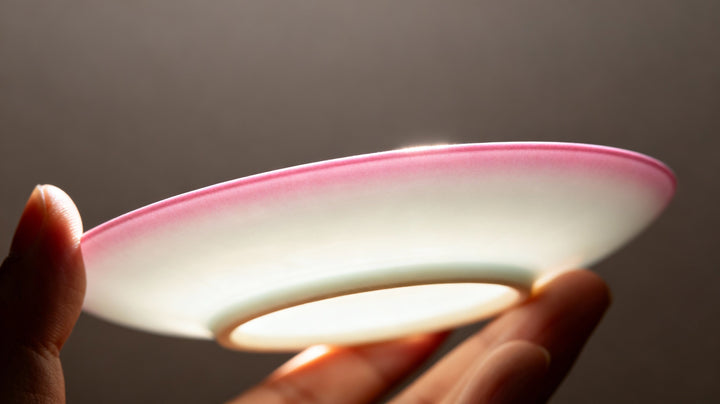
A ceramic rim is usually thicker than a crystal rim, changing how the whisky lands on your tongue. It feels softer, less needle-like. For some people, that makes sips feel cozier and less intense, much like the difference between drinking water from a thin champagne flute versus a favorite stoneware mug.
Because ceramic cups rarely have a pronounced tulip chimney, the aromatic experience is different. You still get nose, especially if the opening is not too wide, but it is gentler and more diffuse. That can be a comfort if you find high-proof whisky aggressive in a Glencairn, where Bourbon Banter and Serious Eats both warn about ethanol blast if you get too close.
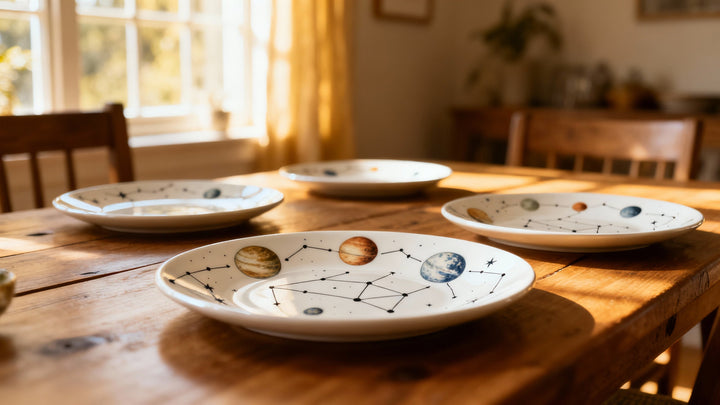
Ceramic also leans hard into aesthetics. Glazed surfaces, color blocking, and textures can harmonize with plates, linen, and other tableware in a way that clear crystal simply does not. For a colorful, design-forward dinner, that synergy can elevate the entire scene.
What We Can Learn from Wooden and Non-Glass Vessels
The only explicitly non-glass whisky vessel in the research notes is Bourbon Guy’s wooden Whiskey Grail. The reviewer expected a gimmick and ended up enjoying it, especially the comfortable hand feel and the slight oaky accent that came from putting mouth to wood. The key observation was that the new note likely comes more from contact with the wooden surface than from deep infusion into the liquid.
From a ceramic standpoint, the takeaway is that material can change your sensory experience beyond simple temperature. Wood can add flavor. Stainless steel and double-walled glass, as mentioned by Taster’s Club and Bon Appétit, prioritize temperature stability and durability while trading a bit of aromatic nuance for practicality.
A well-glazed ceramic cup sits closer to glass on that spectrum. Glaze is designed to be stable and neutral, much like food-safe glass. Unlike wood, it is not meant to donate flavor. So you usually get a flavor profile closer to neutral glassware, but mediated by different heat retention and tactile cues.
In other words, ceramic tends to remix not what whisky tastes like in a laboratory sense, but how you, the drinker, perceive and enjoy it in the moment.

Ceramic vs Crystal: A Practical Comparison
Here is how ceramic cups and crystal tasting glasses stack up on the factors whisky writers and tabletop lovers actually care about.
Aspect |
Crystal Whisky Glass (Tulip or Rocks) |
Ceramic Whisky Cup |
Aroma focus |
Strong aroma concentration in tulip shapes; can highlight nuance and ethanol intensity |
Softer, more diffuse nose; less analytical, often more comfortable for sensitive noses |
Flavor perception |
Precise delivery and thin rim can emphasize structure, sweetness, spice, and finish |
Thicker rim and gentler nose can make the experience feel rounder, more relaxed, less “spiky” |
Temperature behavior |
Thin crystal responds quickly to room and hand heat; thick bases slow ice melt |
Thicker walls tend to buffer temperature changes, encouraging slow, steady sipping |
Visuals and evaluation |
Excellent color and legs visibility for judging age, cask, and viscosity |
Opaque walls hide legs and color; pushes you toward aroma and palate rather than visual analysis |
Hand-blown pieces can feel featherlight; heavy rocks glasses feel substantial |
Typically more solid and cozy in hand, reminiscent of tea or coffee rituals |
|
Can be fragile; crystal often wants gentle washing and careful storage |
Good-quality ceramic is usually robust; chipping can occur but everyday handling feels relaxed |
|
Classic bar-cart sparkle; pairs with decanters and stemware for a refined, bright look |
Color, glaze, and texture can echo plates and bowls, creating a cohesive, artful table |
|
Best suited situations |
Serious tastings, flights, evaluating new bottles, spirits education |
Cozy evenings, design-led dinners, when you want whisky to join the ceramics story on the table |
Notice that the biggest differences are experiential rather than strictly chemical. The whisky inside is the same; the way it greets your senses shifts with the vessel.
When Crystal Still Wins (And You Will Be Glad You Used It)
Given how passionately Bourbon Banter, The Whiskey Reserve, Serious Eats, and similar sources champion their favorite crystal shapes, there are scenarios where crystal truly earns its keep.
If you are evaluating a new bottle, crystal is your best co-pilot. Tasting guides from Bourbon Banter, New Wine Review, and Serious Eats all lean on tulip shapes when the goal is to understand a whisky in detail. You want to see color clearly, read legs, and systematically explore aromatics. Crystal tulip glasses make that process efficient and repeatable.
If you are running a tasting flight, crystal helps you compare like with like. Pour about 1 fl oz into several matching Glencairns or Copitas, as suggested by The Whiskey Reserve and Serious Eats, and move back and forth. Subtle differences in orchard fruit, honey, peat, or sherry influence show up more clearly when the glass does not change between pours.
If you care deeply about seeing your whisky, crystal is essential. Food & Wine emphasizes that crystal’s clarity makes color evaluation not only fun but informative. Sherry “bombs” appear darker; ex-bourbon cask whiskies often look lighter. Serious Eats even links color hints to different cask influences. You cannot do that in an opaque cup.
If you are serving traditional cocktails, especially stirred ones like Old Fashioneds or Manhattans, classic rocks or snifter-style crystal makes mixing easier. Food & Wine notes that smooth internal walls and the right angles matter for stirring and straining. Ceramic cups can work, but you lose that professional, “see everything” control while building the drink.
For all of these reasons, I rarely recommend that anyone give up crystal entirely. Think of it as your studio lighting when you want to see every brushstroke in the dram.
When Ceramic Shines (And Makes Your Table Sing)
Ceramic truly comes into its own when the goal shifts from analysis to atmosphere.
On quiet evenings, a ceramic cup invites slower sipping. The thicker wall, the comforting weight, and the way your hands wrap around the cup feel close to a favorite mug ritual. You are less tempted to swirl aggressively or stare at the liquid and more inclined to close your eyes and simply enjoy the mouthfeel and finish.
During dinner parties where the tabletop story matters, ceramic is a joy. You can match glazes to plates, napkins, or centerpiece colors, letting whisky become part of a wider aesthetic narrative rather than a separate bar-cart moment. A matte charcoal ceramic next to rustic stoneware plates sets a different mood from sparkling cut crystal paired with fine china.
If you are hosting people who are new to whisky, ceramic can be less intimidating. Crystal nosing glasses, especially those name-checked across Bourbon Banter, Waterford, and sommelier-style guides, can look like specialist equipment. A friendly, well-made ceramic cup says, “Just sip and enjoy,” which can reduce performance pressure while still delivering plenty of flavor.
Ceramic is also forgiving in busy, family-style settings. While any cup can break, many stoneware pieces handle knocks better than delicate hand-blown crystal. You can relax a bit more when friends are reaching across the table for dishes and not worry as much about chipping a thin rim.
In short, crystal is your spotlight, ceramic is your candlelight. Both are beautiful; the choice depends on the performance you want from the same bottle.

How to Run Your Own Ceramic vs Crystal Experiment
The best way to decide which vessel deserves the front row in your home is to pour the same whisky in both and pay close attention. You do not need a lab—just a curious nose and a playful mindset.
Pour about 1 fl oz of whisky into a tulip-shaped crystal glass and another 1 fl oz into your ceramic cup. Ideally, use the same bottle and pour them within a minute of each other so temperature and oxidation are similar.
Start by simply looking at the crystal glass. Appreciate the color, as Food & Wine and Serious Eats encourage. Is it light gold, deep amber, or somewhere in between This is your “visual” advantage moment.
Now move to aroma. Following the spirit of Serious Eats’ method, slightly tilt the crystal glass and bring your nose to the rim, keeping your mouth slightly open. Rather than burying your nose, hover just above and gently sweep around the rim, noticing how the aroma changes. Do the same with the ceramic cup. You may find that the whisky smells more intense or more complex in crystal, and a bit rounder or softer from ceramic.
Then taste. Take a small sip from the crystal glass, letting it spread across your tongue and cheeks before swallowing. Pay attention to the initial flavor, the mid-palate, and the finish. After a pause, take the same size sip from the ceramic cup. Ask yourself whether spice, sweetness, or alcohol heat feels different.
If you typically add water, follow the advice of The Whiskey Reserve, Mood4Whisky, and Serious Eats and add just a few drops or a small splash to each glass. Repeat your nosing and sipping. Many whiskies open up noticeably around this point, and some differences between vessels become more obvious once the alcohol edge is tamed.
Most important of all, notice which vessel makes you want another quiet sip. That instinct is the best guide to what you should reach for on a regular Tuesday night.

FAQ: Ceramic Cup vs Crystal Glass for Whisky
Does ceramic ruin whisky aroma compared with crystal?
Ceramic does not ruin aroma, but it does present it differently. Crystal tulip glasses, as championed by Bourbon Banter, The Whiskey Reserve, and Serious Eats, are designed to concentrate vapors at a narrow rim, which makes aromas feel more intense and detailed. Ceramic cups usually have thicker walls and less tapered openings, so the nose is softer and less focused. For analytical tasting, crystal offers an edge; for relaxed drinking, many people enjoy the gentler ceramic experience.
Can I use a ceramic espresso cup or sake cup for whisky tasting?
You can. Many small ceramic cups share a size and shape that works reasonably well for a neat pour. The main trade-off is that you will not see the color or legs, and the rim may be wider than an ideal nosing glass. The best approach is to borrow the tasting discipline from crystal—small pours, patient nosing, small sips—and see if the ceramic cup still gives you enough aromatic interest for your taste.
Does crystal change the flavor of whisky in a chemical way?
The sources here, including Food & Wine and Taster’s Club, consistently suggest that crystal versus ordinary glass does not significantly change flavor in a chemical sense under normal drinking conditions. What changes is the way the shape directs aroma and how the thin rim, weight, and clarity interact with your senses. If you prefer the feel and look of crystal, you are mainly choosing a more precise and visually expressive stage for the whisky you already love.
Whisky is far too interesting to be confined to a single glass silhouette. Crystal tulips and rocks glasses give you laser-focused aroma and sparkling visuals. Ceramic cups invite comfort, color, and a slower, more intimate sip. For a truly joyful, pragmatic, and playful whisky life, let both live on your table: crystal for those curious, notebook-ready tasting sessions, and ceramic for the evenings when you want your dram to feel like part of the cozy ceramics chorus humming across your table.
References
- https://www.foodandwine.com/best-whiskey-glasses-8714862
- https://www.seriouseats.com/whisky-tasting-glasses-7693391
- https://www.amazon.com/tasting-glasses/s?k=tasting+glasses
- https://www.bonappetit.com/story/best-whiskey-glasses?srsltid=AfmBOoqeGWSMQuuFSqtNRImxB6qIJIswPekG-5XQuTSg0a1o5DrlJYSD
- https://www.bourbonbanter.com/how/
- https://www.etsy.com/market/ceramic_whisky_glass
- https://us.peugeot-saveurs.com/en_us/whiskey-glasses?srsltid=AfmBOoqOPB8kYxQzZJKKigVkm84zaOK5Xkf4__azjSMGpc5rvKntvBBC
- https://truebrands.com/collections/whiskey-glasses
- https://viski.com/collections/whiskey-glasses?srsltid=AfmBOoqW5Lfy8cea854er9hsn0Dmhcq_AH3LUDN4zi8TN_O2VgSD_SvQ
- https://www.winetasting.com/the-sommeliers-guide-to-the-best-whiskey-glasses-and-glasses-for-whiskey/