



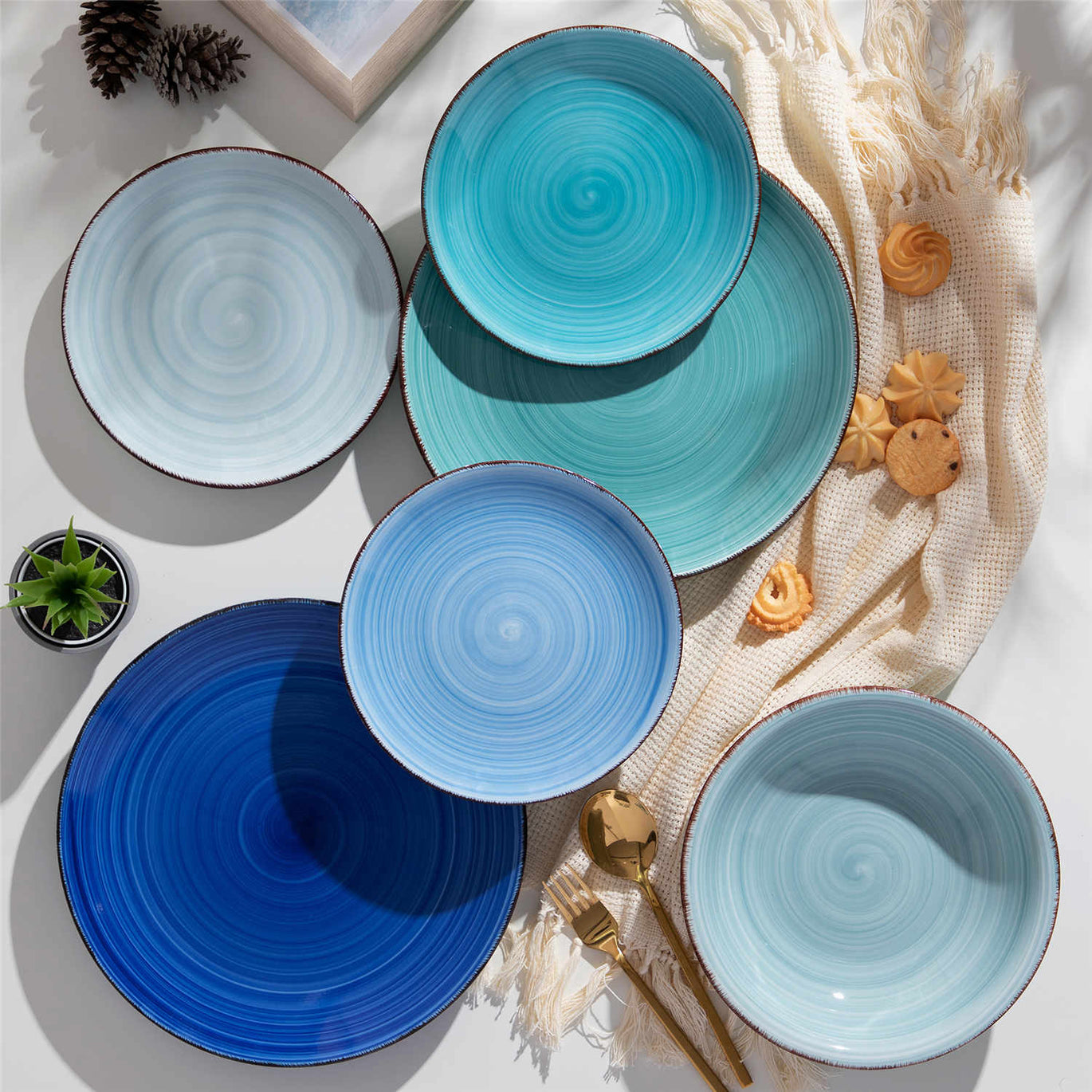


Why Chocolate Tasting Experts Avoid Colorful Ceramic Plates

Chocolate tasting is one of those experiences that looks simple from the outside and turns out to be wildly nuanced once you step behind the curtain. As a Colorful Tabletop Creative & Pragmatic Joy Curator, I live for vibrant plates, painterly glazes, and rainbow ceramics. Yet when I sit down with serious chocolate, my most trusted tools are deceptively plain: white plates, neutral platters, soft lighting, and a quiet room.
If you have ever wondered why so many chocolate experts park their jewel‑toned bars on simple white dishes instead of gorgeous teal or paprika-colored ceramics, you are asking exactly the right question. Understanding the answer will make you a better taster and a more intentional host, whether you are leading a structured flight of single-origin bars or setting out a casual dessert spread for friends.
In this article, we will unpack how chocolate tasting really works, why visual neutrality matters, what colorful plates do to that experience, and how to design a table that honors flavor without sacrificing your love of color.
Chocolate Tasting Is Visual Before It Is Sweet
Professional and craft chocolate educators consistently describe tasting as a multisensory ritual rather than casual snacking. Makers like Valrhona, Venchi, Barry Callebaut, and others emphasize that great tastings engage sight, sound, smell, taste, and touch in a deliberate sequence.
Before a single square even reaches your tongue, you are already tasting with your eyes. Guides from Valrhona and others start with sight: you examine color, evenness, and surface gloss. A well‑tempered bar should look smooth and shiny, not streaky or dull, and any whitish bloom on the surface hints at storage or handling issues, even when it is still safe to eat. Craft chocolate resources reinforce this same point: use appearance to evaluate tempering and to spot bubbles or other molding defects.
Color itself carries important information. Darker bars usually signal higher cacao percentages, while lighter milky browns point to more milk and sugar. Single-origin bars can lean reddish, mahogany, or almost black, and experienced tasters use these subtle shifts to form first impressions. Articles from specialty makers and educators describe this visual step as the first checkpoint in understanding cacao variety, roast, and even some aspects of terroir.
Terroir, a term borrowed from wine and used in guides like those from the craft chocolate world, refers to the way local conditions such as soil, climate, and surrounding plants shape flavor. You cannot see terroir directly, but you can see its consequences in the bar’s appearance and later sense it in flavor. All of that starts with a clear view of the chocolate itself.
When your goal is to judge gloss, color, and surface quality, whatever sits directly beneath the chocolate matters just as much as the room around it. That is where plate choice enters the tasting story.

What Professionals Actually Do at a Chocolate Tasting
To understand why colorful plates can be problematic, it helps to know how a structured chocolate tasting typically unfolds.
Chocolate educators from different companies describe remarkably similar frameworks, even when they use slightly different language. Many highlight a progression that goes something like this. First, you look. In a quiet, neutral environment with good light, you pay attention to the bar’s color, shine, and any visible imperfections. Several guides recommend natural daylight and a neutral-colored space so nothing distracts from the chocolate’s appearance.
Second, you listen. Breaking a piece should produce a clean, crisp snap, which is a hallmark of proper tempering in dark and many milk chocolates. That sound tells you about crystal structure and, indirectly, about how carefully the bar was made.
Third, you smell. Educators from Cocoa Runners, Venchi, Maui Kuʻia, and others encourage warming the chocolate slightly between your fingers or simply cupping it in your hands, then taking a deep breath. Much of chocolate’s flavor lives in its aroma, revealing notes as varied as citrus, berries, nuts, toast, caramel, smoke, or flowers.
Fourth, you taste. Instead of chewing through a big chunk, expert guides suggest placing a small piece on your tongue, maybe biting once or twice, and then letting it slowly melt. As it does, you track mouthfeel and flavor evolution: does it start sweet and turn fruity, or open earthy and then become nutty or spicy. Articles from craft educators note that well-made chocolate can show hundreds of flavor compounds and that the finish can linger for many minutes when the bar is high quality.
Finally, you reflect. Many tasting resources, from corporate guides for team-building events to small-batch makers, recommend taking notes, comparing impressions, and remembering that there is no single “right” description. Barry Callebaut explicitly frames tasting as subjective: background, memories, and personality all shape how you perceive a bar, and discussion is part of the joy.
Through all of this, conditions matter. Guides repeatedly recommend a quiet space, no strong ambient scents, a comfortable temperature, and a neutral backdrop. Some even specify neutral-colored walls or table surfaces so your eyes are not fighting visual noise while reading subtle cues in the bar. That logic extends naturally to any surface the chocolate sits on.
Where Plates Fit Into the Sensory Equation
If you look closely at photos from professional chocolate classes, corporate tastings, or educational workshops, you will often see the same understated palette repeated: white ceramic plates, clear glass dishes, light wooden boards, maybe a slate or stone platter in a soft gray. The plates themselves rarely shout for attention.
Even when guides do not call out plates directly, they consistently describe two priorities that plates influence immediately. The first is visual clarity. You need to see the chocolate’s own color and gloss without any extra color casting strange reflections. The second is sensory focus. Your eyes, nose, and brain do better work when the environment is stripped of distraction and clutter.
Valrhona, for example, recommends tasting in a neutral-colored room in natural daylight. Ghirardelli and other chocolate educators advise a calm space with soft or neutral lighting and minimal distractions, along with simple palate cleansers like water and unflavored crackers. Hill Country Chocolate and similar sources urge tasters to prepare a clean, uncluttered setup so nothing competes with the chocolate.
Plates are the stage set for every piece of chocolate you serve. A bright turquoise plate does not just sit quietly under the bar; it throws color onto the chocolate, changes how its brown reads to your eyes, and can literally reflect little flashes of blue onto the gloss. A heavily patterned plate pulls focus so your gaze keeps drifting away from the bar’s texture and color.
In a world where educators encourage you to notice fine distinctions in shade, gloss, and bloom, this matters more than you might think.

The Problem with Colorful Ceramic Plates in Serious Tastings
Let us bring this back to the heart of the question: why do chocolate tasting experts tend to avoid colorful ceramic plates when they are working in “serious evaluation mode,” even if they adore beautiful tableware the rest of the time.
One reason is that colorful plates interfere with color perception. When you place a dark chocolate square on a bright red or cobalt blue dish, the surrounding color affects how your eyes and brain interpret the brown. Instead of seeing delicate differences between a warm mahogany and a cooler charcoal tone, your vision is constantly recalibrating against the saturated background. For a taster trying to compare cacao percentages or roasting levels at a glance, that extra layer of visual processing gets in the way.
A second reason is glare and reflection. Many colorful ceramics come with glossy glazes that catch light dramatically. Under the soft but directional lighting recommended by chocolate educators, those glossy surfaces can bounce highlights onto the chocolate. Suddenly, you are not judging the bar’s own gloss but a combination of chocolate shine and ceramic reflection. In tastings where appearance helps you infer temper and storage quality, that is not ideal.
Third, patterns and bold motifs splinter your attention. Tasting guides often talk about savoring, not scoffing: slowing down, noticing texture, tracing flavor waves over time. That kind of focus is easier when the immediate visual field is calm. Layering stripes, florals, or geometric prints under every piece of chocolate creates constant micro-distractions. You may not consciously feel it, but your brain is working harder to locate the edges of the chocolate and filter out everything else.
A fourth subtle issue is color-driven expectation. Even without citing specific lab studies, everyday experience tells us that color nudges mood. Imagine a neon-yellow plate under a pale white chocolate: your brain might start to anticipate citrus and brightness before you even smell the bar. A deep navy plate under a very dark chocolate nudges your mind toward intensity and seriousness. Expert tasters work to approach each sample with as neutral an expectation as possible, because they want the chocolate itself, not the plate, to set the narrative.
Finally, there is consistency. Professional or educational tastings often compare multiple chocolates side by side. Many guides recommend tasting four to six chocolates in one sitting and caution against exceeding that to avoid palate fatigue. To make fair comparisons, everything other than the chocolate should stay as constant as possible: same room, same lighting, same serving temperature, same portion size, same cleansing routine between samples. Using the same simple white or neutral plate for each bar supports that consistency. Switching colors and patterns underneath each sample introduces a new variable every time.
None of this means colorful plates are “wrong” in an absolute sense. It simply explains why, when expert tasters want to evaluate cacao quality, roast, texture, and finish with precision, they quietly reach for the plain dishes.

But I Love Color: Are Bright Plates Always Wrong?
Absolutely not. Color is one of the most joyful tools on any table, and I would never ask you to banish your favorite ceramics to the back of the cabinet. The key is to match the plate to the purpose.
Professional guides describe chocolate tastings as existing on a spectrum. On one end, you have strictly educational or evaluative sessions, where a host is teaching guests to taste like pros, perhaps comparing chocolates by origin, cacao percentage, or style. Articles about team-building tastings, structured corporate events, and serious “how to taste like an expert” pieces sit in this zone. These tend to follow the more neutral, controlled setup.
On the other end, you have social chocolate gatherings that are equal parts dessert and conversation. Think Galentine’s evenings, date-night tastings, or casual weekend get-togethers, like those described by hosting guides that frame chocolate tastings as fun, relaxed ways to connect. Here, the focus shifts from forensic evaluation to shared experience. People still talk about flavor, but they are also laughing, telling stories, and pairing chocolate with wine, coffee, or tea.
In these more relaxed settings, a colorful plate can be an asset rather than a liability. It can telegraph the mood of the gathering, tie into a holiday or theme, and make the table feel more inviting. A blush-pink plate with raspberry-studded white chocolate for Valentine’s Day, or a deep emerald plate with mint-infused dark chocolate around the winter holidays, can be downright irresistible.
The tradeoff is that you sacrifice a bit of visual precision. Guests may have a harder time seeing subtle differences in tone and bloom. They might default to broader flavor descriptions instead of noticing fine distinctions. That is a perfectly acceptable compromise if your goal is delight and connection rather than training palates like professional judges.
The sweet spot, especially for hosts who care about both aesthetics and sensory integrity, lies in combining neutral plates for the chocolate itself with color everywhere else.
Neutral vs. Colorful Plates: What Works When
Here is a simple way to think about plate choice when you are planning your next chocolate-centric gathering.
Scenario |
Best Plate Approach |
Why It Works |
Serious chocolate class or guided tasting flight |
Plain white or very light, matte plates or boards |
Maximizes visibility of color, gloss, bloom, and surface texture; keeps comparisons fair across samples. |
Corporate or team-building tasting with some education and some fun |
Mostly neutral plates with a few subtle color accents at the edges |
Honors the structured tasting steps while still making the table feel upbeat and branded or seasonal. |
Casual dessert spread after dinner |
Colorful plates or patterned ceramics, as long as each chocolate type stays clear and visible |
Prioritizes warmth and personality; small sacrifices in visual precision are acceptable because evaluation is less formal. |
Kids’ chocolate tasting or family game night |
Bright plates in one or two theme colors, with chocolate squares on small white saucers or parchment “islands” |
Keeps the playful mood while protecting visibility of the chocolate on its own little neutral stage. |
Notice that in every scenario where flavor evaluation really matters, the chocolate eventually lands on something light and simple, even if there is color elsewhere.
How to Design a Chocolate Tasting Table That Honors Flavor and Loves Color
Now let us get delightfully practical. You have a stack of colorful plates you adore, you have splurged on great chocolate, and you want to run a tasting without sacrificing either sensory quality or visual joy. Here is how I set up tasting tables for clients and at home, using principles reinforced across chocolate education sources.
Choose a Neutral Canvas for the Chocolate
Start with the chocolate itself. Following the guidance of professional tasting articles, limit the number of different chocolates so your guests’ senses stay sharp. Several sources recommend keeping it to about four to six chocolates in a session. Arrange them from lighter styles to darker or more intense ones; many educators suggest starting with white or milk chocolate and moving toward the boldest dark bars.
For serving, use small white or pale cream plates, simple glass dishes, or light wood boards. The goal is a surface that does not tint the chocolate or reflect strong color. Cut each chocolate into small, consistent pieces so everyone sees and tastes comparable portions, echoing the advice from professional tasting guides about uniformity.
If all you own are colorful plates, improvise a neutral “island” for the chocolate on top of them. A piece of unprinted parchment paper, a small white saucer nested inside a larger coral plate, or even a simple wooden cutting board placed over a patterned tablecloth can give each chocolate piece a calm frame.
Layer Color Everywhere Else
Once the chocolate has a neutral canvas, you can unleash your inner color lover around it. Remember that chocolate educators urge hosts to think about ambiance: soft lighting, gentle music, and decor that enhances the experience. This is where you can play.
Choose napkins, runners, or tablecloths in your favorite saturated shades. Use colorful ceramic bowls for palate cleansers like crackers, bread, or apple slices, which many guides recommend between samples. Pour water into tinted glasses or mismatched vintage goblets. If you are pairing chocolate with wine, beer, coffee, or tea, pour those drinks into cups and stems that bring in complementary hues.
Candles, flowers, and seasonal fruits can double as decor and palate cleansers, as long as their aromas do not overpower the chocolate. Several tasting guides warn against strong competing scents, so keep perfumed candles and heavily fragranced flowers off the table during the actual tasting. Lean into visual drama instead: a low bowl of green apples, a pile of deep red pomegranates, or a cluster of neutral-toned flowers in ceramic vases.
By putting color into textiles, glassware, and supporting dishes rather than under the chocolate itself, you get the best of both worlds: serious tasting performance and a table that feels like a celebration.
Match Plate Finish to Chocolate Texture
Chocolate professionals care intensely about mouthfeel. Articles on flavor profiles stress that fine chocolate should avoid sticky, muddy, chalky, or waxy textures, and that a smooth, creamy, or silky melt with a lingering finish is a sign of quality. As a host who cares about sensory storytelling, you can echo those textures in your plate choices.
When you are serving chocolate with an especially silky, refined melt, lean toward matte or softly satin-finished plates that do not compete with that visual softness. For rustic or inclusion-heavy bars full of nuts or crunchy elements, a slightly more textured stoneware plate can visually hint at that personality without drowning the chocolate in color.
Finish is one of those details guests may not consciously notice, but it contributes to an overall sense that the table “matches” what they are tasting.
Keep the Senses Tuned, Not Overloaded
Across all the chocolate tasting resources, one theme repeats: you get the best experience when your senses are tuned rather than overwhelmed. Authors encourage tasters to avoid strong perfumes, scented lotions, and intense cooking smells; to taste when they are not overly full or ravenous; and to cleanse the palate between samples.
Translate that into tabletop terms and you get a clear design brief. Avoid scented candles during the tasting. Keep centerpieces low so guests can see each other and the chocolates without visual clutter. Use one or two strong colors in your ceramics instead of letting every single piece shout in a different hue. Choose background music that supports conversation rather than competing with it.
In other words, let color energize the space without hijacking the senses you are trying to direct toward the chocolate.

Color, Mood, and Chocolate: Using Design to Shape Experience
Chocolate tasting is not only about chocolate. Guides that focus on team building and corporate events highlight how tastings can strengthen connection, boost mood, and even support a sense of belonging at work. The chocolate itself, with its complex flavor compounds and gentle energy lift, carries part of that effect. The way you stage the experience carries the rest.
Color is one of your most powerful tools for shaping that mood. Warm earth tones in linens and ceramics can underscore a tasting built around beans from specific regions, echoing the idea of terroir and origin. Cool blues and silvers can frame a winter-themed lineup with spiced dark chocolates and bright minty bars. Sunny yellows and corals can make a summertime tasting feel breezy and light, in line with guides that suggest relaxed afternoon or early evening tastings as an easy way to bring people together.
The trick is to treat the chocolate as the soloist and your plates, cups, and linens as the band. In a concert, the lighting and costumes can be dramatic, but they still support the performer. In your dining room, color can play loudly on the table as long as the chocolate itself gets a clean spotlight.

A Brief FAQ on Plates and Chocolate Tasting
Do I really need white plates for chocolate tasting at home?
If you plan a one-time, casual tasting with friends, you do not need to rush out and buy white plates. You can use whatever you have and still enjoy noticing differences in flavor and texture. That said, if you fall in love with chocolate tasting or want to host more structured sessions, investing in a few simple white or very light plates or boards is worthwhile. They make it easier to see surface shine, bloom, and subtle color differences, and they help your table look intentionally styled rather than improvised.
Are colorful plates ever appropriate for professional chocolate events?
They can be, especially in contexts where the goal is more about celebration and connection than strict evaluation. For example, a corporate team-building event might use branded color accents while still serving the chocolate itself on neutral dishes. The key is to keep anything directly under each piece of chocolate as neutral as possible and to use stronger colors in surrounding elements. Professionals who judge chocolate quality or teach sensory skills typically lean toward neutral plates when they want maximum clarity.
What if my favorite plates are dark, not colorful?
Dark plates bring their own challenges. They can make it harder to see the edges of dark chocolate and to judge subtle bloom or gloss, but they may work reasonably well for white and milk chocolates, which contrast more strongly with a dark background. If dark plates are what you love, consider pairing them with small white saucers, strips of parchment, or light wood boards laid over them when you want to evaluate dark chocolate more precisely.
Closing Thoughts from a Colorful Tabletop Joy Curator
Chocolate tasting asks us to slow down, tune our senses, and pay attention to tiny details. Colorful ceramics invite us to play, express personality, and turn a table into a canvas. When you understand why experts reach for neutral plates in serious tastings, you are not being told to abandon color; you are being handed a more precise brush.
Let the chocolate sit on a calm, quiet stage so its terroir, texture, and finish can sing. Then let your plates, linens, glasses, and flowers dance with every hue your heart desires. That is how you create a table where both flavor and color feel fully alive.
References
- https://pmc.ncbi.nlm.nih.gov/articles/PMC12433615/
- https://cocoafuture.org/blogs/blog/team-building-activity-chocolate-tasting?srsltid=AfmBOop_wrWt8GU7k_9Ww-Z_-Y88O7jXm8BA4QixuOvJ2gpx-v5v-TvB
- https://www.distinguishedbeans.com/how-to-taste-chocolate
- https://www.ghirardelli.com/how-to-taste-chocolate?srsltid=AfmBOoos2rUHClGkvzIn2M_CPZlXM4qlSiA-Q9XwEJeYAX6fsLvSuF6f
- https://www.simplychocolate.com/learn-chocolate-tasting-party?srsltid=AfmBOoqUluHfbKnAj-GsLq8ErSxfKFSCVrHFKB17n3EwMws4w49qVNSC
- https://chrystinanoel.com/blog/how-to-host-a-chocolate-tasting-party-at-home
- https://www.cocoterra.com/how-to-host-a-chocolate-tasting-party/
- https://experiencemaplegrove.com/how-to-host-a-chocolate-tasting/
- https://www.markys.com/blog/secret-world-of-chocolate-tasting-how-to-identify-different-flavors?srsltid=AfmBOop-lZPqmqHG-cugKbevC6ZPnM1Ez2_fqacnuLZWuAFdTdr76kfL
- https://www.thechocolateprofessor.com/blog/experts-6-tips-for-tasting-craft-chocolate
Potrebbe piacerti anche
Stern Set di stoviglie da 16 pezzi
- Da $75.00
$100.00- Da $75.00
- Prezzo unitario
- per
-
Blue
-
Green
-
Red
-
Grey
Simi Set di stoviglie 24 pezzi
- $100.00
$135.00- $100.00
- Prezzo unitario
- per
Bonita Set di stoviglie da 18 pezzi
- Da $63.00
$78.00- Da $63.00
- Prezzo unitario
- per
-
Blue
-
Multicolor
Set di stoviglie stellate da 16 pezzi
- $77.00
$90.00- $77.00
- Prezzo unitario
- per
-
Blue
-
Green
-
Red
-
Gradient Green