



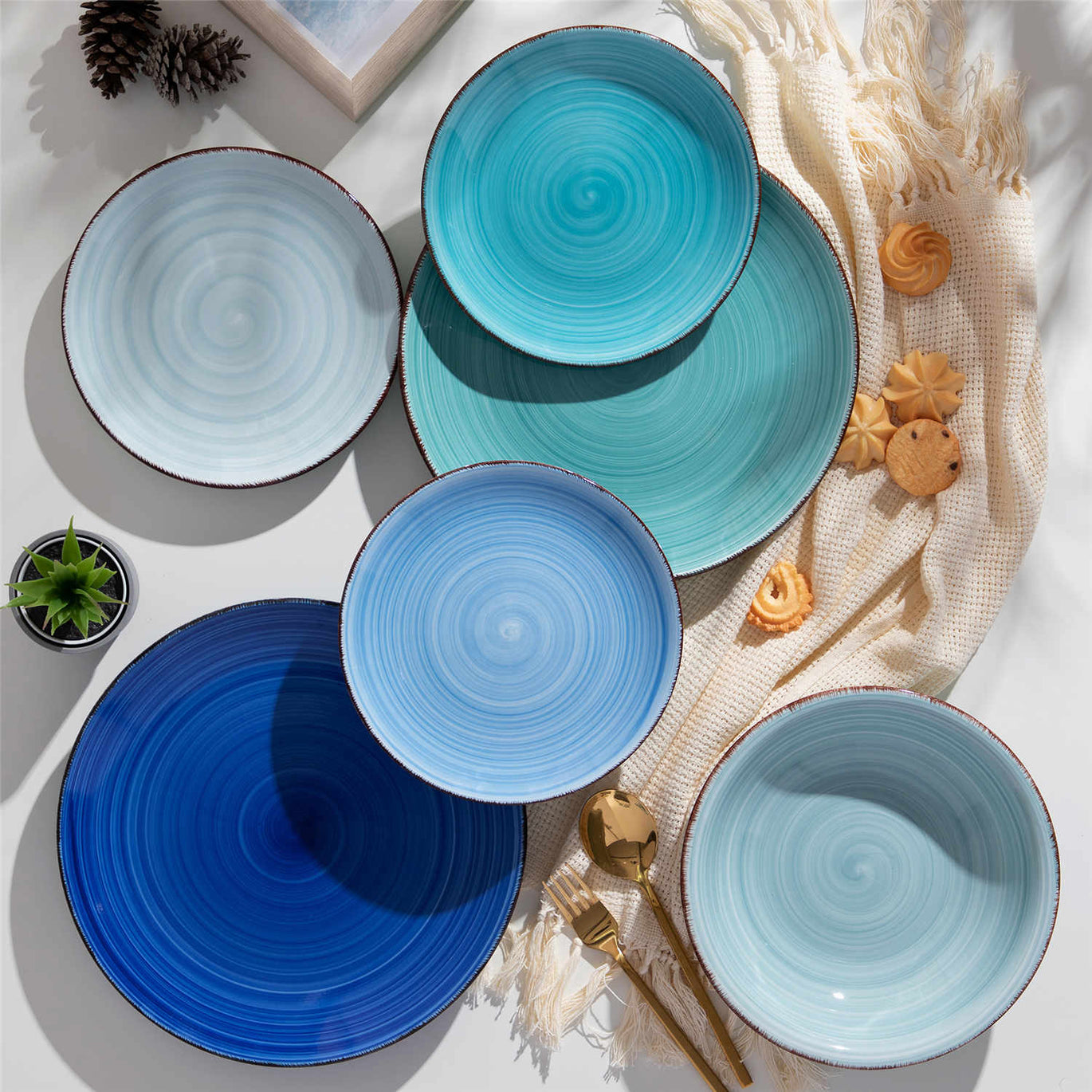


Understanding Why Raw Food Advocates Prefer Earthenware Dishes

Walk into any vibrant raw brunch these days and you will probably see it: jewel-bright salads spilling over matte terracotta bowls, sauerkraut bubbling quietly in a stout clay crock, cool drinking water resting in a simple earthen jug. For many raw food lovers, unglazed earthenware is no longer just “cute pottery”; it has become part tool, part ritual, part quiet co‑conspirator in keeping food fresh, lively, and beautiful.
As a Colorful Tabletop Creative & Pragmatic Joy Curator, I live at the intersection of aesthetics and evidence. I care about how a salad looks on the table, how a crock feels in the hand, and what the science says about what that clay is doing to your food. Drawing on traditional clay-cooking guides from Arthi’s Food and Nutrition Zone and Healthians, contemporary raw-kitchen writing from MALACASA and Wellcure, brand research from Miriam’s Earthen Cookware and VitaClay, culinary testing from Food & Wine, and peer‑reviewed studies on ceramics safety and fermentation, let’s unpack why raw food advocates are so drawn to earthenware dishes—and when it actually makes sense to use them.
What Earthenware Really Is
Earthenware is one of the oldest technologies humans ever invented, long before stainless pans and nonstick skillets arrived in our cupboards. In simple terms, it is clay that has been shaped and fired in a kiln to become a hard but still porous vessel.
Writers for Arthi’s Food and Nutrition Zone explain that potters typically form clay on a wheel, then fire it to what ceramicists call “biscuit” or “bisque” at roughly 1,652 to 2,192°F. MALACASA’s raw-food guide echoes those ranges, noting that an initial firing around 1,832°F creates a strong yet absorbent body that happily drinks in water. That open pore structure is the defining feature here: the walls can absorb and slowly release moisture, almost as if the pot is breathing.
When that biscuit ware is left uncoated, you have classic unglazed earthenware, often in warm reddish tones commonly known as terracotta. When it is coated in a glassy glaze and fired again, the surface becomes smoother and less porous, easier to clean and often more colorful, but also less “alive” in the way raw food advocates tend to appreciate.
For our purposes, “earthenware dishes” usually means unglazed or minimally glazed clay bowls, plates, crocks, and jugs whose pores are still open enough to interact with water, air, and time.
Unglazed vs. Glazed: Why Raw Food Fans Love Matte Clay
On a raw‑leaning table, you are much more likely to see unglazed earthenware than a glossy, brightly glazed clay bowl. There are three practical reasons for that preference, all backed by the research literature and modern clay educators.
First, porosity. Unglazed clay absorbs water and then slowly releases it, which regulates moisture and humidity around the food. MALACASA describes how a soaked unglazed vessel can keep crisp vegetables from drying out while they brine or marinate, and even provide subtle evaporative cooling the way traditional clay water pots do. Glaze blocks that pathway and turns the surface into something closer to glass.
Second, alkalinity. Several sources, including Healthians, Ellementry, and Wellcure, describe clay as naturally alkaline. That means unglazed earthenware can gently soften the perceived sharpness of acidic foods. Writers cited by MALACASA note that this effect has been observed with coffee and tomato-based dishes, and raw cooks report that citrusy or tomato-heavy salads and ferments sometimes taste a little rounder after resting in unglazed clay. A thick, glassy glaze reduces this interaction.
Third, risk management. A SpringerOpen study highlighted in MALACASA’s guide found that some glazed clay pots leached measurable lead into water within a few hours, while the unglazed pots tested in that particular experiment matched negative controls and showed no detectable lead under those conditions. At the same time, consumer-safety writer I Read Labels For You has pointed out that certain unglazed samples in other tests have released more arsenic than some glazed ones. In other words, glaze is not automatically unsafe, but it can be if poorly formulated or under‑fired, and unglazed clay is not automatically risk‑free either.
This is where regulation and documentation enter the picture. Emerson Creek Pottery and other ceramic educators explain that in the United States, the Food and Drug Administration regulates ceramic foodware for lead and cadmium. Compliant pieces may be labeled “lead‑safe” rather than “lead‑free,” which is an important nuance. MALACASA recommends that buyers who want to use earthenware for raw ferments or long contact with acidic foods ask for recent third‑party leach‑test reports that list the lab, method, and detection limits, and treat vague words like “non‑toxic” as marketing, not proof.
For raw food advocates, this usually leads to a simple habit: choose unglazed or very lightly glazed earthenware from reputable makers, insist on safety documentation when possible, and use glass as the conservative backup for long-term storage of very acidic liquids.

How Earthenware Supports a Raw or Mostly Raw Lifestyle
Raw cuisine is, at heart, a dance with moisture, microflora, and time rather than a sprint toward high heat. Unglazed earthenware fits beautifully into that choreography.
Porosity, Moisture, and Natural Cooling
One of the quiet superpowers of earthenware is its relationship with water. When you soak a clay bowl or crock, the walls become saturated. Over the next hours, they slowly release that water through the surface, a process Arthi’s Food and Nutrition Zone and Wellcure describe as gentle moisture balancing.
In practical terms, this does a few things that raw advocates appreciate.
When you pack a clay crock with shredded cabbage and salt, a classic raw ferment, the high internal humidity helps keep the top layers from drying out as quickly. MALACASA notes that this moisture buffering can also help keep shaved fennel, cucumbers, or tomatoes plump while they sit in a mild brine or marinade waiting to be served.
Traditional clay water pots—matkas and similar forms—use the same physics. ExpoBazaar explains that water stored in earthen jugs stays pleasantly cool because evaporation across the porous walls pulls a bit of heat out of the liquid. Healthians and Ellementry both highlight this natural cooling as one reason terracotta water jugs feel so soothing in hot weather and gentle on the throat. That subtle chill is particularly welcome at a raw table that might be deliberately avoiding iced beverages.
One government research facility experiment, reported in ExpoBazaar’s article, even found that lentils cooked in a clay pot stayed nutritious and safe during a thirty‑six hour, non‑air‑conditioned train journey on a hot day, supporting the idea that moisture management in clay can slow spoilage in some situations. At the same time, MALACASA and Food Manifest warn that the same porosity can also harbor unwanted microbes if cleaning and drying are lax. So moisture control is a double‑edged feature: valuable when paired with meticulous hygiene, risky when it is not.
Flavor and Aroma: Gentle, Layered, and “Earthy”
If you ask seasoned clay cooks why they fell in love with earthenware, flavor usually shows up in the first sentence.
Arthi’s Food and Nutrition Zone describes a simple South Indian rasam cooked in a black clay pot as “very aromatic” and “awesome,” attributing the difference to slow, even heat and moisture circulation. A Facebook cook writing about earthen‑pot fish curry notes that the porous walls encourage a gentler boil, which helps spices bloom while preserving the character of the fish.
Food & Wine’s test kitchen ran a wide comparison of clay pots against metal cookware and observed that beans cooked in a handmade micaceous clay pot tasted creamier and more complex than beans simmered in stainless steel, which came across as comparatively bland and sharp. Rice in clay smelled more floral and toasty, with distinct grains rather than a mushy mass. These tests were done with cooked dishes, but they underline a consistent theme: clay supports flavor clarity.
For raw and low‑heat dishes, the effect shows up more in nuance than in dramatic transformations. MALACASA summarizes reports of alkaline clay softening the perceived acidity of coffee or tomato sauces, and the same principle likely underpins the way a raw tomato salad or citrusy fennel slaw can feel just a bit rounder when it has rested briefly in unglazed clay. The change is subtle and does not replace proper seasoning with salt, fat, and acid, but many clay‑loving raw cooks describe it as that whisper of “earth” that makes a dish feel grounded.
Fermentation and Live Cultures: Clay as a Quiet Collaborator
Fermentation is where earthenware really earns its seat in the raw kitchen.
Research summarized by MALACASA on traditional Korean onggi, a form of earthenware fermentation crock, shows that the open pore structure promotes gas exchange during early fermentation. This gas flow influences microbial growth patterns, enzyme activity, and the development of glutamic acid, which deepens umami. The vessel is not just a neutral container; it actively shapes the fermentation environment in ways glass and plastic do not.
A separate scientific study on fermented sturgeon gut sauce, published in a public medical database, compared plastic, wood, and unglazed pottery containers. The pottery vessels were made from alluvial clay rich in calcium and iron and fired to about 1,740°F, and they were required to meet European directives for food contact, including limits on heavy metals. The study tracked microbial safety, chemical composition, and sensory quality over many months. While the details are technical, the big picture is clear: container material affects both shelf life and flavor, and properly made pottery can perform at least as well as modern materials when it meets safety standards.
For a raw food advocate, this translates into simple practice. Earthenware crocks with strong safety documentation become dedicated homes for sauerkraut, pickled vegetables, and similar salt‑based ferments. MALACASA recommends reserving well‑tested crocks for these jobs, keeping them impeccably clean between batches, drying them thoroughly, and using fresh, in‑season produce to introduce vibrant microbial communities.
At the same time, clay’s permeability means you must stay on top of hygiene. Food Manifest and Princeton University’s environmental health guidance both warn that porous materials can absorb water, develop micro‑cracks, and harbor microbes if they are not cleaned and dried completely. In a raw kitchen, where dishes are never brought to boiling to sanitize them, that caution is even more important.
Alkalinity and Digestive Comfort
Multiple traditional and modern sources frame clay’s alkalinity as a digestive ally. Healthians, Ellementry, and several earthenware lifestyle articles note that alkaline clay can neutralize some of the acidity in foods, which may make tomato- and vinegar‑based dishes feel gentler for people prone to gastric discomfort. VitaClay’s writing on inflammation and nutrition connects balanced, less irritating meals with lower chronic inflammation risk, although those pieces focus more broadly on anti‑inflammatory diets rather than clay alone.
Clay‑pot testimonials collected by VitaClay Chef and others also emphasize that food cooked or served in clay feels “lighter” and easier to digest. Another article on clay‑cooked cuisine and digestion points out that clay’s even, moist heat and gentle alkalinity may help tame acid reflux and soothe the throat, at least anecdotally, while clay’s non‑reactive surface keeps flavors stable.
Scientifically, the picture is still emerging. MALACASA is careful to note that while clay can release small amounts of minerals and alter perceived acidity, clays can also naturally contain elements such as arsenic, and you should never treat a pot as a mineral supplement. The safest path is the one they recommend: let your vegetables, nuts, seeds, and sea vegetables deliver your nutrition, and treat clay’s alkalinity as a small bonus for flavor and comfort rather than a primary therapy.
Nutrients and Oil: What Actually Changes for Raw Food
Many articles on clay cooking, including pieces from Arthi’s Food and Nutrition Zone, Healthians, and Miriam’s Earthen Cookware, highlight three supposed nutritional advantages of clay: better nutrient retention, the ability to cook with less oil, and small contributions of minerals such as calcium, iron, magnesium, phosphorus, and sulfur.
In cooked dishes, there is some logic here. Clay’s gentle, even heating and moisture retention can minimize scorching and reduce the need for very high temperatures that damage heat‑sensitive vitamins. Miriam’s Earthen Cookware, for example, argues that pure clay pots emit gentle far‑infrared heat, retain water‑soluble nutrients by condensing steam on the lid and sending it back into the pot, and allow many dishes to be made with little or no oil.
A separate experimental study in a public medical archive, which compared different metal pots (including aluminum and titanium‑clad vessels), found that cookware material has a real impact on true vitamin retention, an observation that indirectly supports the broader idea that “the pot matters.” While that study did not test earthenware, it reinforces the principle that vessel composition influences nutrient outcomes.
For strictly raw dishes, those high‑temperature benefits are less directly relevant. Raw salads, soaked grains, and unheated ferments are not losing vitamin C or B1 to boiling. Where earthenware still helps is in reducing the need for heavy dressings and added oil because the food already tastes so rich and aromatic. Clay’s moisture management may also help preserve textural integrity so you are not tempted to over‑salt or over‑sweeten to compensate for limp produce.
So in a raw context, the “nutrition” advantage is less about measurable vitamin differences and more about behavioral shifts: you can often season more lightly because the vessel is working with you to protect texture, aroma, and natural sweetness.

Safety, Testing, and Hygiene: The Pragmatic Side
Earthenware is earthy and romantic, but raw food advocates who stick with it long term tend to be the ones who respect its limits.
Heavy Metals and Certification
The key safety concern with clay is not the clay itself but what might be in it or on it.
As mentioned earlier, a SpringerOpen study found that certain glazed clay pots released measurable lead into water after only a few hours, while the unglazed pots tested in that specific experiment behaved like distilled water and showed no detectable lead. However, I Read Labels For You has compiled evidence that in other testing contexts, some unglazed wares have leached more arsenic than comparable glazed pieces.
The takeaway from MALACASA, ceramic educators such as Ceramic Materials Workshop, and manufacturers like Seattle Pottery Supply is consistent: neither glazed nor unglazed clay is automatically safe or unsafe. Everything depends on formulation, firing, and testing.
In the United States, the FDA evaluates ceramic foodware for lead and cadmium leaching. Some compliant pieces carry “lead‑safe” labels rather than “lead‑free,” reflecting that tiny amounts below safety thresholds may still be present. Labels indicating compliance with regulations such as California’s Proposition 65 can be an additional good sign, but documentation is better than stickers.
For anyone using earthenware in a raw kitchen—especially for long ferments, salty brines, or acidic mixtures—MALACASA recommends asking makers for recent third‑party leach tests. Good reports list the lab, methods, elements tested, and detection limits. If that level of transparency is unavailable, it is wise to reserve that vessel for brief contact with non‑acidic foods or decorative use and keep highly acidic or long‑term projects in glass or stainless steel instead.
Porous Clay and Microbial Hygiene
Porosity is what makes raw food advocates love earthenware, and it is also where trouble can start.
Unglazed clay can absorb water and organic residues into its pores and micro‑cracks. Food Manifest warns that if pots are not cleaned thoroughly and dried completely, those tiny spaces can become micro‑habitats for unwanted bacteria and fungi. In fully cooked cuisines, a rolling boil might compensate for some mistakes, but raw ferments and cold salads never get that safety net.
To manage that risk, MALACASA, Arthi’s Food and Nutrition Zone, Wellcure, and several clay cookware brands converge on similar cleaning advice. After use, let the pot cool, then scrub it with very hot water and a stiff natural brush or non‑metallic scrubber. For sticky residues, use baking soda, salt, or even certain flours as gentle abrasives. Avoid regular dish soap, because soap can soak into the pores and later leach back into food, altering flavors and potentially irritating sensitive digestion. If you must use a mild detergent, rinse and soak with fresh water repeatedly and then give the pot extended time to air out and dry, ideally in warm sunshine.
Storage matters as much as cleaning. Never close a damp earthenware vessel with its lid; trapped moisture is an invitation to mold. Instead, dry pots completely in a well‑ventilated area and store them with lids ajar. If you do spot a bit of mold, several sources suggest scrubbing with hot water and a baking‑soda paste, then drying thoroughly in sun before the next use.
When Earthenware Is Not the Right Choice
Some kitchen tasks simply do not belong in earthenware, especially in a raw‑leaning home.
Earthen pots dislike abrupt temperature changes. Arthi’s Food and Nutrition Zone lists thermal shock as a major limitation: unglazed pots can crack if moved from a hot burner to a cold counter or from a cool, damp state into intense heat. The Munchery guides on clay pot cooking echo this, recommending that cooks always start clay pots in a cold or low‑heat oven or burner and then increase heat gradually, and always rest hot pots on a wooden board or towel instead of stone.
In a raw kitchen, you are unlikely to be searing anything, but if you do gently warm soups, teas, or decoctions in clay, keep the flame low and go slow. Use wooden utensils instead of metal to avoid chipping. For very high‑heat tasks or quick frying, stick to stainless steel or cast iron designed for that purpose; clay is not your friend there.
For persistent storage of strongly acidic liquids such as kombucha, fruit vinegars, or very sour brines, MALACASA advises defaulting to glass unless your earthenware has extraordinary, well‑documented testing. The same goes for long‑term storage beyond normal fermentation windows. Earthenware excels at active ferments, brining, marinating, and serving, not at being a universal replacement for jars and steel pots.

Earthenware vs. Glass vs. Stainless: A Quick Comparison
Raw food advocates rarely abandon glass jars and stainless bowls altogether. Instead, they mix materials intentionally. MALACASA’s guide offers a useful way to think about the tradeoffs, which can be summarized like this:
Aspect |
Unglazed earthenware |
Glass |
Stainless steel |
Permeability |
Breathable; supports gas exchange and humidity buffering for ferments and brines |
Non‑porous; no gas exchange; stable environment |
Non‑porous; no gas exchange; very stable |
Microbial ecology |
Can enrich ferment dynamics but demands careful hygiene and thorough drying |
Neutral, easily sanitized, visually transparent |
Neutral, easily sanitized, often used for mixing or brief contact |
Temperature behavior |
Subtle evaporative cooling and gentle heat distribution; retains warmth once heated |
Thermally stable with no cooling effect; suitable for storage |
Highly conductive; excellent for cooking but more intense heat transfer |
Safety considerations |
Requires leach testing and mindful cleaning; risk if made from contaminated clay |
Generally inert and considered a strong default for acidic storage |
Generally inert; good default for quick tosses, mixing, and short cooking |
Maintenance |
Hot water, abrasives like baking soda or salt, sun‑dry; avoid regular detergents |
Standard soap and water; often dishwasher‑safe |
Soap and water; very durable and scratch‑resistant |
Aesthetic presence |
Earthy, tactile, visually calming; strong sense of craft |
Clear, modern, shows off layers and colors |
Sleek, professional, more utilitarian |
For a raw food lover, the sweet spot often looks like this: earthenware for ferments, brines, short marination, water cooling, and expressive serving; glass for longer storage and anything strongly acidic; stainless steel for mixing, tossing, and occasional gentle cooking.

Pros and Cons of Earthenware in Raw‑Focused Kitchens
When you put the romance aside and look at earthenware with clear, pragmatic eyes, a balanced picture emerges.
On the positive side, clay’s porous, alkaline body supports moist, gentle environments that protect texture and concentrate flavor. Traditional and modern sources from Healthians, Arthi’s Food and Nutrition Zone, Wellcure, and Food & Wine all converge on this point: foods in clay tend to taste richer and smell more aromatic, even with less oil and fewer heavy seasonings. Fermentation research on onggi and sturgeon gut sauce shows that well‑made pottery can nurture complex microbial ecologies safely when it is fired and handled correctly. Earthenware is also biodegradable and low‑tech, and buying from potters or responsible brands can support local artisans and more sustainable kitchen habits.
On the negative side, earthenware is fragile and sometimes unforgiving. It does not like being dropped, shocked, or scrubbed with metal. It demands its own cleaning routine and storage habits. Clay is heavy, opaque, and sometimes awkward to stack. Safety depends on sourcing and testing rather than wishful thinking, and porous walls mean you must be fiercely attentive to hygiene in a raw kitchen, where there is no high‑heat kill step later.
For many raw food advocates, the pros still win, especially when they reserve clay for the roles it performs best and let glass and stainless steel cover everything else.

Choosing Safe, Beautiful Earthenware for Raw Food
Once you decide earthenware deserves a place in your raw kitchen, the next question is how to choose pieces that are as safe as they are beautiful.
What to Look For When You Buy
Wellcure’s guide to earthenware cooking and MALACASA’s raw‑food article share several practical checkpoints. Heavier, thicker pots—especially at the base—are usually more durable and less prone to hairline cracks. Some traditional cooks tap the back of a pot and listen for a clear, ringing “tang”; a dull, hollow sound can indicate poor quality or prior damage.
For everyday raw use, look for unglazed interiors or very thin, light glazes rather than heavily decorated, glossy surfaces. Several authors, including Arthi and Facebook community cooks, warn that red and yellow glazes in particular have historically been associated with higher lead or cadmium risk, especially if they are not properly fired. If you love a glazed piece, seek one clearly labeled as food‑safe and lead‑safe from a reputable maker.
Ask questions. Responsible brands and potteries that advertise healthy, non‑toxic clay, such as those discussed by Miriam’s Earthen Cookware and Emerson Creek Pottery, often talk openly about clay sourcing and testing. Do not be shy about requesting leach‑test data if you plan to use a piece heavily for ferments or acidic dishes.
Finally, consider function before form. In a raw kitchen, your highest‑value pieces will probably be a well‑tested fermentation crock, a broad bowl for brining and marination, a tall jug or bottle for naturally cooled water, and a few shallow bowls or plates for serving. Start with one or two pieces that fit your actual habits instead of buying a whole set at once.
Seasoning and Everyday Care for Raw Use
Different authors describe slightly different seasoning rituals, but the underlying idea is the same: saturate and gently wake up the clay before it meets real food.
Arthi’s Food and Nutrition Zone suggests soaking a new unglazed pot in clean water overnight, then drying it thoroughly in the sun for at least a day. MALACASA describes a similar soak‑and‑dry approach and notes that some cooks also season by cooking a simple flour‑and‑water slurry or rice porridge in the pot for half an hour or more to start sealing micro‑pores and building a natural, food‑based patina. A Quora contributor recommends soaking in starchy rice water for several nights and then boiling porridge, followed by a light oil rub.
If you are primarily using a vessel for cold ferments, brines, or serving, the soak‑and‑sun routine is usually sufficient, and you can skip the porridge step as long as you are comfortable with that. For pots that will see heat, a gentle seasoning cook can help prevent sticking and cracking.
Day to day, cleaning and drying are your biggest tasks. Wash with very hot water, a stiff brush, and abrasives like baking soda or salt for stubborn spots. Let the pot dry completely, ideally in warm moving air or sun. Store with lids off or ajar. Use wooden or silicone utensils instead of metal to preserve the inner surface, especially in the early months, and keep heat low to medium if you warm anything in the pot.
Handling Tips to Avoid Cracks and Drama
Clay wants you to move at the speed of clay.
Arthi and the Munchery guides both emphasize avoiding sudden temperature swings. Do not pour cold water into a warm pot, and do not slide a cool, damp crock straight into intense midday sun or onto a blazing burner. If you gently heat liquids in clay, start on the lowest flame and only increase gradually.
After warming or fermenting, set the pot on a wooden board or folded towel, not a bare stone countertop. If you live in a very humid climate, give your pots extra time to dry before storage, and if a piece develops a persistent leak or cracks at the bottom, MALACASA recommends retiring it from food service rather than trying to push it through one more batch.
With those habits in place, earthenware slowly becomes less fragile in your hands. You begin to sense its moods and limits, and caring for it becomes part of the pleasure of cooking and serving.

A Colorful Raw Tabletop: How Earthenware Fits Into Daily Rituals
On my own raw‑leaning table, each clay piece has a clearly defined role.
A tall, slightly rough water jar lives near the window. Once a week I soak it, rinse it, and let it dry in soft sun. When guests arrive, the water it holds is cool but not icy, with a faint, pleasing earthiness that makes them sip more slowly and actually taste what they are drinking.
A dedicated fermentation crock with solid testing is reserved for sauerkraut, pickled carrots, and other salt‑based ferments. Inspired by MALACASA’s advice, I never use that crock for oily or strongly flavored marinades; it has one job and does it beautifully. Between batches, it gets nothing but very hot water, a brush, and the sun.
Broad, shallow terracotta bowls handle short brines and marinations. Thinly shaved fennel rests in them with lemon, olive oil, and herbs for an hour before dinner. Halved cherry tomatoes nap in a mild garlic dressing just long enough to glisten. These pieces have shorter contact with acidic liquids than ferments, so I feel comfortable using them more freely, but I still rotate their roles if any odor seems to linger.
For serving, I lean into contrast: bright greens against matte clay, vivid beet ribbons over warm brown, creamy cashew dressings that look almost sculptural against the rough interior of a bowl. Wooden utensils and linen napkins complete the tactile story. Guests almost always reach out to touch the rims, to cradle a bowl rather than just poke a fork into it. That physical engagement slows them down and nudges them toward the mindful eating that raw food, at its best, really deserves.
Glass jars, of course, still stand ready for things like strong kombucha or long‑term condiments. Stainless bowls still whisk dressings and hold ice baths. Earthenware does not replace everything; it elevates the moments where its interaction with moisture, microbes, and time can do the most good.
FAQ: Earthenware and Raw Food, Answered Briefly
Is earthenware really better than glass for raw ferments?
“Better” depends on what you value. Research on onggi and fermentation shows that earthenware’s permeability can support rich microbial dynamics and umami development, and many traditional ferments rely on that breathing quality. At the same time, glass is inert, easy to sanitize, and transparent, which makes monitoring a ferment straightforward. If your clay vessel is well tested and you are disciplined about cleaning and drying, it can be a beautiful home for ferments. If you are ever unsure about safety or hygiene, glass remains a reliable default.
Can I use any terracotta dish for raw food?
Not automatically. Articles from Healthians, Ellementry, MALACASA, and Arthi’s Food and Nutrition Zone all stress that you should choose pieces made from suitable clay and fired properly, ideally with documentation that they meet food‑contact standards and do not leach heavy metals. Avoid decorative terracotta meant only for flowers or home décor, and be cautious with brightly colored glazes unless the maker clearly states that they are food‑safe and lead‑safe. For raw or fermented dishes, prioritize unglazed interiors from trustworthy sources.
How do I know when to retire a clay pot?
Experience and research converge here. MALACASA recommends discarding clay cookware that develops cracks at the bottom, starts leaking, or oozes oil from the base. Food Manifest adds that extensive micro‑cracking or persistent odor you cannot scrub out can be signs that a pot is no longer hygienic for raw or low‑heat food. When in doubt, move an aging pot to decorative duty and thank it for its service.
When you understand what earthenware is really doing—managing moisture, shaping microbes, softening acidity, and inviting your senses to wake up—it is easy to see why raw food advocates reach for it again and again. Choose well‑tested pieces, treat them with affection and respect, and let those humble clay bowls turn your raw table into a living, breathing celebration of color, texture, and joy.
References
- https://pmc.ncbi.nlm.nih.gov/articles/PMC12322829/
- https://www.researchgate.net/publication/352736080_Effect_of_Clay_and_Organic_Matter_Amendments_on_Water_and_Nutrient_Retention_of_Sandy_Soils_Column_Leaching_Experiment
- https://blog.expobazaar.com/7-benefits-of-using-earthenware-in-your-kitchen/
- https://www.foodandwine.com/cooking-techniques/guide-to-clay-pot-cooking-recipes
- https://elearning.wellcure.com/blog/a-guide-to-earthenware-cooking-an-enriching-way-to-cook
- https://www.ellementry.com/blogs/news/health-benefits-of-using-terracotta-products?srsltid=AfmBOoo7bZeY66fvM2cNXSvP3dy8PBRn0zyylMAFbryDft0uHESJLuvb
- https://www.healthians.com/blog/6-amazing-benefits-of-using-earthen-pots-in-cooking/
- https://www.lukecoutinho.com/blogs/cooking-methods-retain-nutrient/
- https://malacasa.com/blogs/journal/unglazed-earthenware-raw-food-guide?srsltid=AfmBOop2KcFdDviTftMgQA_bX_1JDAWmhMSYOJE5DQXrTQKJDTxtgPmK
- https://miriamsearthencookware.com/mec-blog/clay-pot-cooking-a-time-tested-method-of-cooking-the-healthiest-food/?srsltid=AfmBOoozToEn0WELbLpOdJlUMZEq08ESnIDSfybkHrjmvHFxyShckdvA
Potrebbe piacerti anche
Stern Set di stoviglie da 16 pezzi
- Da $75.00
$100.00- Da $75.00
- Prezzo unitario
- per
-
Blue
-
Green
-
Red
-
Grey
Bonita Set di stoviglie da 18 pezzi
- Da $63.00
$78.00- Da $63.00
- Prezzo unitario
- per
-
Blue
-
Multicolor
Simi Set di stoviglie 24 pezzi
- $100.00
$135.00- $100.00
- Prezzo unitario
- per
Set di stoviglie stellate da 16 pezzi
- $77.00
$90.00- $77.00
- Prezzo unitario
- per
-
Blue
-
Green
-
Red
-
Gradient Green