



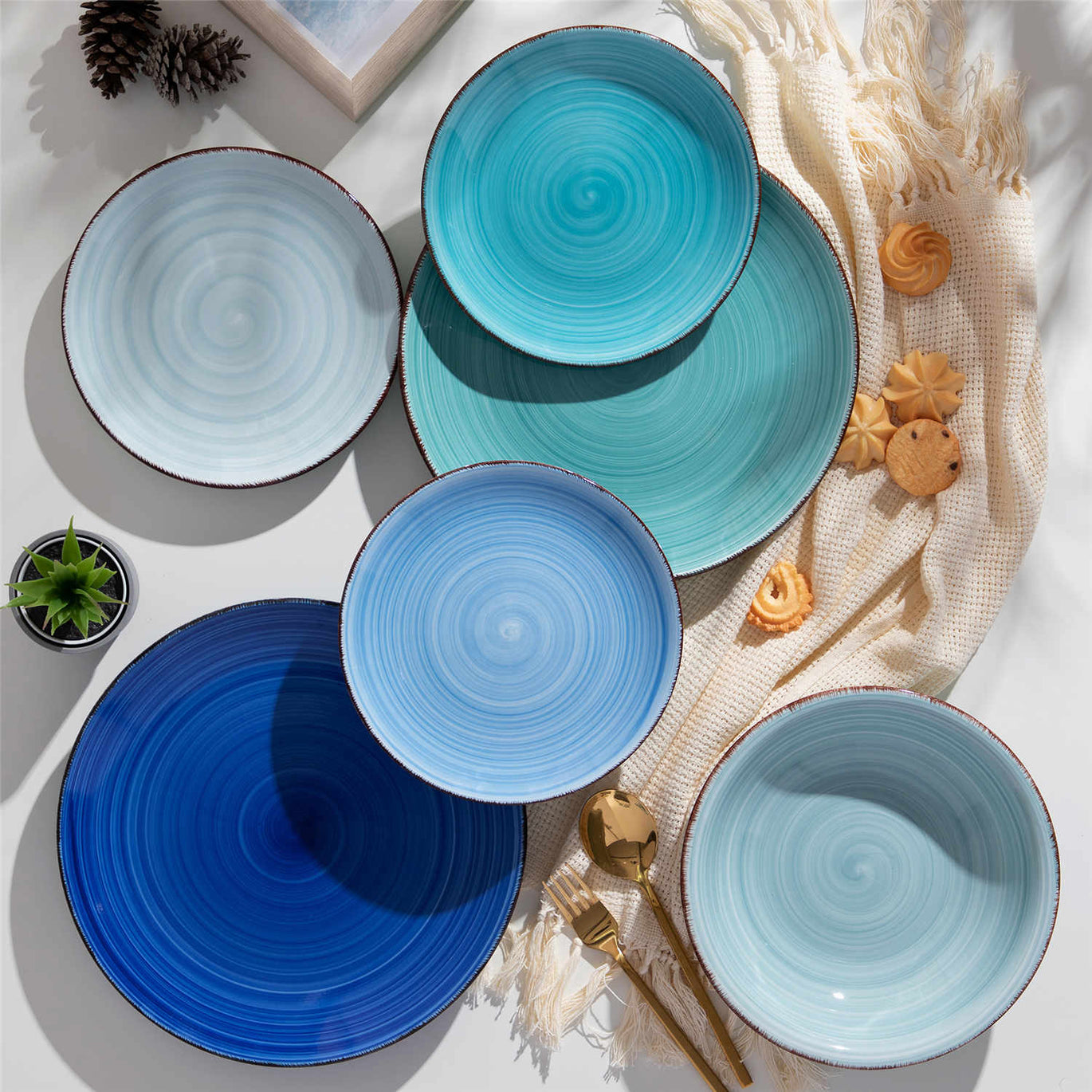


How to Remove Oil Stains and Fingerprints from Matte Finish Tableware
Matte finish tableware has gained popularity in contemporary kitchens—and rightly so. Its smooth, velvety feel and subtle sophistication immediately uplift both ordinary and special meals. From minimalist beige plates to bold black stoneware dinnerware sets, matte designs feel contemporary, artisanal, and effortlessly stylish.
But when you have matte stoneware dinnerware, you might have noticed something a little annoying: oil spots, fingerprints, or subtle metal marks that are more noticeable than on glossy dishes. This may make some owners worry that their stoneware dinnerware is faulty or difficult to clean. The truth is far more reassuring. These are natural features of matte glazes, not a defect, and with proper care, your contemporary stoneware dinnerware can look spotless for years.
This guide explains why matte stoneware behaves this way, how to clean it safely, and how to maintain its beautiful finish without harsh chemicals or damaging scrubs.
Why Does Matte Dinnerware Show Oil and Fingerprints?
Matte stoneware dinnerware is attractive because of its unique glaze. Unlike glossy finishes that reflect light smoothly, matte glazes have a microscopic texture that diffuses light. This creates the soft, powdery, high-end look seen in many contemporary stoneware dinnerware collections.
Because of this texture, oils from food, sauces, or even clean hands can temporarily rest on the surface. Fingerprints and oil marks do not mean the glaze is absorbing grease permanently; they simply change how light reflects in those areas. These marks are less visible on glossy stoneware plates because the surface is slick and reflective.
This effect is especially noticeable on darker colors, such as black stoneware dinnerware sets, where contrast makes smudges more obvious. The key takeaway is simple: this is a visual effect, not damage or poor quality.

Method 1: The Hot Soap Soak for Daily Cleaning
A basic hot soap soak is usually all your matte stoneware dinnerware needs for daily care. This method is gentle, effective, and ideal for regular use.
Fill your sink or a basin with warm (not boiling) water and add a few drops of mild dish soap. Place your stoneware dishes in the water and let them soak for 10–15 minutes. The warmth helps loosen surface oils trapped in the matte glaze.
After soaking, clean each piece with a soft sponge or cloth. Avoid abrasive scrubbers, which can wear down the matte finish over time. Rinse thoroughly and dry with a soft towel to prevent water spots.
Method 2: The Baking Soda and Vinegar Deep Clean
When oil stains or fingerprints linger, especially after rich or greasy meals, baking soda is a reliable solution. It is simple, affordable, and safe for matte stoneware dinnerware.
Mix baking soda with a small amount of water to form a paste with a toothpaste-like consistency. Apply the paste gently to the affected area using your fingers or a soft cloth. Let it sit for 5–10 minutes so the baking soda can lift oils from the matte texture.
Gently rub in small circles, then rinse with warm water. Dry thoroughly to restore an even matte appearance.
For stubborn marks, follow with a light rinse of diluted white vinegar to dissolve remaining residue. Avoid soaking stoneware plates in pure vinegar for extended periods, as acidity should be used sparingly. Acidic foods and drinks leach lead out of dishes much faster than non-acid foods.

How to Deal With Metal Marks
Another common concern with matte stoneware dinnerware is the appearance of gray or dark streaks, often called silver marks. These are not scratches in the glaze but metal transfers from cutlery, especially stainless steel utensils.
These marks are more noticeable on matte surfaces, particularly light-colored stoneware plates, but they are easy to remove.
Use a mild cleaner such as Bar Keepers Friend. Apply a small amount to a damp cloth and gently rub the marked area. Rinse thoroughly and dry. Always test first on the underside of the plate and avoid aggressive scrubbing.
Prevention and Maintenance Tips
Maintaining matte stoneware dinnerware does not require extra effort, only mindful habits. Rinsing plates soon after use is one of the most effective preventive steps, especially after oily or saucy meals.
Use mild detergents and soft sponges to preserve the glaze. While most stoneware dinnerware is dishwasher safe, occasional handwashing can help extend the life of the matte finish.
Avoid harsh chemicals such as bleach and do not use steel wool or abrasive pads, as these can permanently damage the glaze.

Embracing the Beauty of Matte Stoneware
Matte stoneware dinnerware is made for those who appreciate texture, depth, and a handcrafted feel. Subtle marks from everyday use are not flaws but part of the natural character of matte finishes.
Whether serving daily meals on neutral stoneware plates or styling a table with bold black stoneware dinnerware sets, proper care keeps your table looking intentional and refined.

FAQs
Q: Is Matte Stoneware a Permanent Oil Absorber?
A: No. Matte stoneware dinnerware does not absorb oil permanently. The marks are temporary and can be removed with proper cleaning.
Q: Is Baking Soda Safe for Stoneware Plates?
A: Yes. Baking soda is mildly abrasive and safe for matte glazes when used gently with water.
Q: Why Do Fingerprints Show More on Black Stoneware Dinnerware Sets?
A: Darker colors create higher contrast, making oils and fingerprints more visible on the surface.
Q: Can I Use Bleach to Clean Matte Stoneware Dinnerware?
A: No. Bleach and harsh chemicals can damage the matte glaze and should be avoided.
Q: Are Metal Marks a Defect?
A: No. Silver marks are normal metal transfers from cutlery and can be easily removed.
Q: Will Regular Use Change the Look of Matte Stoneware Dinnerware Over Time?
A: With proper care, the matte glaze remains intact, and slight tone variations are normal for matte stoneware.
You may also like
Stern 16 Piece Dinnerware Set
- $92.00
$105.00- $92.00
- Unit price
- per
-
Blue
-
Green
-
Red
-
Grey
Simi 24 Piece Dinnerware Set
- $100.00
$139.00- $100.00
- Unit price
- per
Bonita 18 Piece Dinnerware Set
- From $63.00
$78.00- From $63.00
- Unit price
- per
-
Blue
-
Multicolor
Simi 24 Piece Dinnerware Set with Double-Sided Bowls
- $106.00
$139.00- $106.00
- Unit price
- per