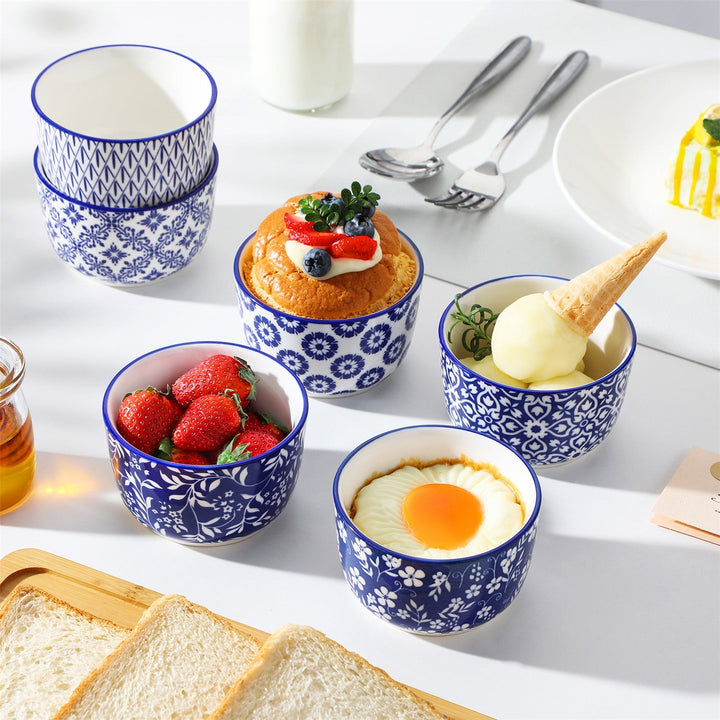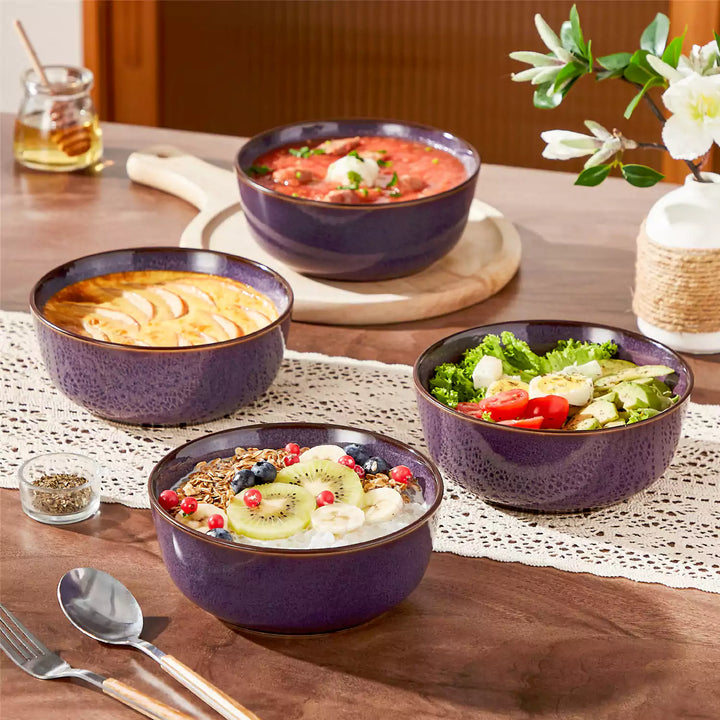


One of the most rewarding kitchen experiences is cooking with enameled cast iron. You can simmer a hearty stew in an enamel Dutch oven, bake bread in a sturdy Dutch oven pot, or serve a bubbling gratin in a beautiful casserole dish with a lid, but this cookware is unmatched in versatility and beauty. It is a culinary performance that fills the gap between rustic tradition and modern culinary performance, and it is a staple in kitchens worldwide.
Enameled cast iron is popular due to its durability, heat retention, and non-reactive surface. It does not need to be seasoned like raw cast iron and will not react with acidic foods such as tomatoes or wine. But to really know it, you have to know its personality. This cookware is a reward of patience, technique, and mindfulness. When properly used, it can be passed down through generations and become the centerpiece of your bakeware collection. When it is not taken care of, it may get damaged, which impacts its performance and appearance.
In this blog, we will discuss the key dos and don'ts to make you cook with enameled cast iron with confidence and beauty.
Why Should You Avoid High Heat With Enameled Iron?
The greatest myth about cast iron is that it requires high heat. As a matter of fact, enameled cast iron is a moderation. With its outstanding thermal inertia, or its capacity to absorb and retain heat, high heat is virtually never required.
When you turn up the fire, the heavy iron core warms gradually, but retains that energy with a vengeance. This may form hot spots that make food stick to the enamel surface stubbornly. Rather than getting a perfect sear, you might have burnt bits and residue that are stuck on.
The secret here is thermal inertia mastery. Warm your enamel dutch oven slowly on medium-low heat. Allow it some time to heat up. When it is heated, it will keep the same temperature beautifully even when you lower the flame further. This uniform heat is perfect for braises, soups, sauces, and baked foods.

Another serious error to avoid is dry-heating. Do not heat an empty enameled pot. The enamel coating may overheat without oil, butter, or food to absorb the energy. This can cause crazing—small cracks in the finish in the form of spider-webs. Although crazing does not have an immediate impact on performance, it undermines the aesthetic beauty and durability of your cookware. Never leave out a little oil or start with something in the pot before switching on the stove.
Low and slow is not merely a philosophy; it is the basis of success with enameled cast iron.
How to Choose the Right Utensils for Your Pot?
The glossy enamel surface is tough but not tough. The improper utensils may scratch, chip, or dull the inside with time.
Metal whisks, metal spatulas, forks, and steel ladles are strictly prohibited. Even small, repeated contact may lead to micro-damage, which ultimately leads to weakening of the enamel coating.
Rather, use silicone or acacia wood utensils. These are soft materials that are heat-resistant and will safeguard your investment. A silicone spatula is flexible and slides easily over the surface, lifting the sauces without abrasion. A wooden spoon offers robust stirring strength without danger.
Another significant don't: do not use aerosol non-stick sprays. Although they might appear convenient, these sprays have additives that leave a sticky, polymerized oil residue on the enamel surfaces. This residue accumulates over time, dulls the finish, and disrupts cooking performance. Instead, use a little high-quality oil, applied directly from the bottle.
When you match your dutch oven pot with the appropriate tools, you maintain its beauty and functionality over the years.

Is Enameled Cast Iron Usable on All Stovetops?
Enameled cast iron is versatile, which is one of its great benefits. The majority of the pieces, such as your casserole dish with lid or enamel Dutch oven, can be used on gas, electric, ceramic, and induction stovetops.
Nevertheless, there are significant considerations. Never drag your pot on glass or ceramic surfaces to prevent scratches. When inducing, make sure that the base is fully in contact with the heat to heat effectively.
Enameled cast iron really glows in the oven. It moves smoothly between stovetop and oven, which is why it is perfect for one-pot meals. Bread baking, short ribs braising, and chicken roasting are all advantageous due to the even distribution of heat and moisture that the heavy lid offers.
Always verify the temperature limits of the manufacturer, particularly the lid knobs. Certain knobs can only withstand heat to a certain degree and might need to be replaced in case you bake a lot above 200°C (400°F).
With care, your enameled cast iron can be one of the most versatile items in your kitchen.
What Are the Dangers of Roasting Meat in an Enamel Pot?
Yes, it is possible to sear meat in an enamel Dutch oven—but technique counts.
The primary hazard is overheating. Most cookers are trying to imitate the stainless steel searing technique by setting the burner to its maximum. As mentioned above, this may lead to sticking, scorching, and enamel stress.
Rather, preheat on medium-low heat, add oil, and then add the meat. Let the oil glitter. Place the meat in and resist the urge to move it immediately. It will naturally peel off the surface when it is properly seared.
This brings us to a cooking secret: deglazing technique.
Once seared, you will find browned bits attached to the bottom. These are referred to as fond-flavor treasures. Instead of washing them off, pour room-temperature liquid (broth or wine) into the hot pot. The liquid softens the food without shocking the enamel. Do not pour cold liquid into a screaming-hot pot, because extreme temperature variations may put stress on the coating.
Deglazing is not merely a cleaning process—it is the basis of rich sauces and highly flavored braises. Learn this trick, and your Dutch oven pot will be a masterpiece.

What Are the Best Cooking Oils to Use on Enamel Surfaces?
The correct oil will improve performance and preserve your cookware.
Use oils with moderate to high smoke points, including avocado oil, grapeseed oil, or light olive oil. These offer stable cooking surfaces without too much smoking.
It can also be done with butter and extra virgin olive oil, particularly when sauteing at medium temperatures. The trick is the temperature control. Since enameled cast iron is such a good heat retainer, oils will be heated in a short time.
Do not allow the oil to smoke too much. Oil that is burned may leave residue that is hard to remove and may dull the enamel finish with time.
Remember, less is more. When heat control is exercised, a thin coating of oil is normally adequate to prevent sticking.
Best Practices to Master the Cooking of Enameled Cast Iron
Mastery comes from combining technique with respect for the material.
Warm up slowly and carefully. Always add oil or ingredients prior to heating. Do not plunge a hot pot into cold water—avoid sudden changes of temperature. Allow to cool and then wash.
Warm water, mild soap, and a soft sponge should be used when cleaning. In case of hard stains, simmer water with a small amount of baking soda to loosen the stain.
Place your casserole dish with lid slightly open to allow air to pass through. When putting pieces in a bakeware set, put a soft cloth or paper towel between them to avoid chipping.
Through regular maintenance, your enamel Dutch oven is not just a piece of cookware, but a reliable cooking friend.
FAQs
Q: Is It Possible to Place My Enamel Dutch Oven in the Dishwasher?
A: Some manufacturers claim that it is technically safe, but handwashing is highly advised to maintain the finish.
Q: Is Enamel Non-Stick?
A: It is not non-stick like coated pans, but with correct heat management and use of oil, sticking is minimal.
Q: What Is Crazing?
A: Crazing is the fine cracks in the enamel in the form of spider-webs due to overheating or dry-heating. To avoid this, do not heat an empty pot.
Q: Is It Safe for Acidic Foods?
A: Yes. Enamel does not react with acidic ingredients as raw cast iron does.
Conclusion
Enameled cast iron cooking is a craft of patience and accuracy. Use medium-low heat, shield the enamel with silicone or acacia wood utensils, and release deep flavors by deglazing. To maintain its beauty, avoid dry-heating, contact with metals, and aerosol sprays.