



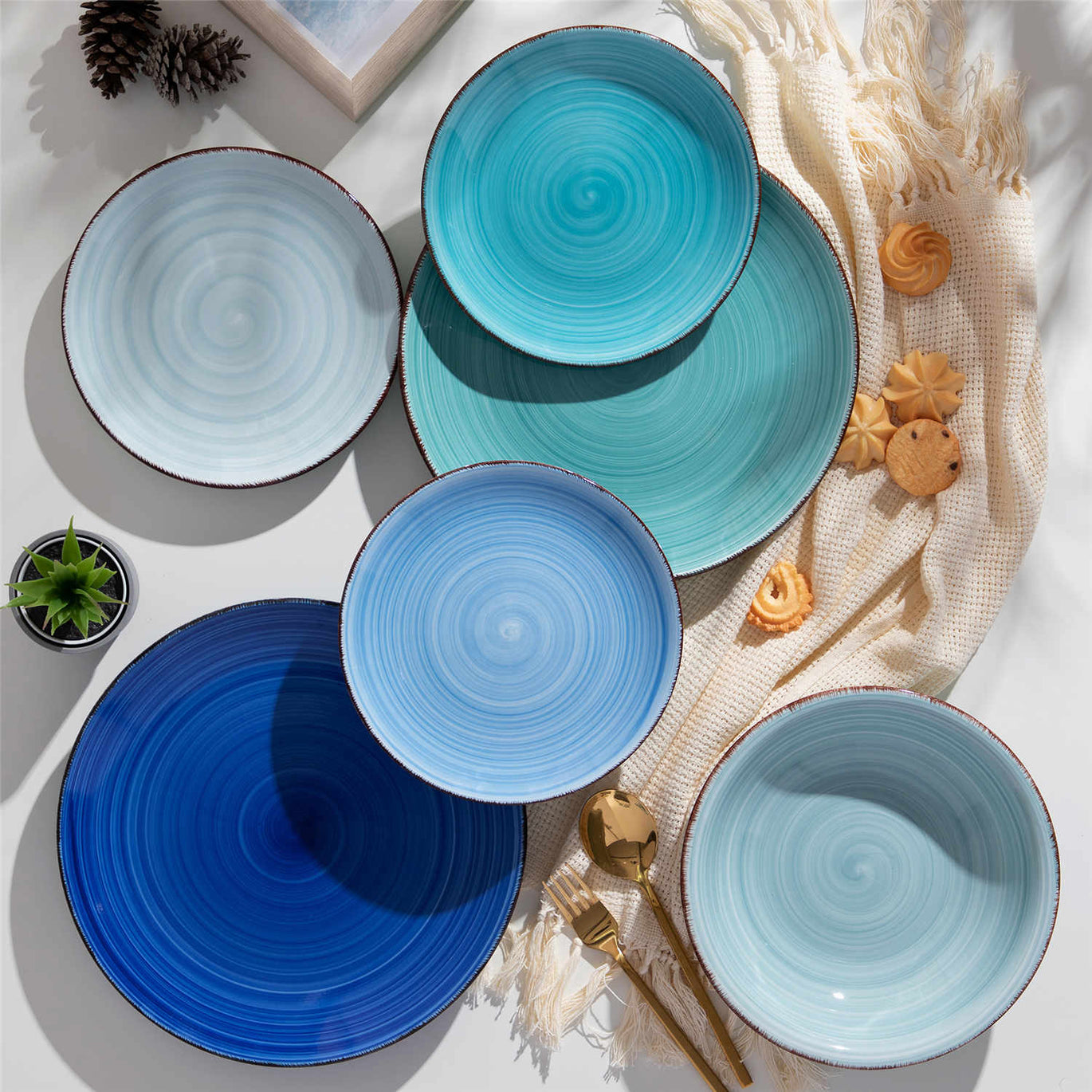


How to Deal with Mold on Dinnerware
Dinnerware mold is not only aesthetically displeasing but also very dangerous to health unless it is dealt with appropriately. Mold can easily grow in warm and damp environments, whether it is a forgotten set of plates in the back of a cupboard or damp bowls left stacked after washing. Learning how to handle mold on dinnerware sets, such as ceramic, stoneware, and porcelain, is a key to keeping your kitchen hygienic and safe.
Here, we will discuss the process of recognizing mold, cleaning it, preventing its recurrence, preserving your non-toxic dinnerware, and increasing its life.
Knowing Mold and Its Dangers on Dinnerware
Mold is a form of fungus that grows in damp conditions. Mold spores may develop when dinnerware sets are not dried properly, or when humidity is trapped in kitchen cabinets. These spores may be in the form of fuzzy patches in black, green, white, or even orange color.
Exposure to molds may lead to allergic reactions, respiratory complications, and stomach problems when it is present in food or on food contact surfaces. Although the mold may appear small, it is necessary to deal with it as soon as possible. Some types of dinnerware materials, particularly unglazed ceramic or stoneware, have porous surfaces that can be difficult to remove mold from.
Washing and drying your dinnerware not only keeps it beautiful but also keeps your family healthy. This is especially necessary when you often use microwave and dishwasher safe dinnerware because any moisture left after washing may provide a place where mold can grow in dishwashers or on drying racks.

Detecting Mold on Your Plates, Bowls, and Utensils
Early detection of mold simplifies the cleaning process. Mold often appears as:
- Discoloration: Black, green, or gray spots that increase with time.
- Smell: When you open cabinets or drawers, there is a musty or damp smell.
- Texture: Soft, fuzzy surface, or occasionally a greasy coating on the dinnerware plates.
- Location: Mold is likely to develop on the bottom of stacked dishes, in small cracks, or on unglazed edges.
Mold is different in different materials. Dinnerware sets made of porcelain are generally more resistant to mold because of the smooth, non-porous glaze. Nevertheless, stoneware and ceramic dinnerware may absorb moisture via microscopic pores, and thus are more susceptible to mold unless completely dried. Even utensils, particularly those with wooden handles or joints, may develop mold unless they are stored properly.
Safe Mold Removal on Various Dinnerware Materials
All kinds of dinnerware materials have a certain cleaning method that should be used to remove the mold without damaging the surface.
Ceramic Dinnerware
Warm water and mild dish soap can be used on ceramic plates. Nevertheless, do not apply bleach directly, which can interfere with the glaze or design. Rather, a natural cleaning solution is a combination of vinegar and baking soda. This assists in eliminating mold and leaving your dinnerware non-toxic.
Stoneware
By the way, is stoneware dishwasher safe? - Most contemporary stoneware dinnerware sets are, but only when marked as such. To remove molds, it is safer to wash stoneware by hand with warm water and white vinegar. Do not leave stoneware too long in water, because it may get wet and allow more mold to grow in the future.

Porcelain Dinnerware
Porcelain is smooth and easy to clean. Mold tends to remain on the surface, and thus it should be removed by scrubbing with mild dish soap or diluted vinegar. Do not use harsh scrubbers that may flatten the glaze.
Utensils (Metal, Wood, or Plastic)
In the case of metal utensils, rinse in hot, soapy water and dry thoroughly. Utensils with wooden handles must be wiped with vinegar and dried in the sun because too much soaking may lead to warping and reappearance of molds.
You can make sure that your non-toxic dinnerware is safe to use for food by cleaning it with natural cleaners such as vinegar or lemon juice.
Step-by-Step Cleaning Guide for Moldy Dinnerware
Here is a simple but effective way to get the mold out of your dinnerware plates and bowls:
1. Wear Gloves and a Mask
Mold spores may be irritating. Wear protective equipment prior to cleaning.
2. Rinse Thoroughly
Wash all utensils with warm running water to loosen surface mold.
3. Prepare a Cleaning Solution
Combine one part water and one part vinegar. To remove tough areas, sprinkle a teaspoon of baking soda to form a mild scrub.
4. Soak (If Safe)
Wet porcelain or completely glazed ceramic dishes in the vinegar solution for 15-20 minutes. Do not soak porous materials such as unglazed stoneware.
5. Scrub and Rinse Again
Wipe with a soft sponge or brush. Wash with hot water to get rid of all the residue.

6. Disinfect
You can also apply a few drops of hydrogen peroxide on mold-prone areas, optionally to provide additional disinfection.
7. Dry Thoroughly
Wipe your dishes with a clean towel or dry them thoroughly. Never stack wet plates.
8. Sanitize Storage Areas
Wipe down clean cabinets and dish racks using the same vinegar solution to remove any remaining spores.
This is a step-by-step process that will make sure that your dinnerware is totally mold-free and can be used again.
How to Dispose of Moldy Dinnerware
Dinnerware is not always salvageable once it has been molded. Discarding should be considered here:
- Odor Persistence: When the odor of mold persists despite extensive cleaning.
- Observable Cracks or Pores: Mold may establish itself in the crevices of damaged or unglazed spots.
- Discoloration: Deep molds are indicated by permanent stains on the surface of ceramic and stoneware.
- Health Concerns: In case any of your family members are allergic or have asthma, it is better to change the sets of dinnerware.
High-quality microwave and dishwasher-safe dinnerware is a better investment because it will minimize future risks, since it is easier to clean and dry.
Preventing Mold Growth on Dinnerware
Preventing the formation of mold is the most effective way to deal with it. The following are some of the habits that will ensure that your kitchen is free of mold:
- Always Dry Completely: Do not keep dishes damp. Let them dry completely and then stack.
- Proper Air Circulation: Open cabinet doors every now and then to allow moisture to escape.
- Use Moisture Absorbers: Put silica gel packets or charcoal bags in cupboards to maintain low humidity.
- Clean Storage Areas on a Regular Basis: Clean vinegar on wipe cabinets and dish racks every few weeks.
- Apply Mold-Resistant Materials: Use less porous porcelain dinnerware sets or fully glazed stoneware dinnerware.
- Natural Mold Prevention Alternatives: Rather than chemical sprays, natural alternatives such as:
- Routine wiping with white vinegar spray.
- Making a baking soda paste to scrub mildly.
- Lemon juice for deodorizing.
- Drying dishes in the sun to disinfect them naturally.
These are natural solutions that are safe in non-toxic dinnerware, and your dishes are kept fresh and hygienic without any harmful residues.

Conclusion
Dinnerware mold can be alarming, yet it can be controlled with proper cleaning and preventive measures. Knowing your dinnerware materials, such as ceramic, stoneware, or porcelain dinnerware sets, will assist you in selecting the safest and most effective cleaning technique. Ensure that it is dry, well-ventilated, and maintained to avoid the reccurrence of mold. These few steps will help you to save your dinnerware sets and ensure that all meals are served safely and beautifully.
FAQs
Q1: Is it Possible to Use Bleach to Get Rid of the Mold on My Dinnerware?
A: Bleach should be avoided, particularly on ceramic and stoneware, which can be damaged by bleach. Natural alternatives are safer with vinegar or hydrogen peroxide.
Q2: What Can I Do to Avoid Mold When I Live in a Humid Climate?
A: Install a dehumidifier in your kitchen, leave cabinets ajar to allow air to circulate, and wipe your dinnerware plates completely before putting them away.
Q3: Is Stoneware Safe in a Dishwasher?
A: Yes, the majority of contemporary stoneware dinnerware is dishwasher safe, but never ignore the label on the manufacturer to prevent breaking the glaze.
Q4: What is the Difference Between Ceramic and Stoneware in Terms of Mold?
A: Ceramic tends to be more porous and easily molded when unglazed, whereas stoneware is denser and tends to be glazed, making it more resistant to moisture.
Q5: How Frequently Do I Clean My Cabinets to Avoid Mold?
A: Wipe your storage spaces at least once a month with a vinegar solution to prevent the settlement of mold spores around your dinnerware sets.
You may also like
Stern 16 Piece Dinnerware Set
- $92.00
$105.00- $92.00
- Unit price
- per
-
Blue
-
Green
-
Red
-
Grey
Simi 24 Piece Dinnerware Set
- $100.00
$139.00- $100.00
- Unit price
- per
Bonita 18 Piece Dinnerware Set
- From $63.00
$78.00- From $63.00
- Unit price
- per
-
Blue
-
Multicolor
Simi 24 Piece Dinnerware Set with Double-Sided Bowls
- $106.00
$139.00- $106.00
- Unit price
- per