



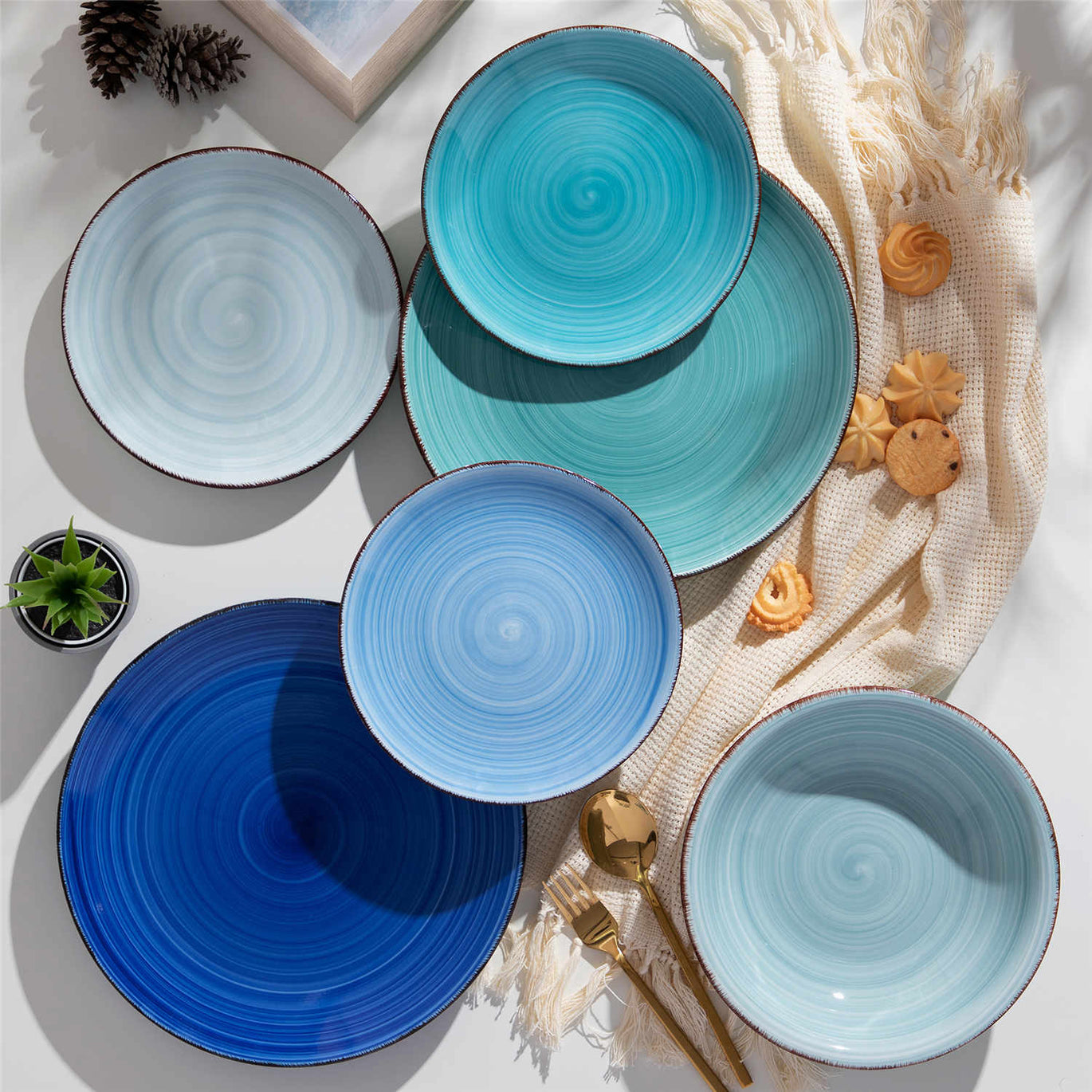


Stoneware vs. Opalware: Which is Best for Your Household
The selection of the appropriate dinnerware is not just about plates and bowls, but it is also about the way you eat every day. It could be a silent breakfast, a warm family dinner, or a fancy party with friends; the type of dinnerware you use determines the mood of your table. Nowadays, a lot of families are comparing stoneware and opalware, two trendy products that can be used in very different lifestyles.
Both materials possess their own advantages. Opalware is commonly linked to lightweight functionality and consistency, whereas stoneware is associated with coziness, tactile sensation, and craftsmanship. When you are at the stage of consideration, it may seem daunting to choose between these best dinnerware sets.
This guide is your own tableware consultant. It will not only help you see the technical differences, but also the emotional and lifestyle differences of each option, and why stoneware dinnerware sets, such as those of vancasso, are appealing to people who consider dining an experience, not a routine.
Stoneware vs. Opalware: The Major Differences Explained
Stoneware and opalware might appear to be synonymous at first sight. They are both widely used in the contemporary household, and both are generally microwave-safe dinnerware. But their distinctions are evident as soon as you feel them, eat on them, and sleep with them day after day.
Stoneware is characterized by its natural look, deep colors, and a bit heavier weight. Every piece tends to have slight variations, which provide your table with a layered, expressive appearance. Opalware, however, is crafted of tempered glass and has a smooth, translucent, and almost clinical finish. It is light, homogeneous, and is mainly efficiency-oriented.
The actual difference is in intent. Opalware is appropriate in busy, utilitarian settings-canteens, hostels, or no-frills homes. Stoneware is used in homes where meals are planned, where appearance counts, and where the table is a place to relax and bond.

What Is Stoneware?
Stoneware is a form of ceramic that is fired at high temperatures, which makes it a dense and durable material that can be used on a daily basis. The visual depth and tactile appeal of stoneware dishes are what make them really special. Each plate or bowl is given a unique color variation and texture through reactive glazes that cannot be reproduced in large quantities.
This aesthetic advantage is the key to the growing popularity of stoneware dinnerware sets in design-conscious households. There are no two pieces that are exactly the same, and this gives your table an artisanal, handcrafted appearance, even when the set is manufactured with precision.
In addition to appearance, stoneware possesses good thermal mass. Its density enables it to hold heat longer, keeping meals warm as you eat. This adds to the slow-dining experience, particularly during long family dinners or intimate gatherings. Stoneware is also very versatile—most of them can be used in oven to table, and thus they can be used in baked pasta, roasted vegetables, or warm desserts.
To families who consider eating as a way of life and not a chore, stoneware provides warmth, presence, and character.

What Is Opalware?
Opalware is tempered glass, which is intended to be lightweight, non-porous, and very uniform. It has a clean and minimal appearance, which is often linked to an institutional or utilitarian environment due to its smooth, white, or translucent appearance.
Convenience is one of the key benefits of opalware. It is convenient to manage, it can be stacked, and it is suitable in homes where speed and simplicity are valued. Most opalware dinnerware collections are also microwaveable and do not chip during normal use, which makes them convenient to use in daily meals.
Nevertheless, opalware does not have the expressiveness of stoneware. It is lightweight and can be almost plastic to some users, and it does not retain heat as well. Food is served at a lower temperature, and the experience is more practical than experiential.
Opalware is not “bad”; it just has another purpose. It is most appropriate in houses where functionality is more important than style.
How to Choose the Right Dinnerware Set for Your Specific Dining Habits
The finest dinnerware is not universal, but it all depends on the way you eat. If your household meals are quick, routine, and focused on practicality, opalware may meet your needs. Its lightweight and standardized design is simple to handle, particularly in crowded kitchens.
But when you like to set the table, entertain, or transform ordinary meals into experiences, stoneware dinnerware sets are more rewarding. The quality of stoneware is heavy, and it gives the impression of permanence and purpose. A large plate is gratifying, stable, and comforting, which are minor psychological signals that make even the most basic food seem elevated.
Stoneware is also versatile. It flows between the kitchen and dining area, whether it is reheating leftovers or serving oven-baked meals at the table. This renders it one of the most suitable dinnerware collections in contemporary homes that appreciate both aesthetics and utility.
The decision between stoneware and opalware is the decision between utility and expression, between eating and dining.

Essential Maintenance Tips for Keeping Your Dinnerware Looking Brand New
No matter what you are using, with proper care, your dinnerware sets will be beautiful over the years.
In the case of stoneware, pieces should be left to cool slowly after heating to prevent thermal shock. Most stoneware dishes are microwave safe, but sudden temperature changes are to be avoided. Wash with soft detergents, and do not use harsh scrubbers to maintain the reactive glaze finish. Careful stacking also prevents wear on the surface with time.
Opalware is not porous and is usually easy to maintain. Light washing and careful handling are normally adequate. It is lightweight but must be carefully stored to avoid edge damage.
Both materials can be kept in their looks with the proper care routine, but stoneware will reward that care with a more lasting sense of permanence and personality as it wears.
Conclusion: The Best Choice for Your Household
In the case of stoneware vs. opalware, it all depends on the way you want your home to feel. Opalware promotes productivity and ease, making it easy to integrate into busy schedules. Stoneware, though, makes ordinary eating a sensory experience, full of texture, warmth, and visual richness.
To families who appreciate ambiance, appearance, and the luxury of leisurely, deliberate meals, stoneware dinnerware collections are more than mere tableware. They become a part of your home’s identity. This philosophy is reflected in vancasso, which provides dinnerware that is both durable and artistic and is ideal for those who view the table as a place of connection.

FAQs
Q: Are Stoneware Dinnerware Sets Microwave Safe?
A: Most high-quality stoneware is microwave safe, making it suitable for reheating meals. Always follow manufacturer guidelines.
Q: Is Stoneware Heavier Than Opalware?
A: Yes, stoneware is denser and heavier, which contributes to its premium feel and heat retention.
Q: Does Opalware Break Easily?
A: Opalware is tempered and durable for everyday use, but its lightweight nature means it should still be handled with care.
Q: Can Stoneware Go From Oven to Table?
A: Many stoneware pieces are designed for oven-to-table use, making them highly versatile for home cooks.
You may also like
Stern 16 Piece Dinnerware Set
- $88.00
$100.00- $88.00
- Unit price
- per
-
Blue
-
Green
-
Red
-
Grey
Simi 24 Piece Dinnerware Set
- $100.00
$139.00- $100.00
- Unit price
- per
Bonita 18 Piece Dinnerware Set
- From $63.00
$78.00- From $63.00
- Unit price
- per
-
Blue
-
Multicolor
Simi 24 Piece Dinnerware Set with Double-Sided Bowls
- $106.00
$139.00- $106.00
- Unit price
- per