



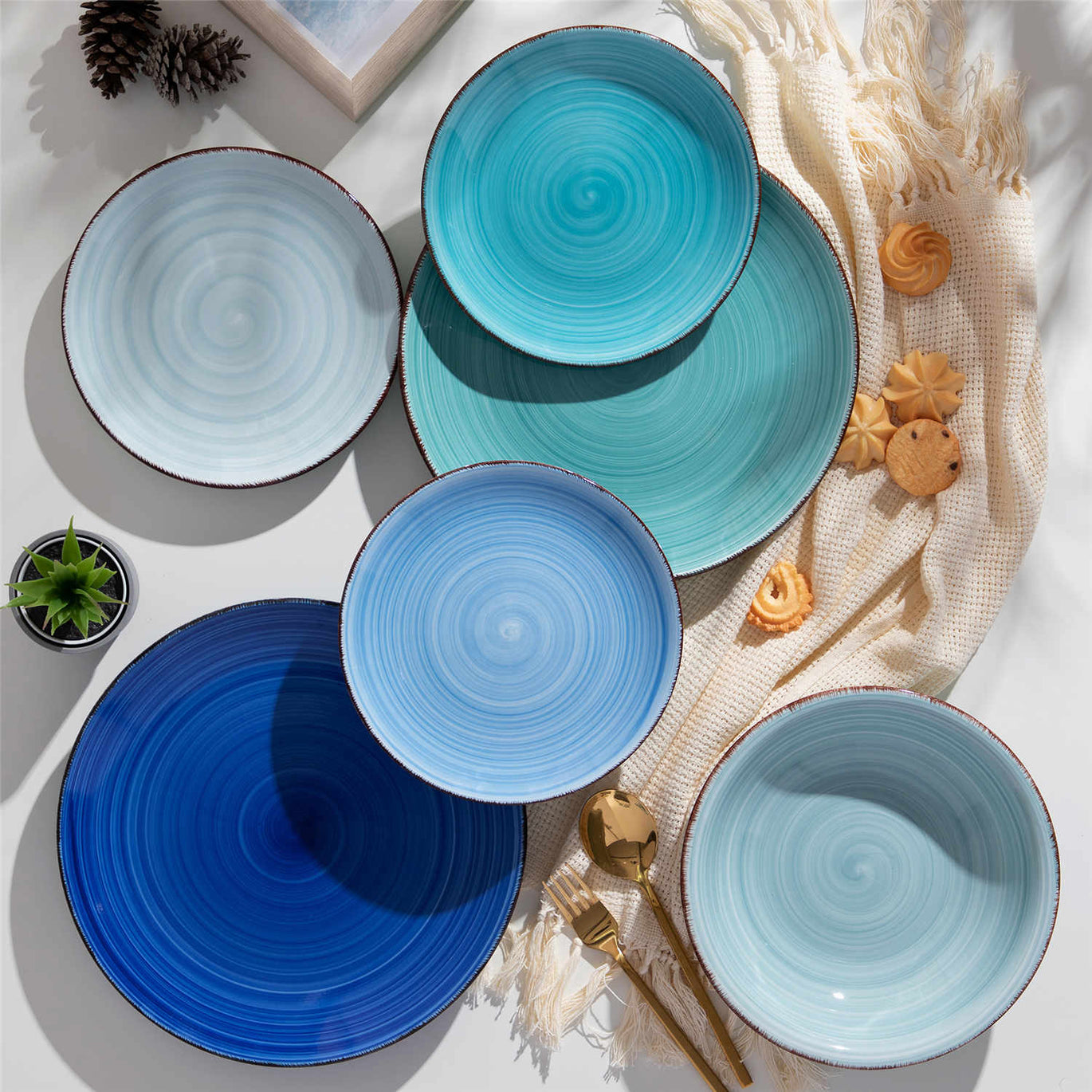


Why Sharp Edges Should Be Avoided in Children’s Ceramic Dining Ware

Ceramic plates and tiny hands are a beautiful pairing when it is done thoughtfully. A little stoneware bowl cradling oatmeal, a rainbow-rimmed plate framing cut fruit, a mug just the right size for warm milk: these are the quiet stars of family rituals. As a Colorful Tabletop Creative and Pragmatic Joy Curator, I love seeing kids eat from “real” dishes instead of disposable-looking plastic. But there is one non‑negotiable design rule for children’s ceramic dining ware: no sharp edges.
Edge shape sounds like a small detail, yet it sits right at the intersection of safety, sensory comfort, and non‑toxic living. Research on kids’ dinnerware and ceramic safety keeps coming back to the same themes: fragile crockery can break into sharp pieces, chipped glazes can raise questions about heavy metals, and young children need smooth, rounded edges that respect their developing motor skills. When we zoom in on the rim of a plate, we quickly see why.
In this article, we will look at why sharp edges are problematic on children’s ceramic dishes, how they intersect with chemical and injury risks, and what to look for instead. Along the way, I will weave in guidance from ceramic safety experts, non‑toxic tableware brands, and sensory‑friendly design research, translating it into practical, playful steps for your own table.
Ceramic and Kids: The Allure of “Real” Dishes
Many parents are now stepping away from plastic. Investigations by companies like Anzhu and LittleKind point out that conventional kids’ plates and bowls can contain chemicals such as BPA, BPS, phthalates, melamine, and even heavy metals, especially in bright glazes or composite materials. These substances are associated with endocrine disruption, developmental issues, and long‑term health concerns when they leach into food under heat, scratches, or heavy use.
Against that backdrop, ceramic looks wonderfully sane. Emerson Creek Pottery, for example, reminds families that humans have eaten from ceramics for tens of thousands of years. They describe their lead‑free, non‑toxic, US‑made dishes as a way to serve “tradition and good sense,” and they argue that children deserve “real goods” instead of cheap, noisy plastics. Other guides to kids’ porcelain and stoneware emphasize that well‑made ceramic is hard, non‑porous when properly glazed, and often microwave and dishwasher safe.
There is a catch, though. Every ceramic expert also mentions fragility. Homey Ceramic and Get Fresh Bamboo both stress that ceramic and glass can break into sharp fragments and that very young children should not use them unsupervised. That is where the shape and condition of the edge become critical. If we want kids to enjoy the emotional benefits of eating from real dishes without turning mealtime into a hazard, we have to tame the rim.

What Actually Counts as a Sharp Edge?
On children’s ceramic tableware, “sharp” shows up in three main ways. Understanding each one makes it much easier to edit your cupboards and shop wisely.
First, there is intentional design sharpness. Some plates and bowls are molded with angular rims, crisp corners on square designs, or decorative ridges that meet in hard points. Adult dinnerware can sometimes get away with that; kids’ dishes cannot. Homey Ceramic’s guidance for children explicitly recommends smooth, rounded edges and food‑safe glazes, precisely because small mouths and fingers interact so closely with the rim.
Second, there is damage‑driven sharpness. When ceramic chips, cracks, or develops deep scratches, those damaged spots often turn into tiny blades. Get Fresh Bamboo cautions that fragile crockery can break into sharp pieces and pose a serious injury risk, especially for young children learning to eat. Homey Ceramic adds that ceramic pieces with visible scratches should be discarded for safety. The message is consistent: once an edge is compromised, it does not belong at the kids’ place setting.
Third, there is full breakage and shattering. Guides covering porcelain, ceramic, and glass for kids repeatedly point out that these materials can create dangerous sharp fragments when they hit the floor. Ceramic safety manuals from art schools, such as South Texas College’s “Safety Rules for Ceramics,” focus mainly on studio hazards, but they reinforce the idea that cracks, chips, and glaze defects can be problematic, and that broken ceramic edges should be treated with respect.
When you put these three scenarios together, a pattern emerges. Sharp edges are not just an aesthetic quirk. They are an early warning that a ceramic piece is either poorly suited to children or has moved past its safe lifespan.

How Sharp Edges Turn Mealtime into a Safety Problem
Cuts, Scratches, and Startled Kids
Think about how a toddler actually uses a plate. They grip the rim to pull it closer. They drag a spoon along the edge to scoop up yogurt. They explore the surface with curious fingers and sometimes teeth. In that world, a rim that feels even slightly sharp to an adult can feel harsh or even painful to a child.
Kid‑tableware guides that prioritize safety and ergonomics continually suggest smooth, rounded rims for exactly this reason. Homey Ceramic describes shape, weight, and edge profile as core parts of “safety and convenience” and advises choosing child‑sized dishes with rounded edges and comfortable grips. Sensory‑focused ceramic discussions, such as the Malacasa piece on autistic children, add that gently rounded edges and satin‑matte glazes feel better against the skin and reduce sound triggers like harsh utensil scraping.
From a practical standpoint, a sharp edge also increases the chances of minor cuts and scratches when little hands slip. Even if the injury is small, the combination of surprise, blood, and broken trust can make a child wary of their “big kid plate” for a long time. Mealtime confidence is fragile; edge softness helps protect it.
Breakage, Shards, and High‑Stress Cleanups
No matter how careful you are, dishes get dropped. Get Fresh Bamboo bluntly calls out that porcelain, ceramics, and glass can break into sharp pieces and pose serious injury risk, particularly for young children who are still mastering self‑feeding. Homey Ceramic agrees that even high‑quality ceramic can shatter and suggests that toddlers should not use it unsupervised.
Sharp edges amplify that risk in two ways. First, angular rims and thin, pointed sections are more prone to chipping or cracking when knocked against a table or sink. Second, once a chip appears, impact forces tend to travel through that weak point, making full breakage more likely later. When a plate with already sharp sections finally hits the floor, the fragments are often even more jagged.
In real family life, those moments are chaotic. You are trying to keep bare feet away from the blast radius, calm a crying child, and sweep up tiny shards that hide in grout lines. Choosing ceramics with softly rounded, slightly thicker rims does not make them unbreakable, but it helps them fail more gracefully and less often. That is a powerful win in a busy kitchen.
Chipped Edges and the Non‑Toxic Puzzle
Many parents switch to ceramic specifically to avoid chemical exposures from plastic, melamine, or questionable coatings. Brands like Anzhu, EcoCubs, LittleKind, and Wellthya all stress that non‑toxic kids’ dinnerware should be free from BPA, phthalates, melamine, PFAS‑based non‑stick coatings, lead, and cadmium. Yet edge damage can undermine that effort.
Investigations summarized by Mamavation and similar advocates advise families to be cautious with older or brightly colored ceramics, especially vivid reds, oranges, and yellows that may historically have used cadmium‑based pigments. They recommend replacing frequently used ceramic dinnerware periodically and retiring chipped or cracked pieces instead of keeping them in rotation. The concern is simple: if a glaze ever contained heavy metals, damaged spots are where leaching is most likely.
LittleKind’s deep dive into toxic baby dinnerware reinforces this by listing painted ceramics and glazes as potential sources of lead and cadmium, with both categorized among carcinogens, neurotoxins, and heavy metals of concern. Even when a brand uses modern lead‑free and cadmium‑free formulations, cracked or rough edges are harder to clean, more likely to harbor bacteria, and simply do not belong in a “non‑toxic, kids‑safe” category.
So when you spot a plate with a rough, irregular rim, you are not just looking at a cosmetic flaw. You are looking at a point where your carefully curated material safety might be compromised.

Design Details That Make Ceramic Truly Kid‑Friendly
Rounded Rims and Soft Silhouettes
Multiple guides to children’s porcelain and stoneware explicitly recommend smooth, rounded edges. Homey Ceramic frames rounded rims as part of basic safety, right alongside lead‑free glazes and food‑safe labels. Sensory‑oriented commentary from Malacasa highlights how gently rounded edges feel better in the hand and at the lips, particularly for kids who are sensitive to texture.
In practice, a rounded edge means there is a visible curve where the flat eating surface transitions to the side wall, and then another gentle curve into the outside of the plate. There should be no knife‑like ridge you can feel if you run a fingertip lightly along the rim. On bowls and mugs, handles should merge smoothly into the body instead of ending in sharp points where a child’s hand or cheek might press.
These curves do more than protect skin. They also guide food back onto utensils more easily. Occupational therapists quoted in kid‑tableware guides often note that high, softly curved rims give children a surface to push against, which reduces spills and frustration. Soft shapes are both safer and more functional.
Stable Bases and Clever Non‑Slip Helpers
Weight and stability are another big part of the sharp‑edge story. The Malacasa article on sensory‑friendly ceramic tableware points out that ceramic’s natural weight helps keep plates from sliding, which supports self‑feeding and reduces the need to chase the dish around the table. That built‑in stability lets you avoid some of the exaggerated flared edges or heavy ridges that designers sometimes add purely to prevent tipping.
Several child‑focused ceramic products borrow stability features from silicone without sacrificing a ceramic eating surface. Childish Plates, for example, pairs a ceramic plate with a removable silicone component that works as either a grippy base or a lid. As a base, the silicone helps little hands grasp the plate, prevents it from sliding, and adds a bit of shock absorption. When you flip it over, the same piece becomes a lid for leftovers.
Sensory‑friendly recommendations from Malacasa also suggest pairing ceramic plates with thin silicone or cork placemats or anti‑slip pads. This lets you keep the eating surface ceramic and smooth while using a quiet, grippy layer underneath. The net effect is a plate that sits where you put it, without needing aggressive, angular design features that would create new sharp edges.
Right Size and Weight for Little Hands
Even the softest edge becomes risky if the dish is simply too big and heavy. Homey Ceramic’s guide emphasizes matching size, weight, and ergonomics to the child’s age and motor skills. For toddlers and preschoolers, that usually means smaller, lighter plates and bowls with easy‑grip handles or rims. Older children can graduate to heavier stoneware that feels more like adult dishes.
In practical terms, a kid‑friendly ceramic plate should be light enough that a child can lift it with two hands without straining or tipping forward and small enough that it does not hang far over the edge of a high‑chair tray. Choosing right‑sized pieces reduces the chance of accidental drops, which in turn reduces the chance of sharp shattering and chipped rims.
How to Audit Your Child’s Ceramic Collection
When I refresh a family’s tableware, I like to treat the cupboards as a mini design lab. You can do the same in an afternoon, moving through a simple progression that keeps both chemistry and edge shape in mind.
Start with a safety color and age check. Pull out any older ceramic pieces, thrift‑store finds, or bright, heavily painted children’s plates whose origins you do not fully trust. Guidance from Healthier Homes and LittleKind, along with investigations summarized by Mamavation, all converge on the same point: vintage or unknown ceramics, especially in intense red, orange, and yellow glazes, are more likely to have used lead or cadmium historically. If you cannot confirm that a plate is food‑safe, lead‑free, and cadmium‑free from a reputable manufacturer, consider using it only decoratively or as a plant saucer rather than as a child’s dinner plate.
Next, do an edge and surface inspection. In good natural light, run your fingers slowly along the rims and handles of each piece. You are looking for small chips that catch the nail, hairline cracks that radiate from the edge, or deep scratches in the glaze. Get Fresh Bamboo and Homey Ceramic both recommend discarding ceramic pieces once scratches or significant damage appear, because fragile crockery can break into sharp pieces and those damaged areas concentrate stress. If a rim feels rough or uneven anywhere, retire that dish from child use.
After that, look at the overall shape and how your child uses it. Set each plate on the table and give it a gentle nudge. If it skates across the surface with the slightest push, it may need a non‑slip helper like a silicone or cork mat underneath, as suggested in the Malacasa sensory guide. Watch your child with the plate during a meal. Note how they grip the rim, where their fingers rest, and whether any ridges seem to annoy them. Their behavior often shows you where the design is working against them.
Finally, decide what gets promoted, repurposed, or replaced. Plates that are lead‑free, cadmium‑free, comfortably rounded, and in good condition can stay in daily rotation. Suspicious or damaged pieces can move to adult‑only use, decorative duty, or the “goodbye” box. If you plan to keep any borderline pieces, reserve them for dry foods at adult gatherings and not for hot, saucy meals with kids, echoing the precautionary advice from non‑toxic dinnerware guides.
Ceramic vs Other Materials: Where Edges Fit into the Bigger Picture
Edges are one design detail within a broader landscape of material choices. Research on non‑toxic kids’ dinnerware compares ceramic with stainless steel, bamboo and plant‑based fiber, silicone, tempered glass, melamine‑based composites, and conventional plastics. Here is a high‑level comparison focused on the interplay between edges, safety, and daily usability.
Material or design |
Big wins for families |
Edge and safety watch‑outs |
Lead‑free ceramic with rounded edges |
Time‑tested, non‑plastic, grown‑up feel; can be microwave and dishwasher safe; weight helps stability; when glazes are properly formulated and tested, can be non‑toxic and durable. Emerson Creek Pottery and other makers emphasize lead‑free, cadmium‑free clay and glazes for babies and children. |
Fragile if dropped; broken pieces can be sharp, as noted by Get Fresh Bamboo and Homey Ceramic. Chips and deep scratches on rims are red flags and should lead to retiring the piece from child use, especially if origin or glaze content is uncertain. |
Stainless steel |
Highlighted by Anzhu, Wellthya, Ecocubs, and New York Times Wirecutter as one of the safest materials for kids’ dishes: inherently free of BPA, phthalates, and melamine; tough, long‑lasting, and fully recyclable. |
Edges on quality kids’ stainless plates and cups are usually rolled or rounded, but some low‑end products can feel thin or sharp. Choose child‑specific designs and, for kids with metal taste sensitivities, be aware that some may dislike the mouthfeel. |
Bamboo and plant‑based fiber (without melamine) |
Praised by Ecocubs and Anzhu when truly melamine‑free and bound with plant‑based starches. Lightweight, biodegradable in the right conditions, and visually charming. |
Many “bamboo” products actually hide melamine resin, which can release formaldehyde when heated and is discouraged for young children by European food‑safety authorities. Edges are usually molded smooth, but durability varies; once chipped, these pieces should be retired, just like ceramic. |
Food‑grade silicone |
Kid‑tableware guides and brands like Joyye and LittleKind note silicone’s flexibility, heat resistance, suction capabilities, and lack of BPA or phthalates when it is high quality and food‑grade. It is soft, so edges do not cut or chip. |
Some advocates, including voices in the Food as Medicine with Rachel Ballard community, prefer to limit silicone because of concerns about potential toxins and end‑of‑life waste. Lower‑quality silicone can contain fillers or absorb strong soap fragrances, as Ashley Alexis points out. Using it sparingly or as a base or lid paired with ceramic, as Childish Plates does, offers a middle ground. |
Tempered glass |
Described as neutral‑tasting, transparent, and generally non‑toxic by kids’ dinnerware articles; it can be microwave and dishwasher safe. |
Just like ceramic, tempered glass can shatter into sharp pieces if badly impacted. It suits older children who are past the throwing stage; edges should be smoothly rounded, and any chipped pieces should be retired. |
Melamine‑based “bamboo” composites and conventional plastics |
Convenient, inexpensive, and often brightly colored. Some pieces are marketed as “BPA‑free” or “kid‑safe,” and they do not shatter like ceramic. |
Multiple sources, including Ecocubs, Anzhu, LittleKind, and Mamavation‑summarized research, urge caution. Melamine resins can release formaldehyde when heated, and plastic dishes may contain endocrine disruptors like BPA, BPS, and phthalates. Sharp edges are less of an issue than chemical leaching and microplastics, making these materials a poor match for hot, daily kid meals. |
From an edge‑safety perspective, stainless steel, silicone, and well‑made lead‑free ceramic with rounded rims come out looking especially good when matched to the right age and habits. The main message is not that ceramic is “bad” and other materials are “good,” but that within any material you choose, the combination of safe composition and gentle edge design matters.

Shopping for New Kids’ Ceramic: What to Look For
When you are ready to add a new ceramic set to the family collection, let your eye dance over color and pattern, but keep six practical checkpoints in mind.
Focus on clear safety labeling first. Non‑toxic dinnerware guides from Anzhu, LittleKind, Healthier Homes, and others all recommend looking for explicit statements that dishes are lead‑free, cadmium‑free, and food‑safe. Emerson Creek Pottery, for instance, is very direct: their children’s pieces are made in the United States from lead‑free ceramic clay and are microwave and dishwasher safe. That kind of straightforward disclosure is what you want, rather than vague terms like “eco” or “organic” without details.
Consider where and how the ceramic is made. Healthier Homes notes that different countries enforce different regulations and that marketing language alone cannot guarantee safety. Buying from brands that vet their factories and publish information about glaze composition and third‑party testing gives you more confidence. If a piece is vintage, imported, or heavily decorated on the food‑contact surface, treat it as decorative unless you can confirm its safety.
Study the edge profile and overall geometry. In product photos and, ideally, in your hand, look for rims that are smoothly curved and slightly thickened instead of thin, sharp lines. Check that handles blend into the body without pinch points. Remember the sensory‑friendly advice from Malacasa: low‑profile coupe plates with gentle rims improve visibility and comfort, while harsh angles can be visually and tactilely overwhelming.
Pay attention to glaze style and color placement. Mamavation‑summarized guidance and LittleKind’s toxin breakdown both warn about bright, heavily pigmented glazes in direct contact with food, particularly reds, oranges, and yellows that historically have used cadmium. When possible, choose designs where the food‑contact surface is plain, light, or neutral, and reserve bolder patterns for the outside of the bowl or the underside of the plate. That way you still enjoy joyful color without increasing your reliance on intense food‑contact pigments.
Finally, think about how ceramic will partner with other materials on your table. If you love the emotional resonance of ceramic, you can still lean on stainless steel for school lunches or travel, bamboo or plant‑based fiber for outdoor picnics, and silicone only where it has a clear job to do, such as a non‑slip base or a flexible lid. Childish Plates’ clever ceramic‑plus‑silicone design is a good example of this hybrid thinking.

Frequently Asked Questions
Is it ever okay for toddlers to use ceramic plates?
Yes, with conditions. Several guides, including Homey Ceramic and the Emerson Creek Pottery article, support the idea of kids using “real” ceramic dishes, but they emphasize supervision and age‑appropriateness. Very young children who are still throwing or dropping everything are better matched with shatter‑resistant options like stainless steel or truly melamine‑free plant‑based fiber. When you do introduce ceramic, start with small, relatively thick, lead‑free plates and bowls with softly rounded edges and a stable base. Emerson Creek even suggests that one of the best ways to prevent plate‑throwing is to eat with your baby, treating mealtime as a shared, social experience rather than isolating the child with a solitary plate.
How can I tell if a ceramic plate might contain lead or cadmium?
You cannot see lead or cadmium with the naked eye, but you can follow patterns highlighted by Healthier Homes, LittleKind, and other non‑toxic dinnerware investigations. New products from reputable manufacturers that explicitly label dishes as lead‑free, cadmium‑free, and food‑safe are your best bet. Be particularly cautious with vintage pieces, imported wares of unknown origin, and brightly colored or heavily decorated glazes on the food‑contact surface. Safety advocates often recommend using home lead‑check swabs as an extra reassurance for suspect items and defaulting to a precautionary mindset: if you are not comfortable with a plate’s origin or labeling, do not serve a child’s meal on it.
Is silicone safe for kids’ dishes, or should I avoid it?
The research notes reflect a nuanced picture. Many brands that specialize in non‑toxic kids’ tableware, such as LittleKind and several silicone‑focused lines profiled by Joyye, promote high‑quality, food‑grade or even platinum‑cured silicone as free from BPA, PVC, and phthalates, with good heat resistance and flexibility. At the same time, some practitioners, including contributors in the Food as Medicine with Rachel Ballard community, prefer to avoid silicone entirely out of caution and lean on stainless steel or enamelware instead. Practical guidance from Ashley Alexis and Malacasa suggests a middle path: if you choose silicone, opt for well‑known brands that disclose materials clearly, avoid low‑quality items that may contain fillers or retain strong soap scents, and use silicone where it adds clear functional value, like a non‑slip base or lid, rather than as the only material in your child’s tableware collection.

A Gentle Edge on a Joyful Table
When we smooth out sharp edges on children’s ceramic dining ware, we are doing more than guarding against cuts. We are protecting the non‑toxic intentions behind choosing ceramic over plastic, honoring sensory comfort, and setting kids up to feel confident at the table. Rounded rims, lead‑free glazes, and thoughtfully balanced materials turn every plate into a small piece of usable art. That is where pragmatism and playfulness meet: a colorful, child‑sized dish that feels safe to touch, delightful to look at, and sturdy enough for real family life.

References
- https://www.southtexascollege.edu/academics/visual-arts/safety/ceramics.html
- https://www.santacruzhealth.org/PublicHealth/ChildrenFamilyHealth/CLPPP/CommonSourcesofLead/CeramicDishesandCookware.aspx
- https://www.childishplates.com/?srsltid=AfmBOopDPFOgf5N6pb-KH5nb80EURKKhWh-anYZED9vsoSW2iVet2dxk
- https://www.healthierhomes.com/organic-dinnerware?srsltid=AfmBOood9Sb_KHXQ_xDy1mne7I1hakrfImtKy0it0071xEdDw8GDPiZW
- https://www.anzhucraft.com/non-toxic-dinnerware-for-kids/
- https://ashleyalexiscreative.com/non-toxic-dinnerware-that-kids-and-parents-will-love/
- https://emersoncreekpottery.com/switch-to-lead-free-dishes-for-a-safer-mealtime-for-your-family/?srsltid=AfmBOoo9ItbRIvQMMCt-db9aKBHPe7vizJ0yG_uVDasPXCjEC2iS7avy
- https://www.forceofnatureclean.com/non-toxic-dinnerware-kids/?srsltid=AfmBOoo41AKsrnlboN36KaU1Sw2NHUD4yonJEnxEPx_S-_SadBebkRt3
- https://homeyceramic.com/porcelain-dinnerware-for-children/
- https://joyye.com/info-detail/kid-friendly-tableware-that-parents-will-love-too
También te puede interesar
Stern Juego de vajilla de 16 piezas
- Desde $75.00
$100.00- Desde $75.00
- Precio unitario
- por
-
Blue
-
Green
-
Red
-
Grey
Bonita Juego de vajilla de 18 piezas
- Desde $63.00
$78.00- Desde $63.00
- Precio unitario
- por
-
Blue
-
Multicolor
Simi Juego de vajilla de 24 piezas
- $100.00
$135.00- $100.00
- Precio unitario
- por
Starry 16 Piece Juego de vajilla
- $77.00
$90.00- $77.00
- Precio unitario
- por
-
Blue
-
Green
-
Red
-
Gradient Green