



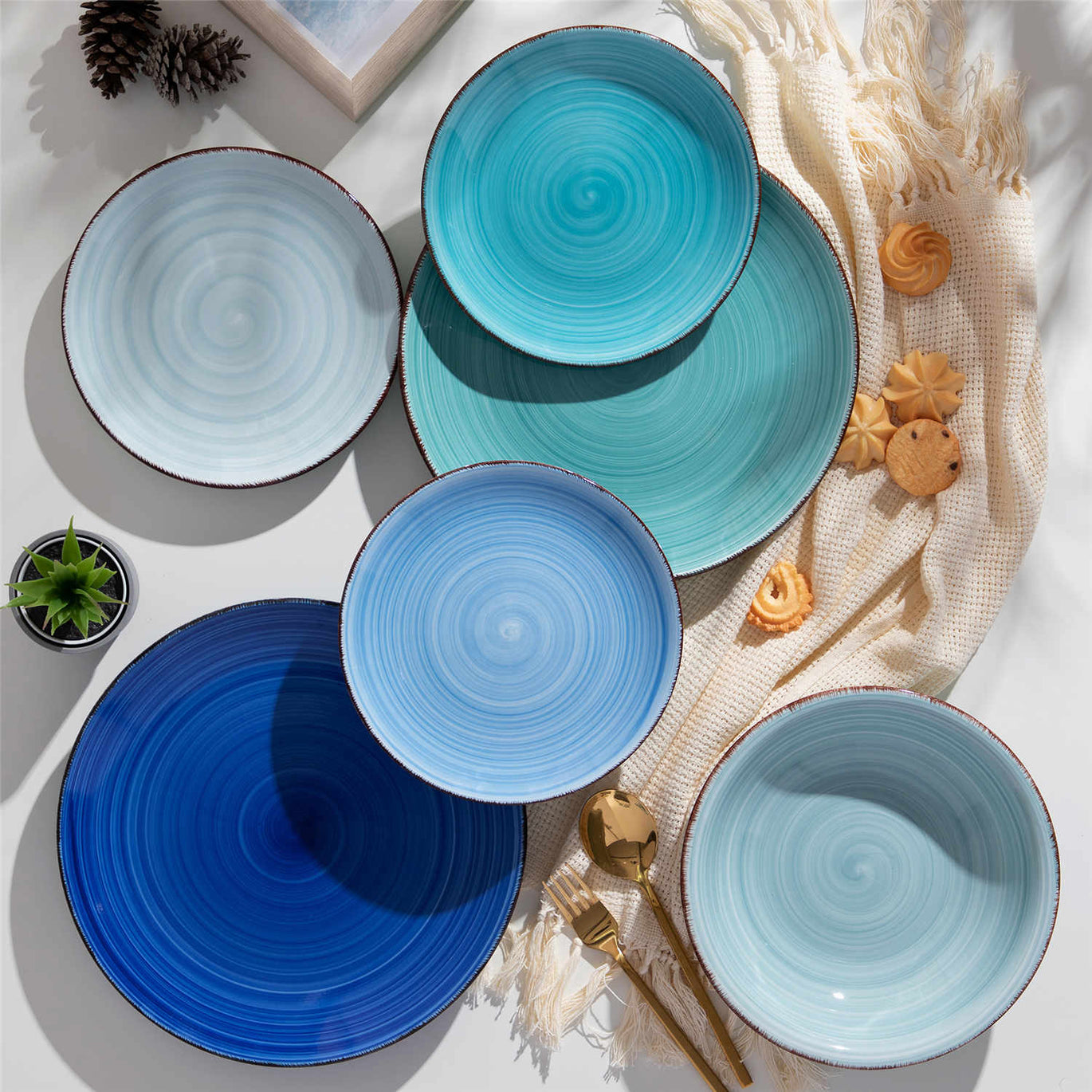


Understanding How Altitude Affects Ceramic Dinnerware Color Choices

If you’ve ever set a table on a sunlit mountain deck or plated a meal in the glow of an airplane cabin, you already know this: altitude changes the stage on which color performs. Light shifts, temperatures swing, hands wear gloves, and the mood swings from crisp alpine mornings to starlit lodge suppers and cloud-level dinners in business class. As a Colorful Tabletop Creative & Pragmatic Joy Curator, I’m here to translate that altitude-specific reality into color-smart ceramic choices that feel artful, work hard, and spark joy—without sacrificing safety or practicality.
What “Altitude” Really Means for Color on the Table
Dining at elevation, whether in a modern mountain home or 35,000 ft above sea level, recalibrates how your tableware looks, feels, and functions. Mountain architecture favors expansive windows and natural light, which can make glossy, high-chroma glazes appear more intense and reflective. Outdoor dining brings rapid temperature swings from sun to shade. Airline cabins, by contrast, use soft LEDs that flatter subtle neutrals while exposing scuffs and glare on overly shiny surfaces. The goal is not to chase one “correct” palette, but to choose glaze colors and finishes that look intentional and calm under bright alpine sun or atmospheric cabin light, and to pick materials that handle the thermal dance that comes with altitude living.
Mountain-surface designers consistently point to the need for dimensionally stable, low-maintenance materials in high-altitude settings where temperatures shift widely throughout the day, and the same logic applies to tableware. Porcelain, bone china, and well-made stoneware are all comfortable choices up high because they’re fired for strength, glazed for protection, and available in finishes that tame or amplify light on cue. Cotto d’Este’s guidance on mountain-surface durability is a useful parallel for tabletop decisions: elevate beauty but prioritize performance.

How Plate Color Shapes Taste and Portion Perception—Even at Elevation
Color psychology doesn’t stop at sea level. Evidence from Vibrantz shows white plates can boost perceived sweetness, black tends to highlight savory notes, and red often suppresses intake. In the mountains, where rich stews, braises, and chocolate desserts are frequent players, black and deep charcoal help savory flavors read fuller, while white and cream keep summer fruits and delicate pastries tasting bright and clean. For high-color foods—think berry compotes, tomato-rich sauces, or roasted beets—classic white, warm cream, and soft beige create a calm frame that avoids color clash.
In airline cabins, where lighting is softer and the environment is tightly choreographed, saturated brights can feel loud while elegant neutrals, deep greens, graphite blacks, and restrained blues read premium and composed. The lesson is refreshingly consistent: let food own the spotlight, and use plate color to fine-tune its perceived intensity and portion comfort, whatever the altitude.

A Quick Glaze-Science Primer You Can Actually Use
Behind every vibe, there’s a measurable color. Research accessed via the National Institutes of Health (PMC) connects user sentiment with the CIELAB color space—L* for lightness, a* for green-to-red, b* for blue-to-yellow—and uses ΔE to track perceptible differences. This framework helps designers translate words like “cozy,” “crisp,” or “calming” into actual glaze targets. It’s a practical bridge for anyone commissioning custom glazes or mixing colors to match a mountain interior palette.
There’s more. Work published in MDPI Applied Sciences explains why iridescent and luster surfaces change hue with view angle and microstructure, producing pearl-like effects. In bright mountain light those angle-dependent shifts can add magic or, if overdone, visual noise. Keep iridescence for accent pieces, not the entire place setting, when you dine outdoors or near reflective snow and water.
Firing temperature plays its own color game. Archaeometric studies in peer-reviewed literature indicate that as firing temperature increases toward the onset of a glassy phase—around the mid‑1,500s °F—certain earthy palettes can reach peak saturation before softening again at still higher heat. That curve matters: high-fire neutrals often look especially resolved and stable, which is why so many mountain-friendly porcelains and stonewares are fired hot and finished with robust glazes that keep color honest in strong light.
Materials and Finishes That Behave Beautifully Up High
Porcelain, bone china, and stoneware each offer a distinct color canvas. Porcelain brings a bright, fine surface that makes whites luminous and blues crisp. Bone china, with its bone-ash formulation, reads slightly more translucent and featherlight without feeling fragile; thin rims can still resist chipping when well made. Stoneware lands artisanal and tactile; it loves earth tones, looks grounded in lodge settings, and photographs beautifully against wood and wool textures. Everyday buyer guides and professional catering sources agree that these bodies, when fully vitrified, are non-porous and straightforward to clean, which helps color stay consistent over years of use.
Finish is where the altitude magic happens. Matte cuts glare and reads cozy under alpine sun; it also holds food in place a touch better, though you may see occasional utensil marks. Glossy surfaces deliver saturated color and wipe clean effortlessly; under harsh light they can reflect more and exaggerate bright tones. A satin sheen often splits the difference for mountain kitchens that move between big windows and evening pendants.
Choice |
What it does for color |
Where it shines |
What to watch |
Matte glaze |
Softens high-chroma hues; reduces glare |
Outdoor decks, sunlit dining rooms, airline cabins striving for calm |
Occasional utensil marks; choose quality matte formulas |
Satin glaze |
Balances warmth with wipe-clean ease |
Mixed-light spaces; open kitchens |
Slight reflections; test under your actual lighting |
Glossy glaze |
Maximizes color depth; crisp whites and blues |
Evening dinners; candlelight; soft LEDs |
More glare in midday sun; fingerprints show more |
MDPI’s explanations of angle-dependent reflections back the intuition here: light behavior at the surface is real, and finish tuning is the most noticeable control you hold, especially when your dining scene changes from bright morning to dusk.

Color Families That Love the Mountains (and the Sky)
Season after season, tablescapes that feel right in the mountains favor palettes that echo the landscape. Deep greens, classic navies, and natural browns slip right into wool throws and timber beams; terracotta warms up a room without shouting; butter yellow adds a joyful breakfast glow; charcoal and matte black make an evening spread look tailored and modern. Contemporary color guides such as vancasso’s 2025 overview point to these exact hues as durable style signals, not just fleeting trends. Meanwhile, East Fork’s “Core Colors” strategy—maintaining a grounded base of lights, darks, warms, and cools—shows how to build a permanent wardrobe of glazes that you can seasonally accent without replacing your whole set.
For cabins and chalets, think layered neutrals with one strong accent: eggshell or panna-cotta whites for morning light, a deep evergreen or ink blue for dinner focus, and a matte black salad plate to corral colorful sides. For airline service or any space where weight and calm matter, lean into a quiet base that makes menus look composed under soft LEDs—charcoal, stone, and cool blue-grays are reliable heroes.

What Mountain Potters Teach Us About Grip, Form, and Glaze
A favorite lesson comes from a Rocky Mountains–inspired dinner-plate project documented by a studio potter who swapped to a simple dinner-plate profile for ease and consistency, left the lip unglazed to show off a gritty granite clay, and pooled a single turquoise glaze in the well to evoke water meeting stone. The granite clay’s texture added grip from kitchen to table, plates stacked cleanly despite being made over weeks, and the final form—thrown at 10 inches and finishing near 9.5 inches—landed in that elegant, practical diameter many of us love. That story is a compact masterclass in color restraint, tactile safety, and shape control that translates perfectly to altitude tables, where secure handling and visual clarity matter as much as mood.

Outdoor Dining at Elevation: Portability, Stacking, and Sun Sense
The best “summer ceramic sets” for outdoor tables do more than look sunny. Becasa’s outdoor set guidance underscores durable glazes that resist fading and staining, stackable profiles for quick packing, and smooth surfaces that rinse fast. Choose fit-for-purpose shapes—shallow bowls for salads, low wide bowls for pastas and grains—and make sure your sets are dishwasher and microwave safe to keep cleanup easy after a long hike. A Morandi-style muted palette reads sophisticated under bright light; vivid story plates, like Arabia Moomin, bring playful charm for family picnics and cabin brunches without requiring an entire set in brights.
For storage between seasons, keep pieces clean and dry, avoid heavy stacking that can bruise rims, use padded dividers, and treat stains with a gentle baking-soda paste rather than abrasives. Outdoor altitude dining is hard on equipment, but a careful routine keeps color crisp and glazes happy year after year.

Safety First: Bright Color Is Fun—Heavy Metals Are Not
Color should delight, never harm. Practical safety guidance from 28 Ceramics emphasizes verifying that color decorations are in-glaze or under-glaze rather than painted on top, choosing reputable makers with clear dinnerware-safety labeling, and skipping suspiciously flashy pieces from channels that may not test for lead or cadmium. A simple pre-use step—boiling for a few minutes or a brief vinegar soak—can help rinse surface residues, although nothing substitutes for documented compliance. This matters at any altitude and every table.
Layered effects deserve a mention too. Mayco shares popular two-glaze layering techniques at common firing ranges and encourages makers and brands to test, because layered combinations are not automatically dinnerware-safe. If you’re buying artful layered pieces for daily use, ask the maker whether the exact combo was tested for food contact and cutlery marking, and request a quick demonstration plate if you’re ordering a whole set.
Airline Altitude Lessons for Every High-Place Table
The galley is a crash course in what works up high. Airline catering teams favor fully vitrified, lead-free ceramics because they’re non-porous, stable under heat, and consistent across long service. Real-world use reports point to well-made porcelain tolerating repeated oven cycles around 450°F, with stoneware performing robustly over years when handled correctly. Performance also lives in the geometry: slightly upturned rims give gloved hands a confident hold and corral sauces during bumps, while low, wide “blate” forms plate one-bowl meals beautifully and reduce slosh. Matte glazes can help curb sliding at the cost of occasional utensil marks; glossy finishes look sleek but can be more reflective in bright light.
Weight always matters more in the air than on the deck, but the design lessons translate anywhere storage is tight and hands are busy. Pieces that nest smartly, hold heat sensibly, and clean predictably create a calmer table. Airline case studies also highlight sustainability through better design rather than disposables—long-lived ceramic sets, refined for mass and stack height, make both emotional and operational sense.

A Palette Playbook for Mountain Homes
Choosing color for a high-elevation home is part art, part optics. Earth tones—natural brown, soft beige, terracotta—harmonize with timber and stone, staying luscious in sunlight without screaming for attention. Deep green reads sophisticated and hushed, especially with candlelight and warm wood. Classic blue, from sky to navy, is timeless; it pairs beautifully with white linens and silver flatware for a clean, modern-cabin moment. Butter yellow is a breakfast superpower, cozy but not loud. Matte black is your evening ace for drama, especially when the menu glows with ember-bright vegetables or rosy roasts. The trick is to set a neutral base for everyday and bring in brights as accents: dessert plates, snack bowls, a single statement platter.
If you collect from a brand with a defined “core” and “seasonal” palette, mirror that logic at home. Establish a backbone of lights, darks, warms, and cools that layer harmoniously, then rotate accents with the seasons. Your mountain table will never feel dated, and your cabinets won’t groan under duplicates.

Care and Handling When Temperatures Swing
Altitude is not the moment to shock your ceramics. Let plates rest a beat between a hot oven and a cool wash to avoid thermal stress, and retire chipped rims so they don’t snag hands or linens. Fully vitrified ceramics are typically safe through the freezer-to-oven routine within labeled limits; reputable catering sources quote ranges from well below zero to a few hundred degrees Fahrenheit without cracking, but the important detail is to avoid sudden extremes. Use gentle detergents, skip abrasives on matte glazes, and stack in sensible columns or caddies to protect rims. These routines keep color true and finishes intact, whether you dine in the cabin, the chalet, or the sky.
How Firing and Chemistry Quietly Influence the Palette
Behind the scenes, firing temperature and atmosphere shape how saturated, soft, or earthy your glaze ultimately appears. Archaeometric research on historical wares shows that as clays approach the onset of a glassy phase—around the mid‑1,500s °F—certain orange-yellow to brown palettes deepen before shifting again higher up the temperature curve. XRD, Raman, and colorimetry from peer-reviewed studies help explain why a warm ochre might sing at one temperature and mute at another. You don’t need a lab in your pantry, but this science backs a simple buyer’s move: seek makers who know their firing cycles and test their glazes for consistency. If you love a particular colorway, ask the studio about repeatability batch to batch.
Practical Buying Advice, Altitude Edition
Start with your light. If your dining zone floods with midday sun, audition samples on the actual table at the brightest hour; matte and satin finishes often look calmer here. If you mostly dine in the evening under warm pendants, glossy neutrals and inks read luxurious and crisp. Next, match material to usage. Porcelain and bone china keep the table airy without feeling fragile, while stoneware creates an artisanal hush that complements natural interiors. Look for fully vitrified bodies with clear dinnerware-safety labeling, and ask about oven and dishwasher ratings. If you love layered effects, request confirmation that the specific combination is food-safe.
Then consider form. Nine to nine‑and‑a‑half-inch dinner plates are elegant and practical, with low wide bowls pulling double duty for pasta, grain bowls, and stews. Favor rims that feel confident in the hand, especially if you host outdoors. Finally, build your palette like a wardrobe: anchor with whites, creams, and grays; add a dark for contrast; and let one or two seasonals rotate. Your color story will feel curated, not crowded, across seasons and elevations.

A Note from History: Ceramics Have Always Gone Up the Mountain
Long before modern cabins and airline galleys, ceramics were part of upland life. Chemical analyses published in PLOS ONE identify dairy lipids on Iron Age ceramics from high Alpine sites, indicating that people carried and used pottery in challenging, high-altitude environments. The takeaway for us is less about replicating an ancient toolkit and more about honoring a long tradition: when made and chosen well, ceramics flourish where the air is thin and the views are wide.
Optional FAQ
Do matte glazes really mark more than glossy ones? They can, particularly under cutlery, because microtexture that tames glare can also catch fine metal traces. Many modern matte glazes resist this well; ask your maker about cutlery-mark testing and keep a gentle cleanser on hand.
Are layered glazes safe for dinnerware? Sometimes, but not by default. Mayco advises testing layered combinations for dinnerware safety rather than assuming. If you’re buying, request confirmation that the exact combo has passed food-contact checks.
What about very bright reds and yellows—are they safe? Plenty are, and many brands clearly label lead- and cadmium-free formulations. 28 Ceramics recommends purchasing from reputable makers, favoring in‑glaze or under‑glaze decoration, and avoiding suspiciously flashy pieces without documentation.
Can I move plates from freezer to a hot oven at altitude? Many fully vitrified ceramics are formulated for broad thermal swings, with professional sources describing performance from deep-cold to a few hundred degrees Fahrenheit. Always follow the maker’s stated range and avoid sudden extremes to prevent stress.
In flight, why do low bowls work so well? They plate beautifully, reduce slosh, and stack smartly—principles from airline galleys that also make sense for porch dinners and lodge service.
Closing
Color is a mood, a map, and a memory on the table—especially where the air is thinner. Choose finishes that flatter your light, pick palettes that echo your landscape, and trust well-made ceramics to do the hard work behind the beauty. Set it boldly, use it joyfully, and let every altitude feel like home.
References
- https://pmc.ncbi.nlm.nih.gov/articles/PMC9322515/
- https://ntrs.nasa.gov/api/citations/19890014176/downloads/19890014176.pdf
- https://journals.plos.org/plosone/article?id=10.1371/journal.pone.0151442
- https://www.researchgate.net/publication/357889626_Patterns_in_pottery_use_reveal_different_adaptive_strategies_between_lower_and_higher_altitude_regions_on_the_Tibetan_Plateau_Chemical_evidence_from_pottery_residues
- https://www.28ceramics.com/how-to-distinguish-whether-the-ceramic-tableware-exceeds-the-standard-of-heavy-metals.html
- https://becasaltd.com/how-to-choose-the-best-summer-ceramic-set-for-your-picnic%EF%BC%9F/
- https://theartisanemporium.co.in/mastering-ceramic-colors-a-practical-guide-to-choosing-your-palette/?srsltid=AfmBOorwffUJP0Atlh9S-IUlrgMD3vGGxQoGioZOufFFNYP4wcu40r5e
- https://www.cottodeste.us/journal/high-altitude-exclusivity-the-modern-mountain-home
- https://curiousmeredith.com/pottery-dinner-plates-inspired-by-mountains/
- https://smart.dhgate.com/a-practical-guide-to-selecting-the-best-ceramic-tableware-for-your-home/
Potrebbe piacerti anche
Stern Set di stoviglie da 16 pezzi
- Da $75.00
$100.00- Da $75.00
- Prezzo unitario
- per
-
Blue
-
Green
-
Red
-
Grey
Bonita Set di stoviglie da 18 pezzi
- Da $63.00
$78.00- Da $63.00
- Prezzo unitario
- per
-
Blue
-
Multicolor
Simi Set di stoviglie 24 pezzi
- $100.00
$135.00- $100.00
- Prezzo unitario
- per
Set di stoviglie stellate da 16 pezzi
- $77.00
$90.00- $77.00
- Prezzo unitario
- per
-
Blue
-
Green
-
Red
-
Gradient Green