



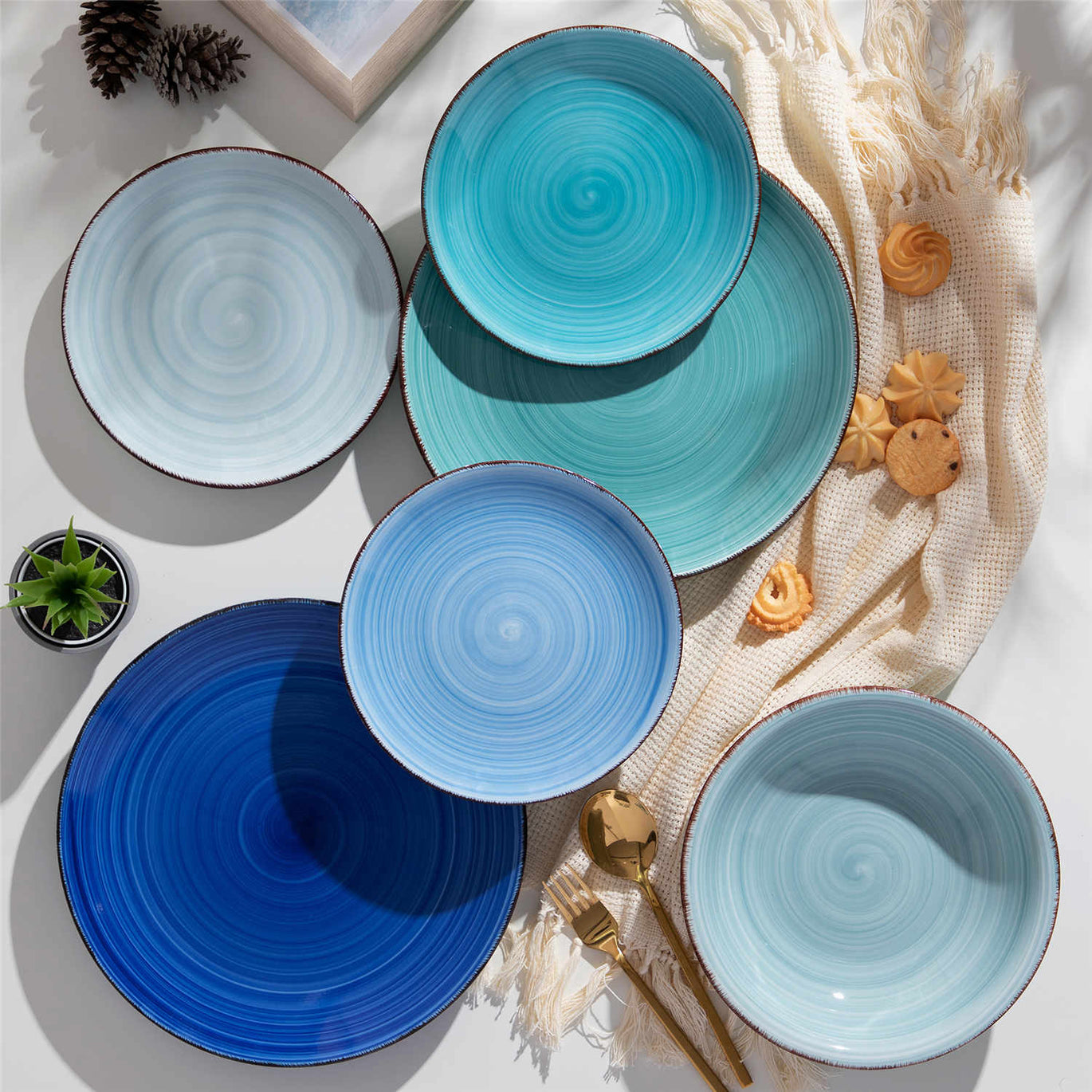


The Timeless Legacy of Ceramics in Anti‑Consumerism Movements

Ceramics have always been the slow heartbeat of the table: formed by hand, fired with care, and lived with for decades. In a world coaxing us to click “buy again,” clay objects whisper a different tempo. As a Colorful Tabletop Creative & Pragmatic Joy Curator, my daily work sets joyful, practical tables that resist disposability. I audition pieces for grip and balance in my own kitchen, test stackability in tight cupboards, and learn from cooks, hosts, and hospitality pros who want fewer, better, longer‑lived objects. Ceramics keep rising to the moment—not because they’re flashy, but because they’re honest.
Ceramics as Quiet Rebels Against Throwaway Culture
Anti‑consumerism is not about deprivation; it is about intention. It challenges the churn of planned obsolescence and the myth that happiness scales with the number of items in a cart. Cultural research reminds us that consumption is shaped by values, norms, and symbols, and that conspicuous consumption and cultural capital often drive purchase patterns more than basic utility, as described in sociological frameworks summarized by the Sustainability Directory. Choosing a durable bowl over a disposable alternative is therefore both a practical and symbolic act.
Ceramics align naturally with voluntary simplicity and minimalist living. They are made from natural materials, can be vitrified to be non‑porous and long‑lasting, and—when well chosen—reduce the need for repeat purchases. Makers increasingly center responsible production, from energy‑efficient kilns and water recycling to non‑toxic, lead‑free glazes, as noted by brands and manufacturer communications such as HF Coors and industry trend summaries from Joyye and Jocell Home. When a plate serves you for years and still looks beautiful on a Tuesday night, it gently undermines the “buy new, buy more” reflex.

Why Ceramics Endure: Utility, Sensory Joy, and Story
Ceramics reward attention through the senses. A field study of shoppers in tile stores documented that vision guides first impressions, then touch becomes increasingly decisive across the evaluation journey, with audition playing a smaller supporting role, according to research indexed on PubMed. That pattern mirrors how we actually choose tableware. We scan silhouettes and color with our eyes, but we decide with our hands. This matters in an anti‑consumerism frame because joy in daily use is the best deterrent to impulse replacement.
Matte finishes have surged because they diffuse light and feel velvety and secure in hand; they often hide fingerprints better than high gloss and pair beautifully with natural linens and wood. Industry overviews from Joyye describe how matte surfaces migrated from design‑forward restaurants to home tables as diners sought authenticity and tactile calm. The thermal stability of ceramic adds to its everyday poetry: a noodle bowl that stays warm while you linger is not just nicer to use; it makes seconds unnecessary because the first serving remains satisfying.
First‑Hand Tabletop Notes
On my own counter, a plate in the 10 to 11 in range and a wide everyday bowl around 22 to 24 fl oz handle nearly everything. The plate leaves negative space so food reads clean; the bowl’s tapered sides feel good in the hand and nest securely on the plate during a couch supper. Matte stoneware grips without slipping when I carry a stack from sink to shelf. Neutral glazes are my favorite foil for seasonal food, and a single statement mug in a mood‑lifting color adds personality without demanding a whole new set. These tiny moments of fit and feel are precisely where ceramic excels—and where “less but better” becomes a daily pleasure, not a rule.

Less Stuff, More Calm: Minimalism Meets the Dinner Table
There is strong evidence that “less” lightens the mind. The Journal of Neuroscience has associated visual clutter with increased cognitive processing. UCLA’s Center on Everyday Lives of Families observed links between clutter and elevated cortisol in home studies. Health sources such as BSWHealth summarize that participants who aligned possessions with values reported improved well‑being, and the International Journal of Applied Positive Psychology has linked voluntary simplicity with positive emotions and autonomy. This is where a “single plate and bowl” default shines. As the Malacasa journal argues, you are not forbidding extra pieces; you are clarifying your baseline. In practice, even a ten‑minute cleanup saved daily by owning fewer dishes adds back time for cooking or resting.
There are natural tradeoffs. Hosting a crowd strains a strict one‑set approach, so treat minimalist defaults as personal, not universal. Keep a small backup stack, borrow or rent for holidays, and normalize potlucks so the focus stays on people, not inventory. When I style larger tables, I layer borrowed white plates under my neutral stoneware bowls. The mix looks intentional because the core set is calm and compatible.

Provenance, Pride, and Buying Less, Better
Anti‑consumerism does not mean ignoring brand stories; it means prioritizing real ones. Research summarized in SAJSSH on cultural products finds that country‑of‑origin and even sub‑national cues can shape perceived authenticity and quality; for ceramics, maker marks, verifiable provenance, and traceability signal care rather than hype. In North America, consumer interest leans toward responsible materials, long service life, and lead‑free assurance, while brand storyteller pieces—like limited editions or monogrammed mugs—channel personalization without multiplying objects, according to trend roundups from EKA Ceramic and Joyye.
Quality markers are concrete. Vitrified bodies resist moisture and odors, as HF Coors emphasizes, and smooth, well‑finished foot rings spare shelves and stack neatly. Non‑toxic glazes and clear appliance guidance build trust. I look for simple forms that nest, a chip‑resistant rim, and a glaze line that feels continuous to the touch at the lip. These small checks cut replacements later.

Markets Grow; We Don’t Have to Over‑Buy
It is useful context that ceramics are not a niche retreat. One market report from DataInsightsMarket estimates ceramic tableware sets at about $39.59 billion in 2025 with a projected 2.6% compound annual growth through 2033. Other analyses summarized by Joyye suggest a broader ceramic dinnerware market growing around 7% from roughly $12.4 billion in 2024 toward $22.2 billion in 2034, while LinkCeramics notes steady gains in porcelain specifically. Numbers vary by scope and method, but the shared message is clear: ceramics are thriving because durability and design resonate.
Hospitality continues to buy heavily for volume and replacements, while households drive much of the unit growth as home dining rises and social media amplifies table aesthetics. The Times of India has even described a resurgence of colored tableware, a reminder that restraint can include joyfully pigmented choices. Growth, however, need not lead us to over‑accumulate at home. If anything, it expands the pool of durable, ethically made options so we can pick smarter singular pieces.

What to Choose: Materials, Finishes, and Forms That Love You Back
The best anti‑consumerist tableware earns its keep. Stoneware, porcelain, and bone china each bring distinct strengths that matter for long‑term use. Stoneware is typically higher‑fired and non‑porous with a comfortable weight and stronger everyday chip resistance. Porcelain is lighter with a bright white body that elevates presentation and often feels more refined for entertaining. Bone china blends thinness with surprising strength and a warm, translucent glow. These characteristics are echoed in consumer education from Joyye.
Reactive glazes create organic variation that frames food beautifully and hides wear, while a matte exterior paired with a glossy interior offers grip without staining the bowl where it contacts food. A warm‑minimal silhouette keeps the focus on food and makes mixing easy across brands and eras. And, yes, wabi‑sabi is welcome here: subtle variation and handfeel invite attachment, not replacement.
Material |
Everyday feel |
Durability notes |
Anti‑consumerism fit |
Stoneware |
Substantial, tactile, cozy |
Good chip resistance; strong heat retention; often matte‑friendly |
Excellent for daily bowl‑and‑plate living and oven‑to‑table routines |
Porcelain |
Light, crisp, bright |
Refined presentation; typically very strong when well made |
Ideal as a small, versatile core set that also suits guests |
Bone china |
Thin, elegant, luminous |
Strong for its weight; often premium |
A lifelong “special” set that still mixes with neutrals |
Earthenware |
Rustic, softer body |
More prone to chipping; heavier glazes help |
Better for decorative or occasional use unless heavily vitrified |
When deciding, also consider finish behavior. Matte surfaces feel serene and hide fingerprints, but some pale matte glazes may pick up stains from tomato, curry, or coffee if left unattended; prompt washing is the simplest fix. Glossy interiors wipe clean easily; exterior‑matte plus interior‑glossy can be the best of both worlds.
Care That Extends a Lifetime
Longevity is maintenance plus habit. I avoid dramatic thermal shocks by not moving pieces straight from a hot oven to a cold countertop; a trivet or wood board smooths the temperature change. Matte surfaces stay beautiful when I skip harsh abrasives, and periodic hand‑washing for special pieces keeps edges crisp. If a piece is certified oven or broiler safe, it earns extra points for versatility, as HF Coors notes of vitrified ceramic dinnerware. For microwaving, any metallic accent is a no‑go, and a quick check of the maker’s guidance remains the rule.
Storage is an unsung hero. Stable stacking comes from flat, well‑finished foot rings and consistent shapes, so I audition sets for tidy stacks before buying. A quick daily reset—wash, dry, return to one predictable shelf—prevents creeping clutter, a routine echoed by minimalist lifestyle guidance from the Malacasa journal. For move‑in seasons or holiday hosting, I line shelves with thin cork sheets to protect both glaze and wood.

A Joyfully Pragmatic Buying Guide
Start with use, not with the catalog. If you cook soups and salads often, one wide bowl around 20 to 26 fl oz will cover most meals. If you love composed plating, a plate closer to 11 in handles entrée plus sides with breathing space. Either way, choose a shape that stacks neatly and feels balanced when you carry two or three at once.
Lead‑free, food‑safe, and non‑porous claims should be stated plainly by the maker. I look for responsible production promises—water recycling, energy‑efficient kilns, and traceable sourcing—now commonly highlighted by sustainability‑minded brands reported by Joyye and Jocell Home. Appliance guidance matters too. Many quality ceramics are microwave and dishwasher safe; some vitrified lines are also oven and broiler safe, per HF Coors, while metallic rims mean “dishwasher yes, microwave no.” If buying online, verified reviews that mention chip resistance and stackability are more predictive than vague praise.
Open stock beats big sets for most minimalist kitchens. Buy what you will use daily, then add one or two expressive pieces—a hand‑thrown pasta bowl, a bold mug—to keep the table lively. A 24 to 48‑hour pause before clicking purchase curbs impulse buys, a small tactic echoed in consumer behavior coaching referenced by the Malacasa journal. Seconds and vintage finds from thrift stores or estate sales stretch budgets without stretching shelves, and the natural variation of reactive glazes lets borrowed or rented pieces blend in when you scale up for celebrations.
Checkpoint |
Why it matters |
How to test or verify |
Stackability |
Small kitchens need vertical calm |
Nest 4 items; look for stable stacks and smooth foot rings |
Glaze and finish |
Daily cleanability and feel |
Swipe with a damp towel; scan for pinholes; feel the lip |
Rim and base strength |
Chip resistance and longevity |
Light fingernail tap at rim; assess firmness and ring |
Safety notes |
Confidence and convenience |
Confirm lead‑free, microwave, oven, dishwasher guidance |
Responsible production |
Values alignment |
Look for energy, water, and materials disclosures |
Replacement plan |
Anti‑waste sustainability |
Prefer open stock; confirm pattern continuity |

Pros and Tradeoffs Through an Anti‑Consumerist Lens
Ceramics shine in durability, sensory joy, and aesthetic longevity. Vitrified bodies are non‑porous and odor resistant, as HF Coors stresses, and reactive or matte glazes keep surfaces feeling fresh for years. The pieces are endlessly photogenic, which is partly why demand has grown among Millennials who treat tableware as self‑expression and décor, according to EKA Ceramic. They also support a more sustainable cycle than single‑use products, and their longevity reduces waste by pushing replacement far into the future.
On the tradeoff side, weight and breakage risk are real, especially on crowded sinks and tight counter edges. Some matte glazes need quick washing after vivid sauces, and premium lines cost more up front. Not every “dishwasher safe” piece loves the hottest cycles, and metallic accents rule out the microwave. These are manageable constraints. Avoiding dramatic thermal swings, stacking carefully, and choosing a restrained, mixable core set absorbs most of the friction and delivers more delight per ounce than any trendy disposable.

Color and Creativity Without the Clutter
A minimalist or anti‑consumerist table is not colorless. Earth tones such as terracotta, sage, and sand feel grounded, while a single cobalt or blush accent energizes the scene. The Times of India has observed a resurgence of colored tableware in hospitality, and that shift has reached home kitchens. I like to anchor with a calm base—a soft white or warm clay—and then choose one statement glaze whose story I love. Wabi‑sabi and “quiet design,” themes summarized in research on Generation Y preferences on ResearchGate, celebrate subtlety and authentic touch, which makes ceramics perfect for a table that reads collected rather than consumed.

Retail, Hospitality, and the Ethics of Enough
Hospitality buyers are staging sensory information along the guest journey—clean visuals first, then inviting touch through removable samples—an approach supported by the multisensory shopping study indexed on PubMed. Retailers who curate open stock, keep personalization limited and meaningful, and communicate production ethics help households live their values. Industry notes show that North America sets innovation and quality benchmarks, and that automation, improved glazes, and lighter weights are making ceramics even more durable and convenient, according to market briefs summarized on LinkedIn and LinkCeramics. The point is not to fuel more churn; it is to build the kind of quality that lets a household buy once.

Definitions for the Conscious Ceramicist
Anti‑consumerism is a cultural stance that resists the equation of happiness with acquisition and favors durability, repair, and community sharing over accumulation. Voluntary simplicity organizes life and possessions around what genuinely supports well‑being. Wabi‑sabi is an aesthetic that embraces natural imperfection and understated beauty. Reactive glazes produce unique, organic patterns during firing. Stoneware is a high‑fired, non‑porous ceramic prized for everyday durability. Porcelain is a very high‑fired, bright white, often lighter body that elevates presentation. Bone china incorporates bone ash for thinness and strength with warm translucence. In the industry, HORECA refers to hotels, restaurants, and cafés.
A Short FAQ for the Thoughtful Table‑Setter
Is a matte bowl practical for daily use? Yes, especially in stoneware where the body is dense and chip resistant. Prompt washing after deeply colored sauces keeps pale mattes looking their best, and a glossy interior can ease clean‑up.
How big should a one‑bowl default be? A range around 20 to 26 fl oz feels generous without being oversized for everyday meals, and a tapered profile that nests securely on a dinner plate keeps drips and juggling to a minimum.
How do I microwave safely? Skip metallic rims and follow the maker’s guidance. Many quality stoneware and porcelain lines are microwave safe; some vitrified lines are also oven and broiler safe, as manufacturers such as HF Coors note, but always confirm specifics.
Setting a Table That Refuses the Rush
Ceramics are not merely objects; they are companions to meals and markers of time. They invite us to slow down and choose what we use every day with clarity and joy. When you build a small, beautiful ceramic wardrobe—one plate, one bowl, one mug that make you smile—you are curating a life that resists the hurry and waste of endless novelty. That, to me, is the most colorful kind of anti‑consumerism: practical, playful, and deliciously sustainable.
References
- https://pubmed.ncbi.nlm.nih.gov/31648188/
- https://www.researchgate.net/publication/395823940_Analyze_the_Consumer_Demand_and_Generation_Y's_Behavior_Toward_Ceramic_Products
- https://www.jocellhome.com/top-ceramic-tableware-trends-to-elevate-your-dining-experience-in-2025
- https://www.accio.com/business/trend-in-ceramic-tableware-models
- https://www.datainsightsmarket.com/reports/ceramic-tableware-sets-1285807
- https://ekaceramic.com/the-impact-of-millennials-on-the-ceramic-tableware-market-in-north-america/
- https://hosen28.com/sustainable-ceramics/
- https://www.joyye.com/info-detail/consumer-preferences-in-ceramic-dinnerware-styles?requestId=
- https://www.linkceramics.com/global-ceramic-dinnerware-industry-analysis/
- https://ourgoodbrands.com/sustainable-pottery-how-eco-friendly-ceramics-shape-industry/
Potrebbe piacerti anche
Stern Set di stoviglie da 16 pezzi
- Da $75.00
$100.00- Da $75.00
- Prezzo unitario
- per
-
Blue
-
Green
-
Red
-
Grey
Bonita Set di stoviglie da 18 pezzi
- Da $63.00
$78.00- Da $63.00
- Prezzo unitario
- per
-
Blue
-
Multicolor
Simi Set di stoviglie 24 pezzi
- $100.00
$135.00- $100.00
- Prezzo unitario
- per
Set di stoviglie stellate da 16 pezzi
- $77.00
$90.00- $77.00
- Prezzo unitario
- per
-
Blue
-
Green
-
Red
-
Gradient Green