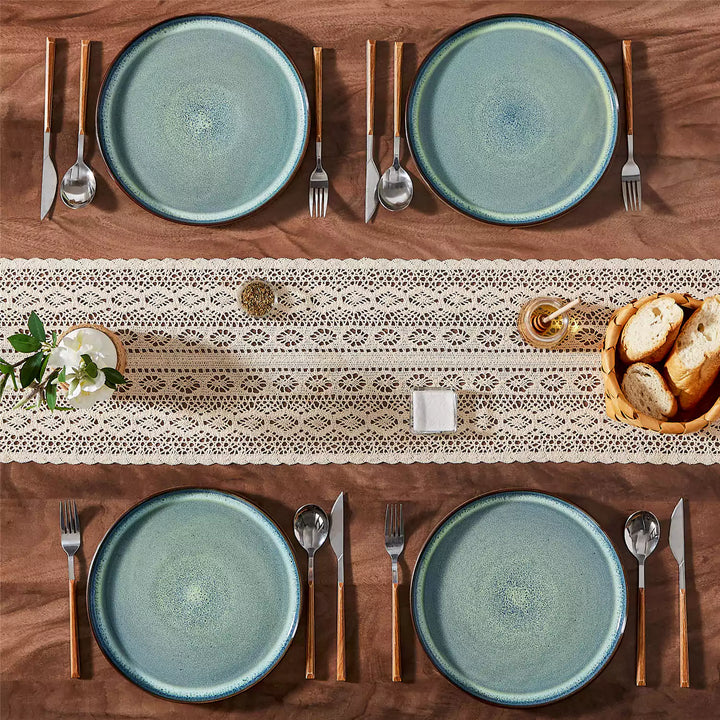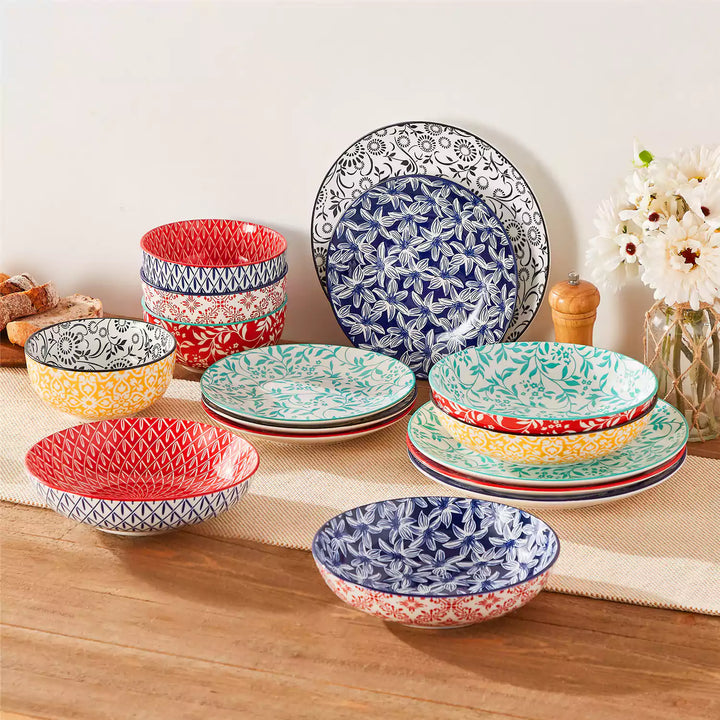


Beautiful dinnerware often becomes a part of everyday life, such as morning breakfasts, family dinners, and weekend get-togethers. Regardless of whether you have beautiful porcelain plates or strong stoneware dinnerware sets, proper care contributes significantly to the length of time they retain their shine, color, and smooth surface.
The question many people ask themselves is whether a dishwasher will ruin their plates or handwashing is the safest method. The fact is that both approaches can be absolutely safe when applied properly. The trick is to know your dinnerware material, the interaction of heat and detergents with ceramic surfaces, and how to avoid daily wear, such as scratches or dullness.
Good quality plates are made to last several years, and that is why most of them are regarded as the best dinnerware sets to use on a daily basis. Nevertheless, even basic routines, like putting the dishwasher in the right place or not using harsh sponges, can greatly increase their lifespan.
This guide will discuss dishwasher cleaning and handwashing, the reaction of different materials to heat and detergents, and the most effective habits to maintain your daily dinnerware in the same condition as the day you purchased it.

Quick Summary Dishwasher vs Handwashing
In choosing between dishwashing and handwashing, it is useful to know the fundamental benefits of each technique.
Dishwashers are easy, predictable, and in many cases more sanitary because of the high water temperatures. Controlled cycles in modern machines are effective in removing food residue and consume less water than many individuals would anticipate. A large number of ceramic plates, even some stoneware dinnerware sets, are made to be used in a dishwasher without being damaged.
Washing hands, however, is more controllable. It enables you to wash sensitive objects more carefully and prevent long-term contact with high temperatures or harsh detergents. This additional care may be applied to plates with hand-painted details, metallic accents, or reactive glazes.
Most households in the daily kitchens combine both methods. After dinner, durable plates are placed in the dishwasher, and special or decorative items are washed manually.
The ultimate decision is always based on the material, finish, and frequency of use of your dinnerware.
Does the Washing Method Really Matter
Yes, but not as dramatically as some people think.
During the manufacturing process, ceramic dinnerware is fired at very high temperatures, making it strong and heat-resistant. Nevertheless, the glaze can be influenced over time by repeated exposure to harsh detergents, sudden changes in temperature, and physical contact with other dishes.
The glaze on ceramic plates serves as a protective layer that provides them with a glossy look and resistance to stains. With time, violent cleaning techniques can make that glaze lose some of its lustre or have slight scratches.

This process is affected by two key factors:
Heat and Thermal Shock
Thermal shock occurs when a substance undergoes a sudden temperature change. As an example, a very hot plate placed in cold water may create small stress fractures in the glaze or ceramic body.
Dishwashers minimize this risk since they warm and cool water slowly in cycles. Nevertheless, even hot drying conditions and delicate ceramics can lead to wear over time.
Chemical Wear from Detergents
Dishwasher detergents are made to dissolve food oils and stains. Others have alkaline compounds that may gradually harden fine glazes after numerous cycles.
This does not mean that dishwashers are unsafe; it just implies that using mild detergents and correct cycles will help in preserving your dinnerware.
Both of these methods of washing can keep your plates beautiful over the years when used wisely.
Is Your Dinnerware Material Dishwasher Safe
The question that people ask most of the time is: Is stoneware dishwasher safe?
The response is typically yes, but it depends on the type and finish.
Knowing the distinction between materials will guide you to make the correct choice.
Stoneware
Stoneware is thick, hard and a little bit thicker than porcelain. Most contemporary stoneware dinnerware collections are made to be used on a daily basis and can be washed in a dishwasher with ease.
Nevertheless, reactive glazes or textured finishes are found on some stoneware plates. Such artistic surfaces can be lost over time when subjected to harsh detergents or high-heat drying cycles.
Gentle detergent and not overcrowding can be used to maintain their appearance.

Porcelain
Porcelain is fired at a higher temperature than most ceramics, which makes it thinner and yet very strong. This is one of the reasons why people tend to compare porcelain vs stoneware when selecting plates.
Porcelain is generally very good in dishwashers since the glaze is smooth and non-porous. However, pieces with metallic trim or decorative patterns should be washed by hand to protect the finish.
Hand-Decorated or Specialty Pieces
Gold-rimmed, painted-edge, or delicate-artwork dinnerware must nearly always be hand-washed. These designs can be washed away by dishwasher detergents.
Generally, the most secure method is to verify the instructions of the manufacturer of your set.
How to Wash Dinnerware in the Dishwasher
Proper use of the dishwasher can save your dishes and save time after eating.
Begin by scraping old food into the trash or compost. Foods that are acidic, such as tomato sauce or citrus, must not be left on ceramic plates over a long period of time since they may slowly influence the glaze.
When filling the dishwasher, stack the plates in the rack vertically with a sufficient distance between them. Overcrowding may lead to the bumping of dishes during the cycle, which may lead to chipping.
Do not place plates one on top of the other. Adequate spacing enables the water jets to clean uniformly and reduce contact between surfaces.
Use a light or regular wash cycle rather than heavy-duty unless the dishes are very dirty. Strong detergents and high-temperature cycles can also be a cause of long-term dulling of glaze.
It is also important to use a mild dishwasher detergent. Even the delicate recipes that are marked as such can be washed using modern formulas without losing the glossy finish.
Lastly, think of air-drying rather than heated drying. This minimizes the long exposure to heat and preserves the original shine of your daily dinnerware.

When and How to Hand Wash Dinnerware
Fragile or decorative dishes are safest to wash by hand.
First, pour warm, but not very hot, water into a sink or basin and put in a little mild dish soap. Too hot water may cause temperature stress to previously cool ceramics.
Wipe the surface of each plate with a soft sponge or cloth. Do not use harsh materials such as steel wool or coarse scouring pads as they may scratch the glaze.
Wash plates individually instead of piling them in the sink. This minimizes the possibility of edges banging and chipping.
Wash every dish with warm water and dry it with a soft towel to avoid water spots.
When food remains attached to the surface, do not scrub the plate, but leave it to soak a little. The majority of ceramic glazes can be washed off in a few minutes in warm water.
This gentle routine works well for preserving delicate finishes while still keeping dishes perfectly clean.
Bonus Tip How to Get Silverware Marks Scratches Out
Many people notice gray lines appearing on their plates over time. These are usually referred to as silverware marks.
Although they look like scratches, these marks are not typically scratches on the ceramic itself. They are formed when minute metal particles of forks or knives slide against the glaze of the plate and leave a trace.
Luckily, they can be removed easily.
Prepare a basic cleaning paste with baking soda and a little water. Use a soft cloth to apply the paste to the mark and rub the surface in circular movements.
The slight abrasiveness of baking soda raises the metal residue without harming the glaze.
Wash and dry the plate afterwards.
Removing these marks regularly will keep your plates looking smooth and will keep them looking new.
Concluding Remarks The Secret of Long Lasting Dinnerware
Beautiful plates are meant to be used, not hidden in cabinets. Most of the contemporary ceramics are made to serve daily meals and still be elegant over the years.
You may like stoneware dinnerware sets or fine porcelain plates, but the secret of long life is balance. Dishwashers are convenient and clean regularly, whereas handwashing is gentle and careful with special items.
Learning about the distinctions between porcelain and stoneware, using gentle detergents, and placing dishes in the dishwasher can greatly prolong the life of your dinnerware.
By following a few easy tips, such as scraping food immediately, not using harsh sponges, and cleaning up silverware spots as soon as they occur, your daily dishes can remain shiny, smooth, and beautiful over several years.
Ultimately, with proper care, you can experience the comfort and style of the finest dinnerware sets to use on a daily basis without the fear of wear and tear.
FAQs
Q: Is Stoneware Dishwasher Safe?
A: Yes, the majority of modern stoneware is dishwasher safe. Nevertheless, it is possible to preserve the glaze and color by using a soft detergent and not using high-heat drying.
Q: Which Is Better Dishwasher or Handwashing?
A: Both are safe when properly used. Dishwashers are convenient and clean, whereas handwashing is best when dealing with delicate or decorated plates.
Q: Why Do Plates Get Gray Marks with Utensils?
A: These are metal traces of silverware rubbing against the glaze of the plate. Baking soda can normally be used to remove them.
Q: Will Ordinary Dinnerware Become Dull in the Dishwasher?
A: Delicate glazes can be dulled over time by harsh detergents or repeated high-heat cycles. This can be avoided by using a soft detergent and air-dry settings.