



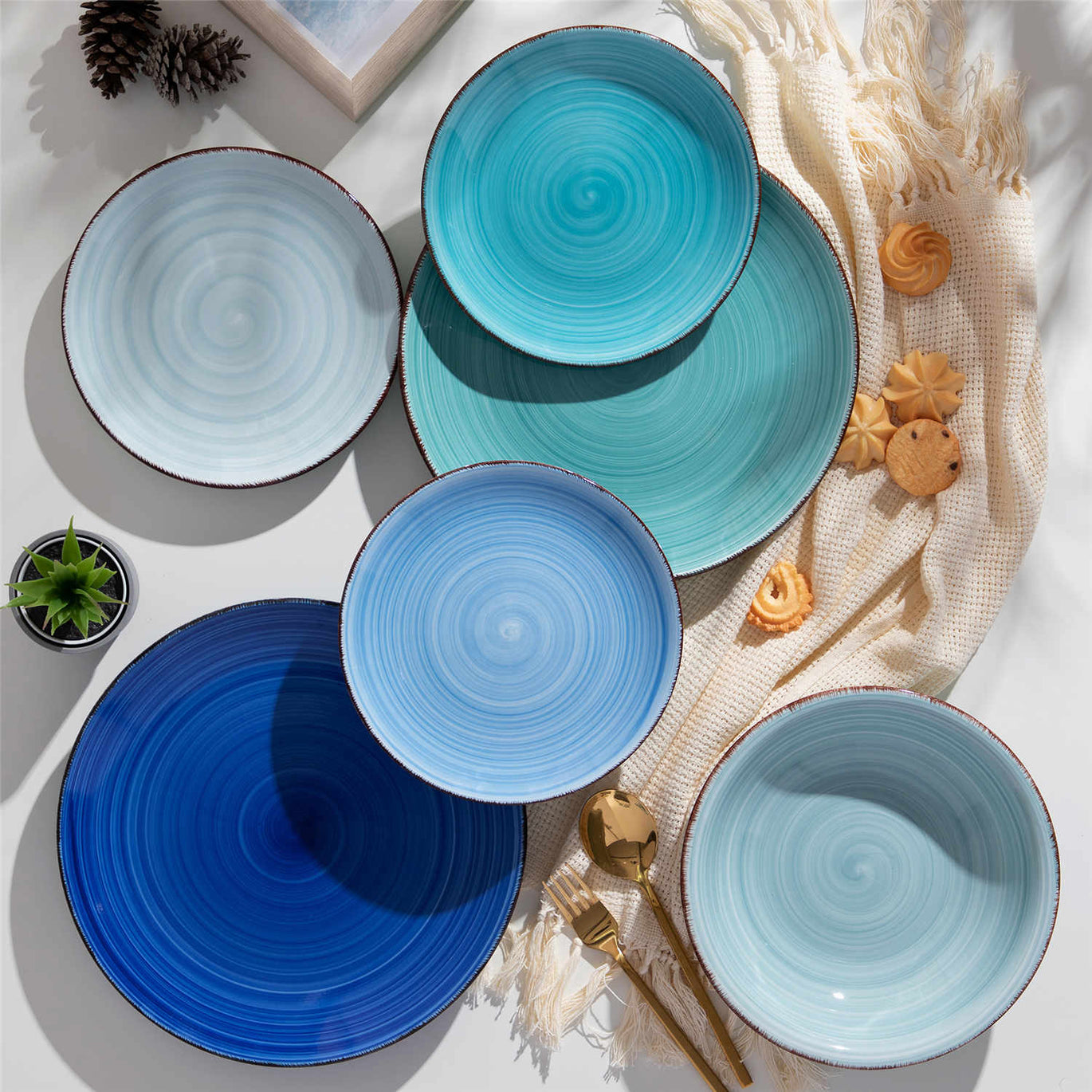


Understanding Gender Neutrality in Ceramic Tableware Design

Gender-neutral décor is no longer a side note in interior design; it is the new baseline for homes that want to feel welcoming, stylish, and deeply personal for everyone at the table. When you zoom in from the big picture of rooms and color schemes to the exact plates and bowls that cradle your dinner, ceramic tableware becomes one of the most powerful tools you have to express that neutrality with joy.
As a curator of colorful, everyday tabletops, I spend a lot of time watching how people react to plates before they even taste the food. The shape of a rim, the softness of a green glaze, the quiet glow of bone china, or the friendly heft of stoneware can instantly signal “this table is for you” instead of “this is a table for a particular gender.” Gender-neutral ceramic design is about creating that inclusive, come-as-you-are feeling, without sacrificing the drama, color, or personality that make a table feel alive.
This article unpacks what gender neutrality really means in ceramic tableware, how color psychology and material choices come into play, and how you can build a collection that is both practical and playfully inclusive, drawing on guidance from design and tableware sources such as Home Journal, Homes & Gardens, Good Housekeeping, Royal Doulton, Wedgwood, Malacasa, MMclay, The Good Trade, and several buying guides for ceramic dinnerware.
What Gender-Neutral Design Really Means at the Table
Interior designers writing for outlets like Home Journal and Homes & Gardens are increasingly aligned: a gender-neutral space is not a bland compromise. It is defined as a balanced, harmonious environment that doesn’t lean heavily on stereotypically “masculine” or “feminine” aesthetics, but still feels warm, expressive, and personal.
One article on gender-neutral home design describes the goal as a balance between traditionally subdued, minimal lines and traditionally more decorative, “louder” accents. Another emphasizes that color itself has no gender; what matters is how hues, shapes, and textures are combined. In practice, that means we are moving away from “pink for her, navy for him” and toward palettes and forms that feel comfortable for a wide range of personalities.
Applied to the dining table, gender neutrality looks like a setting that could host anyone: a group of friends, a couple with strongly different tastes, kids and grandparents around the same dish of pasta. The dinnerware does not scream sports bar or frilly tearoom, yet it does not feel anonymous either. A gender-neutral table is usually:
Grounded in a thoughtful base. Neutrals, gentle greens, and nature-inspired tones create a calm foundation that does not belong to any one gender.
Layered with texture and contrast. Sleek and rustic, matte and glossy, straight lines and curves live together so no style dominates.
Personalized by story, not stereotype. Motifs like landscapes, abstract patterns, or nature-inspired shapes say something about your tastes, not your gender.
The beautiful news for ceramic lovers is that clay, glaze, and fire are insanely good tools for hitting that balance.

Why Ceramic Tableware Is the Perfect Gender-Neutral Canvas
Several dinnerware guides, from Nestasia to Clayful Homes and Royal Doulton, treat ceramic dinnerware as the everyday hero: it is durable, holds heat, and can be both casual and elegant. Within ceramics, you have a family of materials, each with its own personality and sweet spot for gender-neutral design.
Porcelain, often made from kaolin and pottery stone, is high-fired, smooth, and non-porous. Guides from Nestasia, Smart.DHgate, and Royal Doulton describe it as dense, chip-resistant, and suitable for both daily meals and special occasions. It often feels refined without being precious when you keep shapes and colors simple.
Bone china, a type of porcelain that includes bone ash, is highlighted by Clayful Homes, Nestasia, Royal Doulton, and Wedgwood as extremely strong yet delicate in appearance. It is lightweight, slightly translucent, and traditionally associated with formal dining. When designed with modern forms and quiet patterns, it becomes a perfect “elevated neutral” material that can be used daily, not just for holidays.
Stoneware is thicker, heavier, and more rustic. According to guides from Clayful Homes, Smart.DHgate, and Royal Doulton, it is fired at high temperatures, often with special glazes that make it highly chip-resistant. That makes stoneware a practical, family-friendly choice that still supports beautiful color stories and hand-glazed textures.
Earthenware is usually more affordable and has an organic, hand-made charm. Nestasia and Clayful Homes note that it is thicker and heavier but more prone to chipping and cracking than stoneware, porcelain, or bone china. It is ideal when you want an earthy, artsy look, but it needs gentler handling.
Melamine is not ceramic, but it shows up in many dinnerware guides, including Angie Homes and Royal Doulton, because it is extremely durable and shatter-resistant. It is great for outdoor dining or kids, but it cannot handle high heat in the microwave. For a gender-neutral design program, melamine is more about function and context than aesthetic richness.
The Good Trade, which reviews sustainable ceramic brands, points out that earthenware, stoneware, and porcelain are all made from natural clay and can be more durable and eco-conscious than plastic-based options. That sustainability story is itself a kind of neutrality: a shared value that resonates across genders.
Ceramic’s real superpower in gender-neutral design lies in how easily it can carry nuanced colors, layered textures, and diverse forms, all while staying functional and safe for everyday meals.

Color Psychology, Feng Shui, and Gender-Neutral Palettes on the Table
Gender-neutral table color is not just “beige everywhere.” It is about mood and intention. Feng Shui guidance on ceramic tableware colors from Malacasa, plus gender-neutral color articles from Homes & Gardens, ReMax, Everlasting Fabric, and Jane Lockhart, all converge on a few key ideas.
First, the dining table is both an energetic and social hub. Feng Shui sources remind us that ceramic tableware belongs to the Earth element, symbolizing stability, nourishment, and balance. Earthy tones like sand, warm taupe, terracotta, and soft yellows reinforce comfort and groundedness. These are perfect base colors for plates and bowls when you want the table to feel welcoming and unpolarized.
Second, color has emotional effects. Cool blues and greens tend to calm and slow the atmosphere, a point echoed in ceramic guides and in gender-neutral bedroom and living room palettes that favor soft greens and muted blues. Homes & Gardens highlights green as an especially versatile, gender-neutral color, while Jane Lockhart notes that greens, from olive to brighter lime shades, are widely liked across genders because of their association with nature.
Third, fire colors like red, orange, and strong yellow are powerful appetite and conversation stimulants. Malacasa suggests using these as accents rather than covering the entire table in blazing red, to avoid restlessness or conflict. In tabletop terms, that might mean a terracotta serving bowl, a mustard yellow platter, or a deep orange salad plate layered over calmer base dishes.
Design writers who focus on gender-neutral nurseries and rooms stress that there is nothing inherently gendered about pinks or blues; it is the tone and pairing that can skew them. Soft blushes, subtle corals, or earthy terracotta pinks become warm, grown-up neutrals when mixed with grays, beiges, or muted greens. The same logic applies to tableware; a dusty rose salad plate stacked on a beige dinner plate with neutral linen napkins feels sophisticated and accessible to anyone.
A practical way to build a gender-neutral ceramic palette is to combine a neutral base with one or two nature-inspired hues and a restrained accent. Imagine creamy off-white stoneware dinner plates, sage or olive bowls, and a single deep teal or amber serving dish. Sources like Everlasting Fabric and Home Journal describe starting with light greys, warm taupes, or off-whites as the “quiet background,” then layering earthy accent colors such as mustard, olive, or terracotta to add personality while staying broadly appealing.
Feng Shui also encourages matching color to intention. For calm, everyday meals, earth and wood tones such as beige, soft green, and mid-blue ceramics are ideal. For festive gatherings, adding a few fire-element pieces in red, orange, or strong yellow invites celebration. For subtle prosperity symbolism, Malacasa describes combinations like an earth-toned fruit bowl filled with bright citrus, which blends earth and fire cues without feeling forced.
Gender neutrality in color is therefore less about avoiding certain hues and more about how you combine them: balanced, nature-anchored, and tailored to the mood you want to cultivate rather than to outdated gender codes.

Shapes, Textures, and Motifs That Feel Inclusive
Even the most neutral color can feel strongly coded if the shape and texture of the dish lean heavily in one direction. Gender-neutral décor articles from Home Journal, Jane Lockhart, and Review Journal emphasize mixing straight and curved lines, smooth and textured surfaces, and graphic and organic patterns to create a balanced look.
On the table, that can mean pairing clean-lined dinner plates with softly rounded bowls, or setting a simple, squared-off platter next to a round, slightly irregular serving bowl. Ceramic pairing guides from Smart.DHgate suggest harmonizing shapes with the dining table: round tables tend to suit softer, round dishes, while rectangular tables can handle more angular or geometric pieces. When you mix shapes thoughtfully, the table feels dynamic rather than rigid or fussy.
Texture is another huge dimension of neutrality. Everlasting Fabric and Review Journal both stress that mixing soft and sleek materials keeps spaces from feeling either too delicate or too hard-edged. In ceramic terms, that might look like a table where matte stoneware dinner plates with a slightly sandy feel share space with glossy porcelain dessert plates, while linen napkins and brushed metal flatware round out the tactile experience. The key is variety with intention, rather than everything being ultra-shiny or everything being rustic and rough.
Motifs and artwork on tableware can also be tuned for inclusivity. Jane Lockhart lists maps, script and verse, leaves, shells, rocks, insects, landscapes, and abstracts as broadly appealing themes. Applied to ceramics, this translates easily to subtle leaf impressions in a bowl, an abstract brushstroke border on a plate, or a soft geometric pattern on a mug. In gender-neutral nurseries and kids’ rooms, designers recommend animals, nature themes, and geometric shapes instead of cartoonishly gendered imagery; these same patterns look sophisticated and playful on a dinner plate.
Florals deserve a special mention. They often get labeled as “feminine,” but designers like Jane Lockhart point out that florals can be neutral when they are graphic, abstract, or toned down in grays, blacks, beiges, or earthy hues. Think of a stoneware plate with a charcoal botanical sketch around the rim, rather than a delicate pastel bouquet. That kind of floral reads as stylish, not gender-specific.
In my own table styling, I often treat shapes and motifs like the supporting cast in a movie. If the color story is soft and neutral, a slightly more graphic plate pattern can energize the scene without making it feel gendered. If the color is bold, I let shapes stay simpler and textures more subtle, so nothing feels overdetermined.

Materials, Pros and Cons, and How They Support Gender Neutrality
Because each ceramic material has its own strengths, weaknesses, and visual language, choosing the right mix is a big part of achieving a gender-neutral, functional tabletop. Drawing on buying guides from Angie Homes, Nestasia, Clayful Homes, Smart.DHgate, Royal Doulton, Wedgwood, and The Good Trade, we can line up the core options.
Material |
Look and Feel |
Durability and Care |
Gender-Neutral Design Notes |
Porcelain |
Smooth, often slightly translucent, refined |
High-fired, non-porous, usually chip-resistant; often dishwasher and microwave safe unless metallic trim is present |
Ideal for calm, minimal neutrals or subtle patterns that suit any occasion |
Bone china |
Light, delicate in appearance, luxurious |
Extremely strong and chip-resistant despite its fragile look; often dishwasher safe; metallic decoration may limit microwave use |
Perfect for “special yet everyday” pieces that feel elevated but not fussy |
Stoneware |
Thick, rustic, often matte or softly glossy |
Very durable and family-friendly; can handle frequent use; avoid extreme temperature shocks |
Great for earthy, grounded palettes and hand-glazed textures that feel cozy |
Earthenware |
Organic, handmade vibe, thicker bodies |
More prone to chipping and cracking; some pieces are dishwasher safe with care |
Best when you want artistic, artisanal character and will handle gently |
Melamine |
Lightweight, casual, often brightly colored |
Extremely shatter-resistant; not microwave safe |
Works for outdoor or kids’ tables where function and fun are priorities |
Several sources, including Loving Home Collection, note that a large share of consumers gravitate toward porcelain for its high gloss, light weight, heat resistance, and easy cleaning, while stainless steel often dominates in some regions for pure strength. However, for a gender-neutral aesthetic that feels warm and expressive, combining porcelain or bone china with stoneware and perhaps a touch of earthenware gives you texture, variety, and practicality.
Smart.DHgate’s quality guides emphasize avoiding visible cracks, uneven glaze, or overly plastic-like finishes, and checking for microwave and dishwasher safety on product descriptions. They also recommend moderate weight that feels sturdy but not cumbersome. That advice is especially useful for gender-neutral sets because it gently nudges you toward pieces that feel good in many different hands and are easy to use daily.
For everyday neutrality, many long-running ceramic brands like Royal Doulton and Wedgwood highlight chip-resistant porcelain and stoneware ranges designed for daily use, with clear guidance about oven and microwave limits. Sustainability-focused brands in The Good Trade review show that high-quality stoneware and porcelain can last for many years of meals, making them both eco-conscious and practically neutral for households that do not want to replace dishes frequently.
In short, when you combine strong, easy-care materials like stoneware and porcelain with a few more delicate statement pieces in bone china or earthenware, you get a table that feels inclusive, resilient, and expressive without skewing toward a particular gendered stereotype.
How Gender-Neutral Ceramic Design Fits Real Life
The best gender-neutral ceramic tableware works with the way you actually live. Wedding registry advice from MMclay, everyday tableware guides from Wedgwood and Royal Doulton, and consumer-focused testing by Good Housekeeping all point in the same direction: you need pieces that feel good in hand, suit your hosting style, and survive your daily habits.
For small households of one or two people, Good Housekeeping suggests four to six place settings, with perhaps a couple of extras for guests. That can translate into a core set of dinner plates, salad plates, bowls, and mugs in a calm, neutral palette that looks just as good for a solo weeknight meal as it does for a weekend brunch with friends. MMclay recommends choosing versatile anchor pieces, like a well-sized dinner plate and a favorite everyday bowl, that transition easily from everyday use to hosting.
Larger households or enthusiastic hosts benefit from six or eight place settings and a few extra serving pieces. Angie Homes and Borgo delle Tovaglie point out that buying complete sets, and even a few extra “double” dinner plates, makes it easier to serve guests without immediate washing after every meal and helps you weather the inevitable chips and breaks. A generous stock of neutral, mix-and-match plates is especially helpful when you want your table to look cohesive and welcoming, even as pieces evolve over time.
Families with children can lean on thick stoneware or robust porcelain with chip-resistant glazes, as recommended in Smart.DHgate guides and everyday dinnerware articles. For outdoor dining or very young kids, melamine becomes the practical hero. None of that has to be visually dull: think of calm base pieces with bright, non-gendered accent colors like teal, mustard, or leafy green.
If you love to entertain, pairing a versatile white or off-white base set with a few showstopper accent pieces is a winning strategy. Ceramic pairing guides from Smart.DHgate suggest using a neutral base set and layering in colored bowls or patterned salad plates. Gender-neutral decor writers advocate the same principle for whole rooms: keep the big surfaces timeless, then add character with textiles and accents. On the table, that might mean your base dinner plate is simple porcelain, while your dessert plate is a hand-painted Tuscan ceramic design or a deep, moody stoneware glaze.
For minimalists in small apartments, compact sets that cover the essentials are key. MMclay and Smart.DHgate both suggest prioritizing versatile pieces like low bowls that function as both plate and bowl, especially when tested reviewers report preferring them for everyday use. A couple of thoughtful, multi-purpose ceramics can still express a rich, gender-neutral aesthetic if you choose colors and textures intentionally.

Sustainability, Story, and Gender-Neutral Values
Gender-neutral design is about more than color; it is also about values. The Good Trade, in its review of sustainable ceramic plate brands, emphasizes durability, safe materials, and responsible production as core selection criteria. Brands highlighted there use locally sourced clays, incorporate recycled material, or fire at energy-conscious temperatures, and many support artisan communities or social causes.
Italian ceramic stories from Ivoangel showcase another dimension of neutrality: cultural heritage and artistry that speak to anyone who loves craft. Hand-painted mug sets from Tuscany, for example, combine playful splatterware patterns in Tuscan greens and yellows with practical usability: dishwasher safe, microwave safe, and lead-free. Those mugs work as well for black coffee at 7:00 AM as for herbal tea at midnight, regardless of who is holding them. Their appeal lies in their story and beauty, not in gender coding.
When you choose ceramic tableware that is made to last, safe for daily use, and meaningful in its origin, you choose a table narrative that is inclusive in a deeper sense. You are saying: everyone deserves a seat at a table that feels thoughtful and cared for, not just quickly decorated for a particular demographic.
A Simple Framework to Design Your Own Gender-Neutral Ceramic Collection
Pulling all of this together into action, imagine designing your tabletop like a layered, evolving wardrobe that anyone could wear comfortably.
Begin by choosing a base material and palette that work hard for you. For many homes, that means porcelain or stoneware dinner plates in an off-white, soft gray, or gentle beige, perhaps with a slight speckle or subtle rim detail. This is your equivalent of the perfect neutral jacket: it goes with everything and never fights with the food.
Next, add one or two nature-rooted colors that make you genuinely happy. Maybe it is a sage green bowl inspired by gender-neutral room palettes, a deep blue side plate that echoes Feng Shui water element tones, or a warm terracotta platter. The sources we have looked at suggest that greens, earthy oranges, and soft, muted blues are especially flexible across genders and seasons.
Layer in texture and shape as your secret weapon. Mix a matte stoneware dinner plate with a semi-gloss porcelain salad plate, or pair round plates with slightly squared-off bowls. Borrow from gender-neutral decor guidance and make sure you have both straight and curved elements at the table; this keeps the look from leaning too hard in any direction.
Then, choose motifs and statement pieces that reflect universal themes rather than gendered icons. Maps, abstract brushstrokes, botanicals in muted palettes, or artisanal patterns from Italian, Japanese, or local potters all work beautifully here. MMclay’s focus on anchor pieces and sculptural bowls is a helpful model: one striking fruit bowl or serving piece can give your everyday table a memorable focal point without dictating who the table is “for.”
Finally, honor practicality and care. Follow the dishwasher and microwave guidance that manufacturers and guides like Good Housekeeping, Smart.DHgate, and Nestasia emphasize. Avoid thermal shock; do not shuttle plates straight from a hot oven to the fridge. Retire deeply chipped or cracked dishes that carry “broken” energy, a concern highlighted in Feng Shui sources, and lean on your open-stock ability to replace individual pieces when needed.
Designing a gender-neutral ceramic collection is not a single decision; it is a series of small, intentional choices that add up to a table where everyone feels seen and comfortable.
FAQ: Gender Neutrality in Ceramic Tableware
Is white ceramic tableware automatically gender neutral?
High-quality white or off-white porcelain and stoneware sets are excellent neutral foundations, which is why many guides by Royal Doulton, Wedgwood, and other brands recommend them as everyday workhorses. However, neutrality comes from the whole composition rather than from white alone. If you pair white dishes with extremely ornate, traditionally coded accessories, the table can still lean one way. When you mix white ceramics with layered textures, natural materials, and balanced accent colors, the result feels widely appealing.
Can I use pink, floral, or very decorative ceramics and still be gender neutral?
Yes, absolutely. Designers who write about gender-neutral décor, such as Jane Lockhart and contributors to Homes & Gardens, emphasize that any color can be gender neutral when you adjust its tone and pairings. Deepening pink with gray or brown undertones, or choosing florals rendered as modern, graphic patterns in muted shades, keeps them from reading as overly gendered. On the table, a single floral or blush piece layered into a mostly neutral set adds charm without dictating the entire mood.
Which ceramic material is best for a family-friendly, gender-neutral table?
Several sources converge on stoneware and porcelain as the sweet spot for everyday durability and style. Stoneware’s thickness and chip resistance make it ideal for busy families, while porcelain offers a refined, easy-to-clean surface. Bone china is surprisingly strong and works well for homes that want an elegant look every day, provided you follow care instructions about metallic trims. The key is to mix materials so you have both rugged, daily pieces and a few more delicate items for ritual and delight, all in a palette and pattern language that anyone at the table can enjoy.
A gender-neutral ceramic table is not a colorless compromise; it is a lively, layered stage where clay, glaze, and light collaborate to celebrate everyone who sits down to eat. When you choose materials that last, colors that calm and energize in equal measure, and patterns that tell shared stories instead of stereotypes, you transform ordinary plates into an everyday invitation: come as you are, this table is for you.
References
- https://smart.dhgate.com/expert-tips-for-choosing-the-ideal-ceramic-tableware-set-for-your-home/
- https://www.homesandgardens.com/interior-design/gender-neutral-color-schemes
- https://www.lovinghomecollection.com/4-classifications-of-tableware/
- https://stylegirlfriend.com/gender-neutral-decor/
- https://clayfulhomes.com/blogs/news/ceramic-dinner-set?srsltid=AfmBOoqXGhBGSBp6XnN9WXo4owqTwsFVNkjqAcbL1B5PKkGSjQOeRyBX
- https://everlastingfabric.com/blogs/ever-lasting-blog/the-secret-to-decorating-in-gender-neutrals?srsltid=AfmBOop-ShrnF8IkiyT8CTUAxLyXcxob3frdFdD_mZPQn-uWaSFb1qMr
- https://www.farrow-ball.com/room-inspiration/dining-room-ideas/neutral-dining-rooms
- https://homejournal.com/3-ways-to-design-a-timeless-gender-neutral-home/71462/
- https://ivoangel.com/blogs/news/discover-the-art-of-italian-ceramic-tableware-with-hand-painted-mug-sets-from-tuscany?srsltid=AfmBOoqvXmTYrxaXgEHLLjrvqIyzBDirn1tHUP2ovezBHz563GxK7iZ6
- https://www.janelockhart.com/blog/gender-neutral-decor/
Tu pourrais aussi aimer
Stern Ensemble de vaisselle 16 pièces
- À partir de $75.00
$100.00- À partir de $75.00
- Unit price
- pour
-
Blue
-
Green
-
Red
-
Grey
Bonita Service de table 18 pièces
- À partir de $63.00
$78.00- À partir de $63.00
- Unit price
- pour
-
Blue
-
Multicolor
Simi Ensemble de vaisselle de 24 pièces
- $100.00
$135.00- $100.00
- Unit price
- pour
Service de vaisselle étoilé 16 pièces
- $77.00
$90.00- $77.00
- Unit price
- pour
-
Blue
-
Green
-
Red
-
Gradient Green